
How Dreams Differ Across Cultures: Beliefs, Symbols and Interpretation
Quick Summary
Dreams are experienced in every known human society, but they are not understood in one universal way. A frightening dream may be treated as an ordinary nightmare, a warning, a tra...
Dreams are experienced in every known human society, but they are not understood in one universal way. A frightening dream may be treated as an ordinary nightmare, a warning, a trauma response, a spiritual concern, a family matter, a philosophical puzzle or a private experience that should not be shared. The difference often lies less in the image itself than in the culture surrounding the dreamer.
Some societies have preserved formal dream books. Some religious traditions distinguish truthful dreams from confused or troubling ones. Some communities share dreams with relatives, healers, elders or religious specialists. Others treat dreams as personal psychological material. Modern sleep science studies when dreams occur, how they are recalled and how they relate to waking experience, but it has not produced a scientifically validated dictionary in which one symbol always has one meaning.
Understanding how dreams differ across cultures therefore requires more than collecting dramatic interpretations. It requires attention to language, history, religion, social authority, personal circumstances and the difference between documented belief and scientific evidence.
Quick Answer
Dreams occur across cultures, but their meanings are shaped by local beliefs, language, religion, family history and social rules. The same image may be read as an omen, ancestor encounter, moral lesson, memory, emotion or ordinary nightmare. No scientifically validated universal dream dictionary proves that one symbol has the same meaning for everyone.
Specific culture or historical context: Contemporary interdisciplinary research into dreams, culture and sleep.
People shown: One Black adult researcher with a focused, calm expression.
Location: University archive or research library.
Clothing: Simple contemporary professional clothing.
Architecture: Modern reading room with wooden shelves and neutral walls.
Objects: Dream journals, headphones, laptop, historical manuscript reproduction, pencils, books, recorder.
Lighting: Soft daylight with a restrained desk lamp.
Composition: 16:9 landscape; researcher on the right third, research materials visible in the center and left, clean space for website cropping.
SEO-friendly filename: how-dreams-differ-across-cultures.webp
Image title: Studying Dreams Across Cultures
Alt text: Black cultural researcher comparing dream journals, historical sources and modern sleep research
Caption: Dreaming is human, but the ways dreams are remembered, shared and interpreted are shaped by culture.
Recommended placement: After the Quick Answer.
Article section supported: Definition and comparative framework.
Important elements to avoid: Floating dream bubbles, glowing spirits, mixed ceremonial objects, readable private notes, embedded text, logos, crystal balls, distorted hands or a split-screen collage.
Dreams Are Biological Experiences and Cultural Events
A dream begins as an experience during sleep, but it becomes a cultural event when it is remembered, described, judged and acted upon.
Sleep research distinguishes rapid eye movement, or REM, sleep from non-REM sleep. Vivid dream reports are common after REM awakenings, but dreaming can also be reported from non-REM sleep. Scientists continue to debate why dreams occur and what functions they may serve. Memory processing, emotion regulation, threat simulation and incidental brain activity are among the proposed explanations, but no single theory has achieved universal acceptance. [1][2]
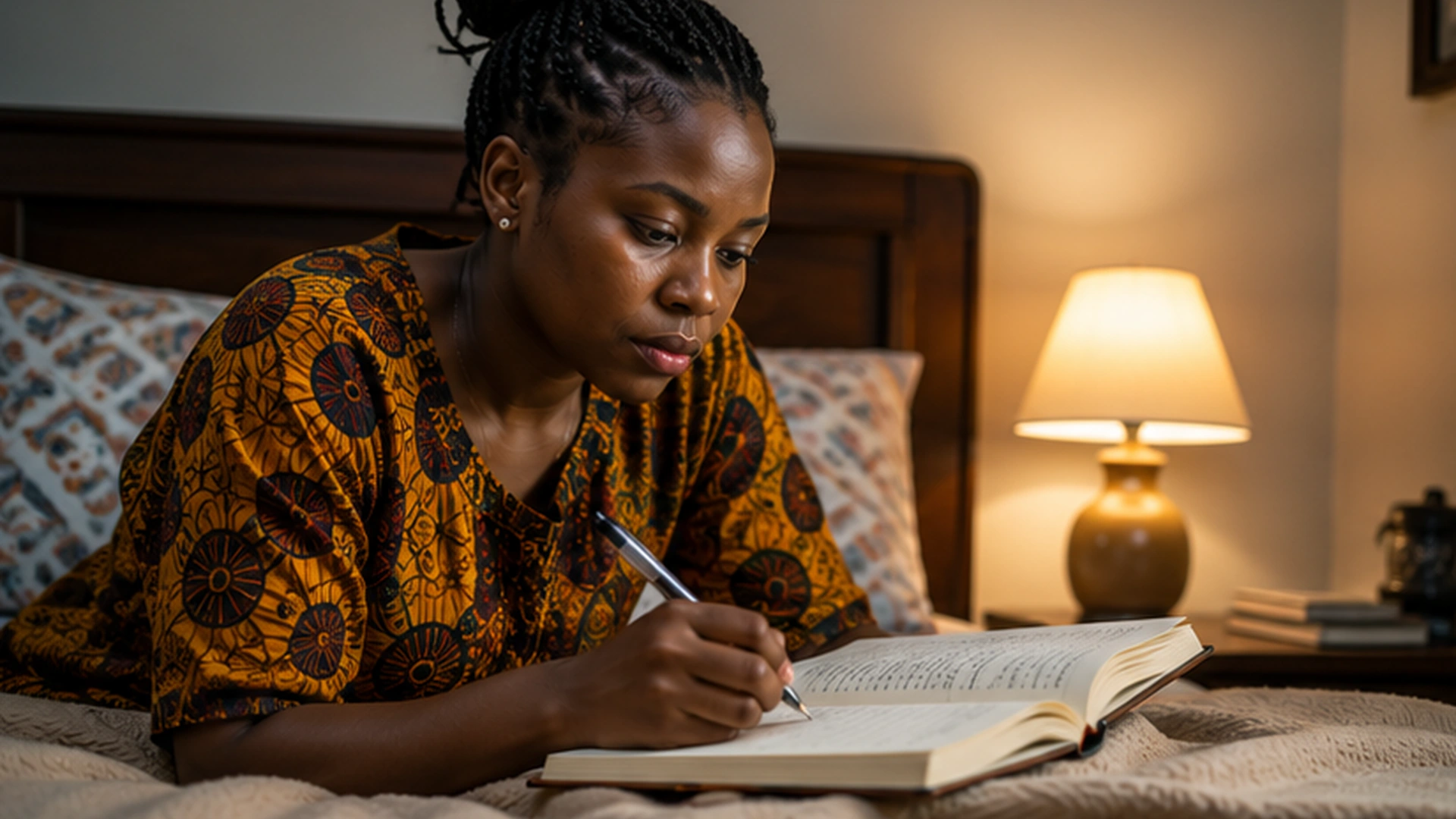
Culture enters at several later stages. A person must decide whether the experience is worth remembering. The dream may be translated into words, and those words come from a language with its own categories for visions, nightmares, omens, ancestors and ordinary imagination. The dreamer may then choose to keep it private, tell a partner, consult an elder, record it in a diary, seek a religious interpretation or dismiss it.
This means researchers should distinguish between the dream experience and the dream report. A society that gives dreams sustained attention may produce longer and more detailed reports because people practice remembering and narrating them. That does not automatically prove that their sleeping brains generate more complex dreams.
How Culture Shapes Dream Interpretation
Culture can influence at least five parts of the interpretive process.
What counts as an important dream
One community may pay special attention to dreams about deceased relatives. Another may emphasize dreams connected with healing, leadership, travel, marriage, danger or religious obligation. A modern therapist may focus on recurring emotion rather than the identity of a dream figure.
Who is allowed to hear it
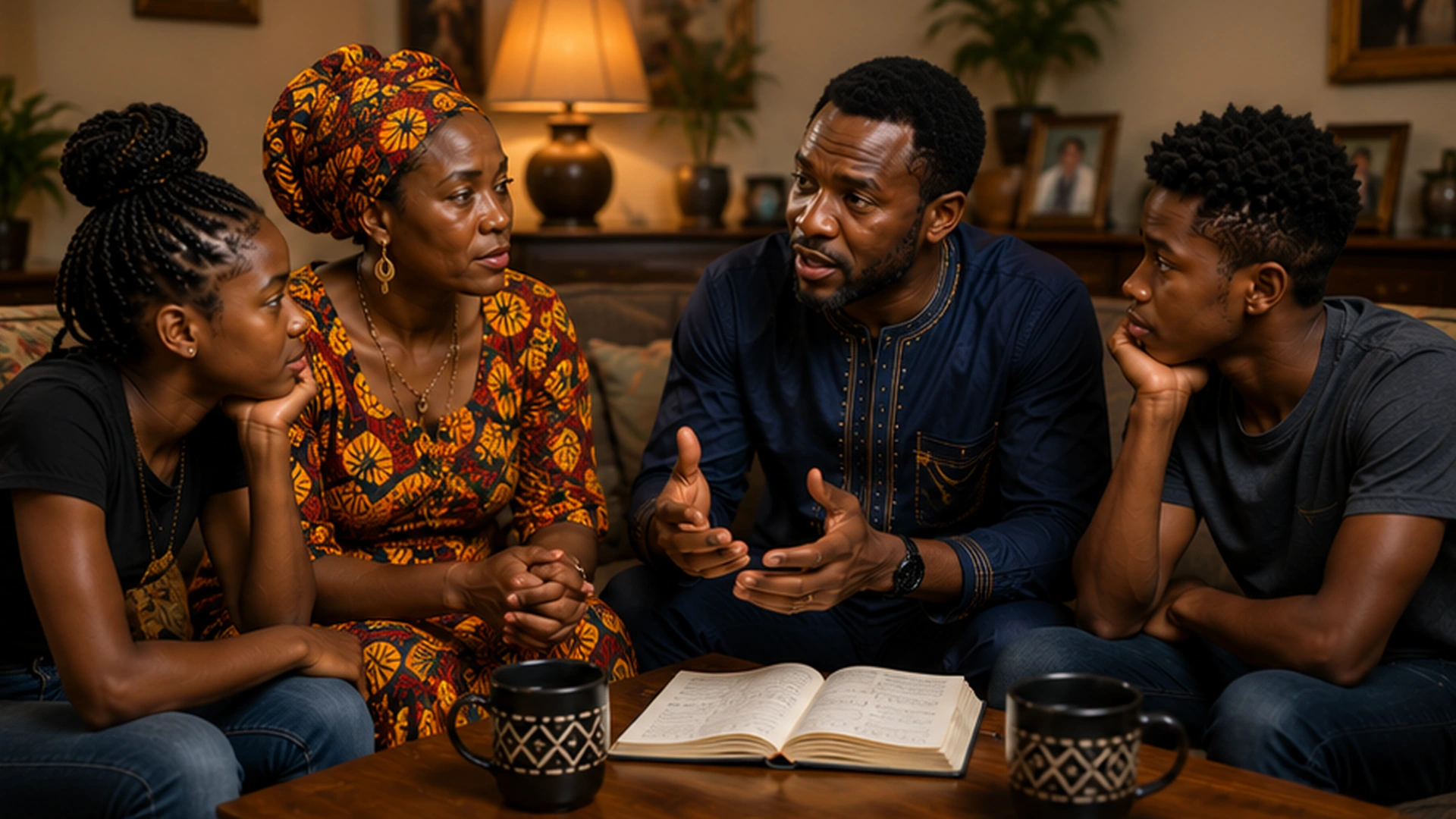
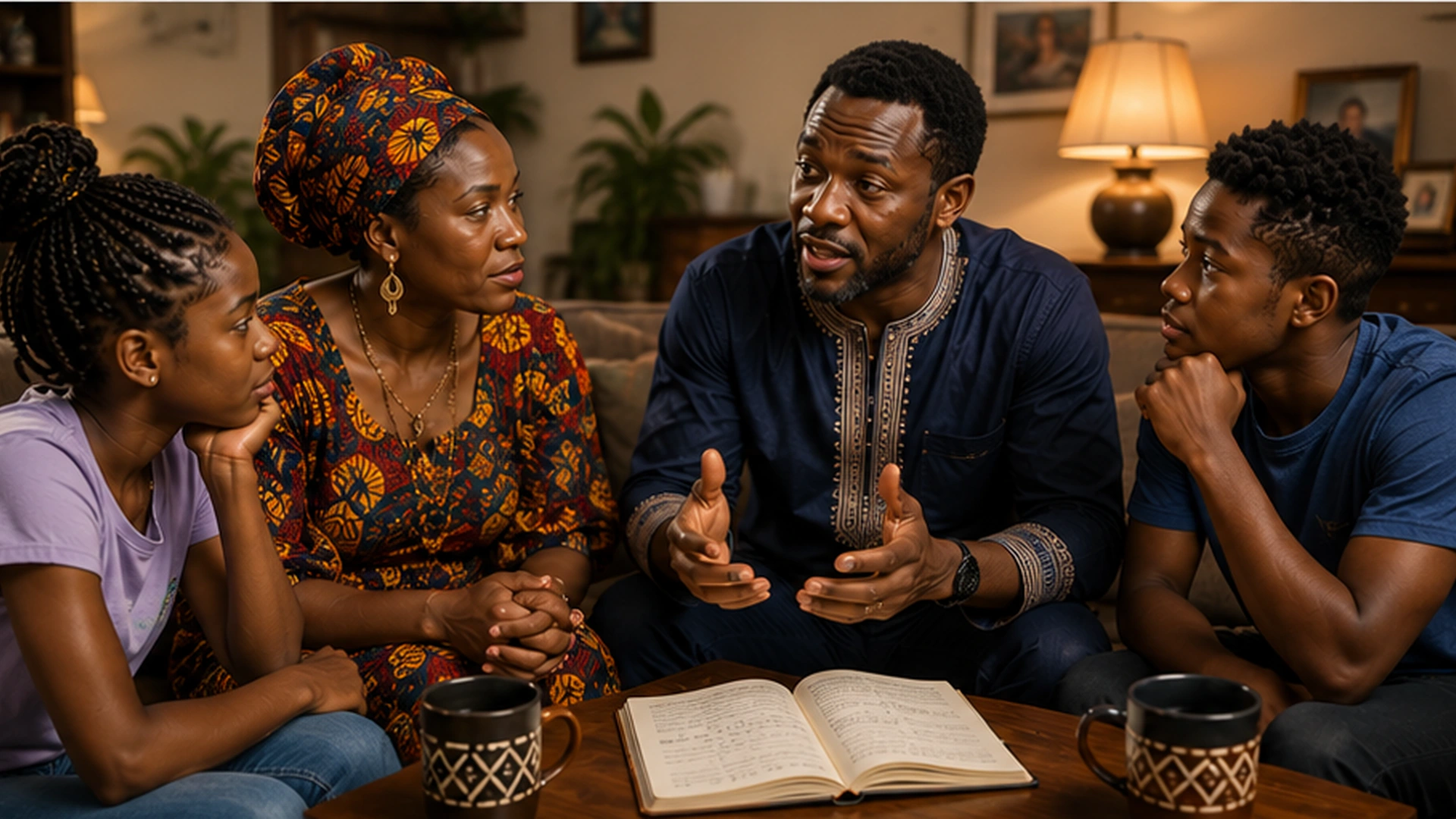
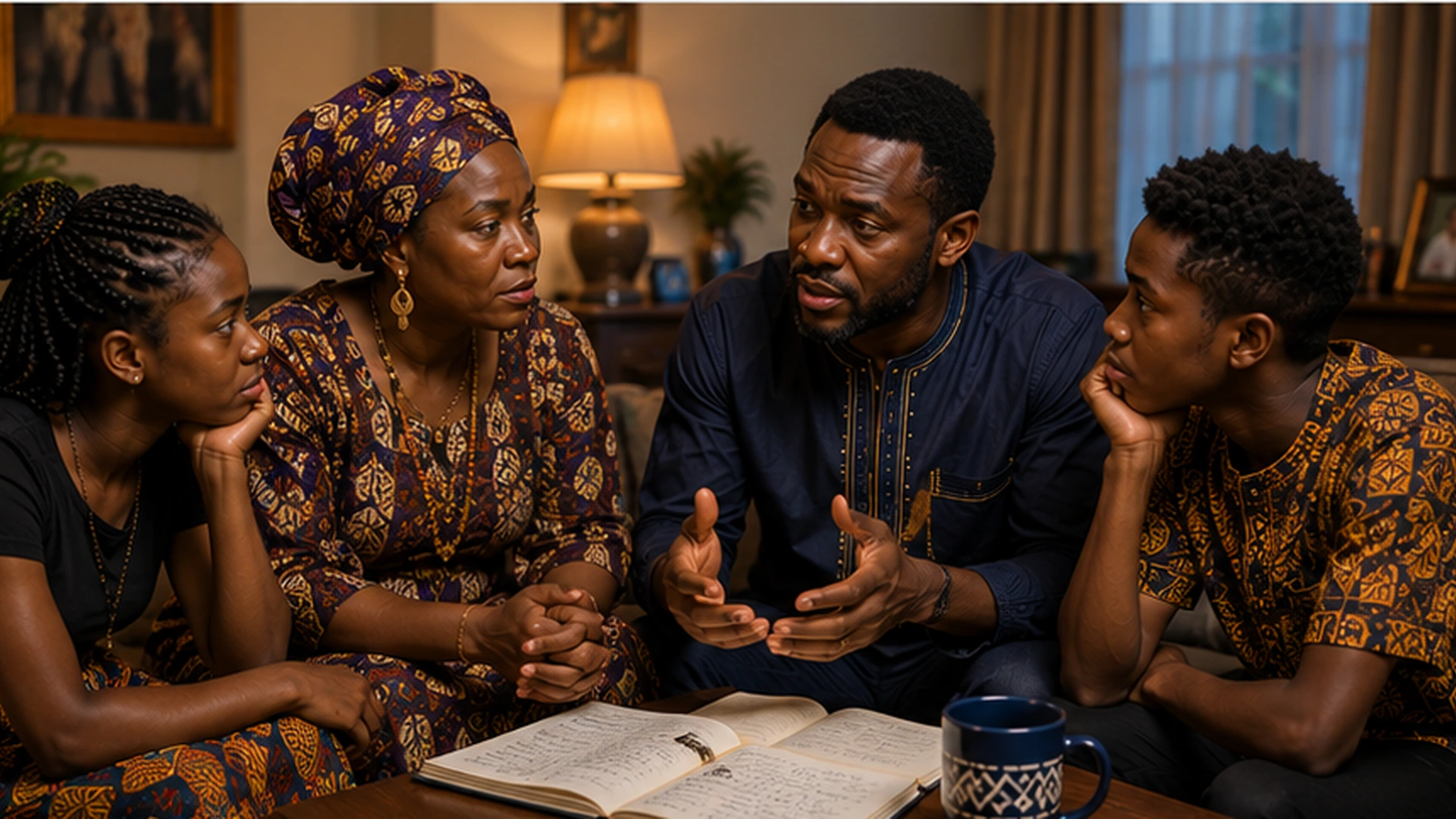
Some dreams are shared widely; others are confidential. The appropriate listener may be a family elder, spouse, priest, imam, diviner, healer, therapist or no one at all. Sharing a dream with the wrong person may be considered unwise, embarrassing or dangerous in some settings.
What evidence is used
An interpreter may consider scripture, oral tradition, a written dream manual, the dreamer’s age and occupation, recent events, moral conduct, ritual calendar, bodily health or emotional state. Different systems can reach different conclusions from the same image because they ask different questions.
Whether the dream predicts, reflects or communicates
Dreams have been treated as forecasts, divine messages, contact with the dead, reflections of waking concerns, signs of illness, philosophical metaphors and products of memory. These categories can overlap, but they should not be treated as identical.
What action follows
A dream may lead to prayer, caution, storytelling, medical consultation, reconciliation, ritual, journaling or no action. Responsible interpretation asks whether the response is safe, lawful, consensual and proportionate.
Dream Beliefs Across Cultures at a Glance
| Tradition or context | Documented role of dreams | Typical interpreter or audience | Important caution |
|---|---|---|---|
| Ancient Egypt | Good and bad dreams could be classified in written manuals | Literate specialists and household or temple contexts | A surviving dream book does not describe every Egyptian belief |
| Classical Greece and Rome | Dreams could provide healing guidance, omens or material for interpretation | Temple personnel, physicians and professional interpreters | Religious healing and empirical medicine coexisted |
| Islamic traditions | Dreams could be morally or spiritually meaningful, but were classified and contextualized | Dreamer, trusted scholar, family member or religious specialist | Islam contains diverse schools and regional practices |
| BaYaka, Hadza and other African examples | Dream narratives may reflect community, emotion, kinship or local cosmology | Family, peers, elders or specialists depending on community | Africa has no single dream dictionary |
| Tuareg settings | Dreams, especially about the dead, may be shared cautiously and interpreted by selected people | Trusted elder, sage or religious specialist | Confidentiality and reformist debate matter |
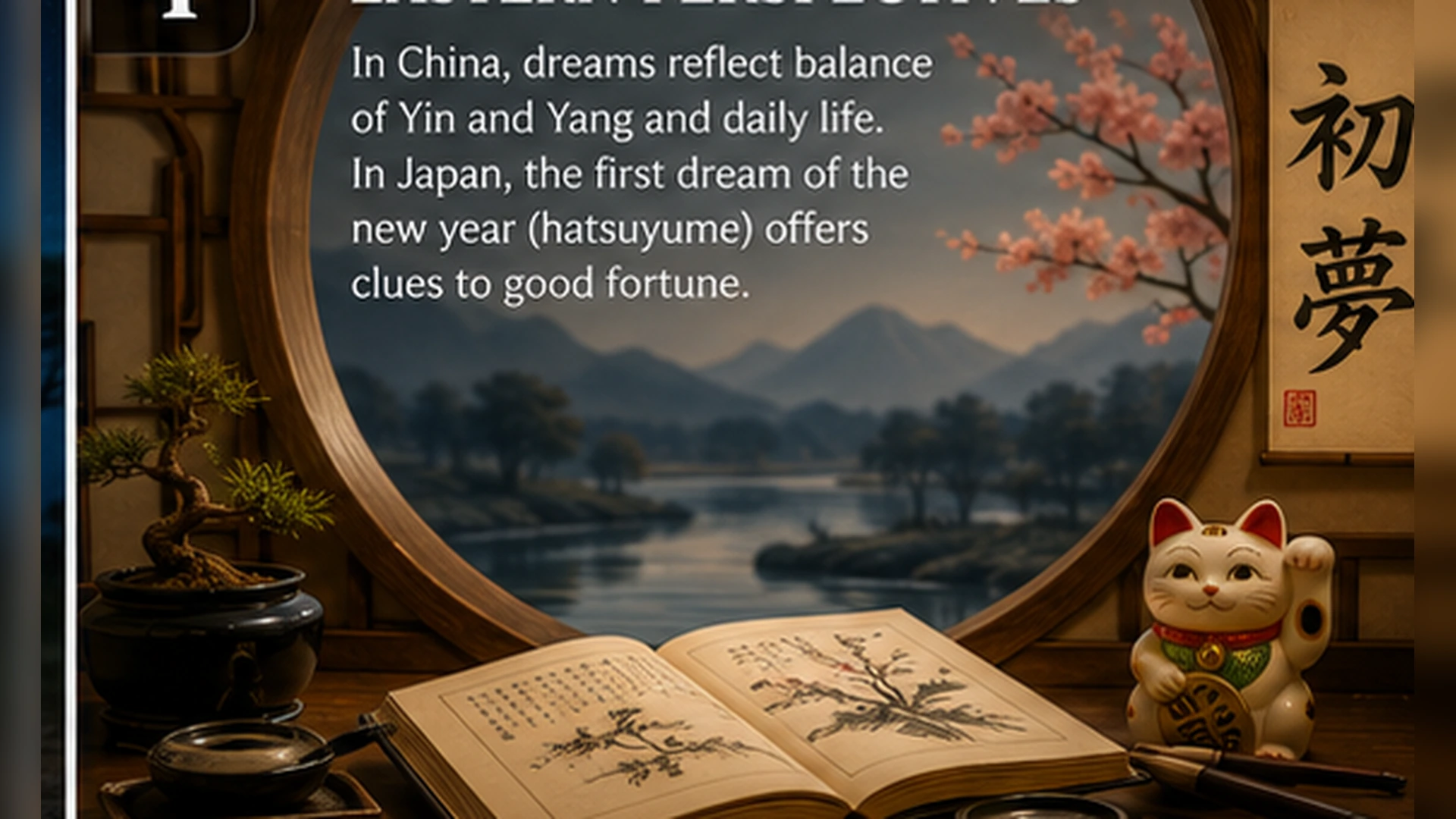
| Traditional China | Dreams appeared in philosophy, historical writing and predictive interpretation | Scholars, diviners, families and readers of dream texts | Historical records may preserve successes more than failures |
| Japan | The first dream of the year, hatsuyume, is treated as a meaningful New Year “first” | Family and popular tradition | Customs vary and should not be reduced to one fixed symbol list |
| Australian First Nations contexts | “Dreaming” can refer to law, Country, creation and ancestral relationships | Community custodians and authorized teachers | It is not simply another word for a sleep dream |
| Modern psychology and sleep science | Dreams may be studied as mental experiences related to memory, emotion and sleep physiology | Researcher, clinician or dreamer | Science has not validated a universal symbolic code |
Ancient Egyptian Dream Books
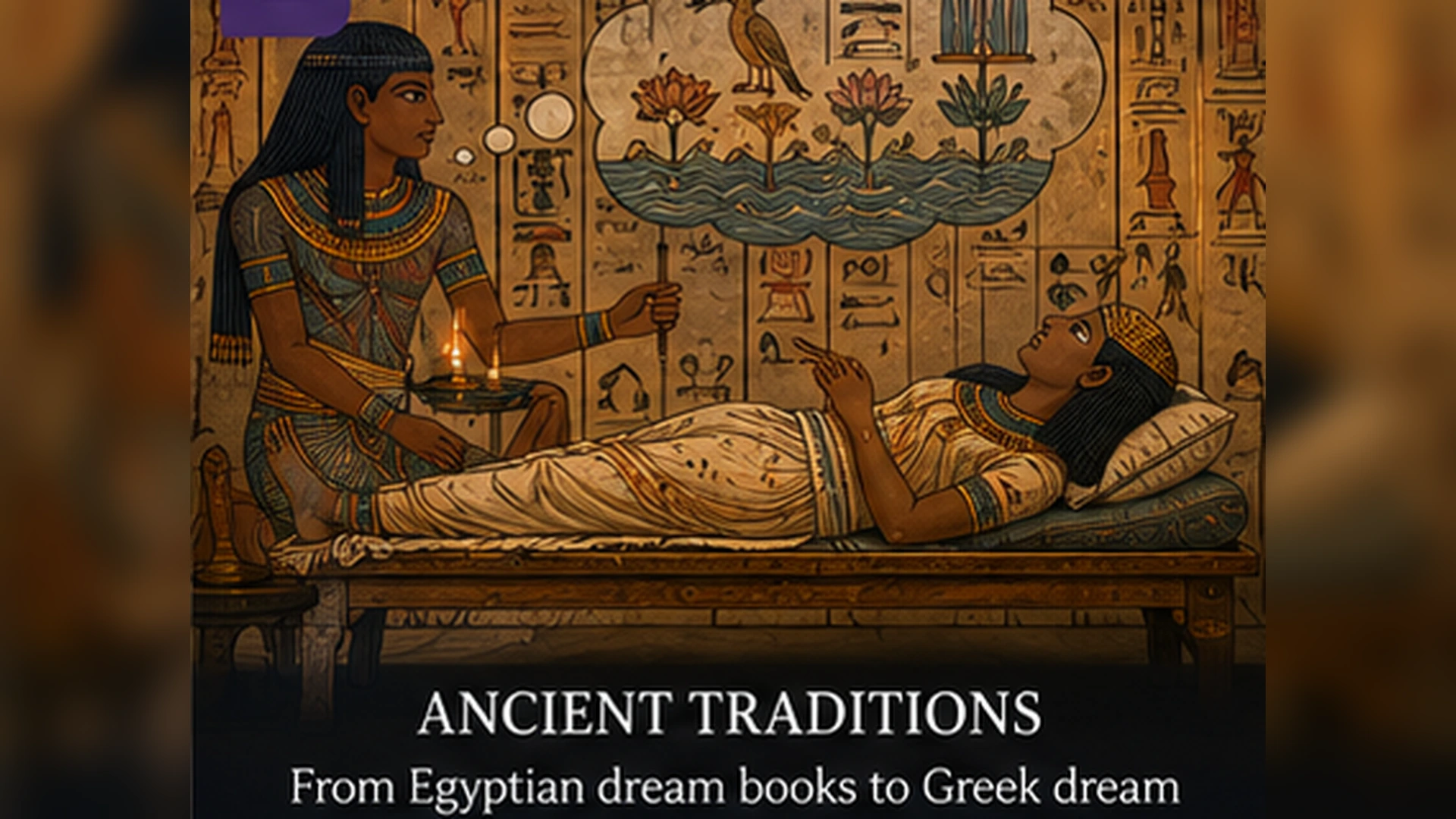
Ancient Egypt provides one of the clearest surviving examples of a formal dream manual. Papyrus Chester Beatty III, dated to around 1220 BCE and associated with Deir el-Medina, contains a hieratic text for interpreting dreams. The British Museum describes it as a manual whose entries classified dream experiences and their possible consequences. [5]
The document shows that some ancient Egyptians treated dreams as interpretable signs. It does not prove that every Egyptian used the same system or that every dream was treated as prophecy. The papyrus belonged to a literate community, and its survival gives modern readers only a small window into a much larger social world.
Ancient dream manuals often worked by linking a scene with an outcome. The logic could depend on wordplay, ritual associations, social values or symbolic reversals. A modern reader cannot safely remove one entry from its language and historical setting and apply it to a person today.
Specific culture or historical context: Deir el-Medina, Egypt, approximately the Nineteenth Dynasty, around the period of Papyrus Chester Beatty III.
People shown: Two adult ancient Egyptian scribes or literate household members.
Location: Plastered mud-brick room in the workers’ village at Deir el-Medina.
Clothing: Historically plausible linen garments; no pharaoh costume or fantasy jewelry.
Architecture: Modest New Kingdom domestic or scribal interior.
Objects: Papyrus sheets, reed pens, black and red ink palettes, low wooden table, pottery jars.
Lighting: Natural doorway light with a small oil lamp as secondary illumination.
Composition: 16:9 heritage scene; papyrus and writing process central, figures naturally engaged.
SEO-friendly filename: ancient-egypt-dream-book-deir-el-medina.webp
Image title: Ancient Egyptian Dream Interpretation
Alt text: Ancient Egyptian scribes copying a dream interpretation manual onto papyrus at Deir el-Medina
Caption: Papyrus Chester Beatty III preserves a New Kingdom manual that classified dreams and possible outcomes.
Recommended placement: After the ancient Egypt section.
Article section supported: Historical dream books and oneiromancy.
Important elements to avoid: Pyramids visible through the window, glowing hieroglyphs, readable invented text, royal crowns, magical smoke, anachronistic bound books, logos or distorted hands.
Dreams in Classical Greece and Rome
Greek and Roman societies contained several approaches to dreams. Some dreams were treated as messages or omens. Philosophers debated whether dreams came from divine sources, bodily conditions or ordinary mental activity. Physicians sometimes considered dream content alongside physical symptoms.
At sanctuaries of Asclepius, people seeking healing could undergo purification and sleep in a designated space. The Metropolitan Museum of Art describes this practice as incubation: the god was expected to appear in a dream and prescribe or indicate treatment. [6]
This practice should not be confused with modern clinical evidence. It belonged to a religious and medical world in which divine healing, observation, diet and practical treatment could coexist.
Artemidorus, writing in the second century CE, produced the influential Oneirocritica. His interpretations did not treat symbols as completely independent of the dreamer. Social position, occupation, gender, circumstances and details of the dream could change the reading. That historical complexity is often lost when modern websites claim that “teeth always mean loss” or “water always means emotion.” [14]
Dreams in Islamic Traditions
Dreams have held important religious, philosophical and cultural roles in many Muslim societies. Islamic literature developed extensive discussions about truthful dreams, confused dreams, disturbing dreams, imagination and interpretation. Scholars such as Ibn Sirin, Ibn Arabi and Ibn Khaldun became associated with dream discourse, although later books attributed to famous figures may not always preserve their original work reliably. [7]
Interpretation has often depended on the dreamer’s character, circumstances and religious knowledge rather than on a symbol alone. A positive dream may be shared with someone trustworthy, while a frightening dream may be handled differently. Customs and legal opinions vary across schools, regions and periods.
It is therefore inaccurate to describe “the Islamic meaning” of every snake, wedding, death or water dream. Muslims may interpret a dream through scripture, family teaching, local custom, personal emotion or ordinary skepticism. A dream is not automatically revelation, and it should not be used to accuse someone, cancel medical care or make irreversible decisions without evidence.
African Dream Traditions Are Diverse
There is no single African understanding of dreams. The continent contains thousands of languages and distinct religious, philosophical and family traditions. Even neighboring communities may differ in who interprets dreams, which dreams matter and whether dreams should be shared.
BaYaka and Hadza dream research
A 2023 cross-cultural study compared 896 dream reports from BaYaka participants in the Republic of the Congo, Hadza participants in Tanzania and populations in Europe and North America. The researchers found differences in social and emotional patterns, including more community-oriented content in BaYaka reports. The study does not prove that one population has a fundamentally different dreaming brain. It shows that dream content, social life and reporting practices can vary meaningfully. [3]
Tuareg dreams, the dead and confidentiality
Ethnographic research among Tuareg communities describes dreams about deceased people as potentially significant, but also subject to caution. Dream accounts may be shared selectively, and interpretation may involve a trusted elder or Muslim religious specialist. The meaning of a dream can also become contested when reformist religious views challenge older or local practices. [8]
This example shows why an online interpreter should not announce one “Tuareg meaning.” Language, location, family, gender, religious orientation and the identity of the interpreter all matter.
Yoruba concepts of perception
Academic discussion of Yoruba epistemology describes the “mind’s eye” as connected with memory, imagination, dreams, intuition and other forms of perception. This does not create a simple Yoruba dream dictionary. It places dreaming within a broader philosophy of how people may know, imagine and interpret experience. [15]
Specific culture or historical context: Contemporary Tuareg family or community conversation in Niger or Mali, informed by ethnographic descriptions of selective dream sharing.
People shown: One older and one younger Tuareg adult; gender presentation should be culturally plausible and respectful.
Location: Sahelian courtyard with earthen walls and woven shade.
Clothing: Contemporary Tuareg clothing appropriate to the region, accurately wrapped and not theatrical.
Architecture: Earthen courtyard architecture with simple seating and textiles.
Objects: Tea glasses, kettle, closed notebook, woven mat.
Lighting: Soft morning shade with warm reflected desert light.
Composition: Medium-wide 16:9 documentary scene; both people equally framed, private atmosphere, no audience.
SEO-friendly filename: tuareg-dream-sharing-cultural-interpretation.webp
Image title: Dream Sharing and Confidentiality in a Tuareg Setting
Alt text: Tuareg elder listening privately as a younger adult describes a dream in a shaded courtyard
Caption: In some Tuareg settings, dreams—especially dreams about the dead—may be shared cautiously with selected interpreters.
Recommended placement: After the African cultural examples.
Article section supported: African diversity, social interpretation and confidentiality.
Important elements to avoid: Fabricated ritual, fortune-telling props, generic “tribal” styling, exposed faces where culturally inappropriate, fantasy spirits, weapons, poverty stereotypes, readable text or mixed North and West African costumes.
Dreams in Traditional Chinese History and Philosophy
Chinese history contains many forms of dream interpretation. Dreams appear in political narratives, family histories, divination, literature, medicine and philosophy. Some were presented as forecasts or signs that justified later events.
A study of dream reports in official Chinese historical records argues that transmitted traditions tend to preserve impressive successes while failures disappear, and that some predictive dreams may have been reconstructed after events occurred. This creates a powerful cultural record without proving that dreams reliably forecast the future. [9]
The famous butterfly dream in the Zhuangzi serves a different purpose. Zhuangzi dreams he is a butterfly and, on waking, wonders about the boundary between the man dreaming the butterfly and the butterfly dreaming the man. The passage is commonly discussed as a philosophical challenge concerning perspective, identity, knowledge and transformation—not as a fixed prediction about butterflies. [10]
This contrast is important. Within one broad cultural history, a dream can function as political omen, divinatory evidence, literary device or philosophical argument.
Hatsuyume: The First Dream of the Year in Japan
In Japan, hatsuyume means the first dream of the New Year. Japan’s government describes it as one of several special “firsts” marked at the beginning of the year, alongside the first sunrise and first practice. These first occasions symbolize a break from ordinary routine and the beginning of renewed resolve. [11]
Popular traditions have attached auspicious images to the first dream, but lists vary and circulate through folklore, media and family memory. The most accurate general statement is that the first dream may be treated as symbolically important. It should not be presented as a guaranteed forecast of the coming year.
Specific culture or historical context: Contemporary Japanese New Year and the idea of hatsuyume, the first dream of the year.
People shown: Three Japanese family members from two generations.
Location: Modern Japanese home dining room.
Clothing: Comfortable contemporary winter clothing; no unnecessary ceremonial dress.
Architecture: Modern Japanese interior with restrained woodwork and sliding doors.
Objects: Breakfast dishes, tea, notebook, pen, calendar turned away from the camera.
Lighting: Clear early-morning winter sunlight.
Composition: 16:9 documentary scene; family interaction central, sunrise secondary.
SEO-friendly filename: hatsuyume-first-dream-japan-new-year.webp
Image title: Hatsuyume, Japan’s First Dream of the Year
Alt text: Japanese family discussing and recording the first dream of the New Year at breakfast
Caption: Hatsuyume is one of Japan’s meaningful New Year “firsts,” though interpretations vary through folklore and family tradition.
Recommended placement: After the Japan section.
Article section supported: Japanese dream customs and seasonal meaning.
Important elements to avoid: Anime styling, floating Mount Fuji or animals, guaranteed-luck symbols, shrine ritual invented for the scene, readable Japanese text, logos or costume stereotypes.
The Australian First Nations Term “Dreaming” Is Not a Dream Dictionary
The English terms “Dreaming” and “Dreamtime” have been used to translate complex Aboriginal Australian concepts such as Jukurrpa. AIATSIS scholarship describes Jukurrpa as a highly interconnected concept involving ancestral events, law, places, beings, knowledge and continuing relationships. It cannot be reduced to an unusual dream during sleep. [12]
Meanings and authorized teachings differ among Aboriginal nations and language groups. Some knowledge is public; other knowledge may be restricted by age, gender, initiation, kinship or custodianship. Outsiders should not copy stories, designs or sacred-site information and label them “dream symbolism.”
A person may, of course, have an ordinary sleep dream in an Aboriginal community. The point is terminological and cultural: capitalized “Dreaming” refers to a much larger system of Country, law and ancestral relationship.
Modern Western Psychology and Dream Interpretation
Modern Western approaches are also culturally and historically located. Freud treated dreams as expressions of unconscious wishes and conflict. Jung emphasized symbolic and archetypal patterns. Later therapists developed many other methods, including approaches that focus on emotion, memory, trauma, problem-solving and the dreamer’s own associations.
These schools have shaped global popular culture, but they are not neutral universal truths. A person who has learned psychoanalytic language may describe a house as the self or a journey as development. Someone from another tradition may interpret the same dream through family duty, ancestors, religious teaching or everyday events.
Scientific dream research generally studies measurable factors such as sleep stage, recall frequency, emotional tone and links with waking experience. It does not confirm that Freud’s, Jung’s or any commercial dream dictionary’s symbolic claims apply to everyone. [1][2][14]
Are Dream Symbols Universal?
No scientifically validated evidence shows that one dream symbol has exactly the same meaning for every person or culture.
Some themes are widespread because humans share bodies, environments and emotional experiences. People around the world encounter water, animals, homes, family, illness, death, danger and movement. Similar images can therefore recur without carrying identical meanings.
Deceased relatives
A dream about a deceased person may be treated as continuing attachment, an ancestor visit, grief processing, religious reassurance, unresolved conflict or an ordinary memory. The relationship with the deceased and the dreamer’s cultural framework matter more than a generic rule.
Animals
An animal can be food, danger, companion, clan emblem, deity, environmental knowledge or media image. A snake dream is a strong example: snakes can signify protection, venom, medicine, water, fear, royalty or nothing beyond a recent encounter. Ancestral Temple’s detailed snake-dream guide explains why no single interpretation should be imposed. [16]
Water
Water may evoke life, cleansing, danger, travel, baptism, flooding, emotion, livelihood or a familiar landscape. A fishing community, a desert community and a person with a near-drowning experience may respond very differently.
Falling and flying
These experiences may relate to balance sensations, fear, freedom, status, spiritual narratives or ordinary dream movement. Their emotional tone and surrounding story matter.
Houses and roads
A home may represent literal family concerns, security, inheritance, privacy or memory. A road can involve travel, migration, duty, danger or choice. Neither image has one permanent code.
Death and rebirth
Dream death does not predict physical death. It may be frightening, symbolic, religious, grief-related or random. Interpreters should never use it to announce that someone will die.
Why the Same Symbol Changes Meaning
A symbol’s interpretation can change with:
the dreamer’s language and religion;
the animal or object’s local ecological role;
personal memory and recent events;
age, gender, occupation and social status;
whether the dream was frightening, comforting or neutral;
the identity of the interpreter;
the time of year or ritual calendar;
the dream’s ending;
community rules about secrecy;
later events that reshape how the dream is remembered.
This is why responsible interpretation begins with questions rather than declarations.
What Cross-Cultural Dream Research Can and Cannot Prove
Cross-cultural studies can compare reported themes, emotional language, social relationships and narrative patterns. The BaYaka-Hadza study, for example, found meaningful differences in community orientation and emotional structure. [3]
However, researchers depend on self-report. Translation can change detail. A person may omit sexual, religious, frightening or politically sensitive material. Communities differ in how much attention children are taught to give dreams and whether adults consider dream sharing appropriate.
Researchers therefore cannot assume that a longer report proves a longer dream, or that a rare reported theme never occurred. Cultural study is most reliable when it examines both dream narratives and the social rules surrounding them.
Specific culture or historical context: Contemporary sleep and dream research.
People shown: One Black sleep researcher and one adult participant of any background.
Location: Accredited sleep laboratory or university research clinic.
Clothing: Researcher in simple clinical clothing or lab coat; participant in ordinary sleepwear with appropriate coverage.
Architecture: Modern clinical room with monitoring equipment and observation window.
Objects: EEG leads, monitor, microphone, clipboard or tablet, bedside clock without readable numbers.
Lighting: Soft low clinical light suitable for a nighttime study.
Composition: 16:9 editorial photograph; participant on bed at left, researcher seated at right, equipment secondary and realistic.
SEO-friendly filename: dream-science-sleep-lab-cultural-interpretation.webp
Image title: Dream Research in a Sleep Laboratory
Alt text: Black sleep researcher recording a participant’s dream report after a monitored awakening
Caption: Sleep science can study dream reports and brain states, but it has not established a universal symbolic dictionary.
Recommended placement: After the cross-cultural research and scientific limitations section.
Article section supported: Sleep science, evidence and research limits.
Important elements to avoid: Brain scans that claim to display the dream, mystical imagery, patient distress, exposed medical data, incorrect sensors, embedded labels, logos or distorted equipment.
How to Interpret a Dream Responsibly
Record the complete dream
Write down the setting, people, actions, words, emotions and ending before searching for meanings. A single object removed from the story can be misleading.
Start with personal experience
Ask what the image means in the dreamer’s own life. Has it appeared recently in news, film, religion, work, family conversation or the physical environment?
Identify the cultural framework
A person should not borrow an interpretation from a culture merely because it appears dramatic online. Ask whether the dreamer actually belongs to, practices or has learned from that tradition.
Distinguish belief from evidence
Useful language includes “In this tradition, some people interpret…” or “One psychological possibility is…” Avoid stating that a symbol scientifically proves spiritual attack, pregnancy, betrayal, wealth or death.
Consult the right person
A religious dream may be discussed with a trusted leader from the dreamer’s own tradition. A family dream may belong in a private conversation with relatives. A recurring nightmare may require a qualified mental-health or sleep professional.
Consider several explanations
A dream can contain memory, emotion, bodily sensation, cultural imagery and spiritual meaning for the dreamer at the same time. Responsible reflection does not need to force one exclusive answer.
Judge the proposed action
An interpretation becomes dangerous when it encourages violence, accusations, debt, medical neglect, coercive ritual, isolation or dependence on an interpreter.
Ethical and Safety Boundaries
Dream interpretation should never be used to:
accuse someone of witchcraft, infidelity or crime without evidence;
diagnose disease, pregnancy or mental illness;
stop prescribed treatment;
demand expensive cleansing or protection rituals;
frighten children or vulnerable adults;
control marriage, inheritance, travel or employment;
reveal private dreams without consent;
imitate restricted ceremonies;
claim automatic prophetic authority;
predict a person’s death.
Cultural respect also requires restraint. Do not reproduce private Indigenous stories, initiation knowledge, sacred designs or ritual instructions from fragments found online.
When Nightmares Need Professional Support
A nightmare can be culturally meaningful and still require clinical care. Seek professional support when nightmares are frequent, cause major sleep loss, follow trauma, worsen anxiety or depression, or lead to fear of sleeping.
Urgent medical assessment may be needed if a person physically acts out dreams, injures themselves or another person, experiences breathing problems during sleep, or has sudden changes connected with medication, substance use or neurological symptoms.
A clinician does not have to dismiss a person’s beliefs. Good care can respect cultural and religious meaning while also assessing sleep disorders, trauma and safety.
Key Takeaways
Dreaming is a widespread human experience, but dream interpretation is culturally shaped.
Cultures differ in which dreams matter, who may hear them and what action should follow.
Ancient Egypt preserved written dream manuals.
Greek healing sanctuaries used dream incubation in the cult of Asclepius.
Islamic dream traditions contain extensive classifications and interpretive literature.
African communities have diverse dream practices; there is no single African meaning.
Chinese history includes predictive, political, literary and philosophical dream traditions.
Hatsuyume is the Japanese first dream of the New Year.
Australian First Nations “Dreaming” is not simply ordinary nighttime dreaming.
Modern psychology offers several interpretive schools, none of which is universally proven.
Common images do not form a scientifically validated universal dictionary.
Personal context, cultural belonging, emotion and the complete narrative matter.
Dream interpretation must not replace medical care, evidence, consent or safety.
People Also Ask
Do dreams mean different things in different cultures?
Yes. Cultures differ in whether dreams are understood as omens, religious messages, ancestor encounters, philosophical material, emotional reflections or ordinary mental activity. Meanings also vary within the same culture by family, region, religion and historical period.
Are dream symbols universal?
No scientifically validated universal dictionary exists. Similar images recur because people share bodies and environments, but their meanings depend on personal experience and cultural context.
Which cultures believe dreams predict the future?
Predictive dream traditions have existed in ancient Egypt, Greece, China, Islamic societies and many other places. Belief and practice vary, and the historical existence of prediction does not scientifically prove that dreams reliably forecast events.
What do dreams mean in African cultures?
There is no single African meaning. BaYaka, Hadza, Tuareg, Yoruba and thousands of other communities have different languages, cosmologies and rules for sharing dreams. Interpretation must identify the specific community.
How are dreams interpreted in Islam?
Many Muslim traditions distinguish meaningful dreams from confused or frightening dreams and emphasize the dreamer’s circumstances and religious context. Practices differ by school, family and region; not every dream is treated as revelation.
What did ancient Egyptians believe about dreams?
Surviving texts show that some ancient Egyptians classified dreams as signs with favorable or unfavorable outcomes. Papyrus Chester Beatty III contains a New Kingdom dream manual, but it does not represent every Egyptian person or period.
What is the butterfly dream?
The butterfly dream is a famous passage in the Chinese philosophical text Zhuangzi. It raises questions about identity, knowledge, dreaming and waking rather than providing a simple prediction about butterflies.
Is Aboriginal Dreaming the same as sleep dreaming?
No. “Dreaming” is an English translation used for complex Aboriginal Australian concepts involving Country, ancestral beings, law, knowledge and continuing relationships. Meanings differ by nation and language group.
What does science say dreams mean?
Science studies sleep stages, brain activity, dream recall, emotion and links with waking life. It has not established one accepted function for dreams or a universal symbolic code.
Frequently Asked Questions
1. Why do people dream about deceased relatives?
Such dreams may involve grief, memory, continuing attachment, religious belief, ancestor traditions or ordinary emotional processing. The relationship and cultural context matter.
2. Can a dream be meaningful without predicting the future?
Yes. A dream may support reflection, storytelling, grief, creativity or emotional insight without being a forecast.
3. Do all religious traditions treat dreams as messages?
No. Traditions differ, and members of the same religion may disagree. Some dreams may be treated as meaningful while others are considered confused, ordinary or unimportant.
4. Does a recurring dream have one fixed meaning?
No. Recurrence may indicate unresolved emotion, repeated waking circumstances, trauma, sleep disruption or strong attention to the dream. A qualified professional can help when it causes distress.
5. Can a dream dictionary identify the correct meaning?
A dictionary can document a tradition or suggest questions, but it cannot determine one correct meaning without the dreamer’s context. Many commercial dictionaries combine unrelated sources.
6. Are dreams more spiritual in some cultures?
Some cultures give dreams greater public religious or social importance. That describes cultural interpretation, not proof that one population’s dreams are biologically more spiritual.
7. Should I tell other people my dreams?
That depends on privacy, safety and cultural practice. Share with people you trust. Do not disclose another person’s dream or confidential family material without permission.
8. Can dreams diagnose illness?
No dream should be used as a medical diagnosis. Dreams may reflect discomfort or concern, but symptoms require evidence-based medical assessment.
9. What is dream incubation?
Dream incubation is the deliberate preparation to receive a dream, historically documented in settings such as sanctuaries of Asclepius. Modern practices vary and should not be confused with proven treatment.
10. How can I compare cultural dream beliefs respectfully?
Name the specific community, use authoritative sources, distinguish public from restricted knowledge, avoid universal claims and separate belief from scientific evidence.
Conclusion
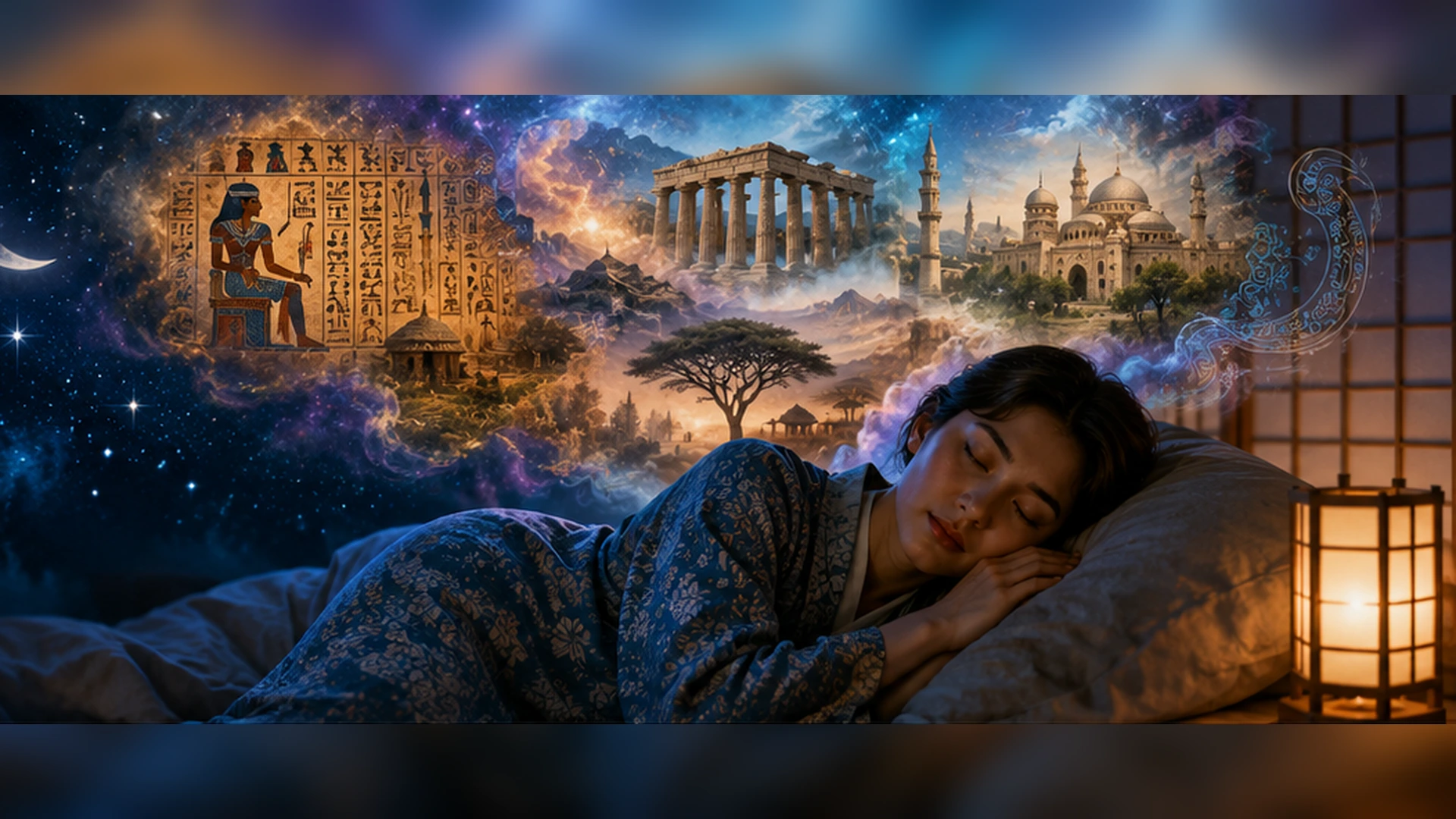
Dreams differ across cultures because people do more than dream: they remember, narrate, classify, share and respond to dreams through inherited systems of meaning. Ancient Egyptian manuals, Greek healing sanctuaries, Islamic scholarship, African oral interpretation, Chinese philosophy, Japanese New Year customs and modern sleep laboratories do not form one global dream code. They represent different answers to different questions.
The most responsible interpretation does not ask only, “What does this symbol mean?” It asks who dreamed it, what happened in the complete dream, what the image means in the dreamer’s life, which tradition is actually relevant, who has authority to interpret it and whether the proposed response is safe.
Dreams can be culturally rich and personally meaningful without being treated as guaranteed prophecy. Respect for both culture and evidence allows readers to take dreams seriously without turning uncertainty into fear.
Final Summary
Dreaming is a shared human capacity, but dream meaning is not universal. Cultures shape which dreams are remembered, who may interpret them, whether they are treated as omens, messages, philosophy, memory or psychology, and what action follows. Common symbols must be interpreted through the dreamer’s personal and cultural context. Scientific research can study dream reports and sleep physiology, but it has not validated a universal dream dictionary.
Research Sources and Further Reading
1. National Institutes of Health and NCBI Bookshelf. “Information about Sleep,” including REM, non-REM sleep and dreaming. https://www.ncbi.nlm.nih.gov/books/NBK20359/
2. Scarpelli, S. et al. “What about dreams? State of the art and open questions.” Journal of Sleep Research (2022). https://pmc.ncbi.nlm.nih.gov/articles/PMC9539486/
3. Samson, D. R. et al. “Evidence for an emotional adaptive function of dreams: a cross-cultural study.” Scientific Reports (2023). https://pmc.ncbi.nlm.nih.gov/articles/PMC10545663/
4. Hinton, D. E. and Kirmayer, L. J. “Nightmares, Neurophenomenology and the Cultural Logic of Trauma.” https://pmc.ncbi.nlm.nih.gov/articles/PMC5161495/
5. British Museum. Papyrus Chester Beatty III, ancient Egyptian hieratic dream book, approximately 1220 BCE. https://www.britishmuseum.org/collection/object/Y_EA10683-1
6. The Metropolitan Museum of Art. “Medicine in Classical Antiquity,” including Asclepian dream incubation. https://www.metmuseum.org/essays/medicine-in-classical-antiquity
7. Green, Nile. “The Religious and Cultural Roles of Dreams and Visions in Islam.” Journal of the Royal Asiatic Society 13, no. 3 (2003). https://www.cambridge.org/core/journals/journal-of-the-royal-asiatic-society/article/abs/religious-and-cultural-roles-of-dreams-and-visions-in-islam/CFFE724E3299958329DC48F0E8B1038D
8. Rasmussen, Susan J. “The past of dreams: gender, memory and Tuareg oneiric inspiration.” Africa (2018). https://www.cambridge.org/core/journals/africa/article/past-of-dreams-gender-memory-and-tuareg-oneiric-inspiration/2202CAC98BDC2373282E8843BDA35EAF
9. Hong, Ze. “Dream Interpretation from a Cognitive and Cultural Evolutionary Perspective: The Case of Oneiromancy in Traditional China.” Cognitive Science 46, no. 1 (2022). https://coevolution.fas.harvard.edu/publications/dream-interpretation-cognitive-and-cultural-evolutionary
10. Stanford Encyclopedia of Philosophy. “Zhuangzi,” revised 2024. https://plato.stanford.edu/entries/zhuangzi/
11. The Government of Japan. “Hatsu,” explaining hatsuyume and other New Year firsts. https://www.japan.go.jp/tomodachi/2016/newyear2016/hatsu.html
12. Goddard, Cliff and Anna Wierzbicka. “What does Jukurrpa (‘Dreamtime’, ‘the Dreaming’) mean?” Australian Aboriginal Studies 1 (2015), AIATSIS. https://aiatsis.gov.au/publication/35090
13. Shamdasani, Sonu. “Dream cultures,” in Jung and the Making of Modern Psychology. Cambridge University Press. https://www.cambridge.org/core/books/jung-and-the-making-of-modern-psychology/night-and-day/9D5E552C1A474F247D6567C18494CCFD
14. Fogli, A. et al. “Our dreams, our selves: automatic analysis of dream reports.” Royal Society Open Science (2020). https://pmc.ncbi.nlm.nih.gov/articles/PMC7481704/
15. Center for African Studies, University of Florida. “Adapting Yorùbá Epistemology in Educational Theory and Practice in Nigeria.” https://africa.ufl.edu/adapting-yoruba-epistemology-in-educational-theory-and-practice-in-nigeria/
16. Ancestral Temple. “Dreams About Snakes: Meanings Across Cultures.” https://ancestraltemple.com/blogs/dreams-about-snakes-meanings
Editorial note: Verify community names, spellings and cultural restrictions before publication. Do not present public academic descriptions as permission to reproduce private or restricted practices.
Article Information
- Publisher
- Ancestral Temple
- Editor
- Ancestral Temple
- Last updated
- Jul 26, 2026
- Last reviewed
- Jul 26, 2026
- Content version
- 075761176c
This educational article should be read as cultural and spiritual information, not as medical, legal, financial, or emergency advice.
Helpful Related Guidance
Explore This Topic
Related Topic Cluster
Dreams & Symbolism
About the Author
 Ancestral Temple
Spiritual guide and practitioner with decades of experience in ancestral wisdom, rituals, and divine guidance.
Related Posts
View All




Leave a Comment
We'd love to hear your thoughts.