
What Does Sacred Fire Mean?
Cornerstone Content
Quick Summary
Sacred fire has warmed homes, gathered communities, carried offerings, marked authority, and preserved memory. This historical guide explores its meanings across African traditions and other ancient religious systems without treating distinct cultures as one tradition.
What Does Sacred Fire Mean?
Sacred fire means a flame, hearth or ceremonial fire set apart for spiritual, ancestral, religious, moral or communal purposes. A sacred flame may symbolize purification, continuity, memory, transformation, divine presence or the responsibility to keep a tradition alive. Its meaning depends on the specific community, ritual setting and rules surrounding the fire.
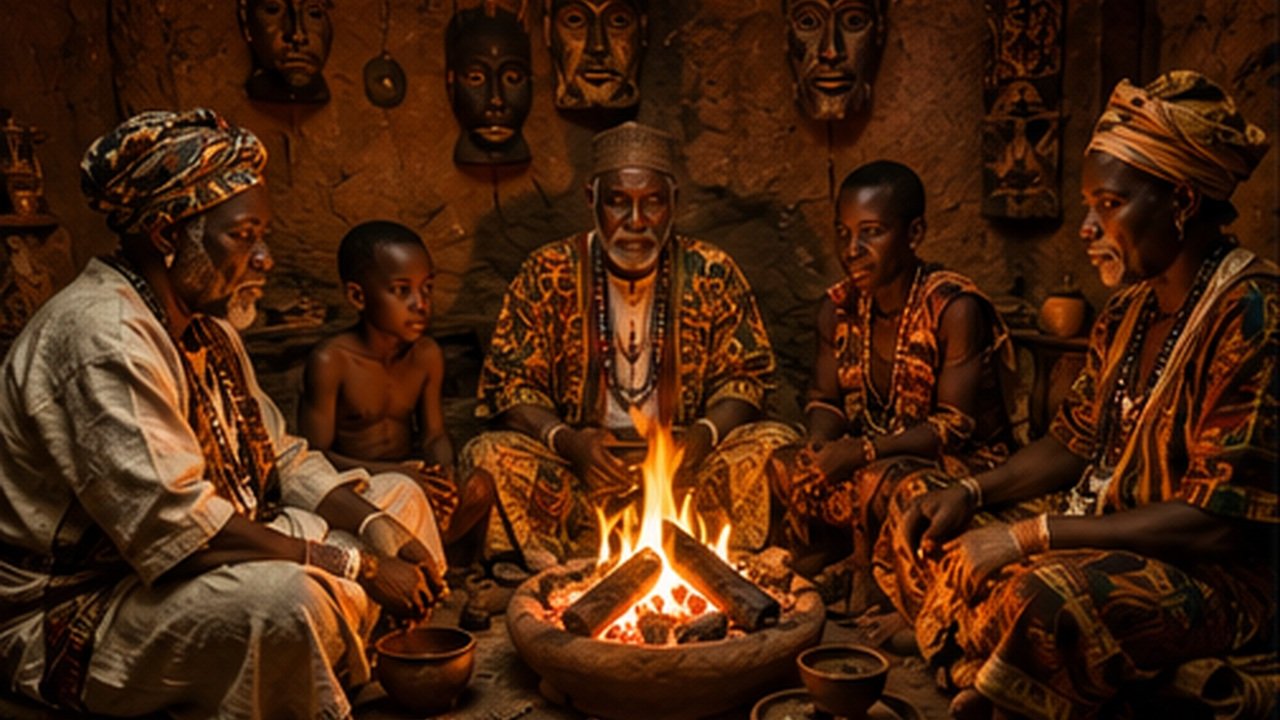
Sacred fire appears wherever people have treated flame as more than fuel. A household hearth may become the heart of family life. A temple flame may represent divine presence. A ceremonial fire may carry prayers, gather elders, mark a transition, or connect the living with remembered generations. The flame is physical, but its sacredness comes from the relationships, duties, stories, and beliefs placed around it.
The history of sacred fire is therefore not the story of one universal religion. It is a history of many communities discovering that fire can express transformation, continuity, danger, protection, visibility, and mystery at the same time.
This article gives special attention to African traditions while also comparing selected examples from ancient Iran, South Asia, and Rome. It does not disclose closed initiatory procedures or provide instructions for performing fire rituals.
What Is a Sacred Flame or Sacred Fire Ceremony?
Sacred fire is a flame, hearth, lamp, or fire-bearing ritual space that a community sets apart for spiritual, ancestral, ceremonial, moral, or civic purposes.
The fire may be continuously maintained, kindled only on special occasions, renewed at the beginning of a season, transferred from one location to another, or extinguished and relit according to community rules.
The visible flame is only one part of the sacred system. Equally important may be:
- Who is permitted to tend it
- What fuel is acceptable
- What words are spoken near it
- How its smoke or ash is understood
- What responsibilities the fire represents
- When people may approach it
- Whether the fire belongs to a household, lineage, community, temple, or state
A cooking flame and a sacred flame may look identical while belonging to entirely different social and spiritual worlds.
Why Fire Became Sacred in Human History
Human beings gathered around controlled hearths long before the development of cities or written scripture. The Smithsonian’s Human Origins Program identifies evidence of hearths at least 790,000 years old and explains that controlled fire supported cooking, safety, warmth, food sharing, and social life. These early hearths were not automatically religious, but they established a powerful human pattern: the flame as a protected center around which people eat, teach, remember, communicate, and watch through the night.
Fire also makes transformation visible. Wood becomes heat, light, smoke, and ash. Raw food becomes cooked food. Darkness becomes a circle of visibility. Because these changes are immediate and dramatic, fire became a natural language for explaining rebirth, purification, sacrifice, inspiration, destruction, and renewal.
Unlike stone or water, flame must be tended. It can grow, weaken, spread, or disappear. That dependence makes it a powerful symbol of relationships that survive only through care: family bonds, community law, religious commitment, political continuity, ancestral memory, and moral discipline.
Sacred Fire Symbolism: Major Meanings
Although meanings differ among cultures, several themes appear repeatedly in historical and religious traditions.
Life and Divine Presence
Fire provides warmth and light. A maintained flame may therefore symbolize life, vitality, divine presence, or the continued well-being of a family or community.
Purification
Fire consumes and transforms materials. It may represent the removal of impurity, the restoration of moral order, preparation for sacred activity, or the conclusion of an earlier stage of life.
Transformation
Matter placed in fire becomes heat, smoke, fragrance, and ash. This visible transformation has made fire a symbol of spiritual change, rebirth, transition, and renewal.
Continuity
A flame maintained across days, years, reigns, or generations may represent the survival of a household, lineage, religious community, or political order.
Communication and Offering
Offerings placed into flame move beyond ordinary human use. They become smoke, heat, fragrance, and ash. In some traditions, this transformation is understood as carrying gifts or prayers toward deities, spirits, or ancestors.
Witness and Accountability
Fire may stand before vows, marriages, public duties, initiations, or changes of office. In these cases, the flame acts as a sacred witness rather than simply a messenger.
Community and Belonging
Those who gather around one hearth may understand themselves as members of one household, lineage, settlement, kingdom, or religious body. The flame becomes a visible center of belonging.
Sacred Fire in African History and Spirituality
Any discussion of African spirituality must begin with diversity. Africa contains many distinct peoples, languages, histories, religious institutions, and systems of authority.
Fire does not carry one universal “African meaning.” Practices from Namibia, Botswana, Egypt, Uganda, Nigeria, Kenya, or South Africa should not be blended into one invented ceremony.
The respectful approach is to identify the specific community, language, location, and historical period being discussed. Traditions are living systems of kinship, land, authority, memory, and ritual—not isolated symbols that can be removed from their communities without changing their meaning.
Suggested internal link: Understanding African Spiritual Traditions: A Historical Introduction
Suggested path: /blog/understanding-african-spiritual-traditions
Okuruuo: Holy Fire and Otjiherero-Speaking Communities
One of the clearest living examples is Okuruuo, commonly translated as “Holy Fire,” among Otjiherero-speaking communities in Namibia.
UNESCO describes Okuruuo as central to the cultural values and social practices of the communities concerned. UNESCO’s safeguarding work also notes that urbanization and related social changes threaten the continuity of the practice. This demonstrates that sacred fire is not merely an old object or decorative symbol. It is a living institution that depends on people, knowledge, recognized custodians, family participation, and continued transmission.
Okuruuo is associated with community identity, family relationships, moral responsibility, memory, and communication across generations.
It should not be reduced to a decorative bonfire or copied as a generic “African ritual.” Its meaning belongs to the communities that name, maintain, and interpret it.
The San Fire Circle: Story, Healing, and Ecological Knowledge
UNESCO’s account of San knowledge in the Okavango Delta describes the fire circle as a place where stories are born, strength is tested, healing is summoned, and knowledge of land and water is shared.
Fire is connected with clarity, renewal, unity, and the careful maintenance of ecological balance. Controlled burning is also connected with inherited knowledge of plants, animals, winds, seasons, and landscapes.
This example shows why sacred fire cannot be separated from oral tradition. Around a fire, teaching is not only spoken. It is embodied through timing, place, song, observation, silence, memory, and participation.
Suggested internal link: How Oral Tradition Preserves Spiritual Knowledge
Suggested path: /blog/oral-tradition-spiritual-knowledge
Ancient Egypt: Flame, Incense, and Temple Service
Ancient Egyptian religion included the burning of incense and the use of lamps and flame within temple and funerary settings.
Scholarly research on the religions of ancient Egypt and the Mediterranean indicates that ritual incense burning was established in Egyptian and Levantine religious practices from an early period. Fragrant smoke could accompany offerings, purification, divine service, and the preparation of sacred space.
Ancient Egypt should not, however, be presented as evidence of one timeless African religion. Egyptian temple systems changed across millennia and belonged to their own languages, priesthoods, political institutions, and cosmologies.
The responsible conclusion is narrower: fire, light, lamps, and fragrant smoke formed part of sacred service in this North African civilization.
Fire, Ancestors, and Family Memory
Across many societies, the hearth is closely associated with ancestry because it is where generations gather, prepare food, hear family names, receive instruction, and learn their responsibilities.
A flame can represent continuity not because every culture teaches that ancestors literally live in fire, but because the hearth repeatedly brings the living into a remembered line of family and community.
Where offerings or prayers are directed toward ancestors, flame and smoke may help mark a respectful boundary between ordinary activity and sacred attention.
Suggested internal links:
- The Role of Ancestors in African Spirituality — /blog/role-of-ancestors-in-african-spirituality
- Libation Rituals and Ancestral Memory — /blog/libation-rituals-ancestral-memory
Purification, Cleansing, and Transformation
Fire is frequently connected with purification, but purification does not always mean physical cleanliness.
Depending on the tradition, purification may refer to:
- Restoring moral or spiritual order
- Preparing a person or place for sacred activity
- Ending one stage of life
- Beginning a new season
- Protecting a household
- Separating ordinary materials from consecrated ones
- Completing a period of mourning or transition
Smoke, heat, light, flame, charcoal, and ash may each carry separate meanings. One community may burn fragrant material as an offering. Another may regard ash as evidence of completion. Another may avoid smoke or open flame entirely.
These differences matter.
Suggested internal link: Spiritual Cleansing in African Traditions
Suggested path: /blog/spiritual-cleansing-african-traditions
Sacred Fire Beyond Africa: Useful Comparisons
Cross-cultural comparison can reveal recurring human ideas, but it should clarify differences rather than erase them.
Three useful examples are Zoroastrian sacred fires, Vedic and Hindu fire traditions, and the public flame of ancient Rome.
Zoroastrian Sacred Fire
In Zoroastrian tradition, fire is treated with profound reverence as a ritual focus associated with purity, truth, order, and divine wisdom.
Encyclopaedia Iranica explains that the development of fire temples may be understood as an extension of the religious importance of domestic hearth fires. Consecrated temple fires are maintained through disciplined ritual care, prayer, and recognized forms of custodianship.
It is misleading to say simply that Zoroastrians “worship fire.” The flame is better understood as a sacred medium and visible sign within worship directed toward Ahura Mazda and the moral order of the religion.
This distinction is essential whenever outsiders describe another community’s symbols.
Agni and Fire in Vedic and Hindu Traditions
In Vedic religion, Agni is both fire and a divine ritual presence through whom offerings are conveyed.
Fire remains important in many Hindu ceremonies, including marriage and cremation, although practices differ among communities, regions, and schools.
Harvard scholarship discussing cremation explains that the deceased may be understood as an offering into Agni during the final rite and notes the continuing place of fire in marriage and funeral traditions.
The comparison with African traditions must remain limited. Agni belongs to Sanskrit textual, ritual, and philosophical worlds with their own histories. Similar symbolism—such as transformation, witnessing, or mediation—does not make two traditions identical.
Vesta and the Sacred Flame of Ancient Rome
In ancient Rome, the Vestal Virgins tended the sacred flame of Vesta, goddess of the hearth.
The public flame connected household symbolism with the safety, order, and continuity of the Roman state. The Vestals formed a specialized priesthood responsible for maintaining the flame and fulfilling other state religious duties.
This Roman example demonstrates how sacred fire may become political. A flame can represent not only personal devotion but also the legitimacy and continued life of an entire city.
Reverence Is Not Always “Fire Worship”
The phrase fire worship is often too broad.
It may wrongly suggest that people believe the physical flame itself is the highest deity. In many traditions, fire is instead understood as:
- A witness
- A messenger
- A purifier
- An altar
- A sacred sign
- A ritual agent
- A symbol of divine order
- A place of encounter
- A representation of life or continuity
The object of worship may be a deity, divine order, spiritual reality, or ancestral relationship represented through the flame.
Careful language improves both accuracy and respect. Rather than assuming, researchers should ask:
- What name does the community use?
- What does the flame represent?
- Who is responsible for tending it?
- What moral duties surround it?
- Is it permanent, seasonal, domestic, royal, ancestral, or initiatory?
- Is the practice public or restricted?
How Sacred Fires Are Maintained
Historical sacred fires are often governed by rules of attention.
These may concern:
- Acceptable fuel
- Designated custodians
- Times of renewal
- Restrictions on who may approach
- Methods of transferring flame
- Prayers or observances performed nearby
- The treatment of ash or extinguished materials
Such rules teach that sacredness is not created by intensity or spectacle. It is created by disciplined relationship.
The custodian’s work may be as meaningful as the flame. Tending requires patience, memory, service, and accountability.
A continuously maintained fire may become a record of uninterrupted service. A periodically renewed fire may represent a restored social order, a new season, a new reign, or a spiritual beginning.
Sacred Space, Altars, and the Hearth
Fire frequently helps define sacred space.
The area around a flame may become a place for:
- Counsel
- Prayer
- Offerings
- Vows
- Remembrance
- Teaching
- Community decision-making
- Ritual preparation
In a household, the location may be a hearth or altar area. In a public tradition, it may be a shrine, temple, royal enclosure, sacred grove, or ceremonial ground.
Sacred space is not merely decorated space. It is a place shaped by recognized relationships, restrictions, responsibilities, stories, and community authority.
Suggested internal link: Ancestral Altars and Sacred Spaces
Suggested path: /blog/ancestral-altars-sacred-spaces
Colonial Disruption, Urbanization, and Cultural Survival
Sacred-fire traditions have not remained untouched by history.
Religious conversion, colonial rule, forced settlement, migration, land loss, urbanization, and changing family structures have altered how some communities maintain ceremonial spaces and transmit knowledge.
UNESCO’s concern about the continuity of Okuruuo demonstrates how modern social pressures may weaken the everyday conditions needed for a living practice.
Traditions are not frozen relics, however. Communities may adapt through:
- Family teaching
- Cultural associations
- Heritage programs
- Community documentation
- Festivals
- Language preservation
- New urban forms
- Diaspora organizations
Outsiders should support community authority rather than deciding which version of a tradition is supposedly authentic.
Sacred Fire in Contemporary Spiritual Life
Today, sacred flames appear in religious services, cultural ceremonies, memorials, family observances, national commemorations, and revived heritage practices.
Some belong to ancient institutions with continued custodianship. Others are modern symbols inspired by older ideas of memory and continuity.
The persistence of sacred fire does not mean that its meaning has remained unchanged. A flame may move:
- From royal ritual to heritage symbol
- From domestic necessity to ceremonial focus
- From local practice to diaspora identity
- From religious duty to public memorial
- From everyday hearth to protected cultural institution
Historical interpretation must therefore ask both where a tradition came from and what it means to participants today.
How to Approach Sacred Fire Traditions Respectfully
Begin With Specificity
Name the people, language, location, and historical period. Do not combine visual or ritual elements from unrelated African societies into a fictional ceremony.
Avoid calling every elder a priest, every flame an ancestral altar, or every use of smoke a cleansing ritual.
Respect Community Boundaries
Some rites are public. Others are restricted by age, lineage, initiation, office, gender, or community membership.
Educational interest does not create a right to reproduce closed procedures. Learn from recognized cultural custodians and community-approved sources.
Practice Physical Safety
Fire can cause injury, property damage, environmental harm, and uncontrolled spread.
Historical or spiritual interest should never override fire laws, ventilation requirements, environmental restrictions, or professional safety advice.
Separate Education From Guaranteed Spiritual Claims
A responsible article can explain what communities believe and practice without promising that a flame will produce healing, wealth, protection, reconciliation, or supernatural results.
Conclusion
Sacred fire in history is best understood as a relationship between flame and responsibility.
Fire became a center of human life because it fed, warmed, protected, illuminated, and gathered people. Communities then developed distinct ways of using that powerful presence to speak about ancestors, deities, truth, purity, authority, transformation, and continuity.
The most important lesson is not that every tradition shares one hidden fire religion. It is that human beings repeatedly turned the demanding work of tending flame into a language for tending life itself.
To study sacred fire respectfully is to honor both the shared human fascination with flame and the cultural differences that give every sacred fire its particular name, history, and meaning.
Frequently Asked Questions
What should readers know first about african spirituality and cultural history?
African spirituality and cultural history: Read clear guidance, key signs, practical steps, and private support from Ancestral Temple.
What causes Sacred Fire in History?
The safest next step is to compare the signs, prepare clear details, and request private guidance when the matter feels personal.
How does Sacred Fire in History work?
The safest next step is to compare the signs, prepare clear details, and request private guidance when the matter feels personal.
Is it possible to get private guidance for Sacred Fire in History?
The safest next step is to compare the signs, prepare clear details, and request private guidance when the matter feels personal.
How long does Sacred Fire in History take to understand?
The safest next step is to compare the signs, prepare clear details, and request private guidance when the matter feels personal.
Can Sacred Fire in History affect relationships, family, work, or personal peace?
The safest next step is to compare the signs, prepare clear details, and request private guidance when the matter feels personal.
Why do people seek spiritual guidance for Sacred Fire in History?
The safest next step is to compare the signs, prepare clear details, and request private guidance when the matter feels personal.
What signs should someone notice before asking about Sacred Fire in History?
The safest next step is to compare the signs, prepare clear details, and request private guidance when the matter feels personal.
When should someone contact a private spiritual guide?
The safest next step is to compare the signs, prepare clear details, and request private guidance when the matter feels personal.
What causes african spirituality and cultural history?
African spirituality and cultural history: Read clear guidance, key signs, practical steps, and private support from Ancestral Temple. The safest next step is to compare the signs, prepare clear details, and request private guidance when the matter feels perso
Article Information
- Publisher
- Ancestral Temple
- Editor
- Ancestral Temple
- Last updated
- Jul 26, 2026
- Last reviewed
- Jul 13, 2026
- Content version
- dc3a09a041
This educational article should be read as cultural and spiritual information, not as medical, legal, financial, or emergency advice.
Helpful Related Guidance
Explore This Topic
African Spiritual Traditions · Sacred Symbols In African Spiritual Traditions
Related Topic Cluster
African Spirituality And Cultural History
Complete Guide Why People Have Carried Talismans Throughout HistoryAbout the Author
 Ancestral Temple
Spiritual guide and practitioner with decades of experience in ancestral wisdom, rituals, and divine guidance.
Related Posts
View All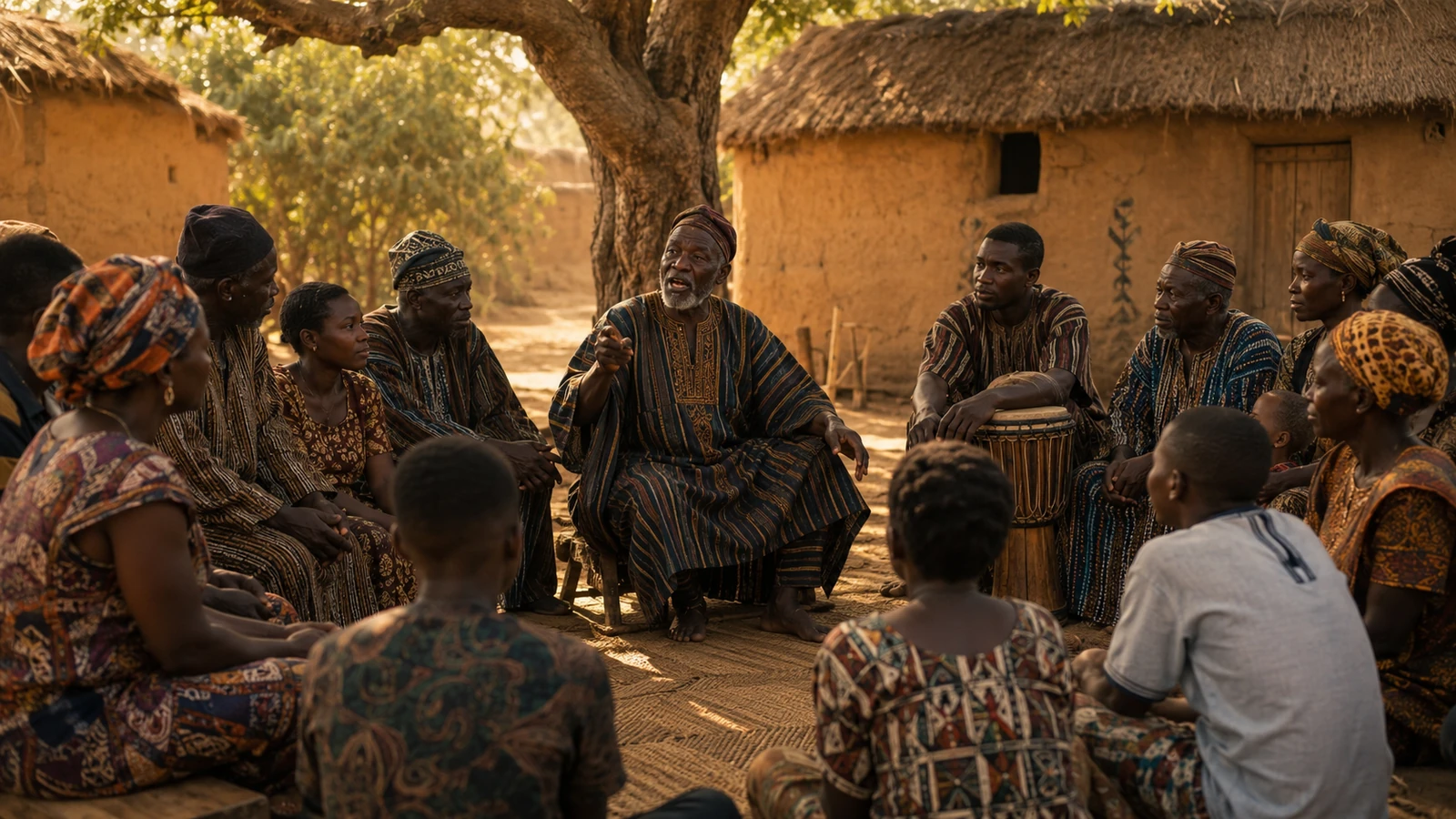

Leave a Comment
We'd love to hear your thoughts.
The article treats living traditions as present communities rather than relics of the past.
I valued the reminder that fire safety must remain important even in spiritual or historical discussions.
The historical link between early hearths and later social symbolism is explained convincingly.
The SEO structure and FAQ section make the article easy to navigate.
This is a respectful introduction for readers who might otherwise use overly broad terms such as fire worship.
The conclusion is memorable and ties together care, continuity, and cultural specificity.
I appreciate that the article encourages readers to consult recognized community custodians.
The explanation of smoke, ash, heat, and light as separate symbols was insightful.
The comparison section adds global perspective while keeping African examples at the center.
I learned that a sacred flame can be permanent, seasonal, domestic, royal, or ceremonial.
The article makes an important distinction between public heritage and restricted ritual knowledge.
The phrase “a visible center of belonging” captures the social meaning of the hearth very well.
The treatment of incense in ancient Egypt was concise and historically careful.
The related-articles section creates a strong topic cluster for readers.
The introduction gives a direct answer and then develops the history in a logical order.
The discussion of custodianship helped me understand why maintaining a sacred fire can be a community duty.
I appreciate that the article does not promise supernatural results or encourage imitation of closed ceremonies.
The section on transformation explains clearly why flame became such a powerful spiritual image.
The article shows that similar symbols do not mean cultures share the same ritual system.
This would be a useful resource for students studying symbols in religion and society.
The writing is balanced between history, spirituality, and cultural respect.
I liked the explanation that ritual rules teach patience, accountability, and continuity.
The FAQ answer about Zoroastrianism corrects a common misunderstanding in a respectful way.
The section about ancestors and family memory connects naturally with everyday experiences around a hearth.
The article presents fire as a social institution, not only a symbol, which makes the history more complete.
The ancient Egyptian section was appropriately specific and did not turn Egypt into proof of one universal African religion.
I appreciated the safety and ethics section at the end.
This article shows why naming the exact people and place is essential when discussing African spirituality.
The glossary will be useful for readers who are new to religious-history terminology.
I found the San fire-circle section especially meaningful because it linked story, healing, and ecological knowledge.
The distinction between a domestic hearth and a sacred flame was explained very well.
The article avoids sensational language and still makes the history engaging.
This is a strong educational explanation of why fire can represent both danger and protection.
The comparison with Zoroastrianism, Hindu traditions, and Rome added context without suggesting they are identical.
I valued the point that traditions can adapt without outsiders deciding which version is authentic.
The section on urbanization shows why preserving a tradition requires more than photographing it.
The article is detailed but still careful about cultural boundaries.
The internal links make this a helpful starting point for learning more about ancestors and oral tradition.
The key takeaway about tending flame as a symbol of tending life is beautifully expressed.
I liked how the article connected fire with memory, teaching, and community instead of focusing only on dramatic ceremonies.
The difference between revering fire and worshipping fire was especially useful.
The Okuruuo discussion was respectful because it explained the tradition without pretending to reveal private ritual details.
The section on hearths and early human community life gives the history a strong and understandable starting point.
I appreciated the warning against treating every African tradition as one system. That distinction is often missing online.
The explanation that sacredness comes from responsibility around the flame, not just the flame itself, made the topic much clearer.