
Why Sacred Objects Matter
Cornerstone Content
Quick Summary
Sacred objects matter because they connect physical materials with living relationships: prayer, ancestry, memory, identity, authority, healing, community continuity, and responsibility. Their importance cannot be understood through appearance or market value alone.
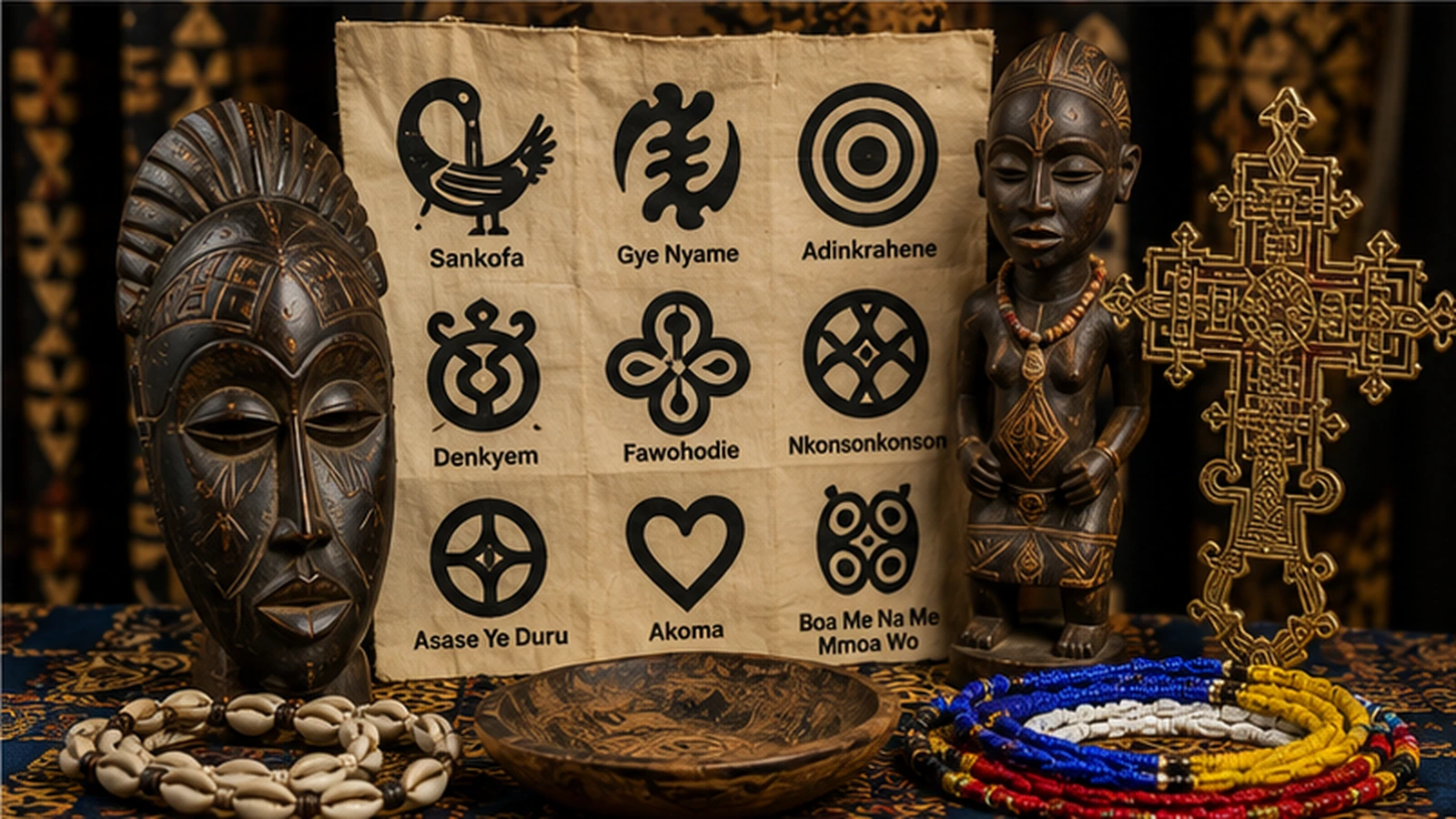
Sacred objects matter because people do not experience them merely as wood, metal, stone, cloth, paper, shell, or paint. They may be understood as vessels of prayer, signs of divine presence, links to ancestors, records of community history, instruments of ritual, or responsibilities held on behalf of future generations.
An object becomes sacred through relationship. Its importance may depend on who made it, who authorized it, who touched or cared for it, what words were spoken over it, where it was placed, how it was used, and which community continues to recognize its meaning.
UNESCO heritage guidance describes tangible objects as evidence of underlying values and emphasizes the close relationship between material heritage and living cultural practice. A sacred object therefore cannot be understood fully by studying its material alone.
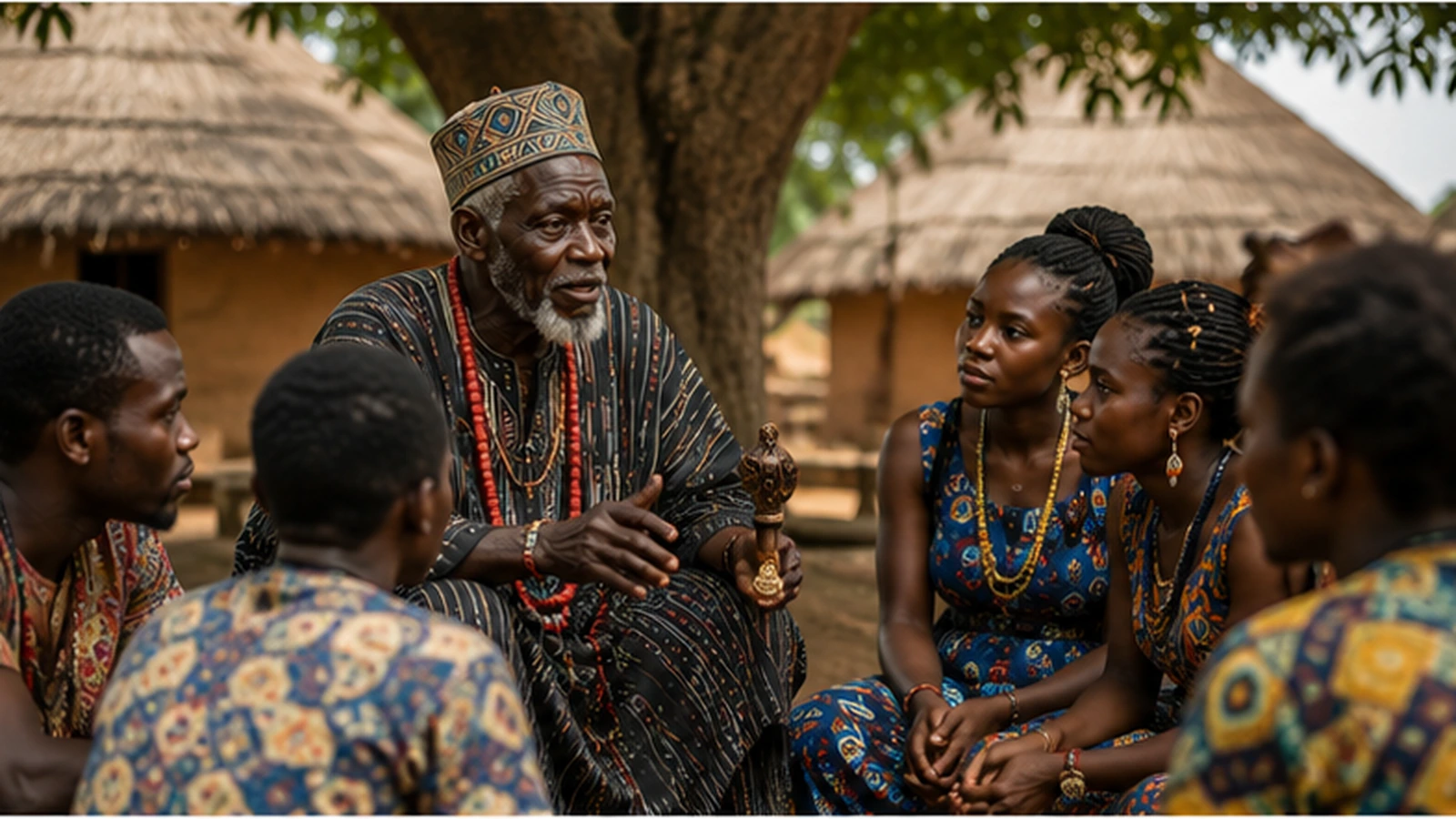
Some sacred objects are public and designed to be seen. Others are restricted to initiated members, religious leaders, particular families, genders, age groups, or ceremonial occasions. Respectful education begins by recognizing these differences.
Historical and museum evidence demonstrates that communities have treated objects as sacred, protective, ancestral, devotional, or ritually necessary. That evidence establishes cultural meaning, but it does not scientifically prove that an object guarantees supernatural healing, protection, wealth, or success.
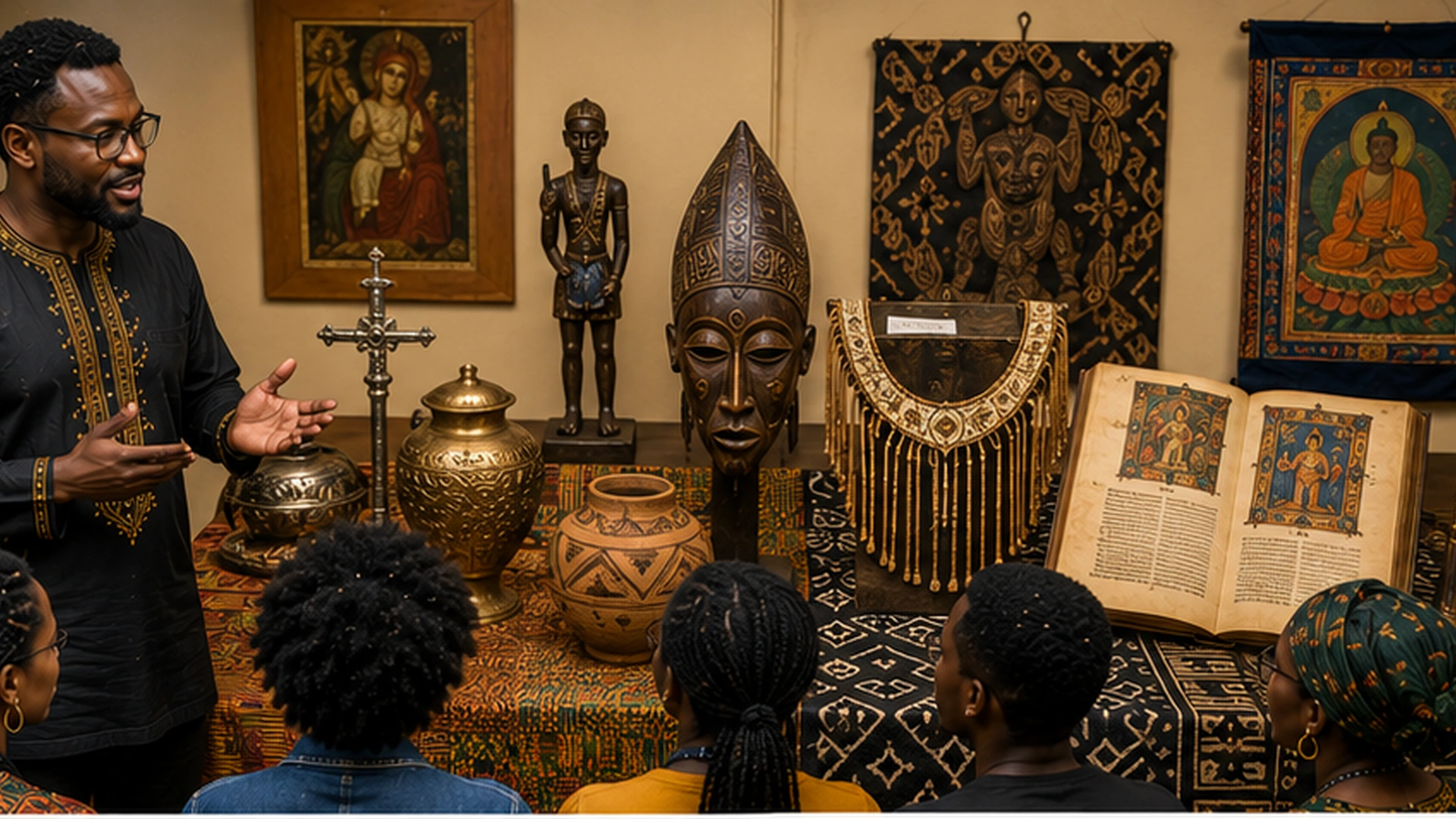
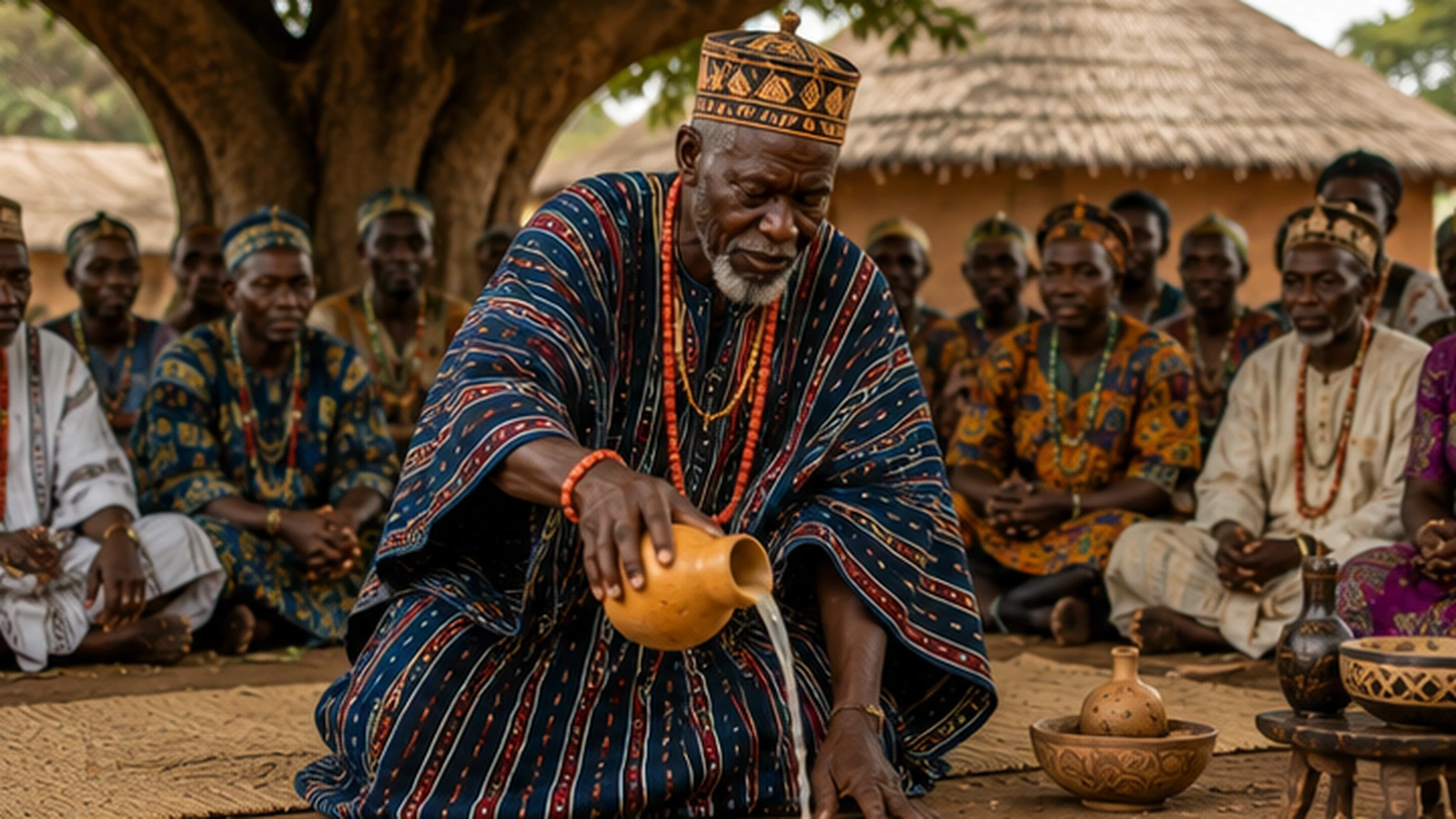
Suggested scene: Black African museum educator introducing culturally separated sacred objects while explaining faith, ancestry, memory, identity, and community responsibility.
Key Points
Sacred objects matter because they connect material form with living relationships.
An object's sacredness may come from ritual use, prayer, ancestry, consecration, inherited authority, or community recognition.
Sacred objects can preserve memory, identity, language, law, history, and spiritual responsibility.
Some objects are public; others are restricted or should not be photographed, touched, opened, or displayed.
Museums should work with source communities when interpreting, conserving, displaying, or returning sacred objects.
Colonial seizure, military looting, missionary collecting, excavation, and unequal trade shaped many museum collections.
Repatriation can restore religious practice, community relationships, dignity, and intergenerational knowledge.
A replica or digital image may support education, but it does not necessarily replace the original object's relationships and authority.
Sacred objects may provide devotion, reassurance, memory, and belonging without having scientifically proven supernatural power.
What Makes an Object Sacred?
Factor
Why it matters
Religious or spiritual use
The object may be used in prayer, worship, healing, initiation, burial, pilgrimage, or seasonal ceremony.
Consecration or activation
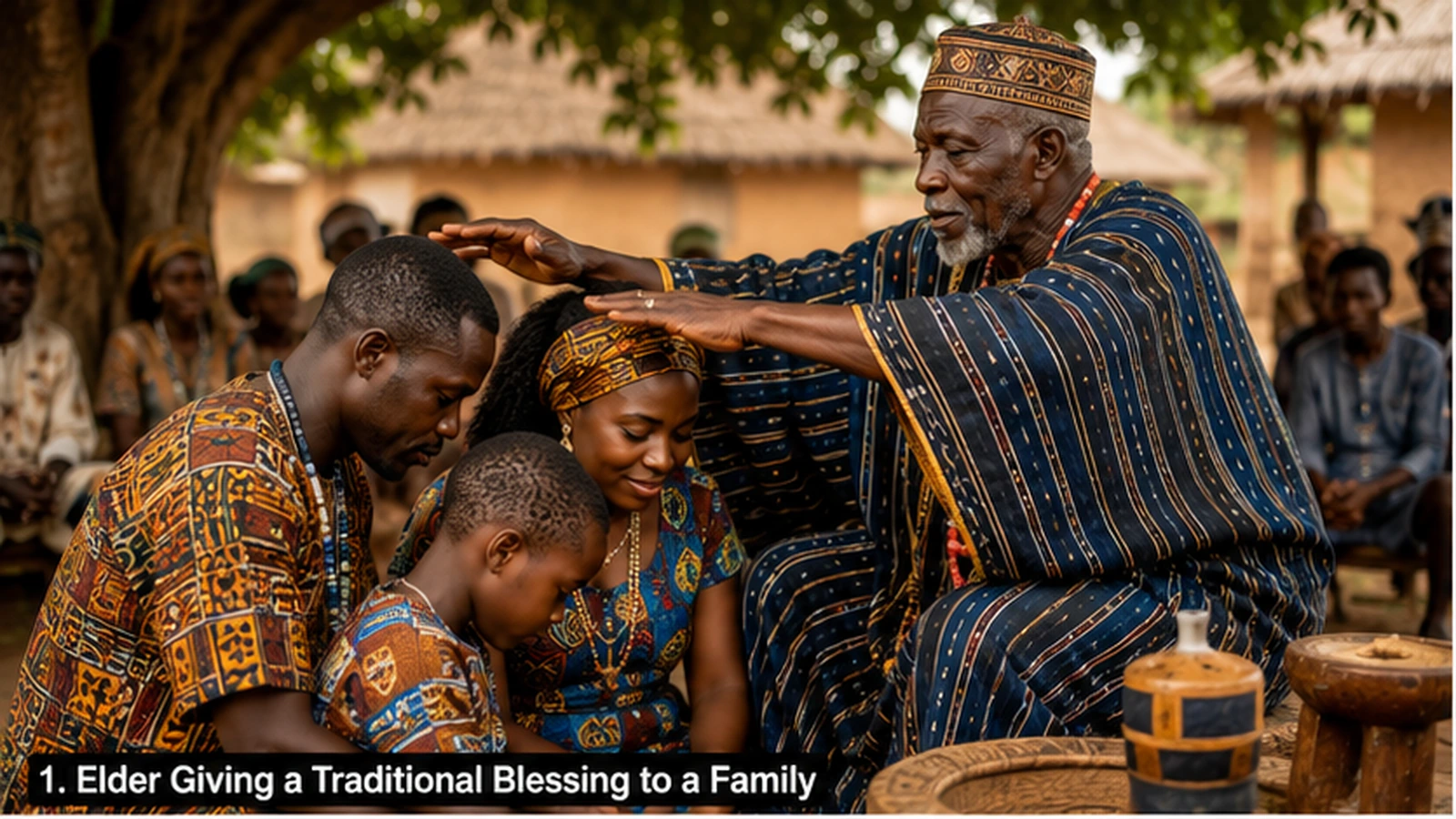
A community may dedicate, bless, name, feed, dress, awaken, or otherwise prepare an object for sacred use.
Ancestral relationship
The object may connect descendants with named ancestors, founders, clans, or historical events.
Community authority
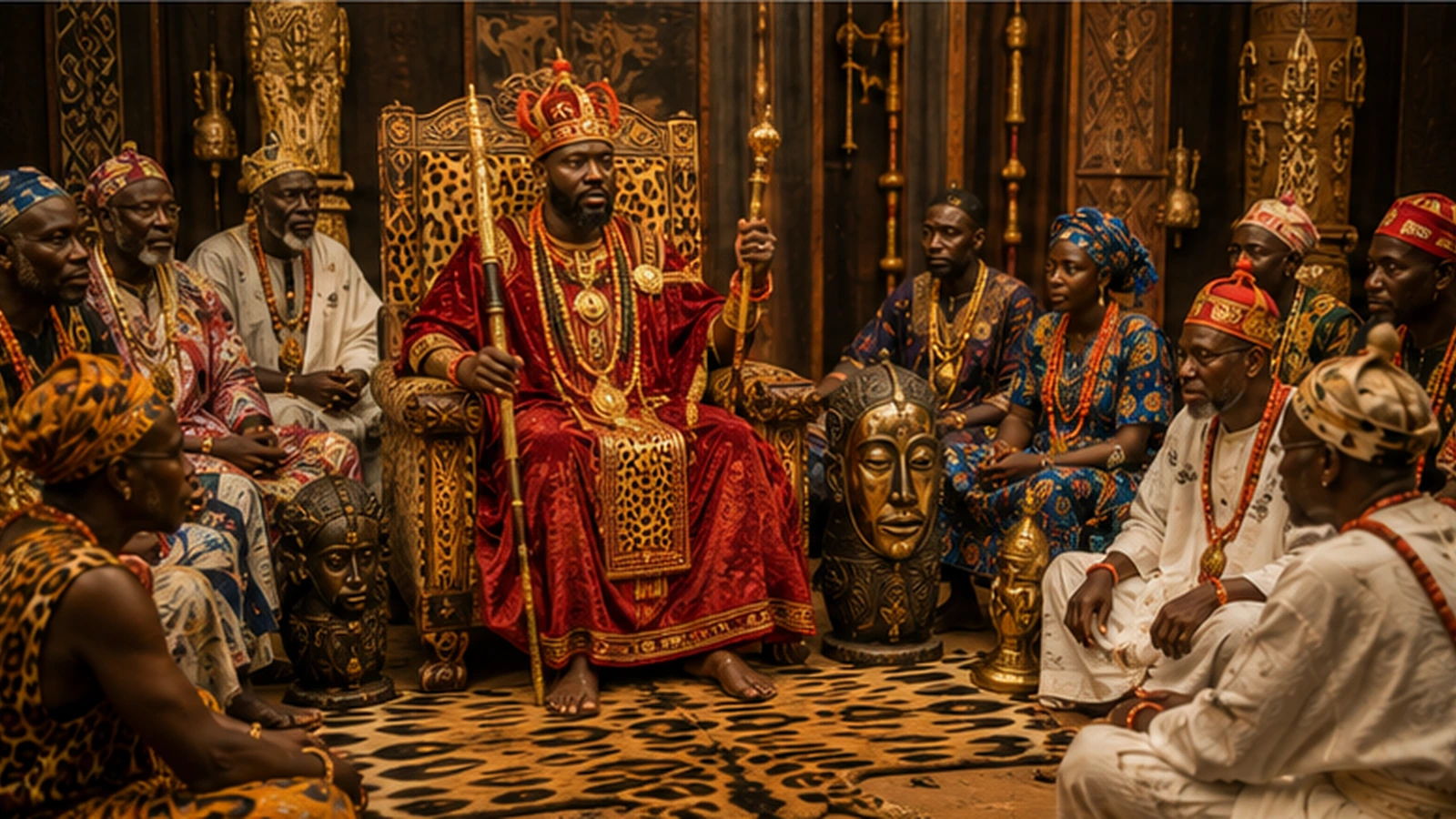
Sacred status may depend on recognition by elders, priests, healers, lineages, custodians, or religious institutions.
Placement
A shrine, altar, grave, church, mosque, temple, household, forest, river, or ceremonial ground can shape meaning.
Restricted knowledge
Some meanings, names, contents, songs, or procedures may not be public.
Ongoing care
Cleaning, feeding, dressing, repairing, carrying, singing, praying, or renewing may sustain the relationship.
History and provenance
The object's ownership, removal, sale, theft, excavation, and return affect its present meaning.
1. Sacred Objects Connect the Visible and Invisible
Many communities use physical objects to relate to realities that cannot be touched directly: deities, saints, ancestors, spirits, moral law, cosmic order, memory, or divine presence.
The object may function as:
A focus for prayer
A sign of covenant or devotion
A vessel for offerings
A representation of a deity or saint
A link with ancestors
A marker of sacred space
An instrument used during ritual
A reminder of moral responsibility
This does not mean that every worshipper believes the physical material itself is a god. Theological interpretations vary. An image may embody presence, invite attention, represent a sacred being, or support devotion without being understood identically across traditions.
2. Sacred Objects Preserve Memory
Sacred objects can preserve memory more powerfully than written records alone.
They may remember:
Ancestors and founders
Migration and displacement
Covenants and vows
Wars and survival
Births, marriages, and deaths
Miracles or revelations
Community leadership
Periods of persecution or resistance
A staff, cloth, vessel, ring, mask, cross, manuscript, shrine figure, or family amulet may hold stories passed orally from one generation to the next.
When such an object is removed without documentation, the community may lose not only property but also a framework for teaching history.
Frequently Asked Questions
What should readers know first about african spirituality and cultural history?
African spirituality and cultural history: Read clear guidance, key signs, practical steps, and private support from Ancestral Temple.
What causes why-sacred-objects-matter?
The safest next step is to compare the signs, prepare clear details, and request private guidance when the matter feels personal.
How does why-sacred-objects-matter work?
The safest next step is to compare the signs, prepare clear details, and request private guidance when the matter feels personal.
Is it possible to get private guidance for why-sacred-objects-matter?
The safest next step is to compare the signs, prepare clear details, and request private guidance when the matter feels personal.
How long does why-sacred-objects-matter take to understand?
The safest next step is to compare the signs, prepare clear details, and request private guidance when the matter feels personal.
Can why-sacred-objects-matter affect relationships, family, work, or personal peace?
The safest next step is to compare the signs, prepare clear details, and request private guidance when the matter feels personal.
Why do people seek spiritual guidance for why-sacred-objects-matter?
The safest next step is to compare the signs, prepare clear details, and request private guidance when the matter feels personal.
What signs should someone notice before asking about why-sacred-objects-matter?
The safest next step is to compare the signs, prepare clear details, and request private guidance when the matter feels personal.
When should someone contact a private spiritual guide?
The safest next step is to compare the signs, prepare clear details, and request private guidance when the matter feels personal.
What causes african spirituality and cultural history?
African spirituality and cultural history: Read clear guidance, key signs, practical steps, and private support from Ancestral Temple. The safest next step is to compare the signs, prepare clear details, and request private guidance when the matter feels perso
Article Information
- Publisher
- Ancestral Temple
- Editor
- Ancestral Temple
- Last updated
- Jul 26, 2026
- Last reviewed
- Jul 13, 2026
- Content version
- e906e6d6c1
This educational article should be read as cultural and spiritual information, not as medical, legal, financial, or emergency advice.
Helpful Related Guidance
Explore This Topic
Libation Ceremonies In African Communities · Spiritual Knowledge
Related Topic Cluster
African Spirituality And Cultural History
Complete Guide Why Homes Have Been Blessed Throughout HistoryAbout the Author
 Ancestral Temple
Spiritual guide and practitioner with decades of experience in ancestral wisdom, rituals, and divine guidance.
Related Posts
View All

Leave a Comment
We'd love to hear your thoughts.
I appreciated the distinction between an artwork and a living sacred object.
The article clearly explained that sacredness comes from relationships and use.