
What Does a Shrine Look Like? Types, Objects and Sacred Features
Quick Summary
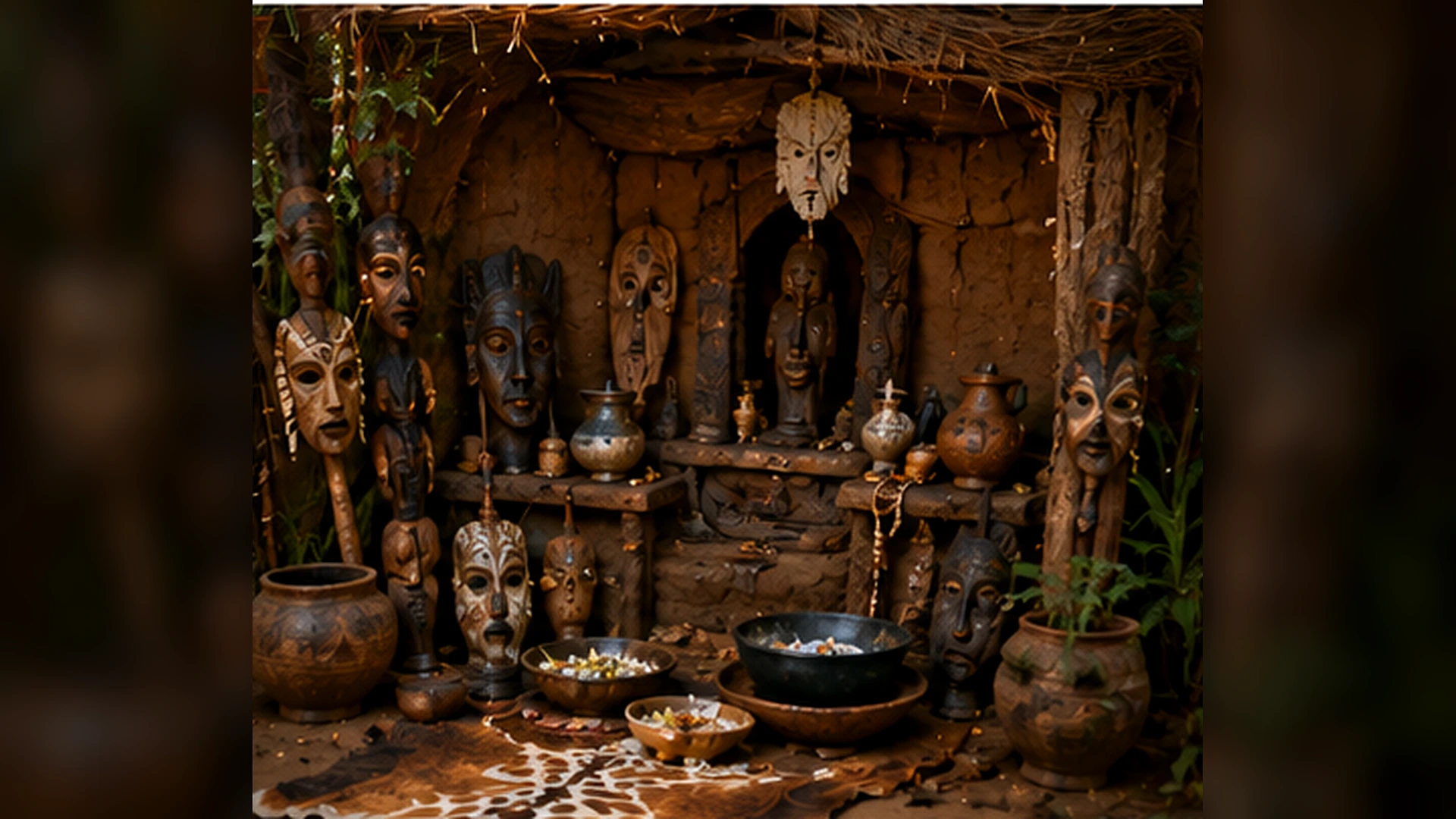
A shrine can be a shelf in a family home, a small cabinet containing a sacred image, a roadside structure beside a tree, a chapel visited by pilgrims, a tomb complex, a royal buria...
A shrine can be a shelf in a family home, a small cabinet containing a sacred image, a roadside structure beside a tree, a chapel visited by pilgrims, a tomb complex, a royal burial site, or an entire courtyard organized for ritual. There is no single universal shrine design. What makes these places recognizable is not one material or symbol, but the way a community marks a dedicated focus for devotion, remembrance, offerings, prayer or encounter with the sacred.
Many shrines contain an image, relic, memorial object, text or natural feature that receives special attention. Around that focus may be lamps, candles, flowers, water, incense, food, textiles, bells, prayer implements, votive gifts or protective boundaries. Some shrines are richly decorated; others are intentionally plain. Some are open to every visitor; others belong to a household, lineage, temple or initiated community and may not be photographed or entered freely.
The word “shrine” is also used differently across traditions. In Hindu and Buddhist settings it may describe a domestic altar-space or a small architectural enclosure for a sacred image. In Shinto, a shrine can be a whole sacred precinct marked by a torii gate. In Catholic canon law, a shrine is a church or other sacred place approved as a destination for pilgrimage. In particular African traditions, a shrine may center ancestors, personal destiny, royal history or a specific spiritual power, but the form must be identified by community rather than treated as a generic “African shrine.” [1][3][7][9][11]
This guide explains what shrines commonly look like, the main types, the objects and architectural features that may appear, and the cultural cautions needed when studying or creating a sacred space.
Quick Answer
A shrine usually looks like a deliberately set-apart sacred focus. It may contain an image, relic, memorial, scripture or natural object, with offerings, light, water, textiles or prayer tools arranged around it. Its size ranges from a small shelf to a large pilgrimage complex. The exact appearance depends on the religion, community and purpose.
What Is a Shrine?
A shrine is a place or structure set apart because a person or community understands it as a point of sacred presence, remembrance, protection, offering or pilgrimage. It can be permanent or portable, public or private, architectural or object-centered. A shrine may house a sacred image, but it can also focus on a tomb, relic, scripture, tree, spring, mountain, ancestral object or historical event.
The physical object is only part of the meaning. A shelf becomes a shrine because people dedicate it, approach it in a particular way, maintain it, pray or offer there, and recognize boundaries around its use. A richly carved cabinet sold as home décor is not automatically a functioning shrine. Conversely, a plain stone, photograph or bowl may be part of a shrine when its community gives it sacred significance.
Shrines often make a relationship visible. The relationship may be between devotee and deity, living family and ancestors, pilgrim and saint, ruler and royal predecessors, community and sacred landscape, or practitioner and teacher. This is why a shrine usually shows evidence of attention: fresh offerings, cleaned surfaces, replaced water, lit lamps, seasonal decoration, repaired architecture, worn prayer paths or accumulated votive gifts.
Shrine, Altar, Temple and Memorial: What Is the Difference?
| Term | Basic meaning | Typical scale | Main focus | Important caution |
|---|---|---|---|---|
| Shrine | Dedicated sacred place or focus | Shelf to large complex | Presence, memory, devotion or pilgrimage | Meaning depends on the tradition and community |
| Altar | Surface or structure where offerings or rites occur | Usually a table, platform or fixed structure | Ritual action and offerings | An altar can be inside a shrine, but the words are not always interchangeable |
| Temple/church/mosque | Building or complex for organized worship | Architectural | Congregation, liturgy, teaching and sacred functions | A shrine may exist inside or beside a larger worship building |
| Memorial | Place or object that commemorates a person or event | Object to landscape | Memory and public remembrance | A memorial is not necessarily religious or ritually active |
A shrine and an altar frequently overlap. A Hindu household shrine may include an altar shelf where lamps and food are offered. A Buddhist shrine may contain an altar table covered with a textile and holding offering bowls. A Catholic shrine may be an entire pilgrimage church with several altars. The most accurate word depends on scale, function and the vocabulary used by the community itself.
What Features Make a Shrine Look Sacred?
Across very different traditions, several design principles appear repeatedly. They are not a checklist, but they help explain why a shrine looks different from an ordinary display.
A defined focus. The eye is directed toward an image, tomb, relic, text, memorial, sacred object or natural feature.
A boundary or threshold. A gate, curtain, cabinet door, railing, raised platform, courtyard, change of flooring or rule about shoes can mark the transition into sacred space.
A way of approaching. Paths, steps, clockwise movement, bowing points, washing places or kneeling areas organize how visitors move.
Elevation and framing. Sacred objects are often lifted, placed in a niche, framed by architecture, sheltered by a canopy or protected inside a cabinet.
Signs of care. Fresh flowers, clean vessels, folded textiles, replaced water, polished lamps and repaired surfaces show continuing responsibility.
Sensory signals. Light, bells, chanting, incense, flowers, food, water and touch may shape the encounter.
Controlled access. Some areas are open, while inner sanctuaries, tomb chambers, ritual objects or private family shrines may be restricted.
Main Types of Shrines
1. Household or Domestic Shrines
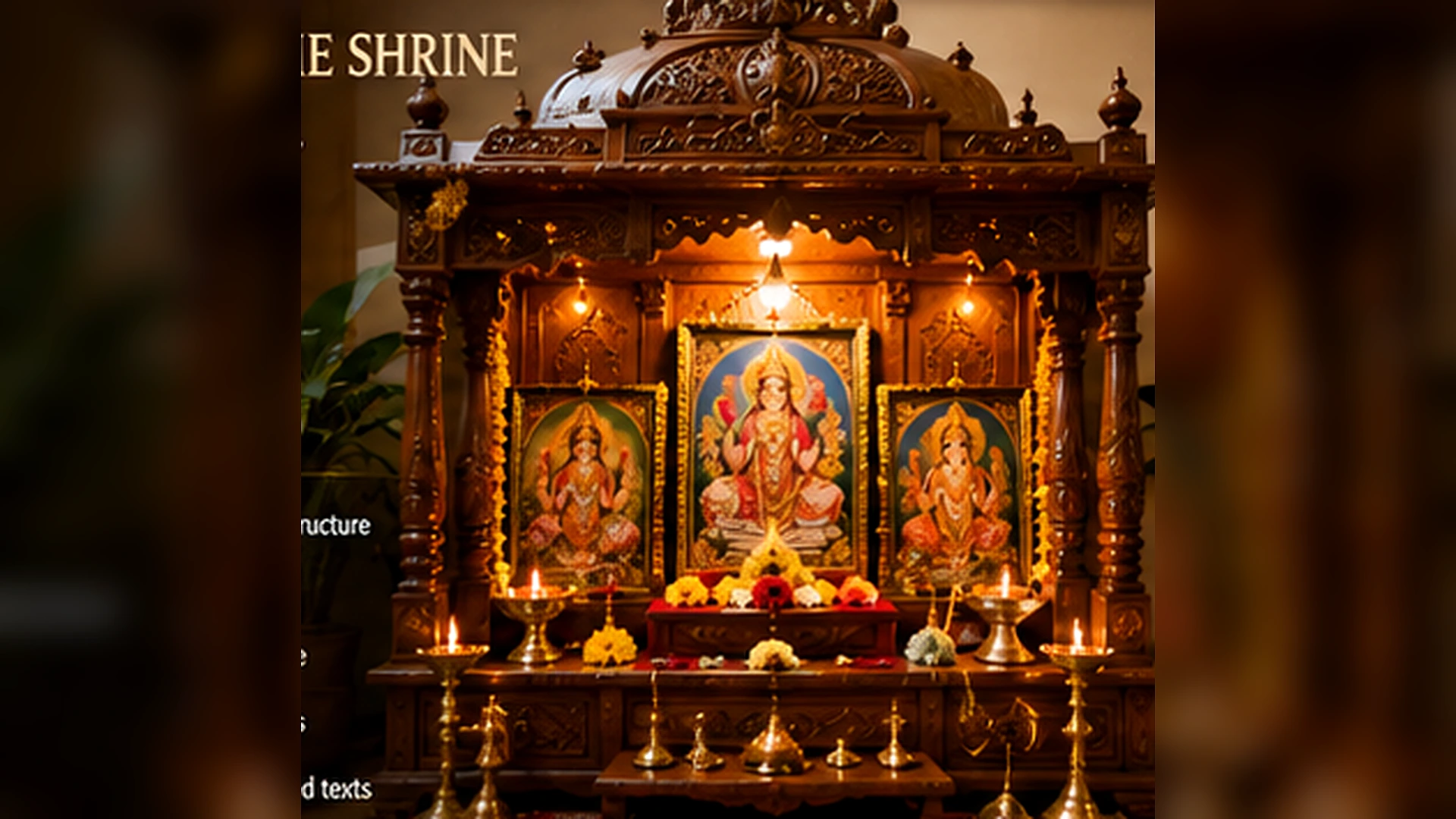
A household shrine may be a dedicated room, a cabinet, a wall niche, a shelf or a small group of sacred images. The Smithsonian’s documentation of Hindu home worship emphasizes that size and decoration are not decisive: a shrine can occupy an entire room or consist of a few devotional prints on a wall. Common puja objects include flowers, fruit, food, incense, lamps and vessels used to honor the deity. [1][2]
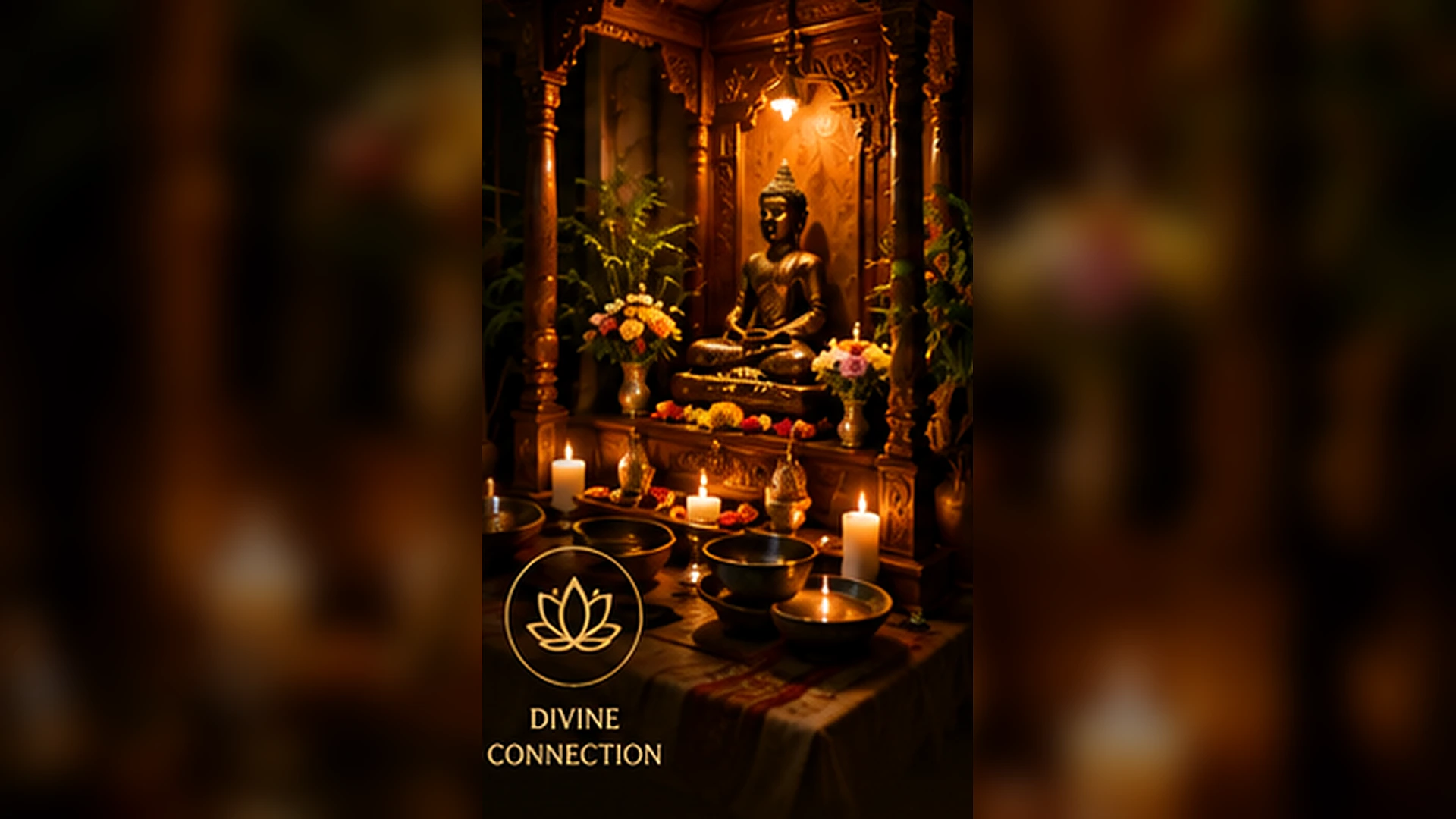
Tibetan Buddhist households may maintain a shrine ranging from a simple altar to a private temple room. Documented examples include images of buddhas, bodhisattvas, teachers and protectors, along with water bowls, butter lamps, incense, texts and ritual implements. The arrangement depends on lineage and household practice, not on a universal “Buddhist aesthetic.” [4]
Historical Roman homes also contained lararia, domestic shrines dedicated to household gods. Their forms ranged from cabinets and wall niches to miniature architectural chapels. Small figures of the Lares, offering dishes and family images could appear there. [12]
2. Shrine Rooms and Inner Sanctuaries
A shrine can be the central sacred chamber inside a larger temple. In a Hindu temple, the innermost sanctuary contains the principal image or symbol of the deity, while lamps, bells, water vessels and offering implements support puja. The character of the shrine follows the deity and local temple tradition. [2] In Buddhist monasteries, a shrine hall may center a Buddha image, stupa, relic container, teacher image or mandala, with altar cloths, lamps and offering vessels. [5][6]
3. Outdoor, Roadside and Natural-Place Shrines
Outdoor shrines may be built beside roads, springs, trees, rocks, mountains, crossroads or places associated with an apparition, ancestor, accident or local protector. They can be roofed niches, small houses, stone markers, fenced trees, sculpted figures or simple collections of offerings. Exposure to weather often changes their appearance: metal roofs, protective glass, drainage, repainting and replacement flowers become part of maintenance.
A natural feature may be the sacred focus rather than a statue. The enclosure, path, offerings and visitor behavior indicate that the place is treated as a shrine. Researchers should not remove objects, touch tied cloths or assume that an apparently abandoned site is no longer active.
4. Pilgrimage Shrines
A pilgrimage shrine is a destination approached for a particular religious reason. Catholic canon law defines a shrine as a church or other sacred place to which many faithful make pilgrimage for a special reason of piety with ecclesiastical approval. Such shrines may include chapels, confession areas, processional paths, votive-candle spaces, relics, images, water sources, accommodation and facilities for large gatherings. [7][15]
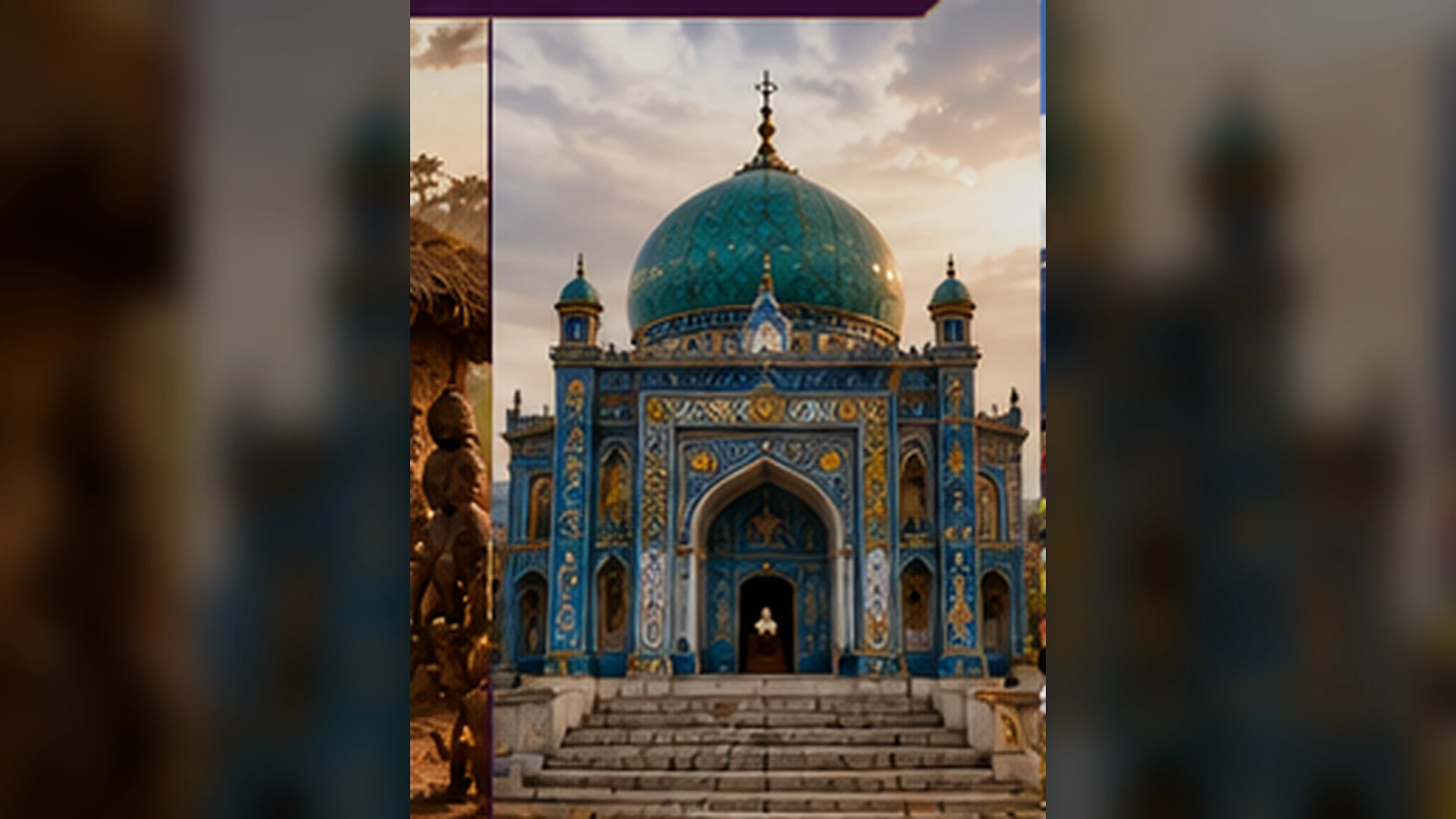
In Sufi traditions, shrine complexes can center the tomb of a revered teacher. UNESCO’s description of the Sheikh Safi al-Din ensemble in Ardabil shows how a shrine may include a mausoleum, mosque, school, library, courtyards and a carefully sequenced route. This is one specific Islamic and Sufi context; Muslim views on visiting and venerating tombs vary widely. [8]
5. Tomb, Reliquary and Memorial Shrines
Some shrines form around human remains, relics, burial places or objects associated with a revered person. The sacred center may be a tomb chest, reliquary, stupa, memorial tablet or enclosed chamber. Buddhist stupas historically developed as reliquary monuments and could also appear as small metal forms that evoke the Buddha and his teachings. [5] A tomb shrine may be surrounded by inscriptions, textiles, lamps, flowers, railings or a circumambulatory route.
6. Ancestral, Family and Royal Shrines
Ancestral shrines do not share one global appearance. They can center portraits, stools, memorial sculptures, containers, names, regalia, graves, lineage objects or architecture tied to a family’s history. The responsible description names the community and purpose.
Among Yoruba communities in the Oyo region, Smithsonian research describes a personal shrine known as the “house of the head,” containing an ibori and associated with the spiritual importance of the head. The object may take a leather-and-cowrie container form rather than looking like a table covered with candles. [9] In Ouidah and other Fon contexts, asen are iron memorial altars whose imagery can refer to a particular ancestor’s occupation, beliefs and family heritage. [10]
The Kasubi Tombs in Kampala form a royal sacred landscape rather than a small object arrangement. UNESCO describes a sequence from the site boundary and gatehouse through a main courtyard to the large thatched building housing the tombs of four Buganda kings. The spatial journey, royal history and continuing ritual use are central to the shrine’s meaning. [11]
7. Portable and Traveling Shrines
A portable shrine protects a sacred image or object while allowing devotion away from a permanent sanctuary. It may be a folding panel, locket, box, cabinet or miniature architectural enclosure. Japanese Buddhist zushi, for example, are portable shrines that can contain small devotional sculptures behind closing doors. [13] Portability does not make the object casual; opening, placement and handling may follow specific rules.
What Objects Are Commonly Found in a Shrine?
There is no universal set of shrine objects. The same item can also mean different things in different traditions. A lamp may represent divine presence, offer light, mark remembrance or simply make ritual activity possible. The following categories describe common functions rather than mandatory contents.
Sacred Images and Symbols
Images may include statues, paintings, icons, prints, masks, tablets, calligraphy, emblems, photographs or abstract symbols. Some traditions understand a consecrated image as a focus of divine presence; others treat it as a reminder, teaching aid or memorial. Some religious settings restrict figural images or avoid them entirely. The absence of a statue does not mean the place is not a shrine.
Relics, Tombs and Memorial Objects
Relics may be bodily remains, objects associated with a holy person, fragments of sacred sites or containers made to house them. Memorial shrines may hold photographs, names, clothing, regalia, personal tools or symbolic sculptures. Provenance and community recognition matter more than visual drama.
Offerings
Flowers, food, water, grains, oil, coins, cloth, incense, written prayers and other gifts may be offered. Hindu puja commonly uses flowers, fruit, food, light and water as part of a multisensory relationship with the deity. [2] Tibetan Buddhist domestic shrines may use bowls of water, lamps and incense. [4] Offerings are not decorations for visitors to rearrange or remove.
Light and Fire
Candles, oil lamps and butter lamps can represent presence, prayer, remembrance, wisdom or offering. Electric lights may substitute where open flame is unsafe. In a home shrine, fire safety, stable holders, ventilation and distance from textiles are practical responsibilities, not signs of weak faith.
Water and Purification Objects
Water may be offered, used for washing, held in bowls or associated with a sacred spring. At Shinto shrines, a temizuya provides water for rinsing hands and mouth before approaching the deity. [3] In other traditions, holy water, libation vessels or anointing liquids may appear. Visitors should not assume every container is for drinking.
Incense, Fragrance and Plants
Incense, resins, herbs, flowers and leaves can mark offering, purification, hospitality, memory or sacred atmosphere. Their use is tradition-specific and can create health, allergy and fire concerns. A shrine can remain authentic without smoke when the community chooses safer alternatives.
Textiles and Coverings
Cloths may cover altar tables, frame images, clothe statues, conceal restricted objects or mark status. The Met’s Japanese Buddhist altar cloths show that textiles can be purpose-made for the tables placed before principal icons. [6] Fabric color and pattern should not be guessed from social-media aesthetics.
Bells, Drums and Ritual Implements
Shrines may include bells, hand drums, prayer beads, staffs, offering spoons, lamps, conches, censers, handbells, vajras, fans or other implements. These are tools used within a practice, not a random collection of “spiritual objects.” Some may be handled only by authorized practitioners.
Votive Gifts and Records of Prayer
Votive objects are gifts offered in fulfillment of a vow, gratitude or petition. They may include plaques, candles, small models, crutches, photographs, textiles or written prayers. Over time, the accumulation of such objects can become one of the most visible features of a pilgrimage shrine.
How Shrine Architecture Organizes Sacred Experience
Thresholds and Gates
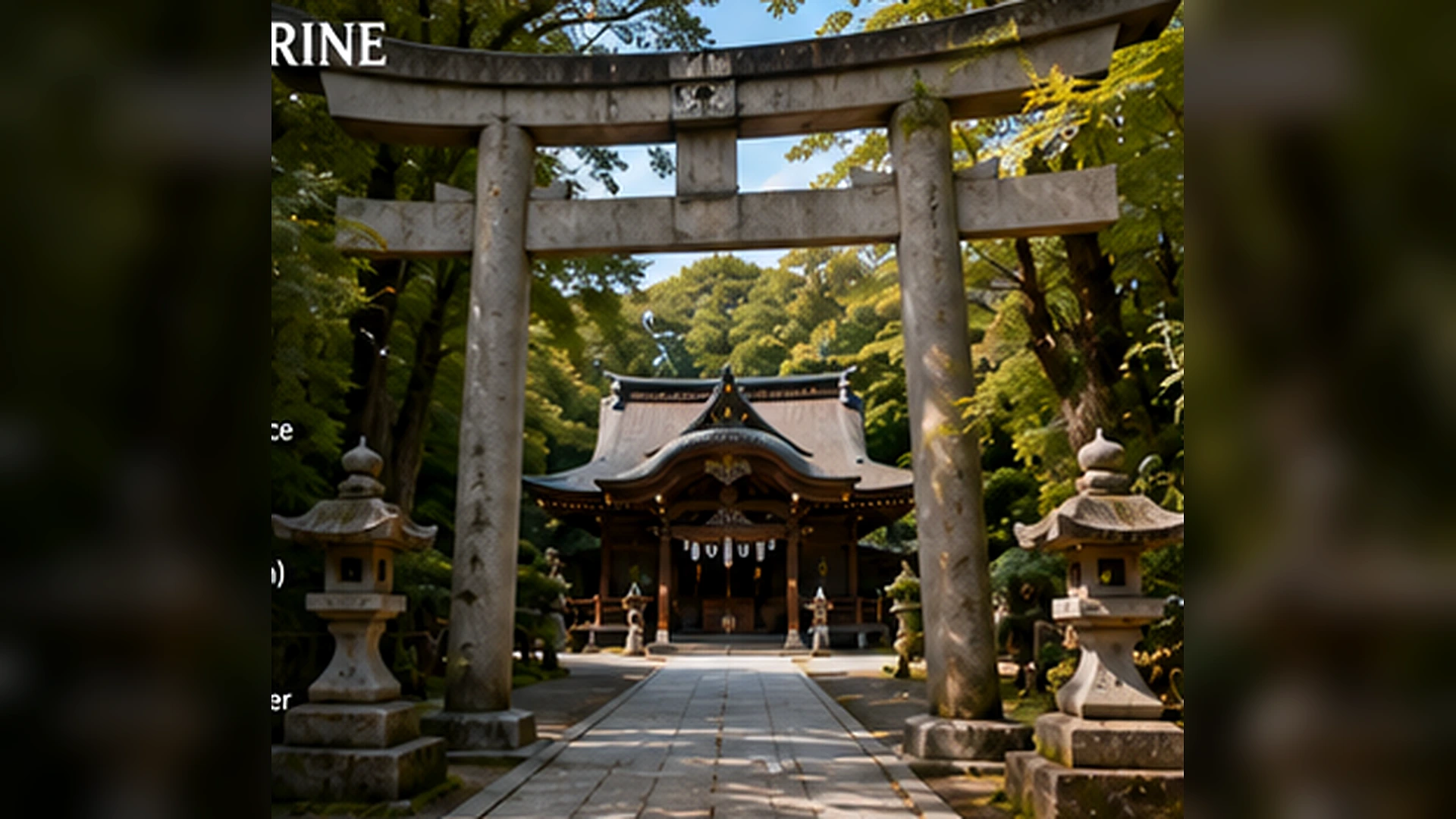
A threshold announces that ordinary behavior is changing. It may be a torii, doorway, curtain, railing, gatehouse, courtyard entrance or change in floor level. At Shinto shrines, the torii marks the boundary between sacred and secular space. [3] At Kasubi, the sequence begins at the site boundary and continues through a gatehouse and courtyard. [11]
Paths and Processional Movement
Many shrines are experienced through movement rather than one view. A path can slow visitors, prepare them, reveal the sacred focus gradually or organize circumambulation. The Sheikh Safi al-Din complex uses a sequenced route and gates to express stages of Sufi spirituality. [8] In Hindu and Buddhist contexts, clockwise movement around a sacred image or stupa may be part of devotion.
Inner and Outer Zones
A shrine may have public gathering space, an intermediate offering area and a restricted inner chamber. Screens, doors, veils, railings and distance protect the central focus. Visitors may see the shrine architecture without seeing every sacred object inside it.
Orientation, Elevation and Shelter
Shrines often face a significant direction, align with an approach or occupy elevated ground, but there is no universal orientation. A raised platform protects objects and communicates importance. Canopies, cabinets, domes, thatched roofs and miniature architectural frames shelter the focus and distinguish it visually.
Purification and Preparation
Water basins, shoe-removal areas, washing places, changing rooms or quiet forecourts can prepare visitors. Preparation may be bodily, emotional, social or liturgical. Rules should be learned from the site rather than invented from general spiritual advice.
Light, Sound, Scent and Silence
Shrine design may control darkness, daylight, echo, bells, chants, incense, flowers and silence. These sensory features are part of the sacred environment, but they should not be romanticized as proof of supernatural activity. They are material ways communities structure attention and devotion.
Examples from Specific Traditions
Hindu Household and Temple Shrines
A Hindu household shrine may be a shelf, niche, cabinet or dedicated room containing images selected by the family. During puja, a deity image may be washed, dressed, adorned and offered flowers, fruit, food, water, incense and light. A temple shrine centers the principal deity in an inner sanctuary and may include bells, lamps, vessels and space for circumambulation. The size of the shrine does not determine its religious value. [1][2]
Buddhist Shrines
Buddhist shrines vary by region and school. A shrine may center an image of the Buddha, a bodhisattva, teacher, mandala, relic or stupa. Domestic Tibetan examples can include water bowls, butter lamps and incense, while Japanese portable zushi enclose small icons behind doors. Monastic altars may use special cloths and offering vessels. [4][5][6][13]
Shinto Shrines
A Shinto shrine is often recognized as a sacred precinct rather than a room full of objects. A torii marks entry; the approach may include a purification basin, lanterns, an offering box and buildings for worship and sanctuary. The kami may be associated with a sacred object not visible to ordinary visitors. The surrounding grove and route can be as important as the architecture. [3]
Christian Shrines
Christian usage ranges from a small home prayer corner or roadside image to a canonically recognized pilgrimage church. Catholic shrines may center a mystery of faith, a recognized devotion, a saint, a relic, an apparition site or an event in sacred history. Candles, icons, statues, ex-votos, chapels, processional routes and confession spaces may appear, but architectural form varies enormously. [7][15]
African Ancestral and Community Shrines
African shrine traditions must be described by community, period and purpose. Yoruba ibori containers, Fon asen memorial altars and the royal sacred landscape of Kasubi look very different because they serve different relationships and histories. [9][10][11] A photograph of an unfamiliar object should not be labeled “an African shrine” without provenance or community knowledge.
Sufi and Islamic Shrine Contexts
In some Muslim societies, a shrine may center a prophet, saint, Sufi master or revered tomb and include a mausoleum, mosque, courtyard, inscriptions and pilgrimage facilities. Other Muslims reject or limit practices of saint veneration. The article therefore uses “Sufi shrine” or a site’s specific name instead of implying that all Islamic worship uses shrines. UNESCO’s Ardabil ensemble is an example of a highly developed Sufi shrine complex, not a universal mosque plan. [8]
Ancient Roman Household Shrines
Roman lararia demonstrate that domestic shrines are not a modern invention. They ranged from simple cabinets or niches to painted miniature temples and could contain figures of household gods, offering dishes and ancestral imagery. [12] Archaeological examples also show why ancient objects should be interpreted through context rather than copied as a generic home-spirituality style.
How to Tell Whether Something Is a Shrine or Just Decoration
Appearance alone may not provide a certain answer. A group of candles, crystals and statues can be decorative, commercial or devotional. Use context rather than assumptions.
Ask what the central object is. Is it a deity image, memorial, relic, sacred text, ancestral object or simply a decorative theme?
Look for repeated care. Fresh offerings, replaced water, cleaned surfaces, seasonal changes and worn prayer areas suggest continued use.
Observe boundaries. Curtains, doors, railings, mats, shoe rules, restricted shelves or an approach path may mark sacred status.
Consider placement. A shrine is usually intentionally located and oriented, not scattered randomly through a room.
Learn the vocabulary. The community may call the place an altar, chapel, maqam, kamidana, butsudan, zushi, lararium, shrine house or another specific term.
Do not infer from aesthetics alone. Gold color, smoke, darkness or “ancient-looking” objects do not prove authenticity.
Can You Create a Home Shrine?
A person can create a home prayer or memorial space within a tradition they genuinely practice, but responsible preparation begins with meaning rather than shopping. Ask what the space is for, who or what it honors, which objects the tradition recognizes, who can guide the setup, and what daily care is expected.
Choose a clean, stable location that can be maintained and protected from ordinary clutter.
Use images, texts and implements that belong to the practice rather than collecting unrelated sacred symbols for appearance.
Keep flames, incense, oils and water away from curtains, electronics, children and pets.
Respect dietary, purity, placement and handling rules that apply to offerings or sacred texts.
Do not display private ancestral objects, human remains, restricted medicines or culturally protected materials without authority.
Plan how offerings will be removed respectfully before they decay or attract pests.
Allow household members of different beliefs to understand the space and participate voluntarily.
A neutral reflection corner is also possible. It can contain a meaningful photograph, written values, flowers or a safe light without claiming to reproduce a religious shrine. Honest naming is more respectful than borrowing the authority of a tradition one does not practice.
Cultural and Ethical Boundaries
Shrines can contain living religious heritage, private family history and restricted ritual knowledge. Public museum records show physical objects, but they do not automatically authorize anyone to reproduce ceremonies or use sacred items. A museum display also changes context: an object that once received offerings may be preserved as art, history or evidence while remaining spiritually significant to source communities.
Do not describe Africa as one shrine tradition. Name the Yoruba, Fon, Baganda, Baga, Igbo or other community when the evidence supports that identification. Do not combine their objects into a fictional altar. The same rule applies to Buddhism, Hinduism, Christianity, Islam, Shinto and Indigenous traditions worldwide.
Ask before photographing an active shrine. Some sites restrict the inner sanctuary, funerary objects, prayers, offerings or participants. Never climb on a shrine, remove gifts, open cabinets, touch sacred images or enter restricted areas because the site appears old or unattended.
A shrine does not scientifically guarantee healing, fertility, protection, financial success or communication with the dead. Such meanings belong to faith, tradition and personal experience. Medical, legal, financial and safety decisions still require appropriate practical care.
Common Misunderstandings
“Every shrine has a statue.” Some center texts, relics, tombs, trees, stones, abstract symbols or sacred objects hidden from view.
“A shrine must be old.” Shrines can be newly established and still function within a living tradition.
“A shrine is always small.” Some are pilgrimage churches, royal burial landscapes or multi-building mausoleum complexes.
“More objects make a shrine more powerful.” Meaning comes from tradition, relationship and practice, not visual quantity.
“All home shrines can be copied from photographs.” Images do not reveal consecration, lineage, handling rules or restricted meanings.
“Shrine and altar always mean the same thing.” They may overlap, but an altar usually emphasizes ritual action while a shrine is the broader sacred focus or place.
“An abandoned-looking shrine has no owner.” Weathered or rarely visited sites may still be maintained by a family, village, temple or lineage.
Key Takeaways
A shrine is a dedicated sacred focus or place, not one universal architectural style.
It may be as small as a shelf or as large as a pilgrimage, royal or mausoleum complex.
Common visual features include a focal object, threshold, path, elevation, offerings, sensory cues and evidence of ongoing care.
A shrine may contain images, relics, texts, tombs, memorial objects, lamps, flowers, water, incense, food, bells or votive gifts—but none is mandatory everywhere.
Shrine, altar, temple and memorial overlap, yet describe different aspects of sacred space.
Cultural accuracy requires naming the tradition, community, site and purpose instead of mixing unrelated symbols.
Visitors should respect access rules, photography restrictions, offerings and sacred objects.
People Also Ask
What is a shrine?
A shrine is a dedicated sacred place or focus associated with a deity, ancestor, saint, relic, tomb, scripture, natural feature or important religious event. It can be private or public and may range from a shelf to a large complex.
What does a shrine usually look like?
It usually has a clear focal point, a boundary or frame, and signs of devotion or care such as lamps, offerings, flowers, water, textiles or a maintained approach. The exact appearance depends on the tradition.
What is found inside a shrine?
Possible contents include sacred images, relics, texts, memorial objects, offering bowls, candles, oil lamps, incense, flowers, food, water, bells, prayer tools and votive gifts. Not every shrine uses all of these.
Is a shrine the same as an altar?
Not always. An altar is usually a surface or structure where offerings and rites take place. A shrine is the broader sacred focus or place, which may contain an altar.
Is a shrine the same as a temple?
No. A temple is generally a larger building or complex for worship. A shrine may be located inside a temple, stand alone, or itself occupy a large sacred complex.
Can a shrine be in a house?
Yes. Household shrines may be rooms, cabinets, niches, shelves or portable enclosures. Their objects and arrangement should follow the household’s actual tradition.
Can a shrine be outdoors?
Yes. Shrines may stand beside roads, trees, springs, mountains, graves or sacred historical places. Architecture may be minimal when the landscape itself is the focus.
Do all shrines contain statues?
No. A shrine may center a tomb, relic, text, photograph, tablet, tree, stone, abstract symbol or concealed sacred object.
Why do shrines have candles or lamps?
Depending on the tradition, light may be an offering, a symbol of presence or wisdom, a memorial act or a practical part of ritual. Fire must be used safely.
How should visitors behave at a shrine?
Follow local instructions, dress and move respectfully, ask before photographing, do not touch or remove objects, and stay outside restricted areas.
Frequently Asked Questions
Can a shrine be empty?
A shrine may look visually empty if its sacred object is concealed, removed for a ritual, represented by the space itself or understood as a natural presence. Empty appearance does not prove lack of meaning.
Why are some shrine objects behind glass or doors?
Doors, curtains and glass can protect sacred objects, regulate viewing, mark restricted access or preserve fragile materials. Museum protection and ritual concealment are not the same, though they can look similar.
What is a home shrine called?
Names vary. Examples include household shrine, prayer corner, puja shrine, kamidana, butsudan, zushi, lararium and lineage-specific terms. Use the name recognized by the community.
What is an ancestral shrine?
It is a sacred place or object arrangement through which a family or community remembers, honors or relates to ancestors. Its appearance depends entirely on the cultural tradition and lineage.
Can photographs be placed in a shrine?
Some memorial and household traditions use photographs; others prefer icons, tablets, names or objects. Follow the relevant religious or family practice.
Should a shrine face a certain direction?
Some traditions prescribe orientation, while others do not. Do not invent a universal east-facing or north-facing rule.
Can crystals be placed in any shrine?
No. Crystals may belong to some modern personal practices, but adding them to Hindu, Buddhist, Christian, Shinto, African ancestral or Islamic shrines without context can misrepresent those traditions.
What is the safest way to use candles?
Use stable nonflammable holders, keep flames away from cloth and wood, supervise them continuously, ventilate smoke and use electric alternatives where necessary.
Can children touch shrine objects?
Rules vary by household and tradition. Some objects are educational and accessible; others are consecrated, fragile, restricted or dangerous. Adults should explain boundaries.
Can a shrine be moved?
Portable shrines are designed to move, while fixed shrines may require authorization or ritual procedures. Do not move an active community or family shrine without permission.
Is a grave automatically a shrine?
No. A grave becomes a shrine when a community treats it as a sacred focus for pilgrimage, prayer, offerings or special veneration. Many graves remain memorial or burial places without shrine status.
Can a business or shop have a shrine?
Yes, in traditions where household or workplace devotion is customary. It should be safely located, voluntary for employees and consistent with the owner’s genuine religious practice.
Are museum shrine objects still sacred?
That depends on the object, source community and history. Museum classification does not erase possible spiritual significance, and researchers should consider community perspectives and provenance.
Can tourists leave offerings?
Only when the site explicitly permits it. Unapproved offerings can create waste, fire risk, wildlife harm or cultural offense.
Conclusion
A shrine looks like a place where ordinary space has been deliberately reorganized around sacred relationship and responsibility. The visible clues may be a framed image, a protected relic, a line of water bowls, a torii gate, a royal courtyard, a tomb chamber, a memorial iron sculpture or a cabinet opened only during prayer. What joins these forms is not one aesthetic. It is dedication, approach, care and recognized meaning.
The best way to understand a shrine is to ask specific questions: Which tradition is this? Who maintains it? What is the central focus? Which objects are offerings, tools or memorials? Who may enter, touch or photograph? What history and community authority give the place meaning?
When those questions are answered, a shrine stops looking like a mysterious collection of spiritual objects. It becomes what it is: a culturally situated place where people make devotion, memory, identity and sacred presence visible.
Final Summary
A shrine may be a shelf, cabinet, room, roadside structure, tomb, natural place or monumental complex. Look for a dedicated focal point, boundaries, offerings, sensory features and evidence of ongoing care—but never assume that one tradition’s objects or design rules apply to another.
Research Sources and Further Reading
[1] Puja: Worship in Homes — Smithsonian National Museum of Asian Art. Documents the range of Hindu household shrines, from rooms and cabinets to niches and devotional prints, and describes common offerings.
[2] Puja: Where and How Hindus Worship — Smithsonian National Museum of Asian Art. Explains home, temple and outdoor shrine contexts, deity images, flowers, food, water, lamps, bells and sensory worship.
[3] Shrine and Temple Traditions — Japan National Tourism Organization. Official visitor guide explaining torii gates, sacred boundaries, purification water and shrine approach etiquette.
[4] Sacred Spaces: Domestic Shrines — Smithsonian National Museum of Asian Art. Describes Tibetan Buddhist household shrines, images, seven water bowls, butter lamps, incense and daily practice.
[5] Stupa, Tibet, mid-15th century — The Metropolitan Museum of Art. Explains the stupa as a reliquary form that evokes the Buddha and his teachings.
[6] Buddhist Altar Cloth (Uchishiki) — The Metropolitan Museum of Art. Documents purpose-made textiles used to cover tables and altars before principal Buddhist icons.
[7] Code of Canon Law, Canons 1230–1234 — The Vatican. Provides the Catholic canonical definition of a shrine as an approved sacred pilgrimage place.
[8] Sheikh Safi al-Din Khānegāh and Shrine Ensemble in Ardabil — UNESCO World Heritage Centre. Documents a Sufi shrine complex with mausoleum, mosque, school, library, gates, route and richly ornamented spaces.
[9] Shrine Figure / House of the Head — Smithsonian National Museum of African Art. Explains Yoruba ibori shrines from the Oyo region and their leather-and-cowrie container form.
[10] Asen Memorial Altars — Smithsonian National Museum of African Art. Describes Fon iron memorial altars from Ouidah and their imagery relating to a particular ancestor.
[11] Tombs of Buganda Kings at Kasubi — UNESCO World Heritage Centre. Explains the royal sacred landscape, gatehouse, courtyard and thatched tomb building as a living Baganda religious site.
[12] Lararia and Bronze Statuette of a Lar — Getty Research Institute and The Metropolitan Museum of Art. Documents Roman household shrines, their varied architectural forms and figures used in domestic devotion.
[13] Portable Shrine (Zushi) with Fudō Myōō — The Metropolitan Museum of Art. Provides an example of a portable Japanese Buddhist shrine containing a devotional sculpture.
[14] The Shrine: Memory, Presence and Prophecy of the Living God — The Vatican. Discusses Christian shrines as pilgrimage destinations and places of liturgy and devotion.
[15] Norms for the Designation of National Shrines — United States Conference of Catholic Bishops. Explains pilgrimage, liturgical functions, recognized devotion and facilities associated with Catholic shrines.
Editorial note: Shrine terminology, access rules and meanings vary within every religion and community. This article summarizes public, non-restricted information and does not reproduce private ceremonies or claim that all members of a tradition use the same design.
Article Information
- Publisher
- Ancestral Temple
- Editor
- Ancestral Temple
- Last updated
- Jul 26, 2026
- Last reviewed
- Jul 26, 2026
- Content version
- 64105efd34
This educational article should be read as cultural and spiritual information, not as medical, legal, financial, or emergency advice.
Helpful Related Guidance
Explore This Topic
Related Topic Cluster
Dreams & Symbolism
About the Author
 Ancestral Temple
Spiritual guide and practitioner with decades of experience in ancestral wisdom, rituals, and divine guidance.
Related Posts
View All










Leave a Comment
We'd love to hear your thoughts.