
Sacred Fire Meaning: Symbolism, Rituals and Traditional Ceremonies
Quick Summary
Sacred fire is a flame, hearth, lamp, bonfire or ritual fire-space that a community sets apart for religious, ancestral, ceremonial, moral or civic purposes. Its meaning does not c...
Sacred fire is a flame, hearth, lamp, bonfire or ritual fire-space that a community sets apart for religious, ancestral, ceremonial, moral or civic purposes. Its meaning does not come from heat alone. It comes from the stories, responsibilities, prayers, custodians, places and relationships organized around the flame.
Across history, sacred fires have represented continuity, divine presence, purification, offering, transformation, memory, protection, political order and community belonging. Yet there is no single universal fire ritual. Okuruuo in Namibia, the Damera bonfire of Ethiopian Meskel, a Zoroastrian temple fire, Vedic Agni, Vesta’s Roman flame and a Christian Paschal fire belong to different institutions and must be explained on their own terms.
This guide focuses on publicly documented traditions. It does not reveal restricted procedures, invent a generic “Indigenous fire ceremony,” or promise that lighting a flame will produce healing, wealth, protection or supernatural transformation.
| Field | Specification |
|---|---|
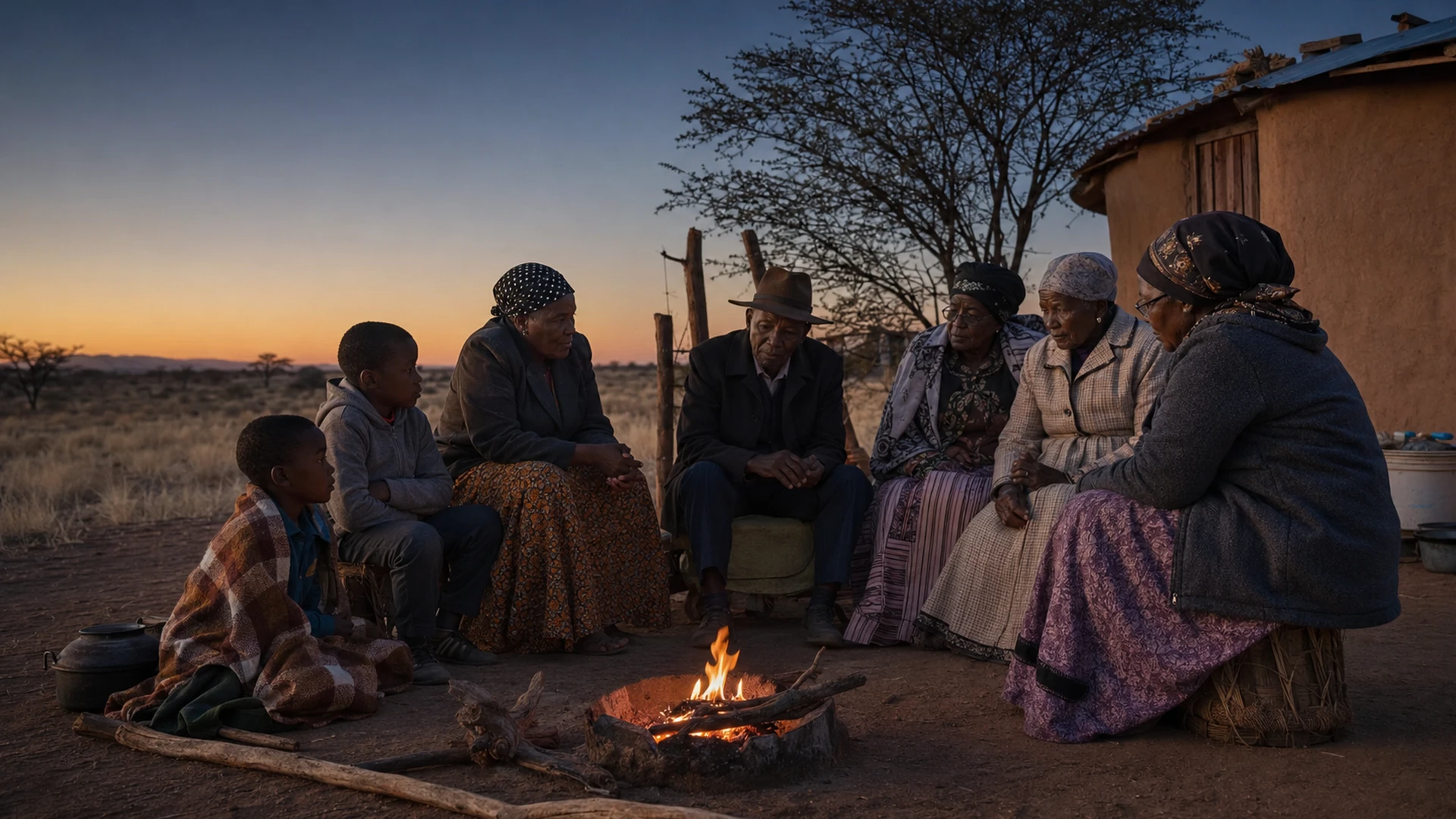
| Purpose | Featured image establishing an African living-heritage example of sacred fire. |
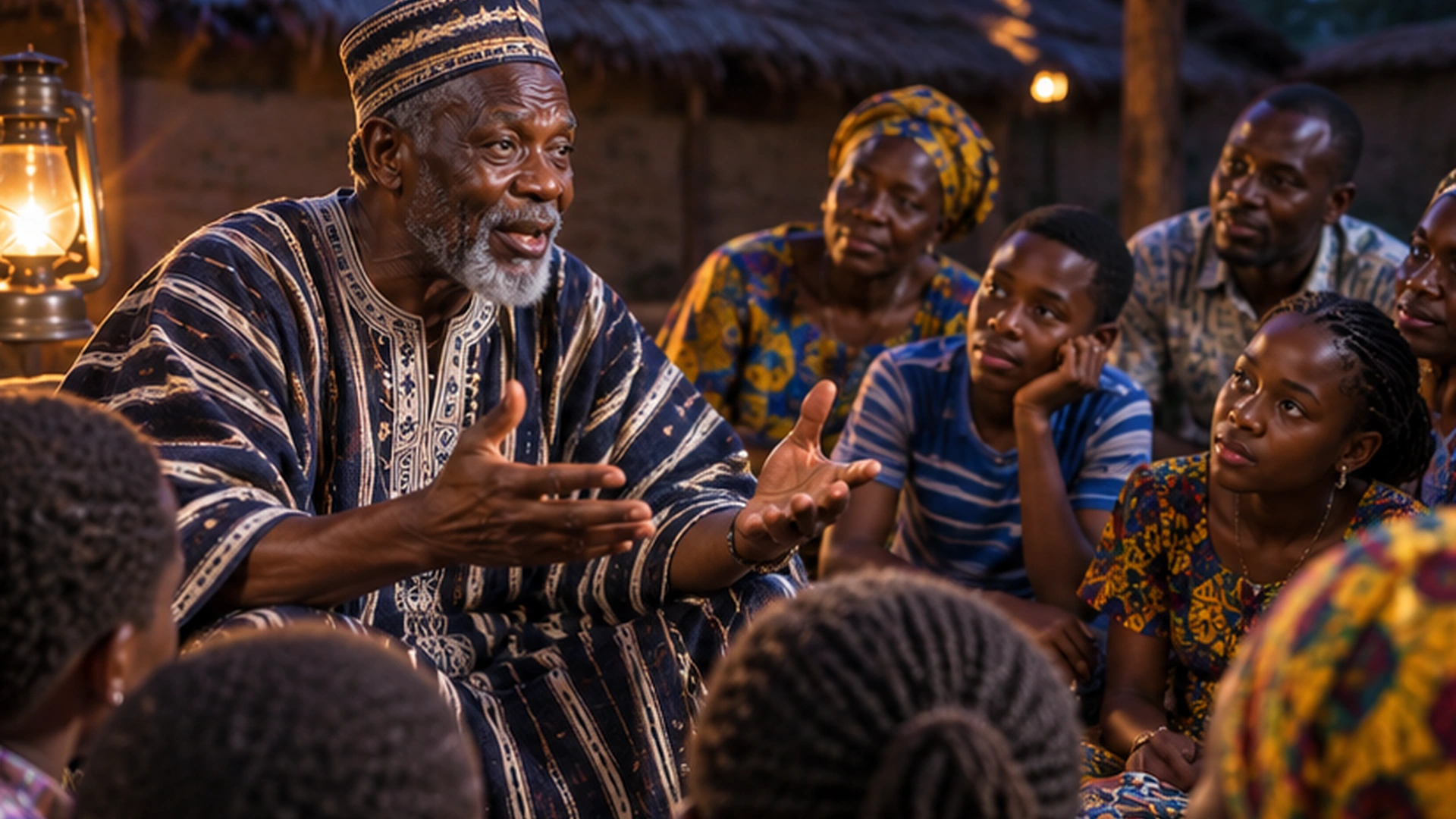
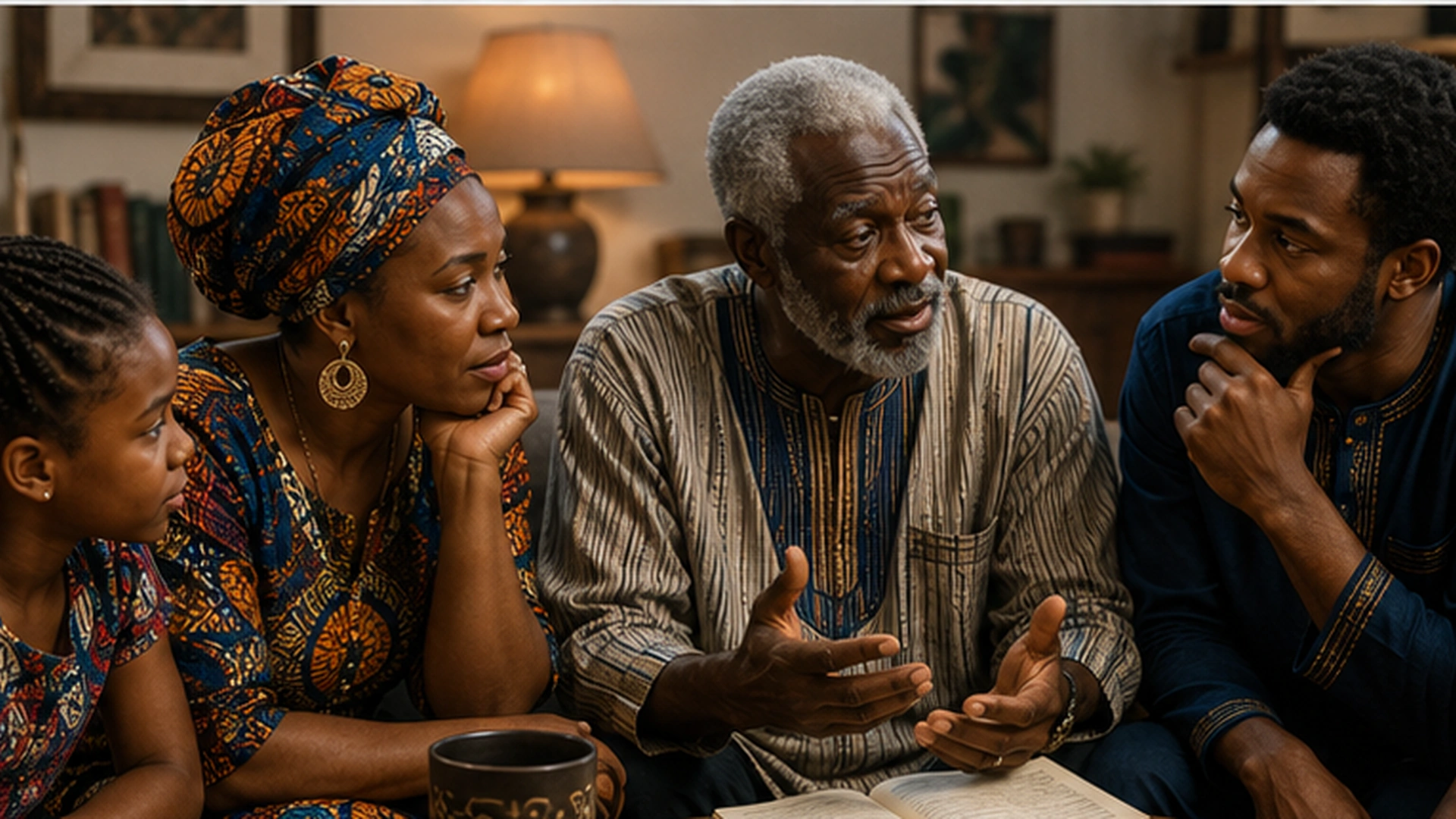
| Detailed scene | A respectful documentary-style evening scene showing an Otjiherero-speaking family and recognized elders seated at a careful distance around an Okuruuo holy fire. The flame is modest rather than theatrical; attention is on community continuity, conversation and custodianship. |
| Specific culture or historical context | Contemporary Okuruuo practice among Otjiherero-speaking communities in Namibia; public educational representation only. |
| People shown | Black Namibian adults, elders and a small number of younger family members; no anonymous “tribal” crowd. |
| Location | Rural homestead setting in Namibia, with dry grassland and a clear dusk sky. |
| Clothing | Culturally plausible contemporary Otjiherero clothing, including modest traditional garments where appropriate; avoid mixing Himba, Maasai, Zulu or West African dress. |
| Architecture | Simple Namibian homestead elements in the background; no fantasy temple. |
| Objects | Small tended fire, firewood, low seating and ordinary household objects; no invented masks, skulls, crystals or random symbols. |
| Lighting | Natural dusk with warm firelight and realistic skin tones. |
| Composition | Wide 16:9 landscape; community grouped on the right and centre, with clean negative space on the left for website cropping. |
| SEO-friendly filename | sacred-fire-meaning-rituals-traditions.webp |
| Image title | Sacred Fire Meaning Across Living Traditions |
| Alt text | Otjiherero community members gathered respectfully near an Okuruuo holy fire in Namibia at dusk |
| Caption | Okuruuo, meaning Holy Fire, is a living Namibian practice whose significance depends on community values, custodianship and transmission. |
| Recommended placement | After the introduction and before Quick Answer. |
| Article section supported | Introduction and definition. |
| Important elements to avoid | No fantasy magic, dramatic sparks, mixed African cultures, exposed restricted rites, text, logos, watermarks or stereotyped body paint. |
Quick Answer
Sacred fire usually means a flame set apart as a sign or ritual agent of divine presence, continuity, offering, purification, renewal, ancestral or communal identity. The exact meaning depends on the culture. A sacred flame may be continuously tended, kindled for a festival, used as a witness to vows, or used to transform offerings into heat, smoke and ash.
What Is Sacred Fire?
A fire becomes sacred when a recognized community treats it as more than ordinary fuel. The visible flame may be physically identical to a cooking fire, but its social role is different. Rules may determine who can kindle it, who can approach it, what fuel may be used, where it may burn, what words may be spoken and how its ash or embers are handled.
Some sacred fires are permanent or intended to remain continuously alive. Others are seasonal, domestic, royal, funerary or festival-based. A community may renew a fire at the beginning of a year, transfer embers from an older hearth, light a bonfire during a public feast, or extinguish a flame when an office, household or ritual period ends.
Sacred fire, sacred flame and holy fire
The phrases sacred fire, sacred flame and holy fire often overlap in English, but local names matter more than the English label. Okuruuo is translated as “Holy Fire” in UNESCO documentation. In Zoroastrian contexts, technical terms distinguish grades of consecrated fire and the buildings that house them. In Christian liturgy, the “new fire” of the Easter Vigil lights the Paschal candle. These are not interchangeable practices.
Why Fire Became a Powerful Sacred Symbol
Fire changes the world visibly and quickly. It turns darkness into a circle of light, raw food into cooked food, wood into heat and ash, and fragrant material into smoke. Because flame can create, preserve, reveal and destroy, it offers a powerful language for speaking about life, danger, moral order and change.
Fire also demands attention. A flame can weaken, spread or disappear. This need for care makes it an effective symbol of relationships that continue only through discipline: a household, a lineage, a priestly office, a covenant, a community memory or a political order.
The Main Meanings of Sacred Fire
1. Light and sacred presence
A flame makes presence visible. In many traditions, light indicates that worship, remembrance or sacred attention is taking place. The fire is not necessarily the deity itself; it may be a sign through which participants direct thought toward divine truth, a holy event or an inherited obligation.
2. Transformation and renewal
Fire transforms materials so completely that it naturally becomes a symbol of transition. A ceremony may use flame to mark the end of one period and the beginning of another, the movement from darkness to light, the renewal of a community, or the conversion of an offering into smoke, fragrance and ash.
3. Purification and preparation
In religious language, purification often means restoring ritual or moral order rather than sterilizing a surface. Fire or smoke may prepare a space, separate ordinary materials from consecrated ones, conclude mourning, or mark readiness for worship. The meaning must be learned from the particular tradition rather than assumed.
4. Continuity and responsibility
A flame maintained over time can symbolize continuity across generations. Its survival depends on custodians who remember schedules, fuel, prayers, boundaries and duties. The unbroken service is often as significant as the flame itself.
5. Offering and communication
When food, wood, incense, oil or other material enters a ritual fire, it leaves ordinary use and becomes heat, scent, smoke and residue. Some traditions understand this process as carrying an offering or prayer; others treat fire as the altar, witness or divine messenger through which the rite becomes complete.
6. Hearth, family and community
The hearth gathers people. It is where food is prepared, names and histories are repeated, children observe elders and obligations are taught. For this reason, fire may symbolize household identity, kinship, ancestral memory and the moral centre of a community.
7. Danger, judgment and restraint
Sacred fire is not always comforting. Because uncontrolled flame destroys, it can also symbolize judgment, danger, the consequences of broken order and the need for restraint. Traditions that revere fire frequently surround it with careful rules rather than encouraging spectacle.
Sacred Fire in African Living Traditions
Africa does not have one sacred-fire system. The continent contains thousands of communities and many religious histories. A responsible account names the people, language, region and institution involved, and it avoids turning a specific tradition into a generic “African ritual.”
Okuruuo: Holy Fire in Namibia
UNESCO describes Okuruuo, meaning Holy Fire, as a sacred ritual practice central to the cultural values and social practices of the communities concerned in Namibia. Safeguarding work has focused on community-based documentation and transmission in Omaheke, Otjozondjupa, Erongo and Kunene, where urbanization and social change have threatened continuity [1].
Okuruuo is important because it shows that sacred fire is a living institution rather than a decorative symbol. Its meaning depends on recognized custodians, family and community relationships, inherited knowledge and continued participation. It should not be copied as a generic bonfire scene or marketed as a universal African cleansing ritual.
Meskel and the Damera bonfire in Ethiopia
The Ethiopian Orthodox Tewahedo Church celebrates Meskel to commemorate the finding of the True Cross. UNESCO records that celebrations begin with the construction of the Damera bonfire, decorated with grass and flowers, and reach a climax when the patriarch lights it. The feast also promotes reconciliation, family reunion and social cohesion [2].
The Damera fire is therefore Christian, Ethiopian, public and festival-based. It should not be described as a timeless pre-Christian African fire rite. Its meaning comes from Ethiopian Orthodox theology, local history, liturgical leadership and community participation.
San fire circles and ecological knowledge
A UNESCO account of San communities in Botswana’s Okavango Delta describes fire as a source of ancestral wisdom and the fire circle as a place of stories, testing, healing and shared ecological knowledge. It also connects traditional controlled burning with knowledge of plants, animals, seasons and winds [3].
This example shows that ceremonial, social and environmental meanings may meet around fire. It does not mean that all San communities use one identical practice or that outsiders may reproduce healing knowledge without permission.
Zoroastrian Sacred Fire
Zoroastrian reverence for fire developed from the importance of the hearth and became institutionalized in fire temples. Encyclopaedia Iranica explains that consecrated fires are maintained on altar-like holders, receive offerings of dry wood and fragrance, and are protected by strict purity rules [4][5].
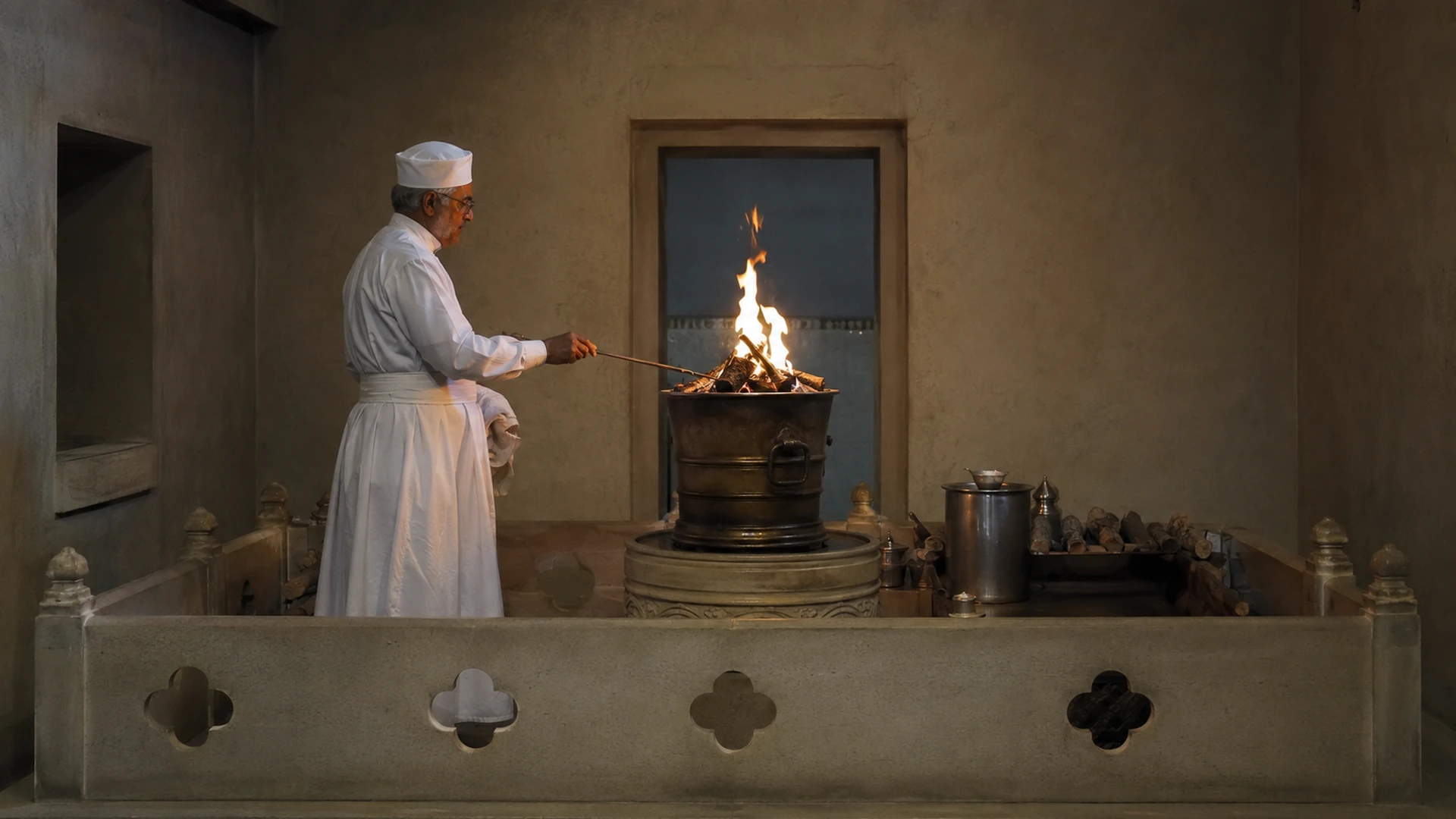
The common description “fire worship” is misleading. Zoroastrians have repeatedly rejected the idea that the physical flame is the highest deity. Fire functions as a visible focus associated with truth, purity and the order of creation within worship directed toward Ahura Mazda.
Different grades of sacred fire and different community histories exist in Iran, India and the diaspora. A public educational article should not present a fire-temple ritual as a do-it-yourself ceremony or assume that non-members can enter every sacred space.
| Field | Specification |
|---|---|
| Purpose | Show sacred fire as disciplined temple custodianship rather than spectacle. |
| Detailed scene | Museum-quality reconstruction of a Zoroastrian priest tending a clean wood fire in a fire-temple setting, viewed respectfully from outside the innermost ritual area. Focus on the fire holder, clean fuel and quiet concentration. |
| Specific culture or historical context | Zoroastrian fire-temple tradition in Iran or the Parsi community in India; avoid combining the two settings carelessly. |
| People shown | One adult Zoroastrian priest in appropriate white ritual clothing, with no crowd. |
| Location | Architecturally restrained fire-temple interior inspired by documented Iranian or Parsi spaces. |
| Clothing | White priestly garments and head covering appropriate to the chosen setting. |
| Architecture | Plaster or stone interior, simple sacred enclosure and metal fire holder; no Hindu, Islamic or fantasy temple motifs. |
| Objects | Consecrated fire holder, clean dry wood and ritual tools shown only at a public educational level. |
| Lighting | Low ambient light with controlled flame illumination. |
| Composition | Medium-wide editorial view, priest offset to one side, flame as the visual centre. |
| SEO-friendly filename | zoroastrian-sacred-fire-temple-meaning.webp |
| Image title | Zoroastrian Sacred Fire and Ritual Care |
| Alt text | Zoroastrian priest respectfully tending a sacred wood fire inside a fire-temple setting |
| Caption | In Zoroastrian tradition, consecrated fire is maintained through disciplined ritual care and is not accurately described as simple “fire worship.” |
| Recommended placement | After the Zoroastrian sacred fire section. |
| Article section supported | Zoroastrian sacred fire. |
| Important elements to avoid | No intrusive close-up of restricted rites, no flames shaped like deities, no incense overload, no inaccurate mixed architecture, no text. |
Agni and Fire in Vedic and Hindu Traditions
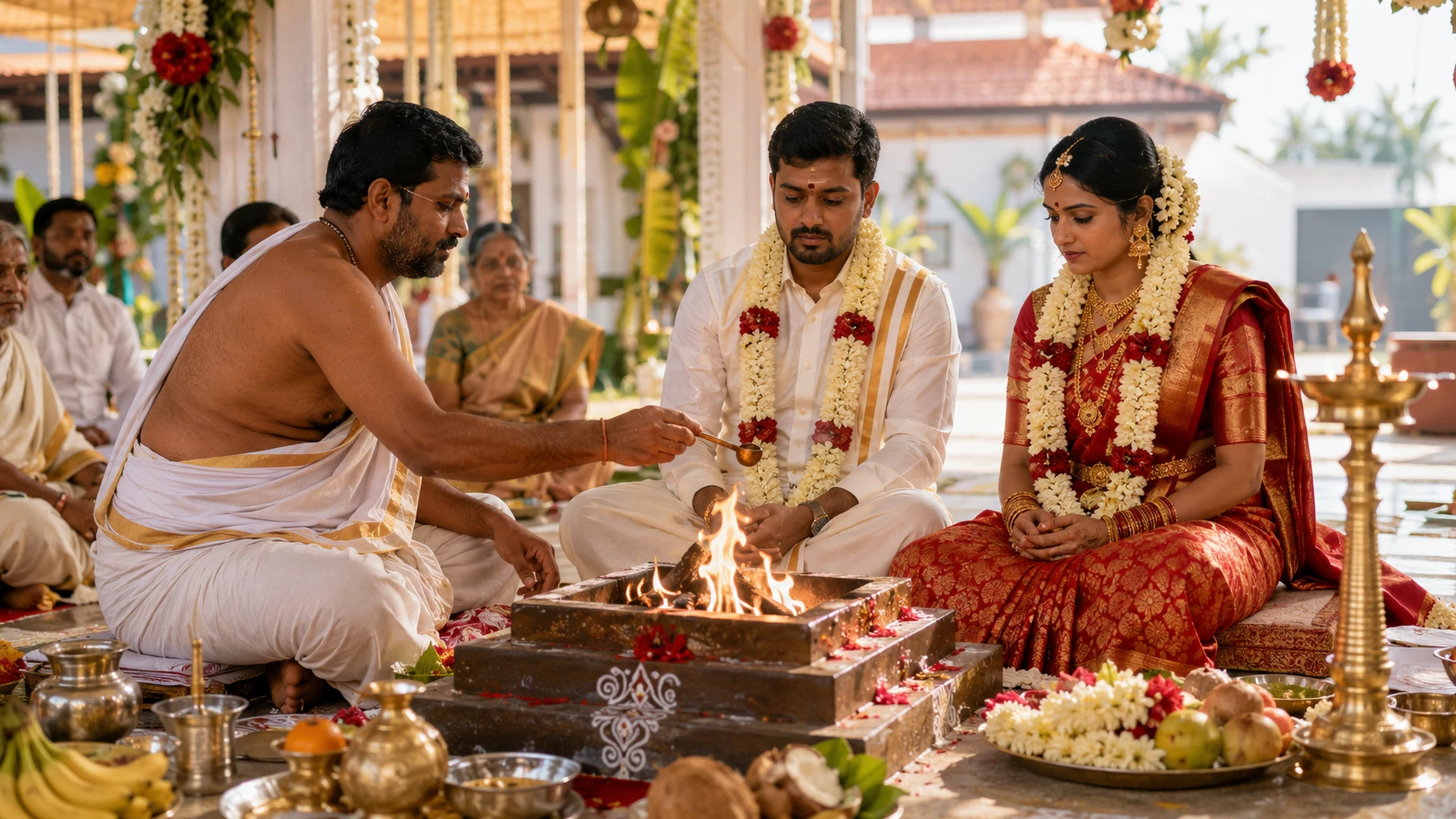
In Vedic tradition, Agni is both fire and a divine presence through whom offerings are conveyed. Harvard’s Pluralism Project notes that fire altars were central to Vedic sacrifice and remain important in domestic rites, naming, marriage, funerals and temple consecration [6].
In a Hindu wedding, fire may serve as a witness while the couple performs vows and circumambulation according to a specific regional or family tradition. In a homa or yajna, offerings may be placed into a carefully prepared fire while authorized participants recite prayers. Practices vary greatly and should not be reduced to one universal Hindu formula.
Agni belongs to South Asian textual, priestly, household and philosophical traditions. Similar themes such as transformation or offering do not prove that Hindu fire rites and African sacred fires share one origin.
| Field | Specification |
|---|---|
| Purpose | Illustrate fire as offering medium and witness in a South Asian context. |
| Detailed scene | A public Hindu wedding moment in which an adult couple and officiating priest sit near a small, safely contained sacred fire altar. The image emphasizes the altar, offerings and attentive participants without reproducing mantras or secret instructions. |
| Specific culture or historical context | Contemporary Hindu wedding in India; use one coherent regional visual setting rather than pan-Indian costume mixing. |
| People shown | Adult Indian couple, one priest and a few family members in the soft background. |
| Location | Open-sided wedding pavilion in India. |
| Clothing | Regionally coherent formal wedding clothing; dignified and realistic. |
| Architecture | Wedding mandap with restrained floral decoration. |
| Objects | Small fire altar, offering spoon, grains or clarified butter represented generally, flower garlands. |
| Lighting | Warm daylight or early evening with realistic firelight. |
| Composition | Wide editorial image with altar centred and participants forming a balanced triangle. |
| SEO-friendly filename | agni-hindu-sacred-fire-wedding-ritual.webp |
| Image title | Agni in a Hindu Wedding Ceremony |
| Alt text | Adult Hindu couple and priest seated beside a small sacred fire during a wedding ceremony in India |
| Caption | Fire can serve as a ritual witness and medium of offering in Hindu ceremonies, though practices differ by region and tradition. |
| Recommended placement | After the Agni and Hindu fire traditions section. |
| Article section supported | Agni and Vedic/Hindu traditions. |
| Important elements to avoid | No Bollywood staging, no enormous bonfire, no mixed regional costumes, no embedded Sanskrit text, no distorted hands. |
Vesta and the Sacred Flame of Ancient Rome
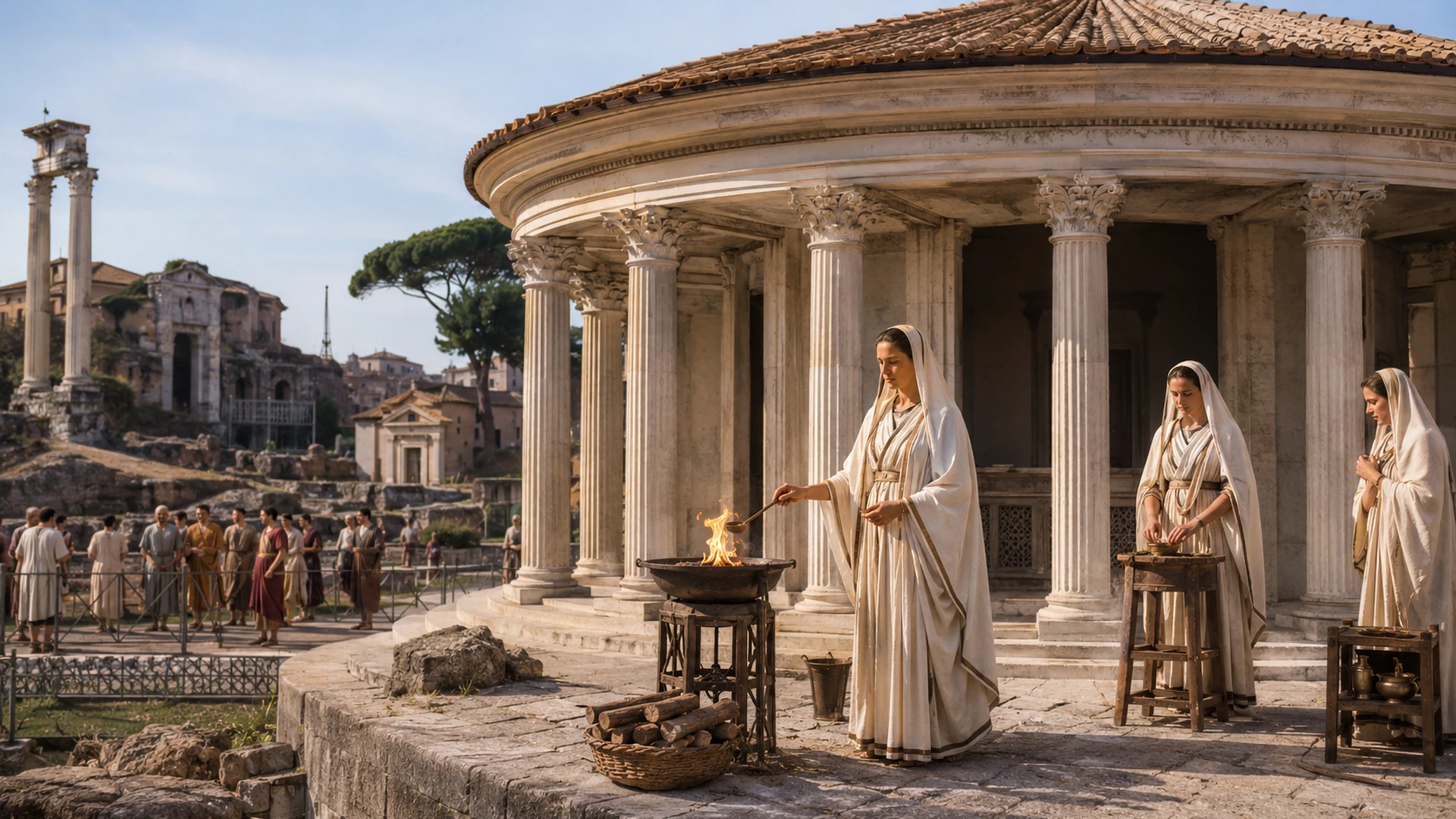
In ancient Rome, Vesta was associated with the hearth, home and civic continuity. The Vestal priestesses tended the sacred flame in the Roman Forum and performed other duties connected with the state religion. Museum and classical sources present the flame as a public sign linking domestic order with the life of Rome [7].
This example demonstrates that sacred fire can be political as well as devotional. The flame represented more than an individual’s private spirituality; it formed part of a priestly institution supported by the state. The Vestals’ role, legal status and obligations belonged to Roman religion and should not be romanticized as a modern women’s fire circle.
| Field | Specification |
|---|---|
| Purpose | Provide a historical example of sacred fire linked to civic continuity. |
| Detailed scene | Archaeologically informed reconstruction of the Temple of Vesta in ancient Rome, showing Vestal priestesses maintaining a contained sacred flame in a calm civic-religious setting. |
| Specific culture or historical context | Roman Forum during the imperial period; educational historical reconstruction. |
| People shown | Two or three adult Vestal priestesses, with distant citizens outside the sacred working area. |
| Location | Temple of Vesta, Roman Forum. |
| Clothing | Documented Roman priestly garments and veils; no modern fantasy gowns. |
| Architecture | Round Temple of Vesta and adjacent Roman Forum elements based on archaeological evidence. |
| Objects | Contained hearth or brazier, wood and simple ritual implements. |
| Lighting | Morning sunlight with subtle flame glow. |
| Composition | Wide museum-reconstruction view showing both people and architecture. |
| SEO-friendly filename | vesta-sacred-flame-ancient-rome.webp |
| Image title | Vesta’s Sacred Flame in Ancient Rome |
| Alt text | Historical reconstruction of Vestal priestesses tending the sacred flame at the Temple of Vesta in ancient Rome |
| Caption | The Vestals maintained a public flame associated with the hearth, civic order and the continuity of Rome. |
| Recommended placement | After the ancient Roman Vesta section. |
| Article section supported | Vesta and the Roman state. |
| Important elements to avoid | No gladiators, no fantasy palace, no Christian symbols, no sexualized priestesses, no dramatic firestorm. |
Christian New Fire and the Paschal Candle
At the Easter Vigil, the new fire is blessed and used to light the Paschal candle before light spreads through the dark church. Vatican descriptions interpret this movement from darkness to light through the death and resurrection of Christ [8].
The Christian symbolism is therefore specifically Paschal: the flame points to Christ, resurrection, baptismal life and the victory of light over darkness. It is not simply a generic seasonal bonfire or a survival of one universal ancient fire religion.
Indigenous Fire Practices and Cultural Authority
The phrase “Indigenous sacred fire” is too broad to name one practice. Indigenous peoples maintain distinct laws, languages, lands and ceremonial authorities. Publicly documented examples must be described with the name of the community and the limits set by its custodians.
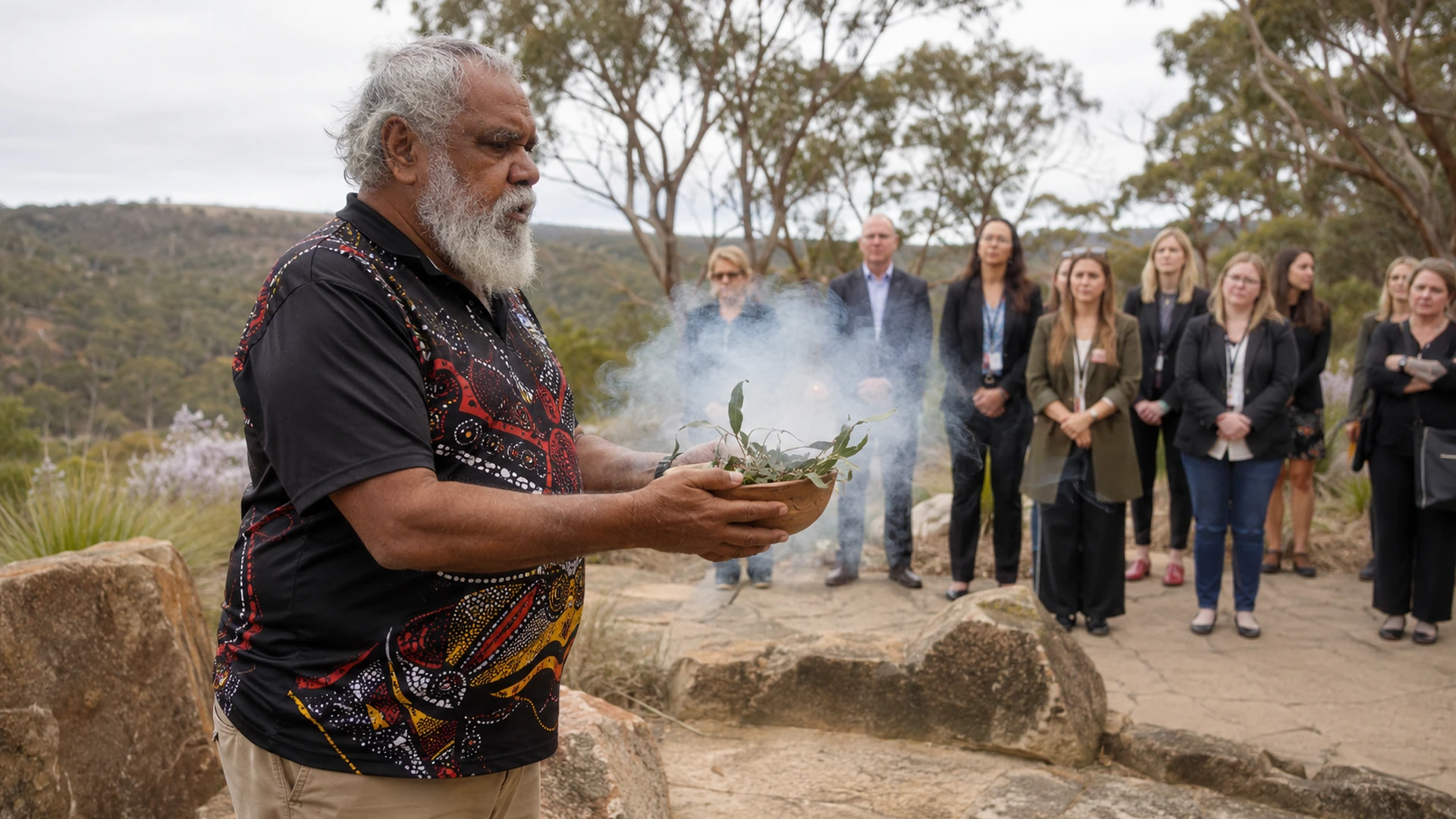
In Australia, smoking ceremonies involve burning selected plant material to produce smoke and may be used to welcome, cleanse or mark significant occasions. Government and council protocols emphasize that these ceremonies should be led by Traditional Owners or Aboriginal people with recognized cultural knowledge and that practices vary among communities [9][10].
Cultural burning is related but not identical to a smoking ceremony. New South Wales guidance describes it as Aboriginal-led land management that joins ecological care with cultural knowledge, community connection and responsibility to Country [9]. Calling every controlled burn a sacred fire ceremony would blur important distinctions.
| Field | Specification |
|---|---|
| Purpose | Demonstrate Indigenous cultural protocol and the difference between public learning and unauthorized imitation. |
| Detailed scene | An Aboriginal Australian Traditional Owner leading a small outdoor smoking ceremony at a formal public welcome. Participants stand respectfully while smoke rises from locally appropriate plant material in a safe vessel. |
| Specific culture or historical context | Contemporary public smoking ceremony in southeastern Australia; the exact Traditional Owner group should be named only if a community-approved reference is used. |
| People shown | Aboriginal Australian adult cultural custodian and a diverse group of adult attendees. |
| Location | Outdoor civic or cultural venue on Country in Australia. |
| Clothing | Contemporary clothing with culturally appropriate elements chosen by the custodian; no invented “tribal costume.” |
| Architecture | Minimal modern venue or natural landscape; keep focus on people and protocol. |
| Objects | Safe smoking vessel and native plant material represented generally; no restricted objects. |
| Lighting | Natural soft daylight. |
| Composition | Wide documentary framing, custodian in clear focus and attendees at a respectful distance. |
| SEO-friendly filename | aboriginal-smoking-ceremony-cultural-protocol.webp |
| Image title | Aboriginal Smoking Ceremony and Cultural Authority |
| Alt text | Aboriginal Australian cultural custodian leading a public smoking ceremony outdoors with attendees standing respectfully |
| Caption | Smoking ceremonies are culturally governed practices led by people with appropriate knowledge and authority; protocols vary among communities. |
| Recommended placement | After the Indigenous traditions and cultural protocol section. |
| Article section supported | Indigenous fire practices and respectful study. |
| Important elements to avoid | No pan-Indigenous stereotypes, no copied body paint, no fantasy smoke effects, no claim that one protocol represents all Aboriginal peoples. |
What Is a Sacred Fire Ceremony for Transformation?
A sacred fire ceremony for transformation is a rite in which fire marks or symbolizes a change in status, season, moral condition, communal order or spiritual focus. The transformation may be represented through lighting a new flame, burning an offering, passing from darkness into light, renewing a hearth, or gathering a community after conflict.
The phrase is also used in modern spiritual marketing, where it may refer to writing fears on paper, burning objects or promising energetic release. Such modern practices should be labeled as contemporary interpretations unless they are clearly connected to a documented tradition and authorized by its custodians.
What fire can symbolize in transformation
Ending an earlier stage and beginning another
Turning an offering into smoke, scent, heat and ash
Renewing a household, season, office or community bond
Making a vow visible before witnesses
Remembering loss while creating a shared future
Restoring attention, discipline or reconciliation
A ceremony may be emotionally meaningful, but it does not scientifically guarantee healing, reconciliation, protection, fertility, wealth or permanent psychological change. Fire should never replace medical care, mental-health support, legal advice or practical safety planning.
How Sacred Fires Are Maintained
The maintenance of a sacred fire often involves rules that outsiders overlook. The custodian may need to use approved fuel, keep the fire free from contamination, serve it at fixed times, restrict access, preserve embers, handle ash in a prescribed way or relight the flame through an authorized process.
These rules show that sacredness is not measured by flame size. A quiet lamp or small contained fire may carry more religious importance than a dramatic bonfire because the meaning lies in disciplined relationship, continuity and recognized authority.
Objects and materials
Depending on the tradition, a fire ceremony may involve a hearth, brazier, altar, candle, lamp, torch, incense burner, vessel, wood, oil, clarified butter, grain, flowers, fragrant resins or water placed nearby. Each object has its own history. Similar materials do not make ceremonies identical.
Smoke, fragrance and ash
Smoke can indicate offering, presence, cleansing, communication or the movement of matter beyond ordinary use. Fragrance can mark hospitality or devotion. Ash may represent completion, mortality, memory or consecration. In other settings, smoke and ash are treated as hazards or waste. Meaning must be established from community sources.
Sacred Fire Is Not Always Fire Worship
Calling a tradition “fire worship” can imply that worshippers mistake a physical flame for the supreme divine reality. In many traditions the fire is instead a sign, witness, messenger, altar, ritual agent or responsibility. Accurate language asks what participants say the flame represents and whom or what the worship addresses.
| Tradition | Publicly documented role of fire | Important caution |
|---|---|---|
| Okuruuo, Namibia | Holy Fire central to community cultural values and social practices | Do not generalize it as a universal African ritual |
| Meskel, Ethiopia | Damera bonfire within an Ethiopian Orthodox Christian feast | Do not detach it from the True Cross, church leadership and reconciliation |
| Zoroastrianism | Consecrated fire as a focus of ritual purity, truth and disciplined worship | Avoid the inaccurate label “simple fire worship” |
| Vedic/Hindu traditions | Agni and fire as offering medium, witness and ritual presence | Practices differ by school, region, family and rite |
| Ancient Rome | Vesta’s flame connected hearth symbolism with civic continuity | A historical state cult, not a modern universal ceremony |
| Christian Easter Vigil | New fire and Paschal candle symbolize the risen Christ | Meaning is specifically Christian and Paschal |
| Aboriginal smoking ceremonies | Smoke used in culturally governed welcoming or cleansing contexts | Must be led by people with recognized cultural authority |
Common Misunderstandings
“All sacred fires mean purification”
Purification is one possible meaning, but a fire may instead represent continuity, divine truth, a household, a state, a festival, offering, remembrance or ecological responsibility.
“Every old fire ritual has the same origin”
Similar symbolism can develop independently because all human communities experience light, heat, cooking, danger and ash. Historical connection must be demonstrated through language, archaeology, texts or documented contact—not assumed from visual resemblance.
“A large bonfire is more sacred than a small flame”
Scale does not determine sacredness. A continuously tended temple fire, household hearth, lamp or candle may carry profound meaning because of the institution and duties surrounding it.
“Anyone can copy a ceremony after reading about it”
Public knowledge is not automatic permission. Some practices require recognized office, family membership, initiation, community authority or access to a specific sacred place.
“Burning something guarantees transformation”
Fire can make a transition emotionally vivid, but symbolic action does not guarantee supernatural, medical, financial or relationship outcomes.
Cultural and Ethical Boundaries
Name the exact people, religion, country, region and historical period.
Use community-approved, museum, university and heritage sources.
Do not publish restricted prayers, fuels, sacred locations or initiation procedures.
Do not mix clothing, architecture and symbols from unrelated African or Indigenous communities.
Do not call every use of smoke a cleansing ritual.
Do not market a borrowed ceremony as ancient authority.
Separate historical evidence, living belief, oral tradition and modern interpretation.
Do not promise guaranteed healing, fertility, protection, revenge, wealth or reconciliation.
Fire Safety and Environmental Responsibility
A spiritual or educational purpose does not remove physical risk. Open flames can cause burns, smoke inhalation, structural fires and wildfires. Indoor ceremonies require ventilation, stable fireproof containers and compliance with local law. Outdoor fires require attention to weather, fuel load, permits and land authority.
Never imitate cultural burning without trained Indigenous practitioners and legal authorization. Cultural fire is a specialized land-based knowledge system, not a decorative ritual technique. Likewise, do not burn unknown herbs, plastics, treated wood, oils or toxic materials.
How to Study Sacred Fire Responsibly
Start with the local name of the practice rather than the English phrase “sacred fire.”
Identify who has authority to explain, maintain or perform it.
Separate public ceremony from restricted knowledge.
Check whether the source describes current practice, historical evidence or outside interpretation.
Compare traditions only after explaining each one accurately on its own terms.
Use cautious language when evidence is incomplete.
Treat safety, land rights and community permission as part of the subject—not as optional additions.
Key Takeaways
Sacred fire means a flame set apart by a community for religious, ancestral, ceremonial, moral or civic purposes.
Common meanings include presence, transformation, purification, offering, continuity, memory and responsibility.
There is no universal African, Indigenous or world fire ceremony.
Okuruuo, Meskel, Zoroastrian fire, Agni, Vesta and the Paschal fire belong to distinct traditions.
“Fire worship” is often an inaccurate label because fire may function as a sign, witness, altar or ritual agent.
Modern transformation ceremonies should not be presented as ancient traditions without evidence.
Cultural authority and physical safety are essential.
People Also Ask
What does sacred fire symbolize?
Sacred fire can symbolize divine presence, continuity, purification, transformation, offering, memory, community identity or moral responsibility. The correct meaning depends on the tradition.
Why is fire used in religious ceremonies?
Fire produces light, heat, smoke and ash while visibly transforming materials. These properties make it useful for marking offerings, vows, transitions, festivals, remembrance and the movement from darkness to light.
Is sacred fire the same as fire worship?
Not necessarily. In many religions, fire is a sacred focus, witness, messenger, altar or symbol while worship is directed toward a deity, divine order or holy event.
What cultures have sacred fire traditions?
Documented examples include Okuruuo in Namibia, Ethiopian Meskel, Zoroastrian fire temples, Vedic and Hindu rites, ancient Roman worship of Vesta and Christian Easter Vigil practices. Indigenous examples must be named specifically rather than generalized.
What does a sacred flame mean spiritually?
A sacred flame often represents a living relationship that must be tended—faith, truth, family continuity, a vow, community memory or hope. That interpretation is not universal.
Frequently Asked Questions
What is the simplest definition of sacred fire?
Sacred fire is a flame or fire-space that a community sets apart for religious, ceremonial, ancestral, moral or civic use.
Can sacred fire be a candle or lamp?
Yes. Sacred fire does not have to be a bonfire. A candle, lamp, hearth, brazier or continuously maintained temple fire can carry sacred meaning.
Why are some sacred fires kept burning?
Continuous tending may symbolize the survival of a religious community, household, lineage, priestly service or political order. The duty of maintenance is often central to the meaning.
What is Okuruuo?
Okuruuo means Holy Fire and refers to a living sacred practice in regions of Namibia. UNESCO describes it as central to the cultural values and social practices of the communities concerned.
What is the Damera bonfire?
The Damera bonfire is built and lit during the Ethiopian Orthodox festival of Meskel, which commemorates the finding of the True Cross and supports reconciliation and community gathering.
Can sacred fire ceremonies heal illness?
Religious communities may understand ceremonies as spiritually supportive, but fire rituals are not scientifically guaranteed medical treatments and should not replace healthcare.
Can I create my own fire ritual?
A private symbolic practice should be clearly described as personal or contemporary. Do not claim that it belongs to an Indigenous, African, Zoroastrian, Hindu or other tradition unless you have legitimate authority and accurate evidence.
Why is cultural permission important?
Some ceremonies belong to specific custodians, families, offices, initiated members or Traditional Owners. Reading public information does not transfer the right to perform or teach restricted practices.
Conclusion
Sacred fire is best understood as flame joined to responsibility. Fire can illuminate, warm, transform and destroy; traditions turn those physical qualities into languages of presence, continuity, offering, renewal, memory and restraint.
The most accurate answer to “What does sacred fire mean?” is therefore both simple and careful: it is a fire set apart for sacred purpose, but its true meaning belongs to the community that names it, tends it and explains its place in the world.
Research Sources and Further Reading
1. UNESCO Intangible Cultural Heritage — Safeguarding of Okuruuo through community-based capacity building, inventorying and documentation interventions in Namibia
2. UNESCO Intangible Cultural Heritage — Commemoration feast of the finding of the True Holy Cross of Christ (Meskel)
3. UNESCO — “Fire to guide. Water to feed”: San tradition and knowledge in the Okavango Delta
4. Encyclopaedia Iranica — ĀTAŠ (Fire)
5. Encyclopaedia Iranica — ĀTAŠKADA (House of Fire)
6. Harvard University Pluralism Project — Agni: The Fire Altar
7. The Metropolitan Museum of Art — The Vestal Virgins and the Sacred Fire
8. Vatican — Easter Vigil: blessing of the new fire and lighting of the Paschal candle
9. New South Wales Government — Aboriginal cultural burning
10. Cumberland City Council — Aboriginal cultural protocols and smoking ceremonies
11. Ancestral Temple — Existing canonical page: Sacred Fire in History
12. Ancestral Temple — Spiritual Symbols Shared Worldwide
5. Internal Linking Plan
| Anchor text | URL path | Placement / SEO note |
|---|---|---|
| Sacred Fire in History | /blog/sacred-fire-in-history | Use as the canonical URL for this updated article; do not create a second competing page. |
| Spiritual Symbols Shared Worldwide | /blog/spiritual-symbols-shared-worldwide | Link from the section on symbolic meanings and cross-cultural comparison. |
| Water Ceremonies Around the World | /blog/water-ceremonies-around-the-world | Link from comparison of elemental ceremonies or the related-reading block. |
| Prayer Across Cultures | /blog/prayer-across-cultures | Link from the offering, prayer and communication section. |
| Sandalwood Traditions | /blogs/sandalwood-traditions | Link from the Zoroastrian section discussing fragrant wood and offerings. |
| Sacred Forests in African Traditions | /blog/sacred-forests-african-traditions | Link from cultural landscapes, land authority and environmental responsibility. |
| Understanding African Spiritual Traditions | /blog/understanding-african-spiritual-traditions | Link from the warning against treating Africa as one culture. |
| Purification Practices Through History | /blog/purification-practices-through-history | Link from the purification section if this URL exists in production; verify before publishing. |
6. Glossary
| Term | Definition |
|---|---|
| Agni | In Vedic and Hindu traditions, fire and a divine ritual presence associated with carrying offerings. |
| Atash Behram | A high grade of consecrated Zoroastrian sacred fire. |
| Damera | The large bonfire constructed and lit during Ethiopian Meskel celebrations. |
| Hearth | A domestic fire-place that may serve practical, social and sacred roles. |
| Living heritage | Cultural knowledge and practice continually recreated and transmitted by communities. |
| Meskel | An Ethiopian Orthodox feast commemorating the finding of the True Cross. |
| Okuruuo | A Namibian sacred practice whose name is translated as Holy Fire in UNESCO documentation. |
| Paschal candle | The large candle lit from the new fire during the Christian Easter Vigil. |
| Ritual custodian | A person or office recognized as responsible for maintaining or performing a sacred practice. |
| Sacred flame | A flame set apart by religious, ceremonial, ancestral, moral or civic meaning. |
| Smoking ceremony | A culturally governed Aboriginal Australian ceremony using smoke from selected plant materials; protocols vary by community. |
| Vestal Virgins | Priestesses of Vesta who tended the sacred flame in ancient Rome. |
7. Recommended Supporting Articles
| Proposed article | Purpose and cannibalization note |
|---|---|
| Fire Rituals Across Cultures: Similarities Without Erasing Differences | A distinct comparative article focused on methodology, not another definition page. |
| Okuruuo in Namibia: Holy Fire, Community and Living Heritage | A focused supporting article only if based on community-approved public sources. |
| Meskel in Ethiopia: The Damera Bonfire and the Meaning of Reconciliation | A strong Africa-focused supporting page with a Christian and heritage intent. |
| Agni and the Fire Altar: Meaning in Vedic and Hindu Traditions | A focused religious-history article that can target Agni-specific queries. |
| What Is Cultural Burning? Indigenous Knowledge, Ecology and Authority | A separate environmental and land-management intent to avoid cannibalization. |
| Smoke, Incense and Ash in Ritual Traditions | A material-culture supporting article connecting fire, fragrance and ceremony. |
Article Information
- Publisher
- Ancestral Temple
- Editor
- Ancestral Temple
- Last updated
- Jul 26, 2026
- Last reviewed
- Jul 26, 2026
- Content version
- 902f8f798f
This educational article should be read as cultural and spiritual information, not as medical, legal, financial, or emergency advice.
Helpful Related Guidance
Explore This Topic
Related Topic Cluster
Dreams & Symbolism
About the Author
 Ancestral Temple
Spiritual guide and practitioner with decades of experience in ancestral wisdom, rituals, and divine guidance.
Related Posts
View All






Leave a Comment
We'd love to hear your thoughts.