
Summer vs Winter Solstice: Meaning, Dates and Cultural Traditions
Quick Summary
The summer and winter solstices are the two points in the year when a hemisphere is tilted most strongly toward or away from the Sun. The summer solstice brings that hemisphere its...
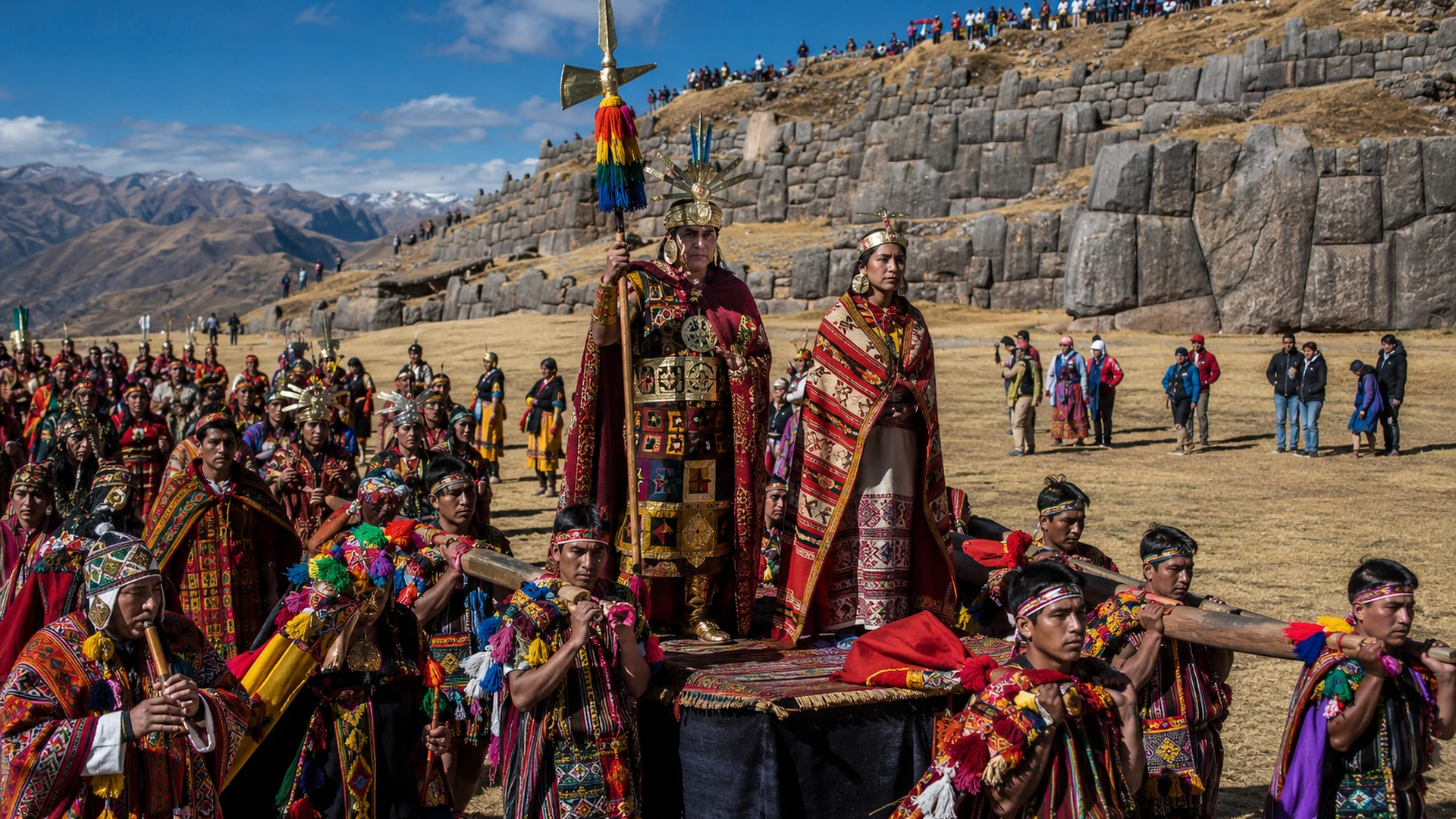
The summer and winter solstices are the two points in the year when a hemisphere is tilted most strongly toward or away from the Sun. The summer solstice brings that hemisphere its greatest duration of daylight and highest seasonal Sun path. The winter solstice brings its least daylight and lowest seasonal Sun path. The opposite hemisphere experiences the opposite solstice at the same moment.
That last point matters. The June solstice is the summer solstice in the Northern Hemisphere but the winter solstice in the Southern Hemisphere. The December solstice reverses the pattern. For global writing, “June solstice” and “December solstice” are often clearer than assuming one hemisphere’s season applies everywhere.
Solstices are astronomical events, but people have also used them—or nearby seasonal dates—to organize calendars, agriculture, architecture, gatherings, ritual life and ideas about light, continuity and renewal. These traditions are culturally specific. Stonehenge, Swedish Midsummer, Inti Raymi, Newgrange, Yaldā/Chella and Dongzhi do not form one universal solstice religion; each belongs to a different history and community.
Quick Answer
| Quick Answer The summer solstice is a hemisphere’s longest daylight period and occurs when that hemisphere tilts most toward the Sun. The winter solstice is its shortest daylight period and occurs when it tilts most away. In 2026, the June solstice is June 21 at 08:24 UTC, and the December solstice is December 21 at 20:50 UTC. [1][2] |
|---|
| Image number | 1 |
|---|---|
| Purpose | Featured image that explains the global comparison without privileging one culture. |
| Detailed scene | A realistic museum-quality scientific visualization showing Earth in space at a solstice, its axis visibly tilted, sunlight illuminating one hemisphere more directly while the opposite hemisphere receives lower-angle light. Include the Sun at a believable distance through perspective, with no labels or text. |
| Specific culture or historical context | Modern astronomical education; not a sacred or cultural reconstruction. |
| People shown | No people. |
| Location | Space-based educational visualization. |
| Clothing | Not applicable. |
| Architecture | None; Earth and Sun only. |
| Objects | Earth, sunlight, subtle orbital context and visible day-night boundary. |
| Lighting | Natural solar illumination with deep-space background. |
| Composition | Wide 16:9 composition; Earth slightly off-center with clear negative space for website cropping; scientifically legible tilt and light distribution. |
| SEO-friendly filename | summer-vs-winter-solstice-earth-sun.webp |
| Image title | Summer and Winter Solstice Compared |
| Alt text | Scientific visualization of tilted Earth at a solstice showing opposite summer and winter seasons in the two hemispheres. |
| Caption | The same solstice moment creates opposite seasons in Earth’s two hemispheres. |
| Recommended placement | Immediately after the Quick Answer as the featured image. |
| Article section supported | Quick Answer and global hemisphere comparison. |
| Important elements to avoid | No embedded words, arrows, zodiac symbols, fantasy glow, flat-Earth perspective, inaccurate axial tilt, extra planets, logos or watermarks. |
Summer vs Winter Solstice at a Glance
| Feature | Summer solstice | Winter solstice |
|---|---|---|
| Seasonal meaning | Hemisphere tilted most toward the Sun | Hemisphere tilted most away from the Sun |
| Daylight | Greatest daylight duration of the year | Least daylight duration of the year |
| Sun at local noon | Highest seasonal path above the horizon | Lowest seasonal path above the horizon |
| Northern Hemisphere timing | June solstice | December solstice |
| Southern Hemisphere timing | December solstice | June solstice |
| What follows | Daylight generally begins decreasing | Daylight generally begins increasing |
| Common cultural themes | Abundance, growth, outdoor gathering, seasonal fullness | Endurance, kinship, memory, light in darkness, return of longer days |
| Scientific caution | Not automatically the hottest day | Not automatically the coldest day |
What Is a Solstice?
A solstice is the instant when the Sun reaches its most northerly or southerly apparent position in Earth’s sky. The word comes from Latin roots meaning “sun” and “to stand still,” referring to the way the Sun’s seasonal north-south movement appears to pause before reversing. [3]
Earth’s seasons are caused mainly by axial tilt, not by Earth moving dramatically closer to or farther from the Sun. Earth’s rotation axis is tilted by about 23.5 degrees relative to its orbital plane. As Earth travels around the Sun, one hemisphere receives more direct sunlight and longer days while the other receives lower-angle sunlight and shorter days. About six months later, the situation reverses. [4]
The solstice is a precise astronomical moment, although people commonly use the word for the whole calendar day. The longest or shortest daylight duration is experienced over that local day, and the exact date shown on a calendar depends on the year and time zone.
The 2026 Solstice Dates
| Event | Date | UTC time | Kampala / EAT | Seasonal result |
|---|---|---|---|---|
| June solstice | Sunday, June 21, 2026 | 08:24 UTC | 11:24 a.m. EAT | Northern summer / Southern winter |
| December solstice | Monday, December 21, 2026 | 20:50 UTC | 11:50 p.m. EAT | Northern winter / Southern summer |
The June and December solstices occur at the same instant worldwide, but local clocks display different times. In 2026, both events still fall on June 21 and December 21 across most time zones. Exact solstice times shift slightly from year to year because the tropical year does not fit perfectly into the Gregorian calendar. [1][2]
Near the equator, the solstice remains astronomically real even though the daylight difference can be small. In Kampala, Uganda, the June and December solstice days differ by only about two minutes of daylight. Farther from the equator, the difference grows dramatically. [1][2]
Summer Solstice Meaning
The summer solstice marks the point when a hemisphere leans most toward the Sun. The Sun follows its highest seasonal path across the sky, daylight lasts longer than on any other day of the year at that latitude, and nighttime is shortest. North of the Arctic Circle—or south of the Antarctic Circle during Southern Hemisphere summer—the Sun may remain above the horizon for a full 24 hours.
Astronomically, this is a turning point rather than a guarantee of immediate peak heat. Land, oceans and the atmosphere take time to absorb and release energy, so the hottest part of summer often arrives after the solstice. This delay is called seasonal lag. The earliest sunrise and latest sunset may also occur on nearby dates rather than on the solstice itself because clock time, orbital speed and Earth’s tilt interact in complex ways.
Cultural meanings associated with midsummer often include abundance, fertility, growth, community gathering and the fullness of light. These themes are not universal doctrines. They are interpretations shaped by local climate, agriculture, religion, history and modern national culture.
| Image number | 2 |
|---|---|
| Purpose | Show a documented solar alignment and modern public summer-solstice gathering. |
| Detailed scene | A realistic documentary photograph at Stonehenge shortly after dawn on the June solstice. The rising Sun appears near the Heel Stone alignment, with a restrained group of modern visitors standing behind heritage boundaries or in an approved access area. The stones remain the visual focus. |
| Specific culture or historical context | Stonehenge in Wiltshire, England; Neolithic/Bronze Age monument with documented solstice alignment and contemporary English Heritage gathering. |
| People shown | A diverse group of modern visitors in ordinary weather-appropriate clothing; no staged ritual leaders. |
| Location | Stonehenge, Wiltshire, England. |
| Clothing | Modern coats, shawls and practical outdoor clothing in muted colours. |
| Architecture | Accurate Stonehenge sarsen and lintel forms, Heel Stone position and open chalk landscape. |
| Objects | No ceremonial props; only permitted visitor items such as small bags or cameras. |
| Lighting | Cool pre-dawn light shifting to warm sunrise, natural haze. |
| Composition | Wide documentary frame with stones dominant, sunrise aligned in the background and visitors small in scale. |
| SEO-friendly filename | stonehenge-summer-solstice-sunrise.webp |
| Image title | Stonehenge at the Summer Solstice |
| Alt text | Summer solstice sunrise at Stonehenge with visitors observing the ancient solar alignment. |
| Caption | Stonehenge’s central stones were arranged in relation to midsummer sunrise and midwinter sunset. |
| Recommended placement | After the Summer Solstice Meaning section. |
| Article section supported | Summer solstice, solar alignment and public heritage observance. |
| Important elements to avoid | No invented druids, fantasy robes, bonfires among stones, crowds touching protected surfaces, text, logos, watermarks or inaccurate stone arrangement. |
Winter Solstice Meaning
The winter solstice occurs when a hemisphere tilts most away from the Sun. The Sun takes its lowest seasonal path across the sky, daylight duration reaches its annual minimum, and nighttime is longest. In polar regions, the Sun may remain below the horizon for the entire day.
After the winter solstice, daylight gradually increases in that hemisphere. This measurable return of longer days has inspired cultural themes of endurance, renewal, continuity and hope. Those symbolic meanings are culturally powerful, but they should not be confused with a scientific force that guarantees personal transformation, healing, protection or future success.
The winter solstice is not necessarily the coldest day. Oceans, soil and air release stored heat gradually, so average temperatures often continue falling after daylight has begun to increase. The same thermal lag that delays peak summer warmth also delays peak winter cold.
The Most Important Difference: The Hemispheres Reverse
Calling June 21 “the summer solstice” without naming a hemisphere can be misleading. In Canada, Britain, Sweden and most of Europe, the June solstice begins astronomical summer. In Peru, South Africa, Australia and much of the Southern Hemisphere, the same moment begins astronomical winter. December reverses the pattern.
For readers in equatorial countries such as Uganda, Kenya, Ecuador or Indonesia, the four-season model may be less useful than local wet and dry seasons. The solstices still mark the Sun’s farthest north and south positions, but they may not produce dramatic temperature changes or a large difference in day length. Local rainfall cycles, altitude and regional climate can matter more to daily life than the labels “summer” and “winter.”
| Solstice | Northern Hemisphere | Southern Hemisphere | Near-equatorial experience |
|---|---|---|---|
| June solstice | Summer; longest daylight | Winter; shortest daylight | Small daylight change; Sun’s noon position shifts northward |
| December solstice | Winter; shortest daylight | Summer; longest daylight | Small daylight change; Sun’s noon position shifts southward |
Astronomical Seasons vs Meteorological Seasons
Astronomical seasons are defined by Earth’s position relative to the Sun, using solstices and equinoxes as boundaries. Meteorological seasons use fixed three-month blocks so weather and climate records can be compared consistently. In the Northern Hemisphere, meteorological summer runs from June 1 through August 31, while astronomical summer begins at the June solstice. [5]
Neither system is “wrong.” They answer different questions. Astronomy describes Earth-Sun geometry. Meteorology organizes temperature and climate statistics. Many communities also use seasonal calendars based on rainfall, river levels, winds, animal movement, flowering plants, farming cycles or religious dates.
Why Solstice Dates Change
Solstices usually fall on June 20 or 21 and December 21 or 22, although time zones can move the local calendar date. The shift happens because a tropical year—the cycle of seasons—is not exactly 365 days. Leap years keep the civil calendar close to the seasonal year, but the astronomical moment still moves by several hours from one year to the next.
The phrase “the Sun stands still” does not mean the Sun physically stops. It describes the apparent north-south change in the Sun’s rising, setting and noon positions. Near a solstice, that change becomes very small for several days before reversing direction.
Cultural Traditions Around the June Solstice
The June solstice links Northern Hemisphere midsummer and Southern Hemisphere midwinter. Traditions around this period can therefore express very different seasonal experiences.
Stonehenge: Midsummer Sunrise and Midwinter Sunset
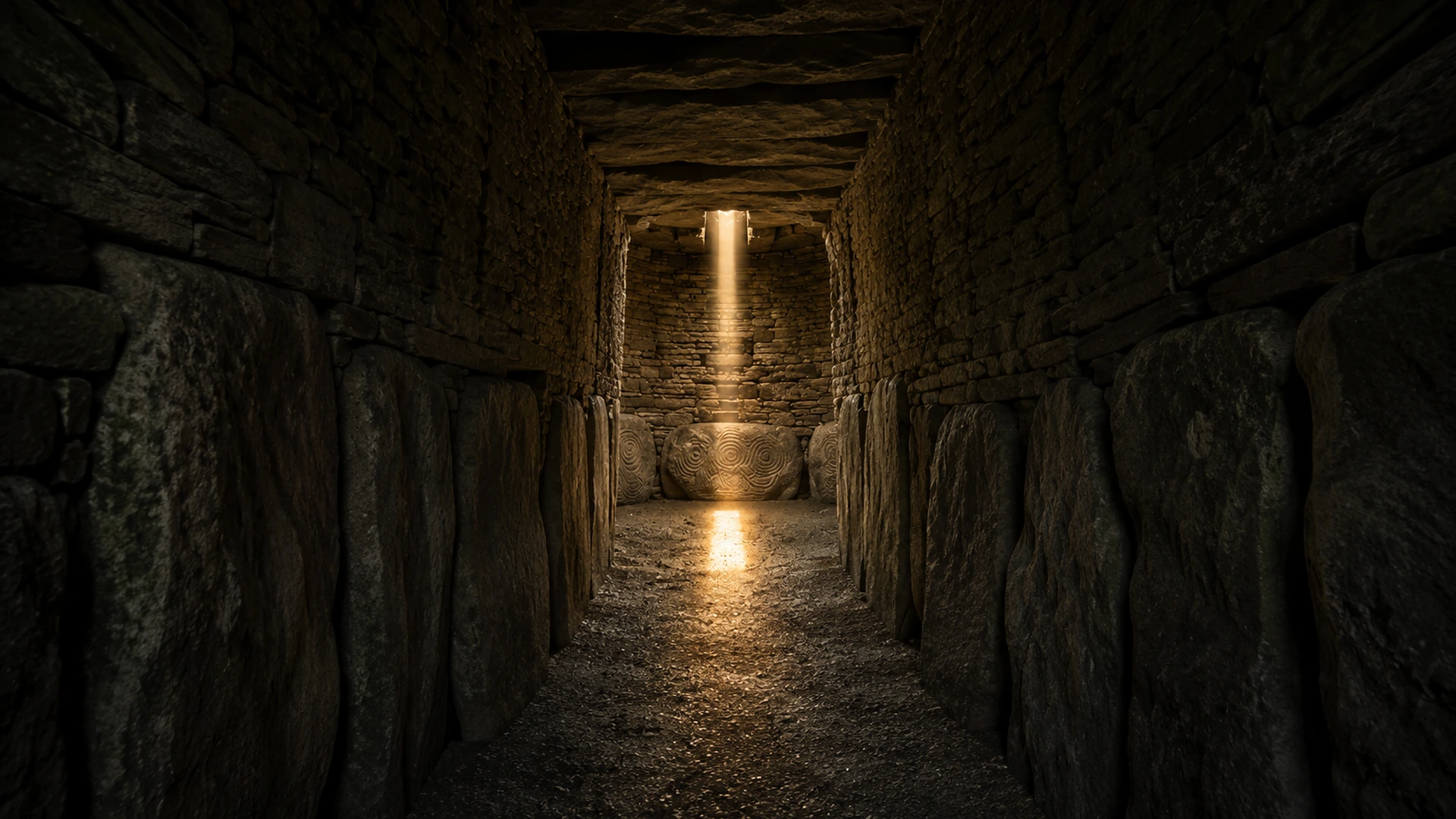
English Heritage explains that Stonehenge’s central sarsen stones, erected around 2500 BCE, were carefully arranged along a solstice axis. From the centre of the monument, the midsummer Sun rises near the Heel Stone, while the midwinter Sun originally set between the uprights of the tallest trilithon. The winter alignment may have been especially important, although the monument’s complete purpose remains a matter of archaeological interpretation. [6]
Modern solstice gatherings at Stonehenge are contemporary public events managed within a protected heritage site. They should not be described as an unchanged survival of one single prehistoric ceremony. Archaeology can demonstrate alignment and human activity; it cannot recover every belief or ritual once associated with the monument.
Swedish Midsummer: Flowers, Food and Long Light
Swedish Midsummer is celebrated on a Friday between June 19 and 25 rather than being fixed to the exact astronomical solstice. Families and friends often gather in the countryside, decorate and raise a leafy maypole, wear flower wreaths, dance and share foods such as pickled herring, new potatoes and strawberries. Sweden’s official national website traces the celebration to agrarian customs welcoming summer while also emphasizing how the holiday has changed over time. [7]
This is an important SEO and cultural distinction: a celebration can be solstice-adjacent without occurring at the precise solstice moment. Midsummer today combines older seasonal customs, later Christian calendar associations and modern national culture.
Inti Raymi: June Is Winter in the Andes
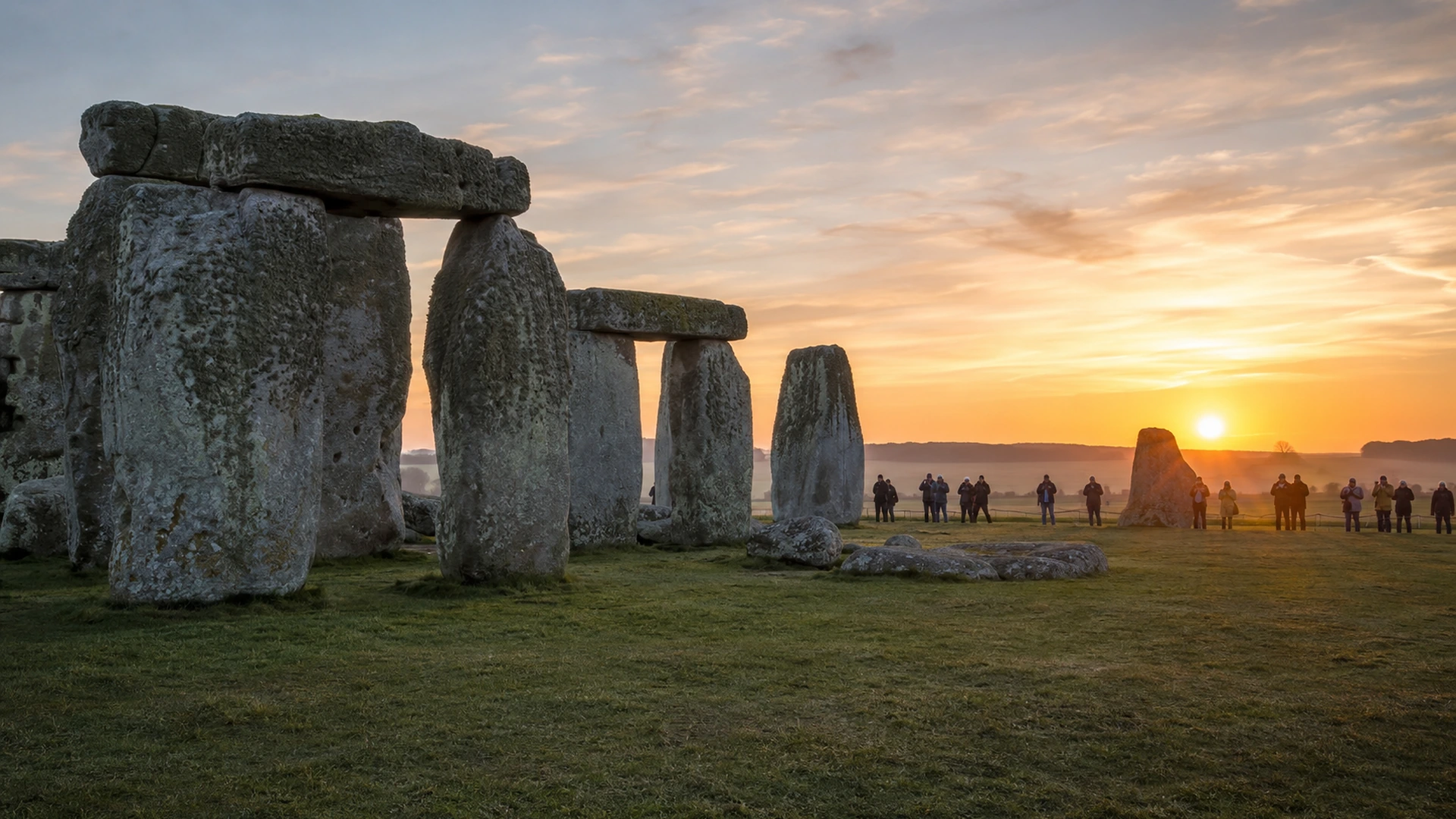
In Cusco, Peru, Inti Raymi is celebrated publicly on June 24 and honours Inti, the Sun, within an Inka heritage framework. The date falls near the Southern Hemisphere winter solstice, demonstrating why June cannot be labelled “summer” everywhere. Peru’s official tourism platform describes the modern event as a large cultural production staged at Qorikancha, Cusco’s main square and Saqsaywaman, and notes its recognition as Cultural Heritage of the Nation. [8]
Historical chronicles describe an important Inka solar festival around the winter-solstice season. The current public performance, however, is a modern reconstruction and cultural representation, not an uninterrupted recording of every precolonial practice. Responsible writing should distinguish documented history, chroniclers’ accounts, living Andean identities and contemporary tourism presentation.
| Image number | 3 |
|---|---|
| Purpose | Illustrate the Southern Hemisphere reversal through a documented public heritage festival. |
| Detailed scene | A realistic editorial photograph of the contemporary Inti Raymi procession at Saqsaywaman. Performers move through the open archaeological landscape in an organized public presentation, with the central Inka and Coya figures visible but not exaggerated. |
| Specific culture or historical context | Contemporary Inti Raymi cultural performance in Cusco, Peru, representing Inka heritage near the Southern Hemisphere winter solstice. |
| People shown | Peruvian performers and musicians in the public festival; diverse Andean faces; no anonymous “tribal” crowd. |
| Location | Saqsaywaman archaeological complex above Cusco, Peru. |
| Clothing | Documented festival garments inspired by Inka court and regional identities; woven textiles, geometric patterns and headwear based on public event photography. |
| Architecture | Accurate Saqsaywaman stone terraces and high Andean landscape. |
| Objects | Ceremonial staffs, textiles and musical instruments seen in public performances; no animal sacrifice. |
| Lighting | Clear high-altitude daylight with cool winter atmosphere. |
| Composition | Wide horizontal procession scene with architecture and landscape providing context; people arranged naturally, not in a theatrical poster pose. |
| SEO-friendly filename | inti-raymi-winter-solstice-cusco.webp |
| Image title | Inti Raymi Near the Winter Solstice |
| Alt text | Contemporary Inti Raymi procession at Saqsaywaman in Cusco during the Southern Hemisphere winter season. |
| Caption | Inti Raymi shows why the June solstice is a winter turning point in the Southern Hemisphere. |
| Recommended placement | After the Inti Raymi section. |
| Article section supported | Southern Hemisphere reversal and culturally specific June traditions. |
| Important elements to avoid | No fantasy Inka palace, gold-covered city, invented sacrifice, mixed Indigenous cultures, stereotyped costumes, text, logos, watermarks, duplicated people or deformed hands. |
Cultural Traditions Around the December Solstice
The December solstice brings Northern Hemisphere midwinter and Southern Hemisphere midsummer. The traditions below are Northern Hemisphere examples and should not be generalized as global winter practice.
Newgrange: Midwinter Light Inside a Passage Tomb
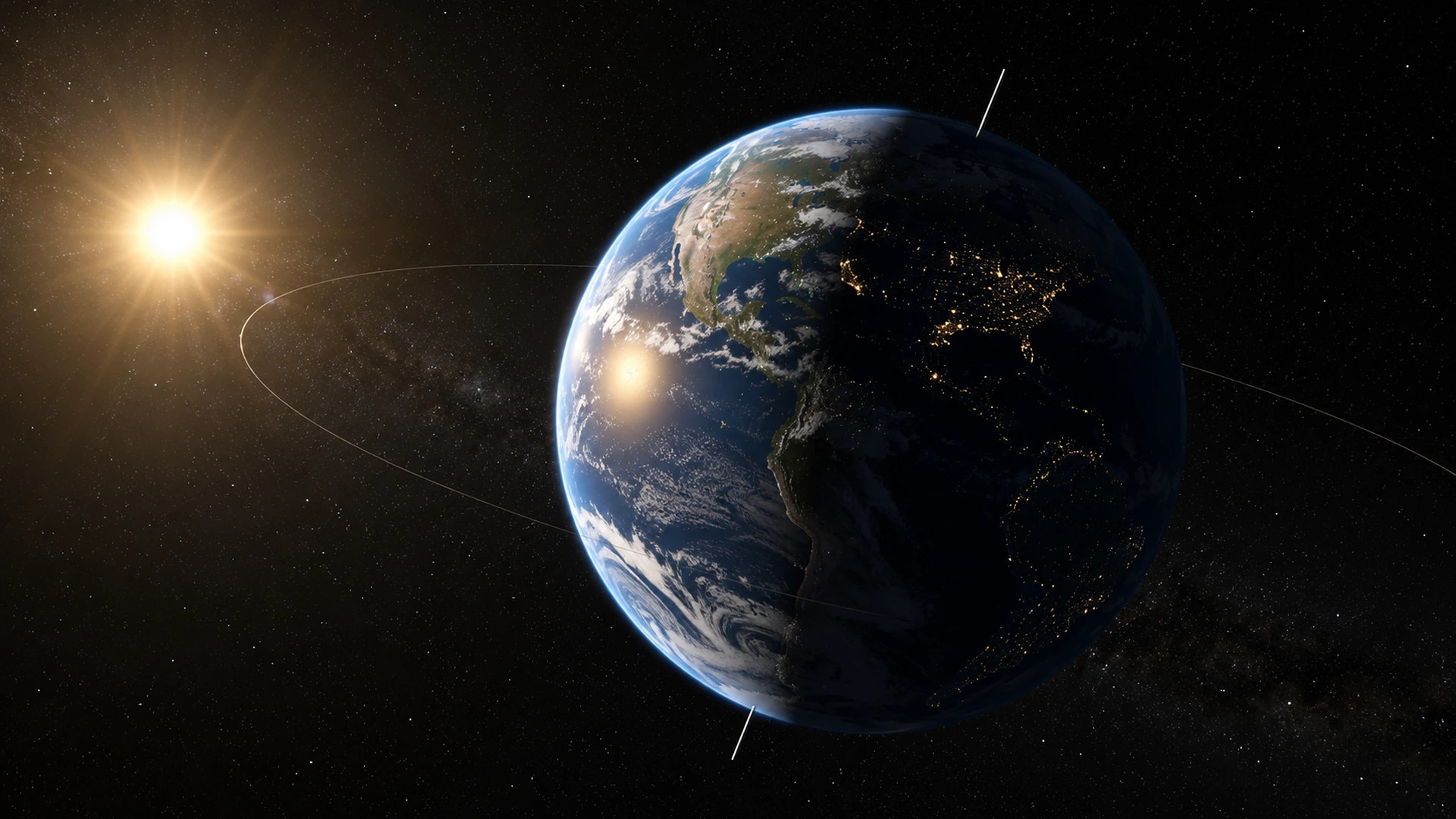
Newgrange is a passage tomb within Ireland’s Brú na Bóinne complex. Its passage and chamber face the winter-solstice sunrise. A roof box above the entrance admits a beam of dawn light that travels into the chamber for several days around December 21, sometimes illuminating the interior for up to about 17 minutes. Heritage Ireland identifies the monument as approximately 5,200 years old. [9]
The alignment demonstrates sophisticated observation, design and communal construction. It does not prove every modern claim made about prehistoric spirituality. Archaeologists can study architecture, deposits, human remains, landscape and solar orientation, but the full meanings assigned by Neolithic communities cannot be recovered with certainty.
| Image number | 4 |
|---|---|
| Purpose | Show a precise winter-solstice architectural alignment without inventing ritual activity. |
| Detailed scene | A realistic museum-quality reconstruction of the Newgrange inner passage and chamber at dawn, with a narrow beam of golden winter sunlight entering through the roof box and reaching the stone floor. The engraved stones and corbelled chamber are accurately represented. |
| Specific culture or historical context | Neolithic passage tomb at Newgrange, Brú na Bóinne, Ireland; winter-solstice sunrise alignment. |
| People shown | No people inside the chamber. |
| Location | Newgrange interior, County Meath, Ireland. |
| Clothing | Not applicable. |
| Architecture | Accurate dry-stone passage, corbelled chamber, roof-box light path and documented carved stone motifs. |
| Objects | Stone surfaces only; no candles, altars or invented ritual objects. |
| Lighting | Cool dim interior contrasted with one narrow natural beam of warm dawn light. |
| Composition | Strong central perspective down the passage toward the illuminated chamber; cinematic but documentary, not fantasy. |
| SEO-friendly filename | newgrange-winter-solstice-sunlight.webp |
| Image title | Winter Solstice Light at Newgrange |
| Alt text | Winter solstice sunrise beam illuminating the passage and chamber at Newgrange in Ireland. |
| Caption | Newgrange was designed so midwinter sunrise light enters its passage and chamber. |
| Recommended placement | After the Newgrange section. |
| Article section supported | Winter solstice architecture, archaeology and solar observation. |
| Important elements to avoid | No druids, torches, modern crowds, fantasy symbols, excessive glowing effects, text, watermarks, wrong chamber proportions or invented objects. |
Yaldā/Chella: Family, Poetry and the Warmth of Life
Yaldā/Chella is practiced in Iran and Afghanistan on the last night of autumn, around the winter solstice. UNESCO describes families gathering in the homes of elders around a table with symbolic objects and foods. Lamps represent light; red fruits such as pomegranates and watermelon evoke warmth; storytelling, poetry, music, games and gifts support family and community bonds. UNESCO inscribed Yaldā/Chella on the Representative List of the Intangible Cultural Heritage of Humanity in 2022. [10]
The tradition is living and diverse. Iranian and Afghan households may celebrate differently, and diaspora communities continue to adapt the gathering. It should not be reduced to a generic “pagan winter ritual” or detached from the families and languages that sustain it.

| Image number | 5 |
|---|---|
| Purpose | Represent a living winter-solstice tradition through an ordinary family gathering rather than spectacle. |
| Detailed scene | A realistic editorial photograph of a multigenerational Iranian family celebrating Yaldā in a contemporary home. They sit around a low table with a lamp, pomegranates, sliced watermelon, nuts, dried fruits and a poetry book. An elder reads while younger relatives listen and share food. |
| Specific culture or historical context | Yaldā celebration in Iran; a related Chella tradition is also practiced in Afghanistan. The scene should depict one clearly identified context rather than mixing national settings. |
| People shown | Iranian grandparents, adults and children in a natural family gathering. |
| Location | Contemporary Iranian home in Tehran or another urban Iranian setting. |
| Clothing | Modern modest family clothing with subtle seasonal warmth; no costume-like “ancient Persian” dress. |
| Architecture | Contemporary interior with Persian textiles and ordinary household furniture. |
| Objects | Lamp, pomegranates, watermelon, nuts, dried fruit, tea glasses and a poetry book. |
| Lighting | Warm lamplight against a cool winter evening, natural skin tones. |
| Composition | Intimate wide scene with the table central and family interaction candid; enough negative space for web cropping. |
| SEO-friendly filename | yalda-winter-solstice-family-gathering.webp |
| Image title | Yaldā Winter Solstice Gathering |
| Alt text | Iranian family celebrating Yaldā with pomegranates, watermelon, poetry and warm lamplight. |
| Caption | Yaldā/Chella celebrates light, kinship and the warmth of life on the longest night of the year. |
| Recommended placement | After the Yaldā/Chella section. |
| Article section supported | Living winter-solstice tradition and responsible cultural specificity. |
| Important elements to avoid | No generic Middle Eastern stereotypes, mixed Iranian and Afghan costume cues, religious symbols added without context, fantasy fire rituals, text, logos, watermarks or staged luxury décor. |
Dongzhi: Solar Time, Ancestors and Regional Foods
Dongzhi is the winter-solstice solar term within China’s traditional system of twenty-four solar terms and is also an important festival in many communities. China’s Meteorological Administration describes it historically as a time for honouring Heaven and ancestors, family gathering and regionally varied foods. Northern customs may feature dumplings, while southern traditions can include tangyuan, rice dishes, noodles or other local foods. [11]
There is no single Dongzhi menu or ceremony for all Chinese people. Customs differ across provinces, language communities, households and diaspora settings. The most responsible summary is that Dongzhi marks a seasonal turning point and often emphasizes reunion, remembrance, nourishment and the gradual return of longer days.
What Solstice Traditions Share—and What They Do Not
Solstice-related traditions often respond to visible changes in light, temperature, agriculture and social life. Common forms include shared meals, public gatherings, music, procession, lamps, flowers, seasonal foods, storytelling, heritage visits and remembrance of family or ancestors.
These similarities do not prove that all traditions came from one lost global religion. Human communities repeatedly observe the same sky, but they interpret it through different languages, environments, political histories and religious systems. Similar themes can emerge independently, through contact, or through later reinterpretation.
Stonehenge is an archaeological monument with documented solar alignment and uncertain complete ritual meaning.
Swedish Midsummer is a living national and family celebration scheduled near, not necessarily at, the exact solstice.
Inti Raymi is connected with Inka heritage and Southern Hemisphere winter, with a modern public performance distinct from precolonial practice.
Newgrange provides architectural evidence of midwinter sunrise alignment.
Yaldā/Chella and Dongzhi are living traditions transmitted through families and communities.
Common Misunderstandings About the Solstices
“June 21 is summer everywhere.” No. June is summer in the Northern Hemisphere and winter in the Southern Hemisphere.
“The solstice lasts all day.” The solstice is an exact astronomical instant; the calendar day contains the daylight maximum or minimum.
“Summer happens because Earth is closer to the Sun.” Earth’s axial tilt is the main cause of seasons. The Northern Hemisphere actually experiences winter near the part of Earth’s orbit closest to the Sun. [4]
“The summer solstice is always the hottest day.” Peak temperatures usually lag behind peak sunlight because land, water and air store and release heat over time.
“The winter solstice is the earliest sunset.” The earliest sunset and latest sunrise can fall on different nearby dates because solar time and clock time do not match perfectly.
“All ancient monuments were solstice observatories.” Only specific alignments supported by archaeological and architectural evidence should be described as intentional.
“All solstice festivals are versions of the same religion.” Traditions must be understood within their own communities, histories and evidence.
“A solstice ritual guarantees renewal, healing or protection.” Symbolic observance may be meaningful, but it does not scientifically guarantee personal, medical, financial or spiritual outcomes.
How to Observe a Solstice Respectfully
A respectful solstice observance does not require copying a ceremony from a culture to which you do not belong. The astronomical event is available to everyone: watch sunrise or sunset from a safe public place, record the length and direction of shadows, learn which solstice your hemisphere is experiencing, or share a meal that reflects your own family and seasonal environment.
Use “June solstice” or “December solstice” when writing for a global audience.
Name the specific community, country and historical period when describing a tradition.
Separate archaeological evidence from later folklore and modern spiritual interpretation.
Follow heritage-site access rules and do not climb, touch or remove material from protected monuments.
Do not reproduce restricted prayers, sacred objects or ritual instructions from incomplete online descriptions.
Credit living communities and official cultural institutions rather than presenting traditions as anonymous ancient wisdom.
Treat symbolic practices as cultural or religious choices, not scientifically guaranteed techniques.
Related Reading on AncestralTemple.com
Solstices and Equinoxes Explained — for the broader four-point astronomical cycle.
Seasonal Festivals Explained — for how communities connect celebrations with environmental and agricultural change.
The Moon and Agriculture — for a careful comparison of traditional calendars and scientific evidence.
Spiritual Symbols Shared Worldwide — for solar and seasonal symbols across distinct traditions.
People Also Ask
What is the main difference between summer and winter solstice?
The summer solstice gives a hemisphere its longest daylight period because it is tilted most toward the Sun. The winter solstice gives it the shortest daylight period because it is tilted most away.
When are the solstices in 2026?
The June solstice occurs on June 21, 2026 at 08:24 UTC. The December solstice occurs on December 21, 2026 at 20:50 UTC. [1][2]
Is the June solstice always the summer solstice?
No. It is summer in the Northern Hemisphere and winter in the Southern Hemisphere.
Why is the summer solstice the longest day?
The hemisphere is tilted most toward the Sun, so the Sun follows its longest and highest seasonal path above the horizon.
What happens after the winter solstice?
Daylight gradually increases in that hemisphere, although temperatures may continue falling for a time because of seasonal lag.
Why do solstice dates change?
The seasonal year is not exactly 365 days, and leap-year corrections plus time zones shift the calendar date and local clock time.
Is a solstice the same as an equinox?
No. Solstices mark the greatest seasonal daylight extremes. Equinoxes occur when the Sun is over the equatorial region and day and night are closer to equal.
Do solstices matter near the equator?
Yes astronomically, but day-length differences are much smaller. Wet and dry seasons may be more important to local climate and agriculture.
Frequently Asked Questions
1. What time is the June solstice in Uganda in 2026?
It occurs at 11:24 a.m. East Africa Time on Sunday, June 21, 2026. [1]
2. What time is the December solstice in Uganda in 2026?
It occurs at 11:50 p.m. East Africa Time on Monday, December 21, 2026. [2]
3. Does the Sun stop moving at a solstice?
No. The name describes the apparent pause in the Sun’s seasonal north-south movement before it reverses.
4. Is midsummer always celebrated on the exact solstice?
No. Swedish Midsummer, for example, is held on a Friday between June 19 and 25, and Inti Raymi is publicly celebrated on June 24. [7][8]
5. Which solstice does Stonehenge align with?
The monument is aligned with both the midsummer sunrise direction and the midwinter sunset direction. [6]
6. Why is Newgrange associated with winter solstice?
Its passage and chamber are oriented so dawn light enters through the roof box around the December solstice. [9]
7. What foods are associated with winter-solstice traditions?
Examples include pomegranates and watermelon at Yaldā/Chella and regionally varied dumplings, tangyuan, rice dishes or noodles at Dongzhi. These foods belong to specific traditions, not a universal menu. [10][11]
8. Can I create my own solstice observance?
Yes. A personal observation can focus on astronomy, gratitude, seasonal awareness or family gathering without copying restricted or culturally specific ceremonies.
Key Takeaways
A summer solstice is a hemisphere’s longest daylight period; a winter solstice is its shortest.
The same June or December solstice creates opposite seasons in the Northern and Southern Hemispheres.
In 2026, the June solstice occurs June 21 at 08:24 UTC and the December solstice occurs December 21 at 20:50 UTC.
Earth’s axial tilt—not a large seasonal change in distance from the Sun—causes the seasons.
Near the equator, solstices produce smaller daylight differences than at high latitudes.
Stonehenge, Swedish Midsummer, Inti Raymi, Newgrange, Yaldā/Chella and Dongzhi belong to distinct cultural and historical contexts.
Archaeological evidence, living tradition, folklore and modern spiritual interpretation should not be treated as interchangeable.
Solstice symbolism can be meaningful without being presented as a scientific guarantee.
Conclusion and Final Summary
The summer and winter solstices are opposite expressions of the same Earth-Sun geometry. One hemisphere receives its maximum seasonal daylight while the other receives its minimum. Six months later, the relationship reverses. Understanding this global pattern prevents the common mistake of treating June as summer and December as winter everywhere.
The cultural history is equally important. People have designed monuments around solar light, gathered with family, marked agricultural cycles, shared seasonal foods and renewed community ties near the solstices. Yet these practices do not collapse into one universal tradition. The most responsible approach combines clear astronomy with precise cultural names, documented evidence and respect for living custodians.
Research Sources and Further Reading
[1] Timeanddate — June Solstice 2026 and Kampala solar data
[2] Timeanddate — December Solstice 2026 and Kampala solar data
[3] United Nations — International Day of the Celebration of the Solstice
[4] NASA Space Place — What Causes the Seasons?
[5] NOAA National Centers for Environmental Information — Meteorological Versus Astronomical Seasons
[6] English Heritage — Understanding Stonehenge
[7] Sweden.se — Swedish Midsummer
[8] Peru.info / PROMPERÚ — Inti Raymi: The Timeless Festival of the Sun
[9] Heritage Ireland — Winter Solstice at Newgrange
[10] UNESCO Intangible Cultural Heritage — Yaldā/Chella
[11] China Meteorological Administration — Dongzhi, the Winter Solstice Solar Term
[12] AncestralTemple.com — Solstices and Equinoxes Explained
[13] AncestralTemple.com — Seasonal Festivals Explained
Publishing Notes
Keep the evergreen URL. Refresh the date table annually rather than creating a new yearly URL.
Add Article and Breadcrumb structured data. Keep the on-page FAQ for readers and AI extraction, but do not promise a Google FAQ rich result.
Use the existing “Solstices and Equinoxes Explained” article as the broad pillar and this page as the direct comparison page.
Review title CTR after enough Search Console impressions accumulate; actual GSC data should replace the inferred query priorities in this package.
When images are generated, create exactly the five saved scenes for ARTICLE_ID summer-vs-winter-solstice-2026 and export them as 1920×1080 WebP in sRGB.
Article Information
- Publisher
- Ancestral Temple
- Editor
- Ancestral Temple
- Last updated
- Jul 26, 2026
- Last reviewed
- Jul 26, 2026
- Content version
- 66b9b94212
This educational article should be read as cultural and spiritual information, not as medical, legal, financial, or emergency advice.
Helpful Related Guidance
Explore This Topic
Related Topic Cluster
Dreams & Symbolism
About the Author
 Ancestral Temple
Spiritual guide and practitioner with decades of experience in ancestral wisdom, rituals, and divine guidance.
Related Posts
View All










Leave a Comment
We'd love to hear your thoughts.