
Cleansing Ceremonies Explained: Meaning, Methods and Traditions
Quick Summary
Cleansing ceremonies are structured acts used by communities to prepare for worship, mark transitions, address ritual impurity, restore social or spiritual order, or begin again af...
Cleansing ceremonies are structured acts used by communities to prepare for worship, mark transitions, address ritual impurity, restore social or spiritual order, or begin again after a difficult period. They may involve water, smoke, prayer, recitation, fasting, seclusion, special clothing, movement through a threshold, the care of sacred objects or other actions defined by a particular tradition.
The phrase can sound universal, but the practices are not interchangeable. Shinto harae in Japan, Islamic wudu, Jewish immersion in a mikveh, Hindu sacred bathing, a Lango ceremony in northern Uganda and smoke ceremonies maintained by particular Indigenous nations do not share one origin or a single theology. Even when two traditions use water or aromatic plants, they may assign those materials very different meanings.
A careful explanation must also separate ritual purity from ordinary cleanliness. A person may be physically clean yet considered ritually unprepared within a religious system, or may complete a symbolic cleansing without receiving any medical benefit. Cleansing ceremonies can carry deep cultural, devotional and psychological significance, but they should not be presented as scientifically guaranteed cures, protections or ways to control another person.
Quick Answer
A cleansing ceremony is a formal practice intended to prepare, renew or restore a person, place or object within a specific cultural or religious system. Common methods include washing, immersion, smoke, prayer, fasting and symbolic movement. The meaning depends on the tradition, and ritual cleansing is not the same as hygiene, medical treatment or a universal spiritual technique.
What Is a Cleansing Ceremony?
A cleansing ceremony is a prescribed or customary sequence of actions through which participants understand a person, object, place or relationship to be prepared, purified, renewed or restored. The key word is ceremony: the action is placed inside a recognized pattern, often with an authorized leader, a prayer, a prescribed order, a particular location or a shared understanding of what the action accomplishes.
Anthropologists use “ritual” broadly for formalized actions whose meaning exceeds ordinary practical routine. Religious communities may use more specific words such as purification, ablution, immersion, blessing, harae, misogi, wudu, ghusl, mikveh or taharah. Translating all of them as “cleansing” can help beginners see a family resemblance, but it can also hide important differences in theology, law, history and community authority.
Ritual Purity Is Not the Same as Hygiene
Physical cleaning removes dirt, microbes or unwanted substances. Ritual purification changes a person’s status or readiness within a symbolic, legal or religious order. The two may overlap—washing with clean water can be hygienic and ritual at the same time—but they are not identical.
This distinction prevents harmful conclusions. Ritual impurity does not automatically mean that someone is morally bad, medically contaminated or socially inferior. Scholars of Jewish purity systems, for example, have emphasized that ritual impurity is a complex category rather than a simple synonym for sin or dirt. Similar caution is needed in every tradition: local terms should be understood in their own context rather than judged through modern assumptions.
What Do Cleansing Ceremonies Mean?
The meaning of a cleansing ceremony depends on who performs it, when it occurs and what relationship it is meant to repair or prepare. Several broad purposes recur across cultures, but no list applies to every community.
Preparation for worship or entry into a sacred place.
Transition into a new role, season, life stage or community status.
Return to ordinary life after death, mourning, conflict or another disruptive event.
Renewal at a calendar turning point such as a new year or midyear observance.
Reconciliation among family members, community members, ancestors or divine beings, according to local belief.
Care for sacred objects, ritual specialists, buildings or ceremonial spaces.
Personal reflection, repentance, recommitment or the release of a difficult experience.
A ceremony may therefore be less about removing an invisible substance than about changing relationships. It can publicly confirm that a person is ready to participate again, that a period of mourning has ended, that a sacred space has been prepared or that a community has acknowledged a transition.
Common Methods Used in Cleansing Ceremonies
Water: Washing, Immersion, Sprinkling and Sacred Bathing
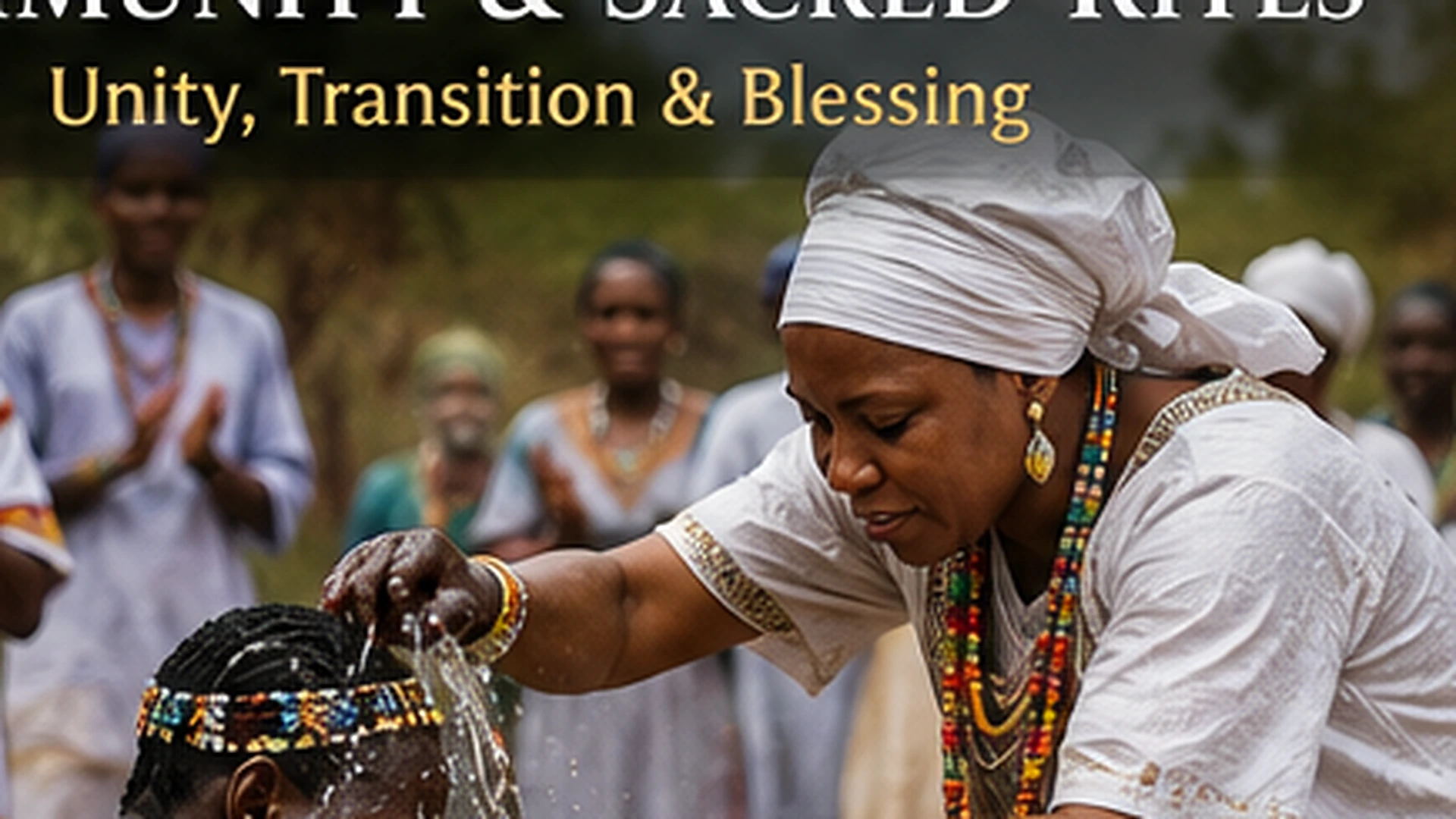
Water is one of the most widespread materials in purification rituals because it cleans physically, surrounds the body, moves across boundaries and can symbolize life, renewal or return. Yet “water cleansing” includes very different acts: washing hands before worship, immersing the whole body, pouring water over a person, sprinkling a congregation, bathing in a river or caring for an object with water.
The material itself may be ordinary clean water, water connected to a sacred source, rainwater collected under specific rules or water blessed through prayer. The method can be brief and private or part of a large public gathering. The theological explanation may concern readiness, covenant, sin, pollution, rebirth, memory or community belonging.
Because sacred water is still water, health precautions remain relevant. Natural rivers, shared pools and ceremonial vessels can carry contaminants. Religious significance does not guarantee microbiological safety, and an educational article should never encourage drinking or entering unsafe water.
Smoke, Fragrance and Sacred Plants
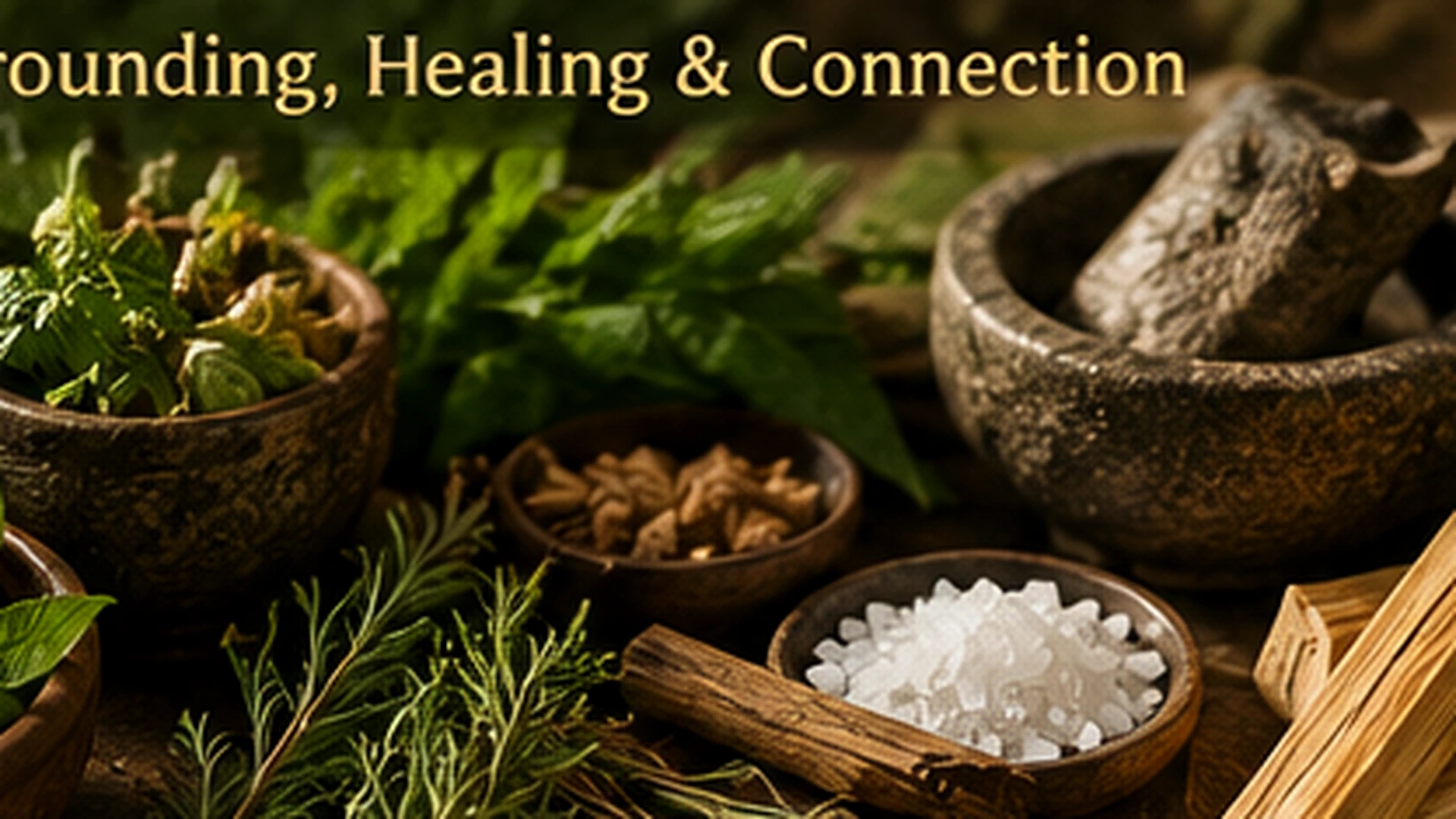
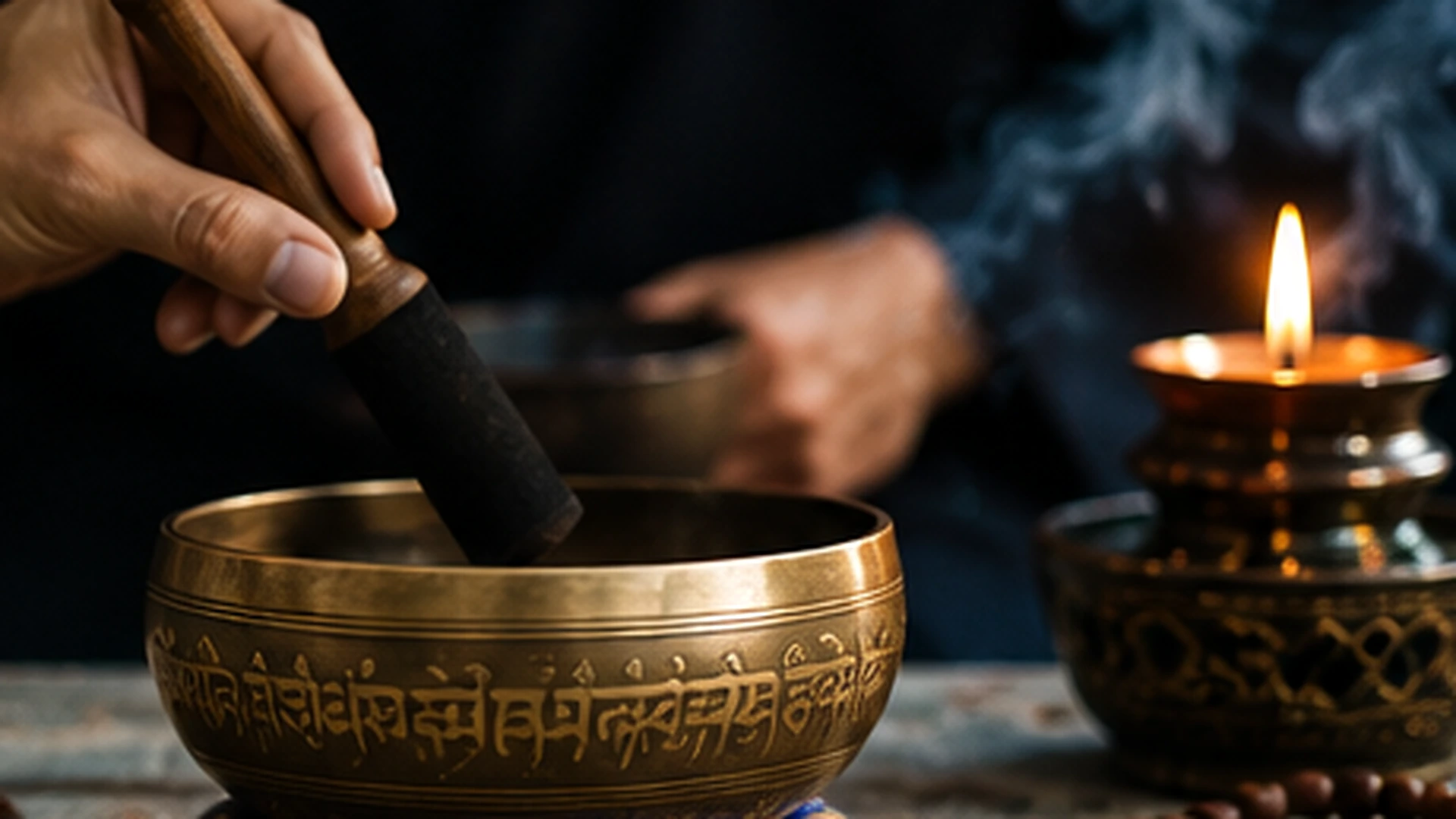
Some traditions use smoke, incense, resins or aromatic plants to prepare people and places, carry prayer, mark sacred space or support purification. The category is broad. Christian incense, Buddhist incense offerings, Indigenous smudging and household aromatic practices are not versions of one ceremony.
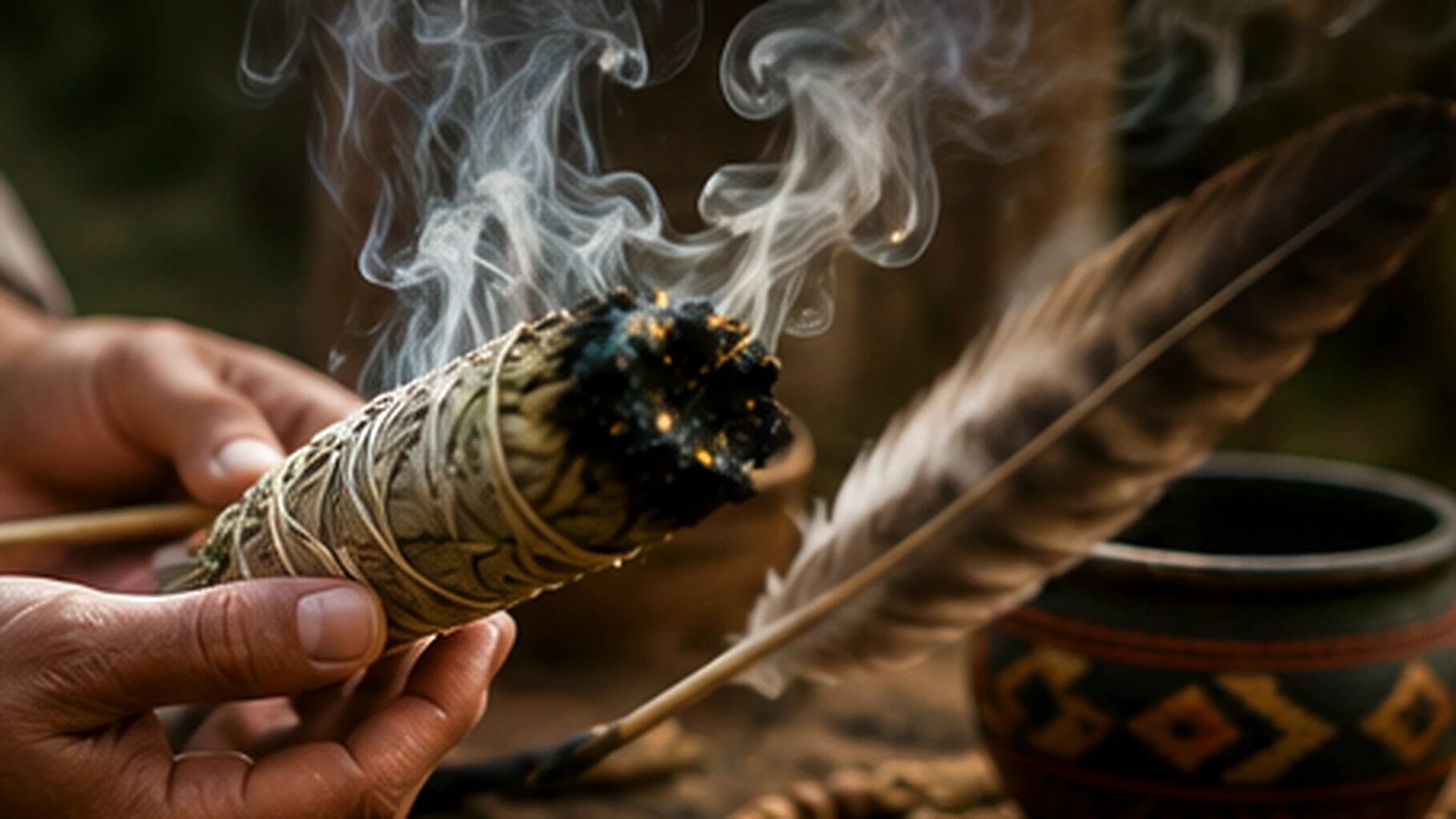
The word “smudging” is especially easy to misuse. It refers to practices maintained by some Indigenous peoples of North America, but the plants, prayers, leaders, protocols and meanings vary among nations. Some communities use sage, sweetgrass, cedar, tobacco or other locally recognized medicines; not all Indigenous peoples practice the same ceremony, and not every culture that burns herbs calls the act smudging. Canadian conservation guidance also notes that culturally sensitive objects may be cared for through smudging under community protocol. [8][9]
Smoke is not harmless simply because it is ceremonial. Asthma, respiratory conditions, ventilation, fire alarms, allergies, pregnancy, children, animals and local fire rules all matter. A respectful practice includes consent and safety rather than assuming everyone should participate.
Prayer, Recitation, Blessing and Sound
Words can be the central cleansing method rather than an accompaniment. A priest, elder, imam, rabbi, family member or individual may recite prayer, scripture, confession, blessing or a traditional formula. Sound may organize attention and declare a change of status even when no material is applied to the body.
Because sacred words may be restricted, language should not be copied merely for atmosphere. Public translations can explain the purpose of a prayer, but private liturgies and community-specific formulas should remain under the authority of their custodians.
Fasting, Seclusion, Clothing and Bodily Discipline
Preparation may also involve abstaining from food, sex, alcohol, certain activities or ordinary clothing for a defined period. Some ceremonies include seclusion, shaving, bathing, anointing or changing garments. These actions can mark seriousness, vulnerability, separation from ordinary life or readiness to return.
Such disciplines are not automatically safe for every person. Fasting can be dangerous for children, pregnant people and people with diabetes, eating disorders or other health conditions. Private ritual instructions should not be generalized into online wellness advice.
Movement, Thresholds and Symbolic Transfer
Passing through a gate, circling a place, stepping across a boundary, leaving an object behind or sending something downstream can symbolize transition. In Shinto nagoshi no harae, some shrines use a large ring made from reeds through which participants pass during a midyear purification. Other ceremonies use paper forms, hair, cloth, food or objects to represent what is being released or carried away. [4]
The object is not a universal “energy absorber.” Its meaning comes from a specific narrative, prayer and community practice. Copying the outward action without that context may produce a new personal symbol, but it should not be presented as the original tradition.
Cleansing Traditions in Specific Cultural and Religious Contexts
Shinto Harae, Misogi and Temizu
In Shinto, purification is central to approaching kami and participating in rites. Kokugakuin University’s Encyclopedia of Shinto describes harae as purification through ablutions, rites and recitations, while misogi refers more specifically to washing the body to remove pollution or misfortune. Temizu is the shorter washing of hands and mouth commonly performed at a shrine font before worship. [3][4]
The Great Purification, or Ōharae, is observed at many shrines around the ends of June and December. Practices vary by shrine and historical period. The tradition should therefore be learned through shrine guidance rather than reduced to “wash with salt water to clear negative energy.”
Hindu Sacred Bathing and Kumbh Mela
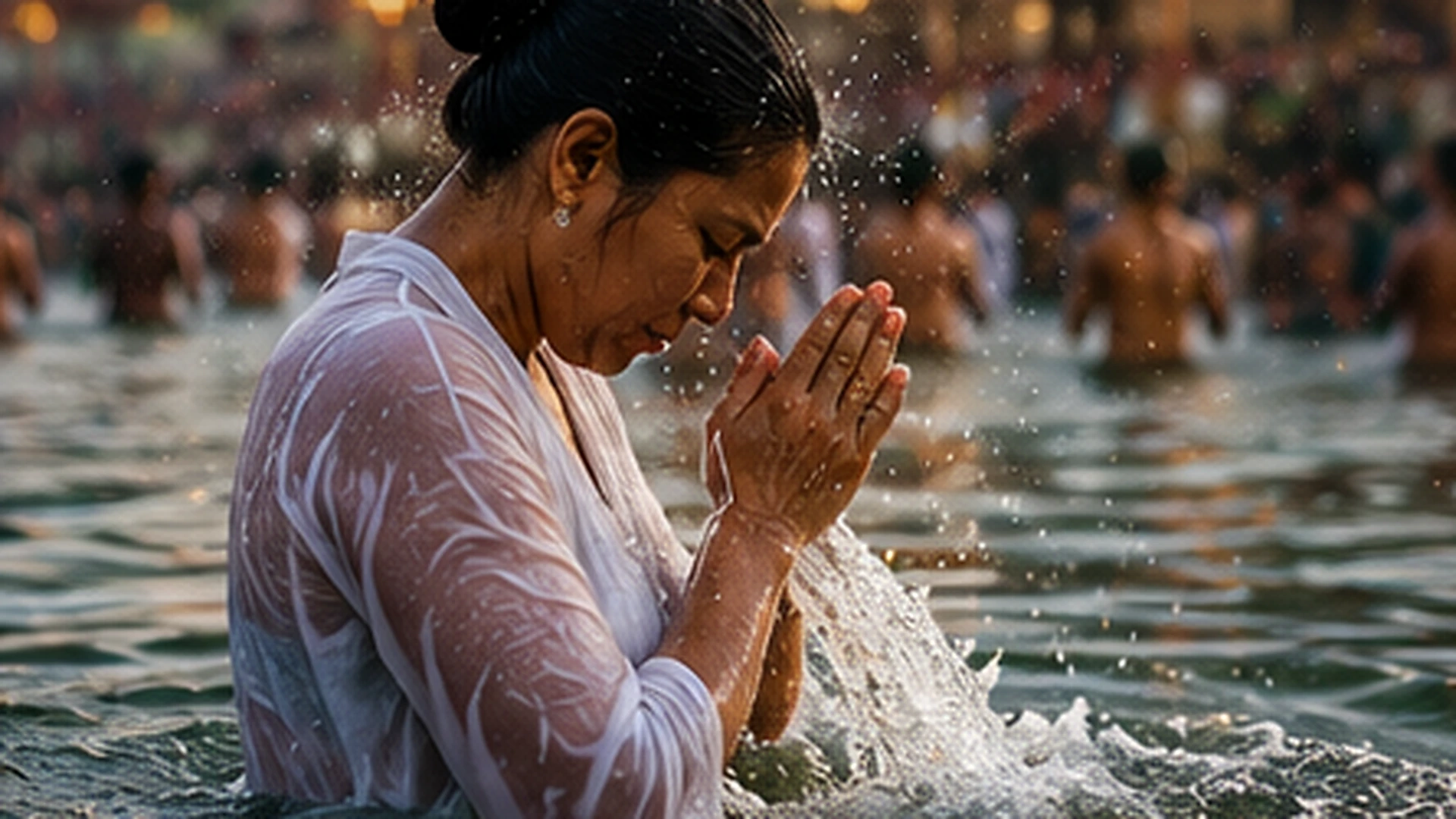
Hindu traditions contain many forms of bathing and purification, linked to temples, pilgrimage, household practice and life-cycle observances. One of the best documented public examples is Kumbh Mela, inscribed by UNESCO in 2017. Pilgrims gather in rotating host cities and bathe or take a dip in a sacred river. Participants understand the bathing through Hindu ideas of purification, merit, sin, liberation and pilgrimage, while the gathering also carries social, historical and educational meanings. [1]
Kumbh Mela should not be treated as a generic recipe for “river cleansing.” It is a major living tradition sustained by religious organizations, teachers, ascetics, pilgrims, local authorities and host communities. The river, timing, lineage and collective setting are integral to its meaning.
Islamic Wudu, Ghusl and Tayammum
In Islam, ritual purity is required for prescribed acts of worship, especially the canonical prayer. Wudu is the lesser ablution involving specified washing or wiping of parts of the body. Ghusl is a full ritual washing required in defined circumstances. When water cannot be used or is unavailable under recognized conditions, tayammum uses clean earth or dust according to Islamic law. Qur’anic passages and later legal traditions provide the framework, while details vary among schools of jurisprudence. [10]
These practices are acts of worship and legal-religious preparation, not merely symbolic wellness routines. Cleanliness is valued, but the validity of wudu concerns intention, sequence and conditions defined by Islamic tradition. A visitor should not photograph people in an ablution area without consent, and instructional details are best learned from a trusted mosque or qualified teacher.
Jewish Mikveh and Taharah
A mikveh is a Jewish ritual bath used for immersion under defined religious rules. Traditional uses include conversion, family-purity observance and the immersion of certain utensils; practices differ among Jewish communities and movements. The physical preparation before immersion may include ordinary bathing, but the immersion has a ritual purpose beyond removing dirt. [11]
Taharah can also refer to the respectful ritual preparation of a deceased person for burial by a chevra kadisha, or sacred burial society. The U.S. Holocaust Memorial Museum describes the washing, dressing and wrapping of the body as a communal duty performed with care. This funeral practice should not be confused with a living person’s mikveh immersion. [12]
Christian Baptism, Foot Washing and Holy Water
Christian traditions use water in several different ways. Baptism is an initiatory sacrament or ordinance associated with entry into Christian life, repentance, death and resurrection, or incorporation into the church, depending on denomination. It should not be reduced to a repeatable “cleansing method.”
Some churches also use holy water for blessing, remembrance of baptism or the preparation of worship spaces. Historical vessels called situlae were used to carry holy water for sprinkling during processions. Foot washing may express humility, service and hospitality in communities that practice it. The same material—water—therefore supports distinct rites with different theological purposes. [13]
A Publicly Documented Lango Cleansing Ceremony in Uganda
Africa has no single cleansing tradition. Practices belong to particular peoples, languages, regions, religious histories and periods. A carefully documented example is the male-child cleansing ceremony of the Lango people of central northern Uganda, inscribed by UNESCO in 2014 on the List of Intangible Cultural Heritage in Need of Urgent Safeguarding. [2]
UNESCO describes the ceremony as a healing and reconciliation practice intended, within Lango belief, to restore the social status of a male child believed to have lost his manhood. Public documentation mentions seclusion, special foods, hair cutting, bark cloth, shea butter, family participation, song and dance. The practice is not representative of all Lango life, all Ugandans or all African cleansing ceremonies. It is also increasingly performed in secrecy, so an educational summary should not be turned into a do-it-yourself script.
The example shows that “cleansing” may mean social restoration as much as washing. Materials, kinship roles and public recognition work together to confirm a changed status.
Ancient Egyptian Purification
In ancient Egypt, purification accompanied temple and funerary service. Museum evidence includes basins, water vessels and reliefs depicting water poured over a king. The Metropolitan Museum of Art notes that priests washed before entering a temple or tomb for service, and that pouring water over people or mummies could form part of purification rites. [5][6]
These historical practices belong to specific ancient institutions and should not be reconstructed casually as a modern “Egyptian cleansing ritual.” Surviving objects and images can document actions, but they do not preserve every spoken formula, participant’s experience or local variation.
Ifugao Water Rituals in the Philippines
Among Ifugao communities in the northern Philippines, water is connected with agriculture, social cooperation, mourning and cosmology. Research by archaeologist Stephen Acabado and Marlon Martin describes water-related practices in which villagers wash at a river to mark the beginning or end of mourning, and ritual language asks water to carry away sorrow or malaise. [7]
This example demonstrates why a ceremony cannot be separated from land and livelihood. The same water that supports rice terraces also carries political, ecological and sacred meaning. Calling it only “spiritual cleansing” would miss the agricultural and communal relationships that sustain the practice.
Indigenous Smoke Ceremonies and the Need for Specificity
Some First Nations, Native American and other Indigenous communities use smoke from sacred medicines in prayer, purification, blessing, teaching or the care of culturally sensitive objects. Public institutional guidance commonly mentions sage, sweetgrass, cedar and tobacco, but the appropriate plant, method and meaning depend on the nation and the person authorized to lead or teach. [8][9]
Respect begins by naming the community whenever possible, following local protocol and accepting that some teachings are not public. Purchasing a bundle online and copying a short video does not make a practice traditional. People outside a community can learn respectfully, attend public teaching when invited and develop their own non-appropriative reflective practices without claiming Indigenous authority.
Ancient Chinese Ablution Vessels
Objects also reveal purification practices in ancient China. The Metropolitan Museum of Art identifies a large bronze water container from the Shang dynasty as a vessel used for ablution during sacrificial rituals. [14] The object shows that ritual washing was materially organized through specialized equipment, but it does not mean ancient Chinese religion shared the same purity system as later Shinto, Islamic or Christian practice.
Cleansing People, Homes, Objects and Community Spaces
Personal Cleansing
Personal ceremonies may prepare someone for prayer, mark conversion, conclude mourning, support repentance or symbolize a fresh beginning. The safest interpretation is that the ceremony creates meaning and structure for the participant. It should not be used to diagnose possession, curse, infertility, mental illness or physical disease.
Homes and Shared Spaces
Communities may bless, wash, sprinkle, fumigate, pray over or ritually open a building. Ordinary cleaning, ventilation and repair often accompany the symbolic actions. A respectful home practice can begin with practical care: remove hazards, clean surfaces, open windows where safe, address mold or pests, and then add prayer or reflection from one’s own tradition.
Smoke should never replace fire safety, and a spiritual explanation should not be used to ignore carbon monoxide, unsafe wiring, contamination or violence in the home.
Sacred and Culturally Sensitive Objects
Some objects are washed, anointed, smoked, wrapped, fed, rested or handled only by designated people. Museums increasingly work with source communities to follow traditional care protocols. The Canadian Conservation Institute explains that smudging or ritual feeding may be appropriate for certain culturally sensitive objects, but the treatment must be determined through consultation rather than applied as a generic conservation method. [9]
Can Cleansing Ceremonies Remove Illness, Curses or Bad Luck?
Cleansing ceremonies may provide comfort, belonging, emotional focus, a sense of transition or renewed commitment. Those effects can be meaningful. However, there is no single scientific test showing that ritual cleansing removes supernatural forces, guarantees protection, cures disease, restores fertility, attracts wealth or changes another person’s will.
A ceremonial practice should not delay medical care, mental-health support, legal protection or emergency assistance. Symptoms such as hallucinations, severe anxiety, persistent pain, poisoning, breathing difficulty, abuse or suicidal thoughts require appropriate professional help. Cultural and religious support can accompany evidence-based care when the person chooses it; it should not be presented as a guaranteed substitute.
The same principle applies to environmental hazards. Burning plants does not disinfect a room reliably, and sacred water can still contain pathogens. Claims about antimicrobial effects in laboratory conditions do not prove that a household smoke ritual sterilizes air or prevents disease.
How to Learn About Cleansing Ceremonies Respectfully
Name the specific community, religion, region and historical period instead of saying “ancient people” or “African tradition.”
Use sources produced by community institutions, recognized scholars, museums, universities and heritage bodies.
Distinguish public teaching from restricted knowledge. Do not demand private prayers, sacred names or initiation details.
Do not combine unrelated methods into a fictional “powerful ritual.”
Ask before photographing, recording or posting a ceremony.
Follow health, fire, water and environmental rules even when an action is sacred.
Credit living custodians and recognize that traditions change over time.
Describe beliefs as beliefs and scientific findings as scientific findings.
A Non-Appropriative Personal Cleansing Practice
A person does not need to borrow a closed or community-specific ceremony to mark renewal. A simple personal practice can be honest about being personal rather than traditional.
Clean and make the space physically safe.
Wash your hands or face with ordinary clean water.
State the purpose in your own words: ending a difficult day, preparing to pray, or beginning a new habit.
Use a prayer, poem, song or silence from your own faith or family tradition—or write a new reflection without claiming ancient authority.
Choose a practical next action, such as apologizing, seeking help, removing a hazard or keeping a commitment.
Close by disposing of materials safely and recording what the transition means to you.
This approach does not reproduce harae, wudu, mikveh, smudging or a Lango ceremony. It uses ordinary actions to create a personal moment of reflection while respecting the ownership and integrity of living traditions.
Common Misunderstandings
| Misunderstanding | More accurate explanation |
|---|---|
| “All cleansing ceremonies remove negative energy.” | Many traditions do not use the concept of energy. They may speak instead of ritual status, sin, pollution, readiness, blessing, mourning or social restoration. |
| “Water rituals are basically the same everywhere.” | Immersion, hand washing, sprinkling and river bathing belong to different legal, theological and historical systems. |
| “Smudging is a universal Indigenous practice.” | Only some Indigenous communities use practices described by that term, and protocols vary by nation. |
| “Africa has one traditional cleansing ritual.” | African practices are community-specific. A Lango ceremony in Uganda cannot represent Yoruba, Akan, Zulu, Ethiopian, Egyptian or other traditions. |
| “Ancient rituals can be reconstructed from one artifact.” | Objects document materials and imagery, but often do not preserve complete words, meanings or participant experiences. |
| “A ceremony is harmless because it is natural.” | Smoke, fasting, unsafe water, unknown herbs and fire can cause real harm. |
| “Ritual cleansing cures disease.” | It may offer meaning or support, but it is not a scientifically guaranteed medical treatment. |
Key Takeaways
A cleansing ceremony is a structured act of preparation, renewal or restoration within a particular cultural or religious system.
Ritual purity and physical hygiene can overlap but are not the same category.
Water, smoke, prayer, fasting and symbolic movement have different meanings in different traditions.
Specificity matters: name the community, religion, location and historical period.
Public examples such as Kumbh Mela, Shinto purification and the Lango ceremony should not be converted into generic online recipes.
Cleansing ceremonies are not scientifically guaranteed cures, protections or ways to control outcomes.
A personal reflective practice can be meaningful without claiming ownership of another community’s ceremony.
People Also Ask
What is a cleansing ceremony?
A cleansing ceremony is a formal practice intended to prepare, purify, renew or restore a person, place, object or relationship according to a specific cultural or religious tradition.
What methods are used in cleansing ceremonies?
Methods may include washing, immersion, sprinkling, smoke, incense, prayer, recitation, fasting, seclusion, special clothing, anointing, symbolic movement or the care of sacred objects. Not every tradition uses every method.
Why is water used in purification rituals?
Water physically cleans and can symbolize life, renewal, transition or readiness. Its ritual meaning, source and required method differ among traditions.
What is the difference between cleansing and purification?
In everyday English the words overlap. “Purification” often emphasizes a religious or ritual change of status, while “cleansing” can refer to physical, symbolic or modern spiritual practices.
Are smoke cleansing and smudging the same?
No. Smudging refers to practices of some Indigenous peoples, with nation-specific medicines and protocols. Many other cultures use smoke or incense without calling the practice smudging.
Can a cleansing ceremony remove a curse?
Some traditions interpret ceremonies as protection or release, but supernatural results cannot be scientifically guaranteed. Do not use ritual claims to delay medical, legal or safety assistance.
Frequently Asked Questions
| Question | Answer |
|---|---|
| How long does a cleansing ceremony last? | It can last minutes, hours or several days depending on the tradition. There is no universal duration. |
| Who may lead a cleansing ceremony? | The leader may be an individual, priest, imam, rabbi, elder, ritual specialist, family member or community custodian. Authority is defined locally. |
| Can cleansing ceremonies be private? | Yes. Some are personal or household practices, while others are public. Certain rites or teachings are restricted. |
| Can water be replaced with smoke? | Not automatically. Materials are not interchangeable unless the tradition itself provides an alternative. |
| Is incense a cleansing tool? | In some traditions incense prepares space, carries prayer or supports purification. In others it has a different devotional purpose. |
| Are cleansing ceremonies only religious? | No. Some are cultural, social, political, therapeutic or personal, though the categories often overlap. |
| Can I attend another community’s cleansing ceremony? | Attend only when the event is public or you are invited, and follow the host’s rules about dress, participation, photography and offerings. |
| Is it respectful to copy a ceremony from a video? | Usually not without context or permission. Learn from community sources and avoid claiming a copied action as authentic tradition. |
| Can children participate? | That depends on the ceremony and community. Safety, consent and age-appropriate understanding are essential. |
| Should I burn herbs indoors? | Only with ventilation, consent, fire safety and consideration for respiratory conditions, animals and building rules. Smoke-free reflection is a valid alternative. |
Conclusion
Cleansing ceremonies are not one global ritual with different costumes. They are distinct systems of action and meaning through which communities prepare for worship, mark transition, restore relationships, care for sacred objects or express renewal. Water, smoke, prayer and bodily discipline matter because communities have given them histories, rules and responsibilities.
The most respectful way to study these traditions is to be specific, source claims carefully and recognize cultural authority. A ceremony can be spiritually or emotionally meaningful without being a guaranteed medical or supernatural technology. That distinction protects both the reader and the living traditions being described.
Final Summary
A cleansing ceremony is a culturally defined act of preparation, purification or renewal. Common methods include water, smoke, prayer, fasting and symbolic movement, but their meanings are not interchangeable. Learn from named communities, avoid copying restricted rites, observe health and fire safety, and never present spiritual outcomes as scientifically guaranteed.
Research Sources and Further Reading
[1] UNESCO Intangible Cultural Heritage. “Kumbh Mela.” Inscribed on the Representative List in 2017.
[2] UNESCO Intangible Cultural Heritage. “Male-child cleansing ceremony of the Lango of central northern Uganda.” Inscribed on the Urgent Safeguarding List in 2014.
[3] Kokugakuin University, Encyclopedia of Shinto. “Harae.”
[4] Kokugakuin University, Encyclopedia of Shinto and Basic Terms of Shinto. “Misogi,” “Ōharae” and “Nagoshi no harae.”
[5] The Metropolitan Museum of Art. “Tutankhamun’s Funeral: Purification and Libation.”
[6] The Metropolitan Museum of Art. “Cornice Block with Relief Depicting the Purification of the Pharaoh.”
[7] Stephen Acabado and Marlon Martin. “The Sacred and the Secular: Practical Applications of Water Rituals in the Ifugao Agricultural System.” Cambridge University Press, 2016.
[8] University and public institutional Indigenous ceremonial-burning guidance, including San Juan College and the University of Montana, emphasizing sacred medicines, variation and protocol.
[9] Canadian Conservation Institute. “Caring for Sacred and Culturally Sensitive Objects.”
[10] John Burton. “The Qur’an and the Islamic Practice of Wudu.” Bulletin of the School of Oriental and African Studies.
[11] My Jewish Learning. “What Is a Mikveh?” and related educational material on ritual immersion.
[12] United States Holocaust Memorial Museum. “Taharah.”
[13] The Metropolitan Museum of Art. “Situla (Bucket for Holy Water).”
[14] The Metropolitan Museum of Art. “Ritual Water Container (Yu),” Shang dynasty China.
[15] Letha Victor and Michael Lambek. “Ritual.” In The Cambridge Handbook for the Anthropology of Ethics, 2023.
Editorial Disclaimer
This article is for cultural, historical and spiritual education. It does not provide medical, mental-health, legal, financial or emergency advice, and it does not guarantee supernatural, protective, fertility, relationship or financial outcomes. Readers should follow community protocol and seek qualified professional help when health or safety is at risk.
Article Information
- Publisher
- Ancestral Temple
- Editor
- Ancestral Temple
- Last updated
- Jul 26, 2026
- Last reviewed
- Jul 26, 2026
- Content version
- db70c427c6
This educational article should be read as cultural and spiritual information, not as medical, legal, financial, or emergency advice.
Helpful Related Guidance
Explore This Topic
Related Topic Cluster
Dreams & Symbolism
About the Author
 Ancestral Temple
Spiritual guide and practitioner with decades of experience in ancestral wisdom, rituals, and divine guidance.
Related Posts
View All





Leave a Comment
We'd love to hear your thoughts.