
Historical African Protection Ceremonies
Cornerstone Content
Quick Summary
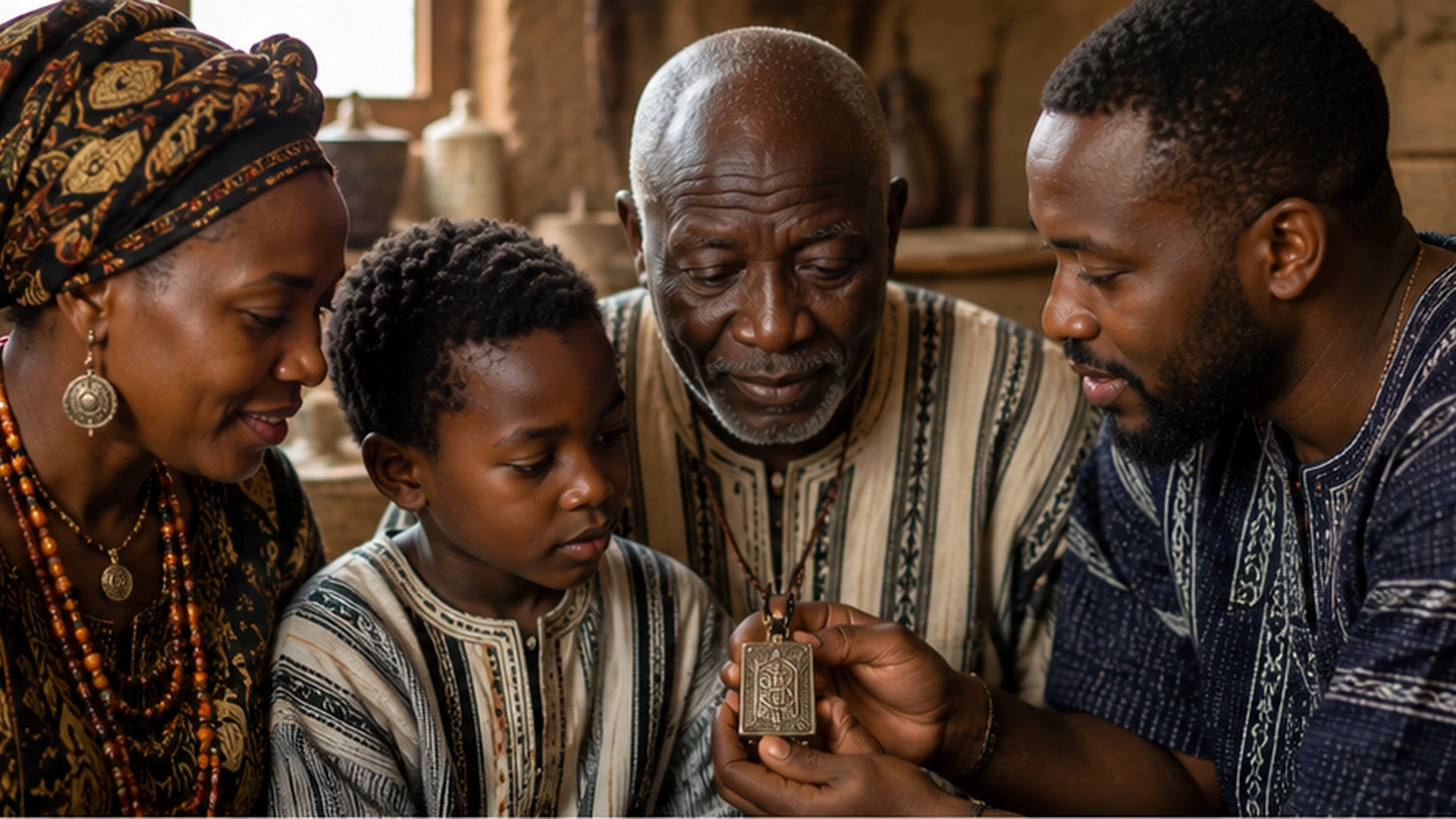
Historical African protection ceremonies were not one uniform system. Specific communities used public rituals, sacred sites, prayers, dances, royal observances, written objects, and community gatherings to seek healing, rainfall, fertility, justice, social harmony, or protection during major life transitions.
Historical African Protection Ceremonies explains the cultural and historical meaning of historical African protection ceremonies without treating one tradition as universal. The article preserves safety cautions, distinguishes spiritual interpretation from medical or legal advice, and avoids guaranteed-result claims.
Historical African Protection Ceremonies
Throughout African history, communities have developed ceremonies intended to support safety, health, fertility, rainfall, justice, social order, successful transitions, and collective well-being.
These ceremonies did not form a single system called “African protection.”
A ceremony among the Dawida community of Kenya may involve sacred dance, drums, elders, and prayer. A Sudanese life-cycle ceremony may use clothing, jewellery, songs, and symbolic objects. A Kongo ritual specialist may work with a specially prepared power figure connected with justice and community defence.
Each practice belongs to a particular history, language, religious institution, landscape, and form of authority.
The word protection also requires explanation.
In historical contexts, protection could mean:
•Helping a mother and child through a major life transition
•Seeking rain during drought
•Supporting the health of a community
•Defending a settlement or sacred place
•Restoring social harmony
•Enforcing agreements
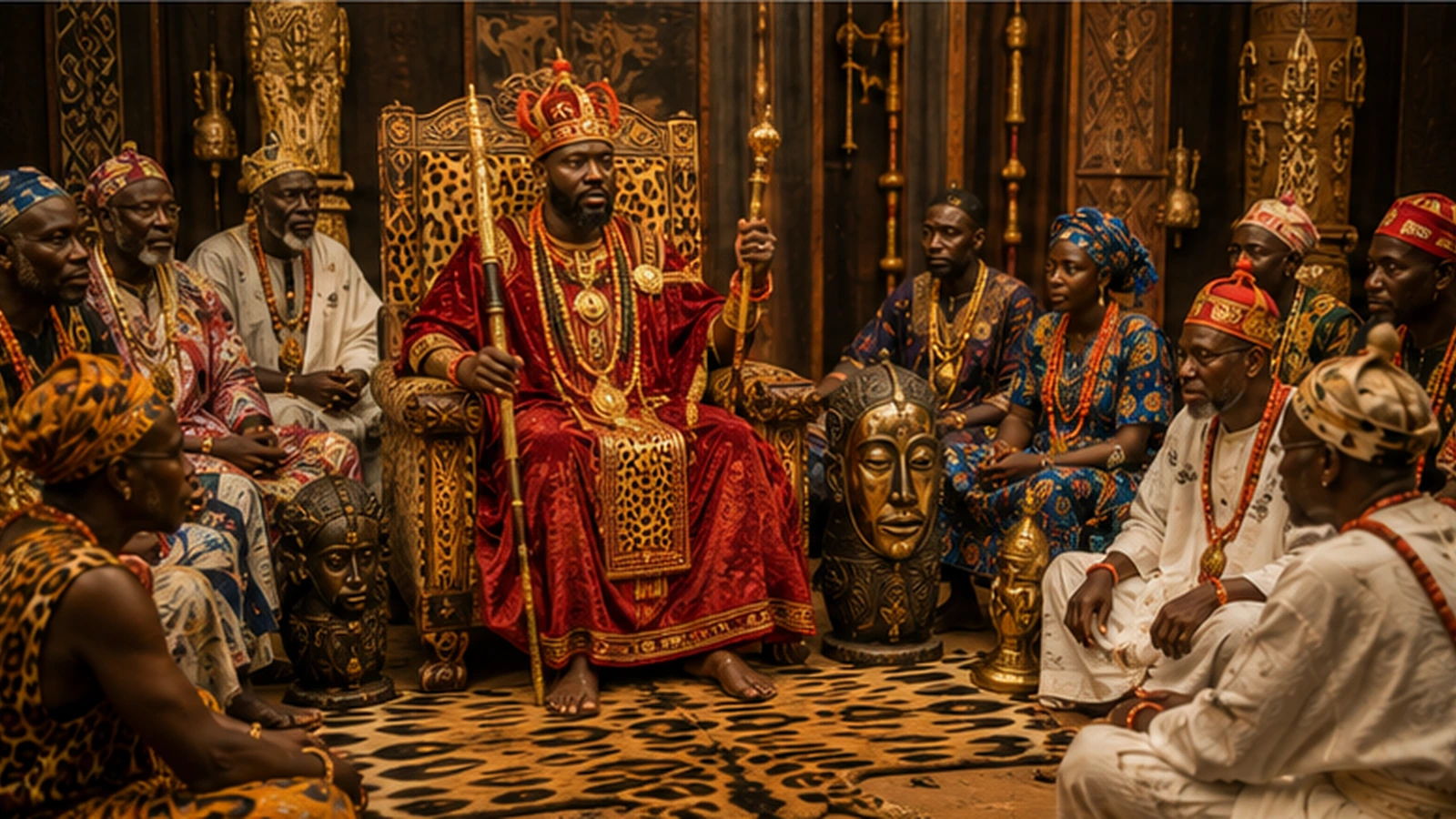
•Preparing a ruler to serve the kingdom
•Requesting permission to enter a sacred site
•Addressing fear, illness, conflict, or uncertainty
•Maintaining good relations between families and institutions
Protection did not always mean defeating an invisible enemy.
Sometimes the most important form of protection was social: resolving disputes, enforcing promises, holding a ruler accountable, preserving a forest, or bringing families together during crisis.
Quick Summary
•Historical African protection ceremonies varied greatly by community, region, period, religion, and purpose.
•Protection could concern health, fertility, rainfall, justice, sacred boundaries, kingship, social harmony, or family transitions.
•Kongo minkisi could be used by ritual specialists to address law, agreements, community defence, healing, and other social concerns.
•The Sacred Mijikenda Kaya Forests in Kenya remain important ancestral and religious sites maintained under the authority of councils of elders.
•Gèlèdé traditions among particular Yoruba and Nago communities honour powerful maternal and female forces while supporting social harmony.
•Sudanese Al-Jertiq practices accompany major life events and are associated with protection, fertility, abundance, and preservation.
•The Dawida Mwazindika spiritual dance is performed during transitions, harvests, coronations, and crises to seek healing, protection, and balance.
•Wosana is a Bakalanga rainmaking tradition observed in Botswana and parts of Zimbabwe.
•Bamoun Nguon ceremonies promote dialogue, accountability, harmony, and peace between the monarch and the community.
•The Kasubi Tombs in Uganda remain a major spiritual centre where important Buganda royal and cultural rituals are performed.
•Public information about a ceremony does not authorize outsiders to reproduce restricted prayers, objects, or ritual instructions.
•Ceremonies do not guarantee protection, healing, rainfall, pregnancy, wealth, or freedom from every misfortune.
Concise Definition
Historical African protection ceremonies are community-specific rituals or observances intended to support well-being, safety, fertility, healing, rainfall, social order, sacred boundaries, or successful transitions.
In Simple Terms
A protection ceremony may express the hope that:
“Our community will remain healthy.”
“This marriage or birth will begin well.”
“The rains will return.”
“Agreements will be respected.”
“Our sacred place will remain protected.”
“Our leaders will act responsibly.”
“We will pass through this crisis together.”
The ceremony creates a recognized way for people to gather, pray, remember, make commitments, and respond to uncertainty.
Why Ceremonies Were Used for Protection
Ceremonies Brought the Community Together
Danger is rarely experienced by one person alone.
Drought affects farmers, livestock, food prices, and families. Conflict damages trust throughout a community. The illness or death of a ruler can create political uncertainty. A difficult birth concerns relatives as well as the mother and child.
Collective ceremonies allowed people to respond together.
Gathering could provide:
•Emotional support
•Public reassurance
•Shared responsibility
•Practical assistance
•Renewed family connections
•Recognition of legitimate authorities
•A framework for resolving disputes
Ceremonies Made Commitments Public
A promise made privately can be denied.
A promise witnessed by elders, relatives, ritual authorities, chiefs, or the wider community becomes socially significant.
Ceremonies connected with oaths, treaties, marriages, leadership, or reconciliation could therefore protect social order by making responsibilities visible.
Ceremonies Connected People With Place
Protection was often linked to a specific landscape:
•A sacred forest
•A royal tomb
•A river
•A hill
•A family compound
•A shrine
•A former settlement
•An agricultural field
The ceremony could affirm that the land was not merely property. It might be connected with ancestors, history, burial, community identity, or inherited obligations.
Ceremonies Prepared People for Change
Birth, marriage, initiation, migration, coronation, harvest, illness, and death alter a person’s social position.
A ceremony marks the change and helps the community recognize the new status.
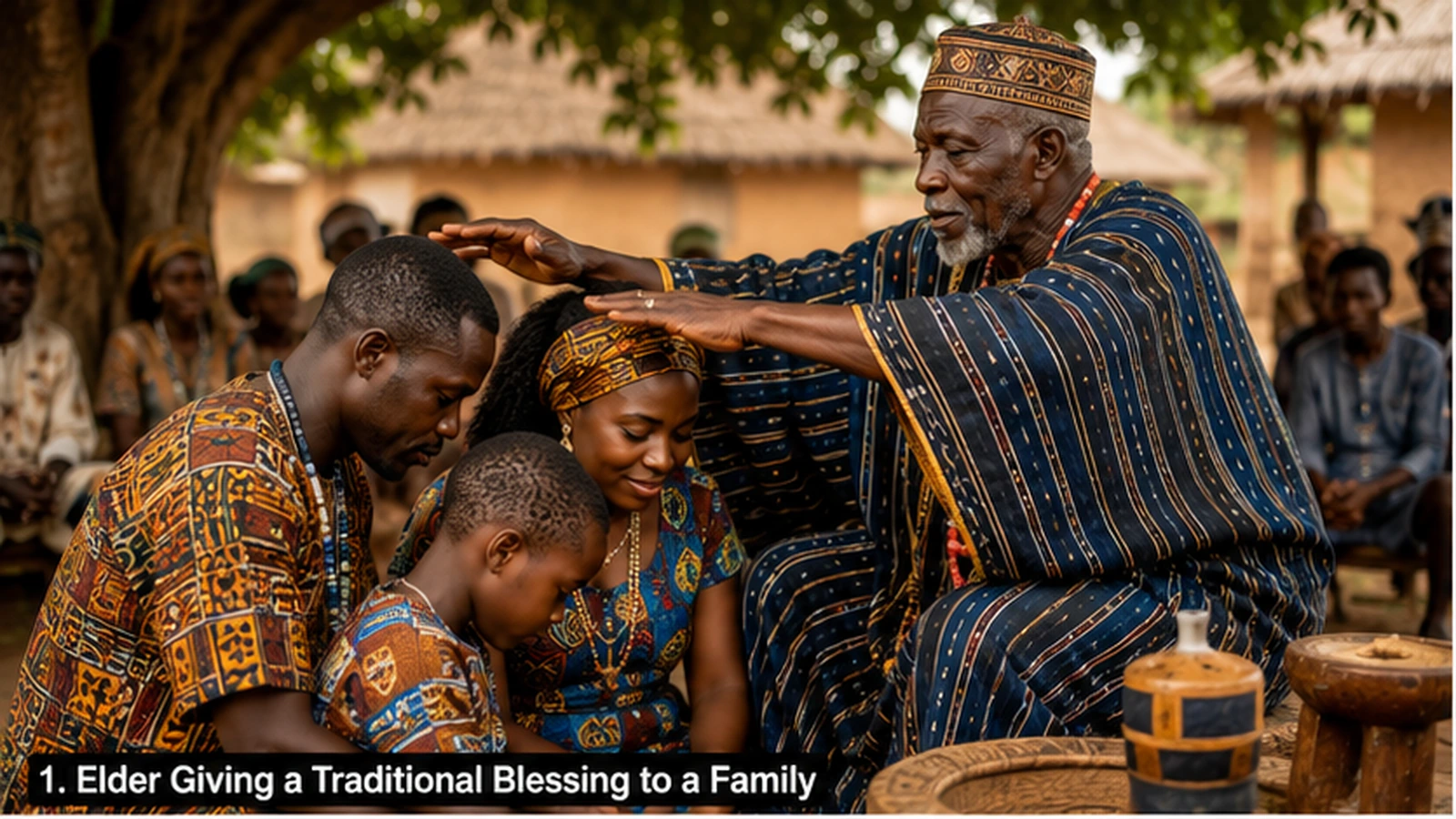
Protection during transition may involve guidance, blessing, public acceptance, or practical support rather than a promise that nothing difficult will happen.
Protection Was Not One Category
Form of protection
Possible concern
Personal protection
Health, travel, childbirth, work, or transition
Household protection
Family stability, food, children, visitors, or property
Community protection
Rainfall, peace, health, justice, or collective identity
Political protection
Legitimate leadership, accountability, treaties, or royal continuity
Environmental protection
Sacred forests, water sources, fields, animals, or harvests
Ritual protection
Preparation for a sacred place, ceremony, office, or restricted role
Social protection
Dispute resolution, oath enforcement, reconciliation, or mutual responsibility
One ceremony might address several categories at once.
Kongo Minkisi and Community Defence
Among Kongo peoples in Central Africa, minkisi—the plural of nkisi—were prepared ritual instruments intended to contain or direct particular forces.
They were collaborative works involving a sculptor and a nganga, a recognized ritual specialist. Different minkisi addressed different concerns, so they should not all be described as identical protective statues.
The Mangaaka power figure held by the Metropolitan Museum of Art dates to approximately 1880–1900 and is associated with Kongo communities along the coast of present-day Congo and Angola.
The figure was connected with jurisprudence and social authority. Its embedded metals recorded vows, treaties, disputes, and efforts to oppose wrongdoing. The museum describes Mangaaka as a force engaged in defending the community and enforcing established standards of conduct.
This provides an important lesson.
Protection was not only about preventing disease or misfortune. It could involve:
•Enforcing agreements
•Settling disputes
•Witnessing promises
•Discouraging harmful conduct
•Defending community rules
•Supporting justice
The figure did not operate as an ordinary sculpture placed anywhere for general luck.
Its meaning depended on recognized specialists, prepared substances, social procedures, community knowledge, and the cases brought before it.
Restricted preparation details should not be reconstructed from incomplete museum descriptions.
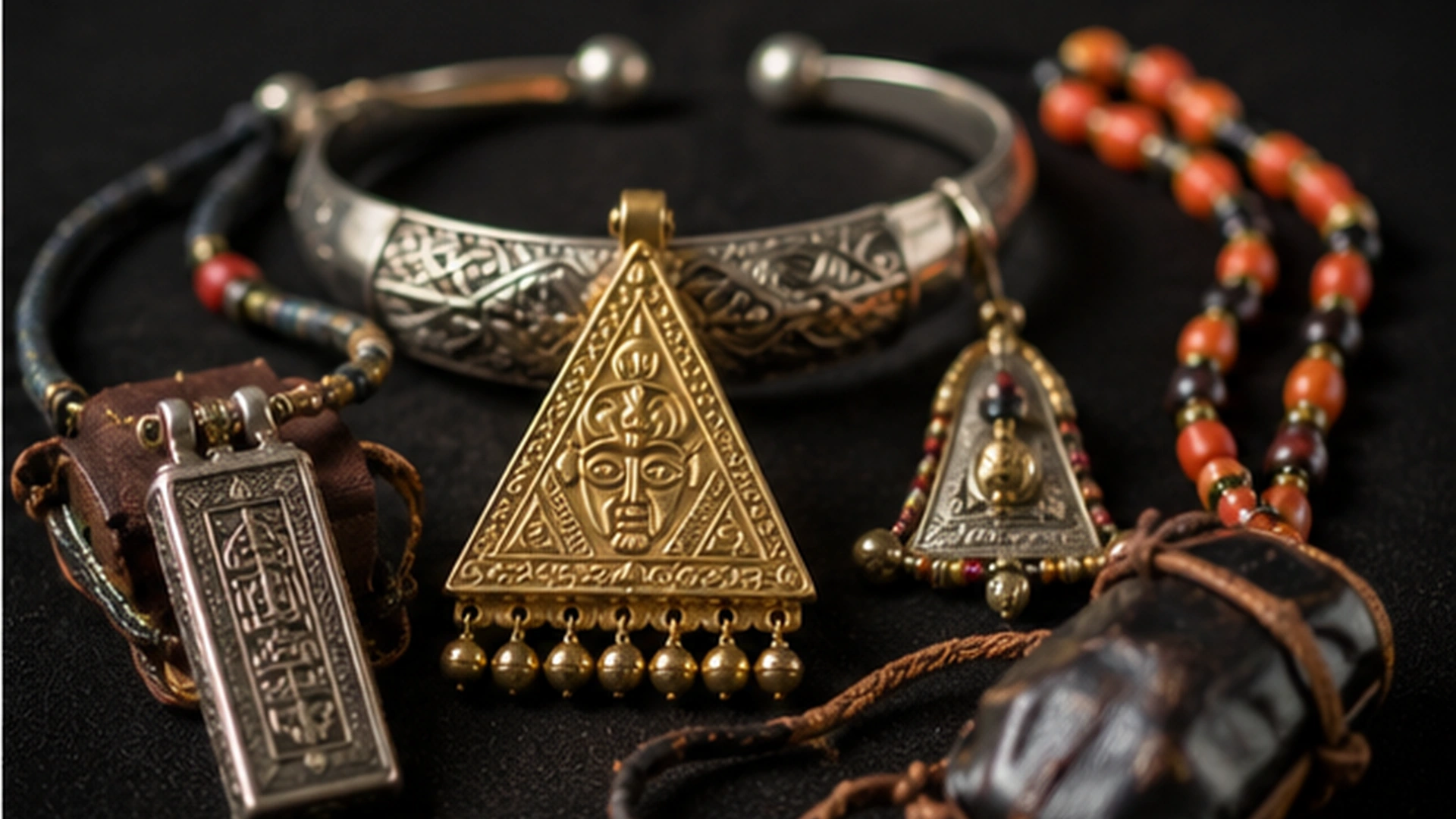
Sacred Mijikenda Kaya Forests
The Sacred Mijikenda Kaya Forests extend along Kenya’s coast and contain the remains of fortified settlements associated with different Mijikenda communities.
The kayas developed as settlements from around the sixteenth century and gradually ceased to function as ordinary residential centres during the early twentieth century. They remain sacred ancestral places and are maintained through councils of elders.
Their significance includes:
•Ancestral memory
•Community identity
•Sacred geography
•Religious practice
•Elder authority
•Environmental stewardship
•Protection of graves and forest areas
The surrounding forests survived partly because customary restrictions limited cutting, hunting, grazing, and other forms of resource use. In this way, religious responsibility also contributed to ecological protection.
Ceremonies at sacred forests cannot be separated from the place itself.
An outsider cannot reproduce a Kaya ceremony by collecting random plants, wearing generalized “African” clothing, or inventing a prayer.
Authority belongs to the relevant Kaya elders and community custodians.
Certain spaces, words, and actions may be restricted according to community rules.
Gèlèdé and the Protection of Social Harmony
Gèlèdé is an oral and performance tradition associated with particular Yoruba and Nago communities in Benin, Nigeria, and Togo.
The ceremony honours Ìyá Nlá, often translated as the Great Mother, and recognizes the social and spiritual significance attributed to women, especially mothers and elderly women.
Gèlèdé combines masked performance, drumming, song, dance, humour, commentary, and public education. UNESCO identifies the tradition as an important expression of community identity and social harmony.
It is sometimes described loosely as a ceremony for “appeasing witches.”
That wording is incomplete and often sensational.
Gèlèdé may address:
•Fertility
•Community welfare
•Respect for women
•Social misconduct
•Conflict
•Collective balance
•Public instruction
•Historical memory
The masked performers should not be assumed to be literal spirits.
The masks, costumes, songs, and dances function within a carefully organized public performance tradition.
Not every Yoruba town follows the same procedures, names, leadership structure, or calendar.
Protection Through Royal and Sacred Boundaries in Buganda
The Tombs of Buganda Kings at Kasubi in Kampala are the burial place of four former Kabakas and remain a major spiritual centre for the Baganda.
UNESCO describes the site as the kingdom’s most active religious place, where the Kabaka and his representatives perform important cultural and royal rituals.
In 2014, a traditional female custodian conducted a welcome and cleansing observance before a UNESCO mission entered a sanctuary area. The ceremony requested permission from the spirits of the kings for the visitors to enter.
This example demonstrates that protection can concern access and boundaries.
A sacred place may require:
•Permission
•Correct introduction
•Recognition of authority
•Respectful conduct
•Preparation before entry
•Protection of restricted areas
The ceremony should not be copied as a generic Ugandan house-cleansing ritual.
It belongs to a royal Buganda site, its custodians, and the traditions connected with the Kabakas.
Al-Jertiq in Sudan
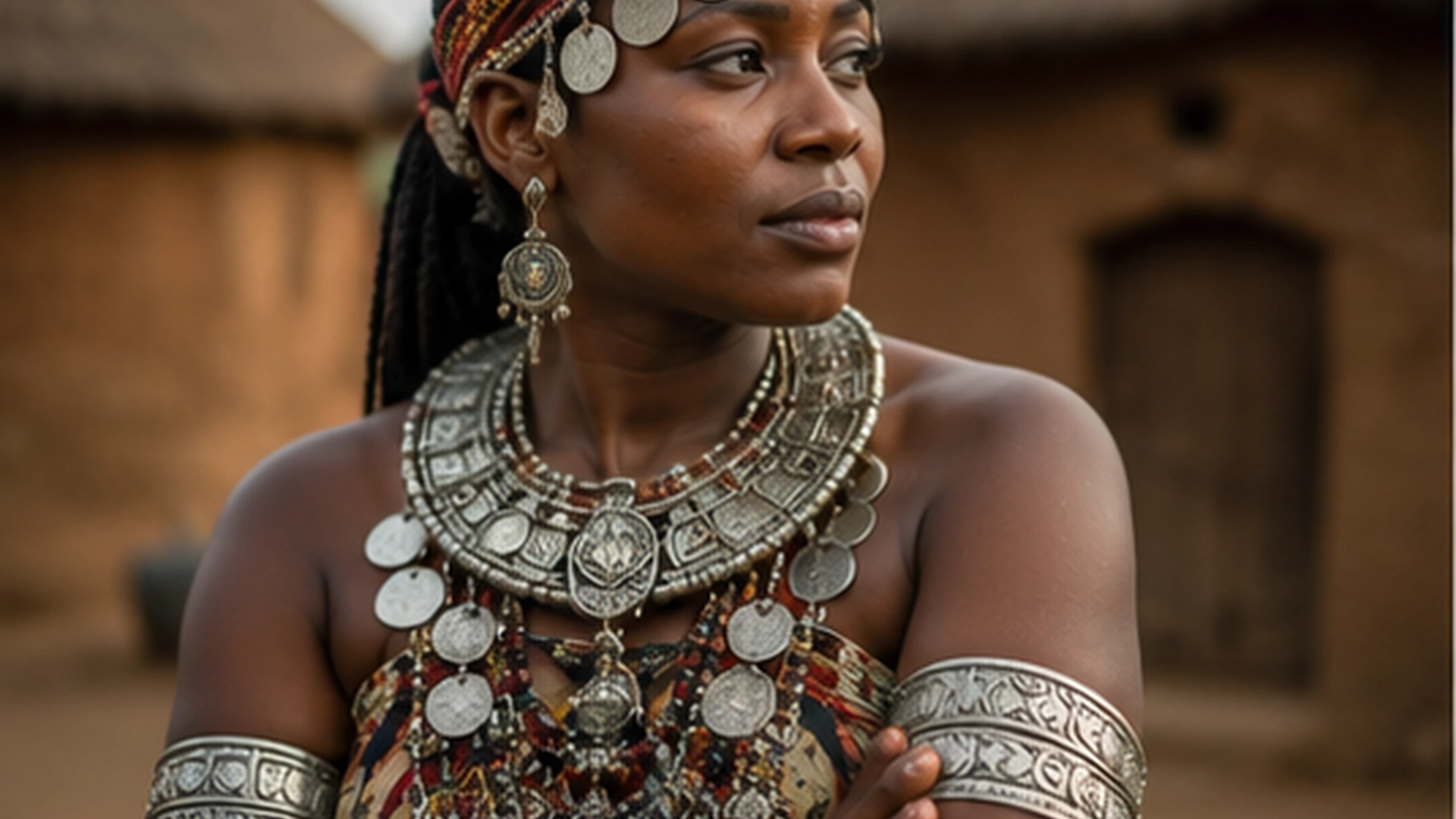
Al-Jertiq is a Sudanese complex of practices, rituals, clothing, adornment, songs, and symbolic expressions associated with major life events.
It may be observed during:
•Marriage
•Childbirth
•Circumcision
•Other significant family transitions
UNESCO inscribed Al-Jertiq on the Representative List of the Intangible Cultural Heritage of Humanity in 2025 under the title “practices, rituals and expressions for preservation, protection, abundance and fertility in Sudan.”
Different objects used during Al-Jertiq may be associated with:
•Protection from the evil eye
•Fertility
•Good fortune
•Abundance
•Family continuity
•Social recognition
Al-Jertiq should not be described as one unchanging ceremony practised identically by every Sudanese family.
Sudan contains many ethnic, linguistic, regional, Muslim, Christian, and Indigenous cultural communities.
Specific colours, jewellery, songs, foods, and ceremonial roles may vary by family and locality.
The public description of the tradition does not authorize outsiders to reproduce sacred words, claim religious authority, or sell invented “Al-Jertiq protection kits.”
Mwazindika of the Dawida Community
Mwazindika is a sacred spiritual dance practised by the Dawida community of Taita in Kenya.
UNESCO describes the tradition as combining movement, rhythm, prayer, healing, memory, and intergenerational knowledge. It may be performed during rites of passage, harvests, coronations, droughts, floods, and other times of transition or crisis.
Its stated purposes include healing, protection, and spiritual balance.
The tradition involves elders, young people, dancers, drums, sacred places, and community custodians.
UNESCO placed Mwazindika on the List of Intangible Cultural Heritage in Need of Urgent Safeguarding in December 2025 because transmission and the number of knowledgeable practitioners had declined.
This is a living ceremony rather than a museum reconstruction.
Its safeguarding depends on the Dawida community, not on outsiders extracting drum patterns, ritual preparations, or sacred procedures for commercial use.
Wosana and Protection From Drought
Wosana is a rainmaking tradition practised by the Bakalanga community in northeastern and central Botswana and in particular villages in Zimbabwe.
The ceremony involves prayer, song, dance, feasting, and inherited knowledge connected with rainfall and agricultural well-being. UNESCO placed Wosana on the List of Intangible Cultural Heritage in Need of Urgent Safeguarding in 2024.
Historically, reliable rainfall protected:
•Crops
•Livestock
•Household food supplies
•Community stability
•Future planting seasons
A rainmaking ceremony therefore addressed an environmental and social danger.
It should not be presented as scientific weather control.
Modern communities still require meteorological information, drought planning, water storage, climate adaptation, veterinary care, and agricultural support.
The ceremony’s cultural importance lies in community identity, prayer, ecological knowledge, continuity, and collective response to uncertainty.
Nguon and the Protection of Social Order
Nguon is a series of governance rituals between the Mfon, or monarch, and the Bamoun community of Cameroon’s West Region.
The ceremonies promote dialogue, harmony, accountability, freedom of expression, humility, and peace. They include public consultation and an evaluation of the monarch’s governance.
Nguon broadens the meaning of protection.
A community is not protected only when enemies are kept away.
It is also protected when:
•Leaders are accountable
•People may voice concerns
•Social tension is addressed
•Public values are reaffirmed
•Authority is limited by responsibility
•Peaceful dialogue is maintained
Nguon should not be described simply as a royal magic ceremony.
Its protective role is political, ethical, historical, ceremonial, and communal.
Who Led Protection Ceremonies?
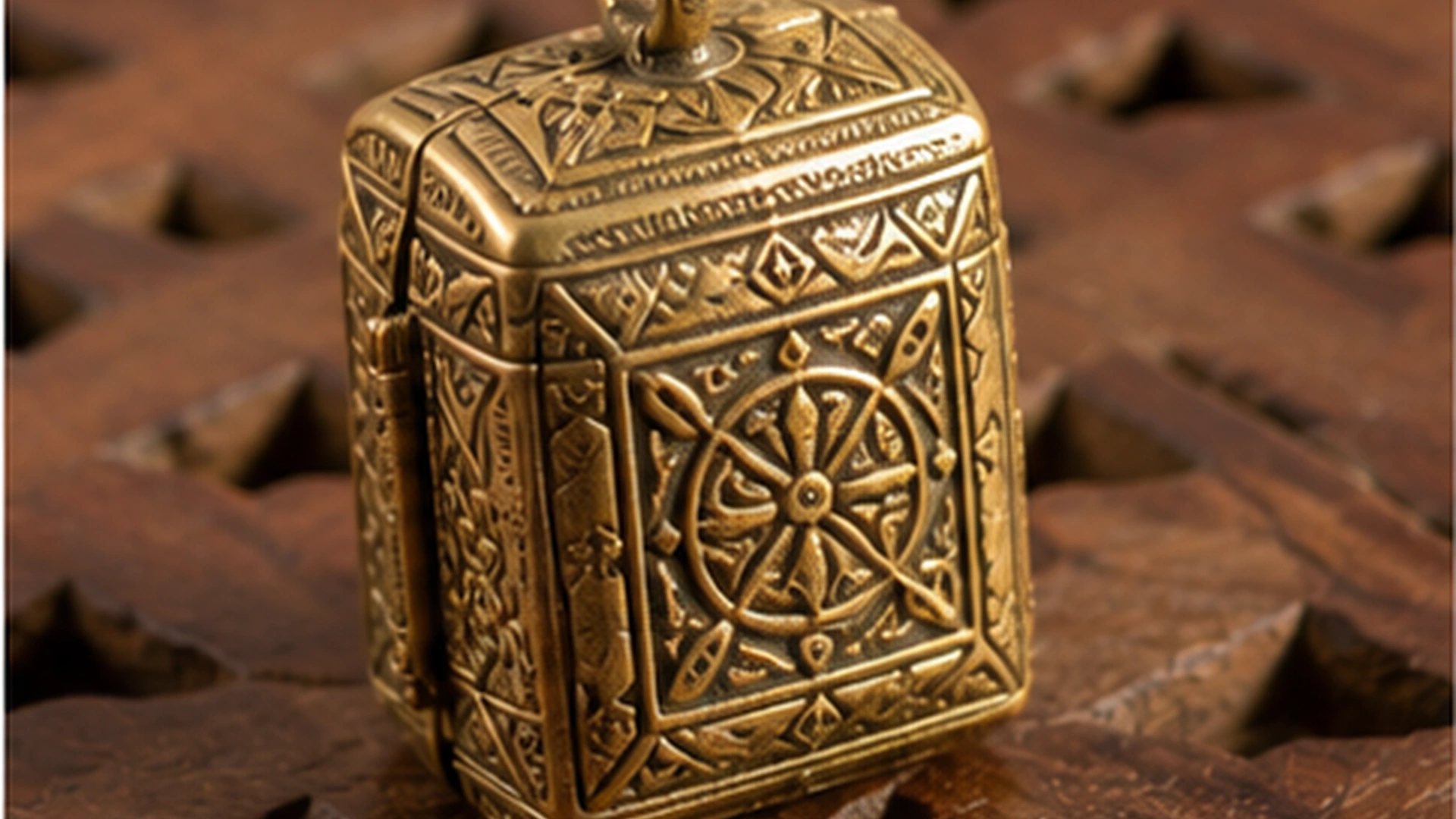
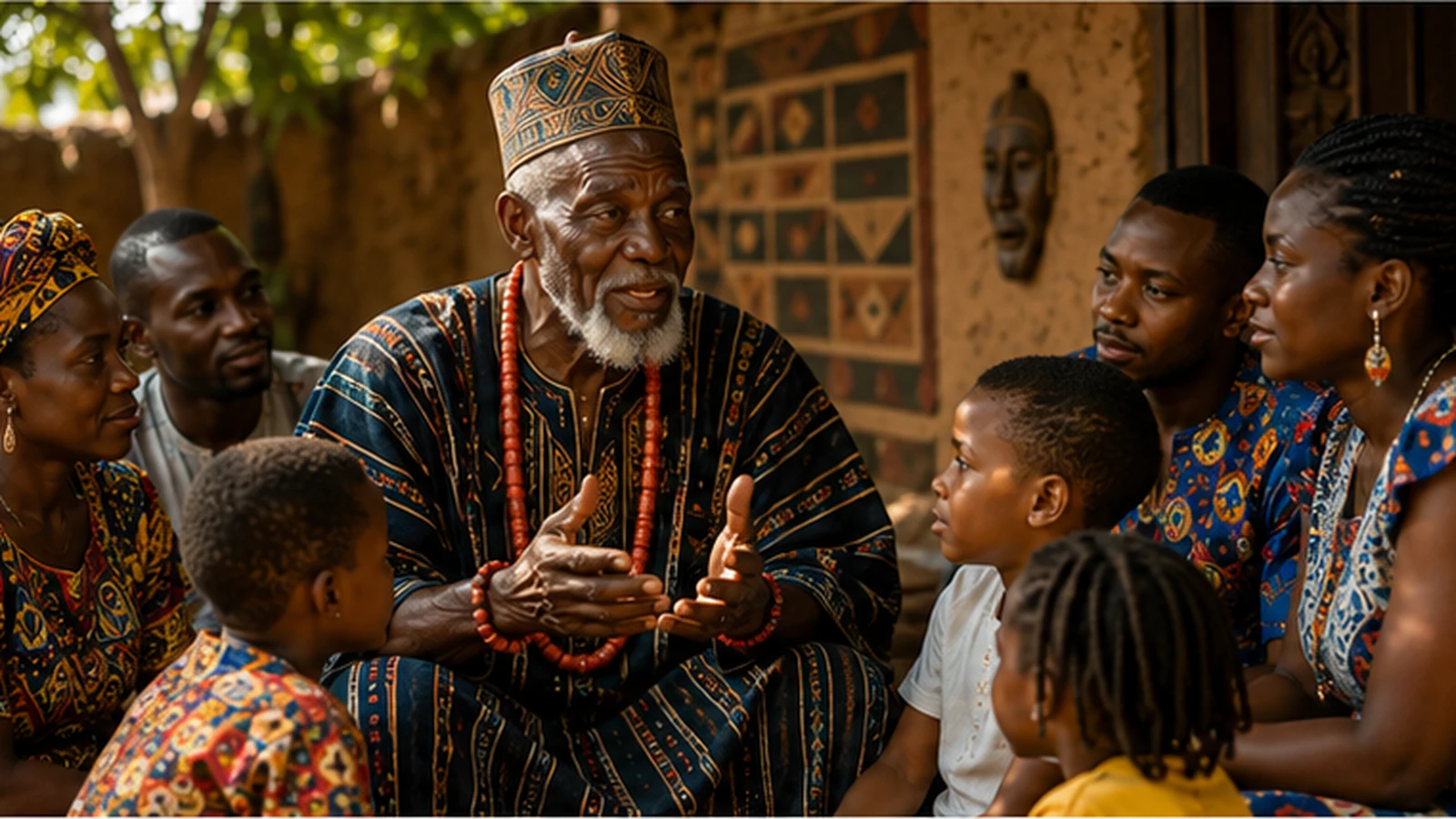
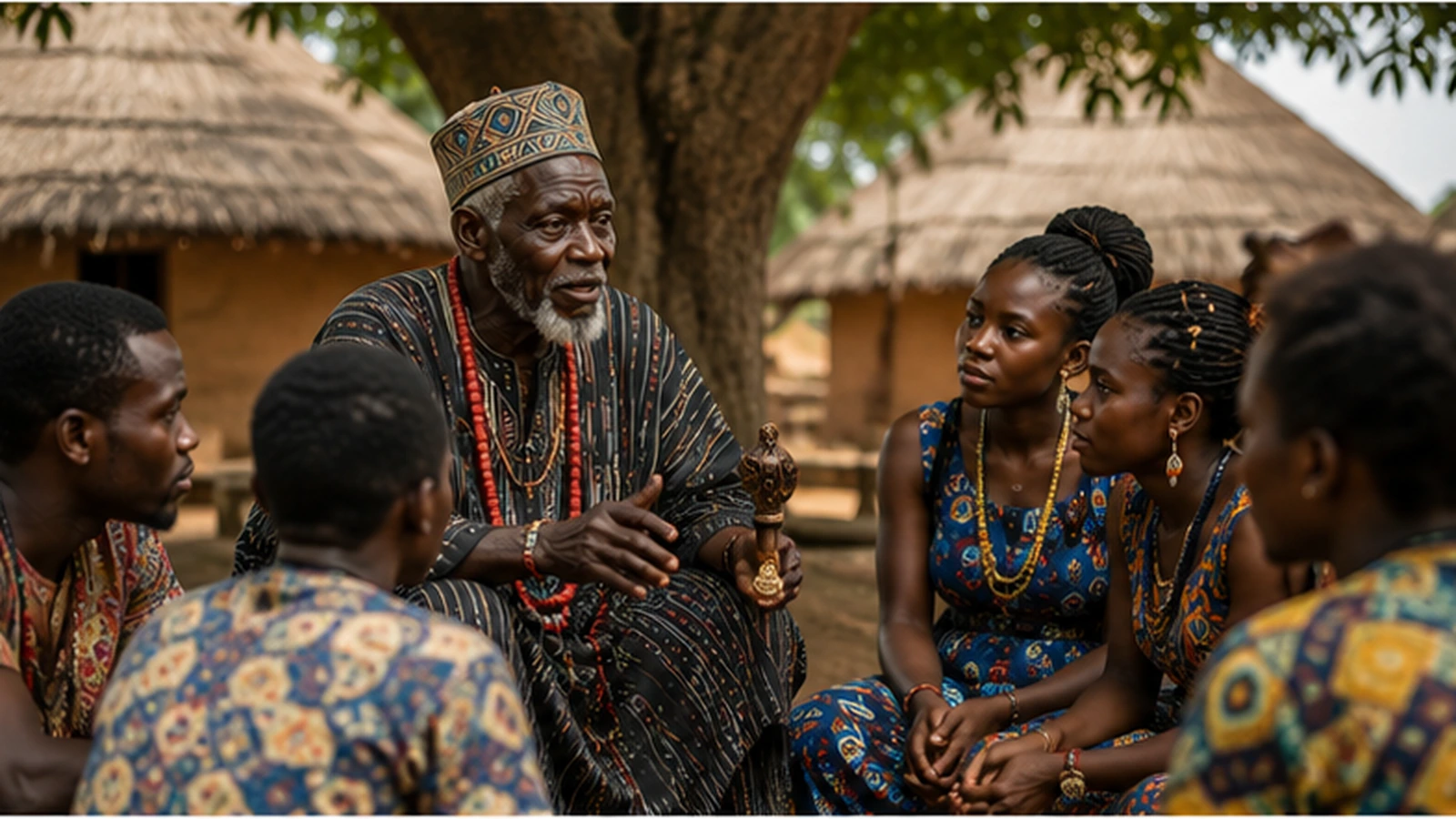
Authority differed according to the community and ceremony.
Possible leaders included:
•Elders
•Family heads
•Kings
•Queens or senior women
•Priests
•Shrine custodians
•Nganga ritual specialists
•Healers
•Diviners
•Qur’anic teachers
•Christian clergy
•Spirit mediums
•Rainmaking custodians
•Initiated office-holders
These roles are not interchangeable.
An elder is not automatically a priest.
A healer is not automatically a diviner.
A king may hold political and ceremonial authority without personally performing every ritual.
A woman leading a ceremony should not automatically be described as a “witch” or “priestess” unless that title is accurate within her community.
Common Materials and Actions
Protection ceremonies might involve:
•Spoken prayer
•Song
•Dance
•Drumming
•Water
•Sacred or medicinal plants
•Clothing
•Jewellery
•Food
•Public vows
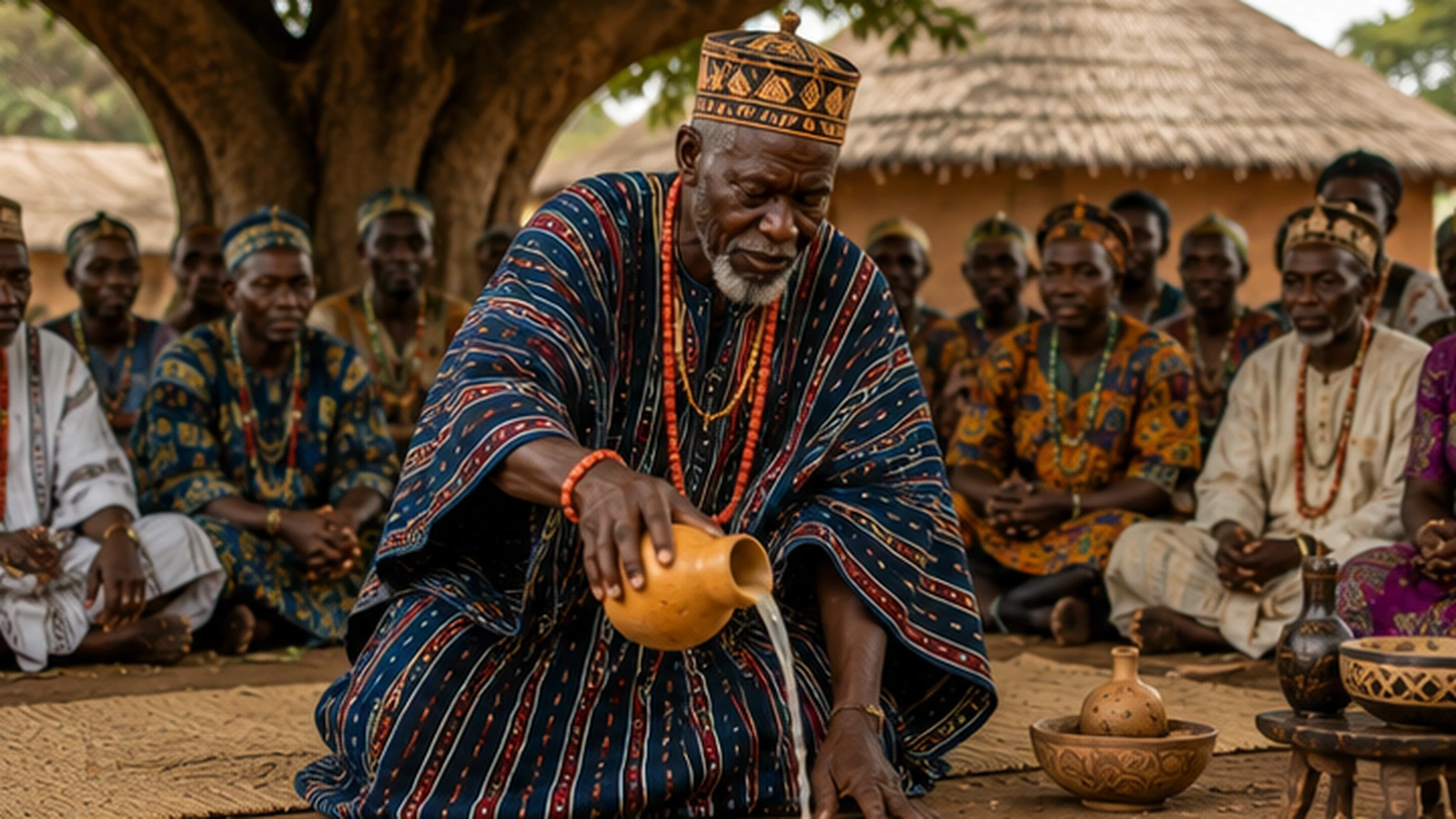
•Libation
•Procession
•Fasting
•Commun
Frequently Asked Questions
What should readers know first about african spirituality and cultural history?
African spirituality and cultural history: Read clear guidance, key signs, practical steps, and private support from Ancestral Temple.
What causes Historical African Protection Ceremonies?
The safest next step is to compare the signs, prepare clear details, and request private guidance when the matter feels personal.
How does Historical African Protection Ceremonies work?
The safest next step is to compare the signs, prepare clear details, and request private guidance when the matter feels personal.
Is it possible to get private guidance for Historical African Protection Ceremonies?
The safest next step is to compare the signs, prepare clear details, and request private guidance when the matter feels personal.
How long does Historical African Protection Ceremonies take to understand?
The safest next step is to compare the signs, prepare clear details, and request private guidance when the matter feels personal.
Can Historical African Protection Ceremonies affect relationships, family, work, or personal peace?
The safest next step is to compare the signs, prepare clear details, and request private guidance when the matter feels personal.
Why do people seek spiritual guidance for Historical African Protection Ceremonies?
The safest next step is to compare the signs, prepare clear details, and request private guidance when the matter feels personal.
What signs should someone notice before asking about Historical African Protection Ceremonies?
The safest next step is to compare the signs, prepare clear details, and request private guidance when the matter feels personal.
When should someone contact a private spiritual guide?
The safest next step is to compare the signs, prepare clear details, and request private guidance when the matter feels personal.
What causes african spirituality and cultural history?
African spirituality and cultural history: Read clear guidance, key signs, practical steps, and private support from Ancestral Temple. The safest next step is to compare the signs, prepare clear details, and request private guidance when the matter feels perso
Article Information
- Publisher
- Ancestral Temple
- Editor
- Ancestral Temple
- Last updated
- Jul 26, 2026
- Last reviewed
- Jul 13, 2026
- Content version
- a6ed4632b9
This educational article should be read as cultural and spiritual information, not as medical, legal, financial, or emergency advice.
Helpful Related Guidance
Explore This Topic
African Spiritual Traditions · Libation Ceremonies In African Communities
Related Topic Cluster
African Spirituality And Cultural History
Complete Guide Personal Blessing Ceremonies ExplainedAbout the Author
 Ancestral Temple
Spiritual guide and practitioner with decades of experience in ancestral wisdom, rituals, and divine guidance.
Related Posts
View All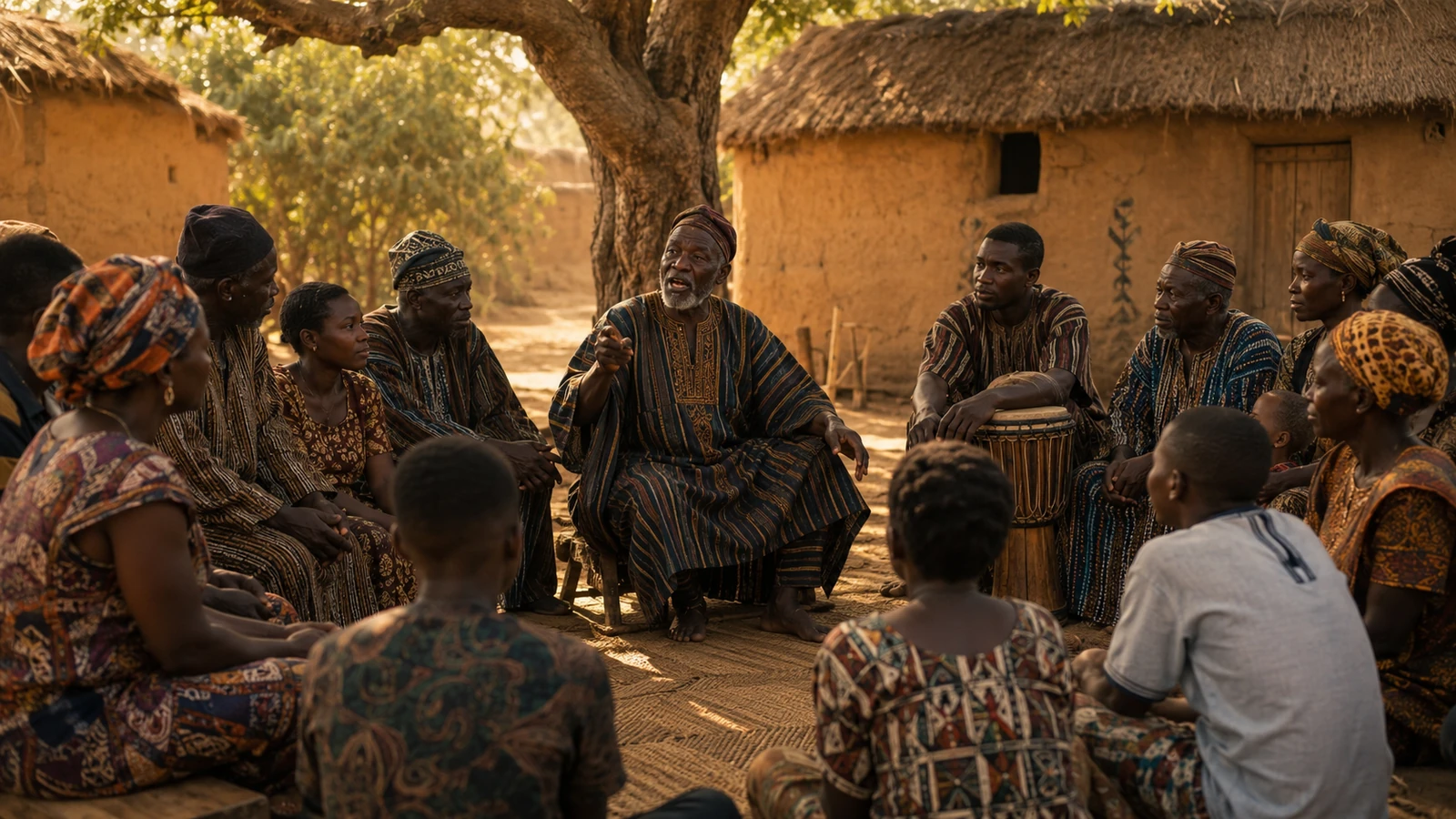

Leave a Comment
We'd love to hear your thoughts.