
Protection Before Major Life Events
Cornerstone Content
Quick Summary
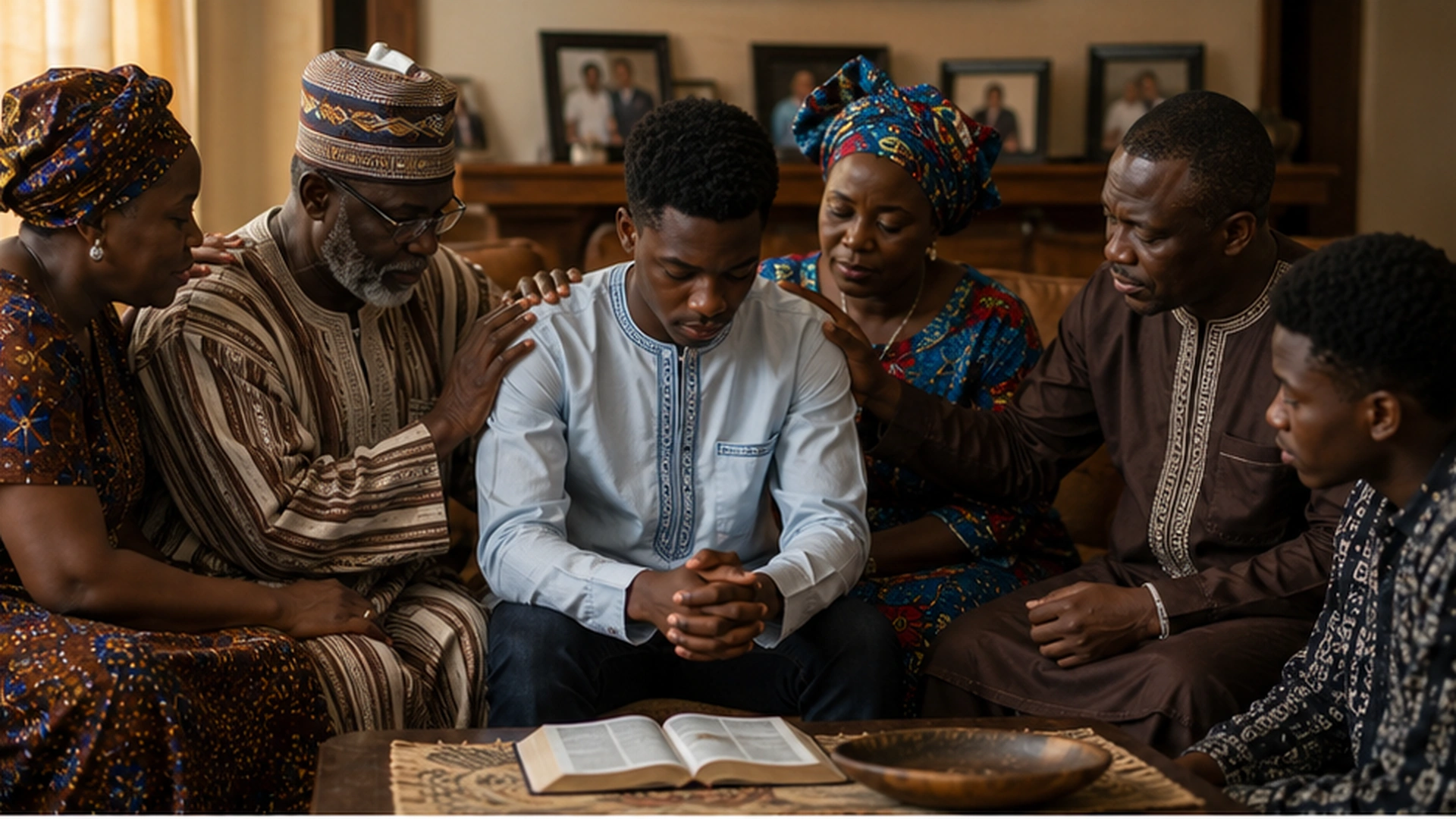
Major life events often bring hope, uncertainty, and new responsibilities. Families and religious communities may prepare through prayer, blessings, advice, protective objects, medical planning, reconciliation, or practical support. This guide explains these traditions while separating cultural belief from guaranteed protection.
Major life events can create both excitement and uncertainty.
A family may be preparing for the birth of a child. A young person may be entering adulthood. A couple may be approaching marriage. Someone may be leaving home, beginning a long journey, accepting leadership, undergoing initiation, or starting a demanding new responsibility.
Before such transitions, people often seek protection.
Protection may mean prayer, a blessing from relatives, medical preparation, legal documentation, safety advice, reconciliation, a religious service, or practical help from the community.
In some traditions, people also wear or carry objects believed to provide spiritual protection. Elsewhere, the central preparation is not an object or ritual but advice, fasting, counseling, family recognition, or a formal commitment.
These practices are not one universal tradition.
UNESCO includes birth, initiation, wedding, and funeral observances among the many forms of social practices and rites of passage maintained by communities. Their meanings, participants, and methods of transmission vary according to religion, family, historical period, gender, age, social office, and location.
Key Points
Protection before major life events refers to the spiritual, social, emotional, medical, legal, or practical steps people take before an important transition.
These steps may include:
- Prayer or religious supplication
- A blessing from parents or elders
- Family advice
- Medical examinations
- Counseling
- Legal preparation
- Travel planning
- Protective objects
- Community recognition
- Reconciliation
- Financial planning
- Safety education
- A naming or commissioning ceremony
- Commitments of practical support
A protective ceremony may offer reassurance, faith, identity, and community support.
It cannot guarantee protection from illness, accidents, violence, pregnancy complications, relationship problems, legal disputes, financial loss, or other dangers.
The safest approach combines meaningful cultural or religious practices with appropriate professional care and practical preparation.
What Is Protection Before a Major Life Event?
Protection before a major life event is any recognized action intended to help a person approach an important transition with safety, guidance, confidence, spiritual support, or community approval.
The protection may be understood as:
- Religious: asking God or another recognized sacred recipient for guidance and care
- Cultural: following the customs of a family or community
- Social: surrounding the person with trusted relatives and witnesses
- Emotional: reducing fear through encouragement and preparation
- Medical: checking health risks and arranging qualified care
- Legal: confirming rights, documents, consent, and responsibilities
- Practical: preparing transport, money, accommodation, communication, or emergency contacts
A tradition can involve several of these forms at the same time.
Plain-Language Meaning
Protection before a major life event means preparing someone so they do not face an important change alone or unprepared.
The message may be:
- We are praying for you.
- We recognize this new stage of your life.
- We will support you.
- Here is the advice you need.
- Let us identify possible risks.
- Let us make sure you understand your responsibilities.
- Let us prepare properly rather than depending only on hope.
- Let us respect both cultural tradition and your safety.
Why People Seek Protection Before Life Transitions
Major events involve uncertainty
Birth, marriage, travel, initiation, migration, leadership, and other transitions change a person’s responsibilities and relationships.
Even when the change is positive, people may worry about health, safety, acceptance, money, performance, or the future.
A blessing or family gathering can create a moment to acknowledge these concerns openly.
Transitions affect more than one individual
A marriage may unite families. A birth changes household responsibilities. Leadership affects an organization or community. Migration separates relatives while creating new obligations.
Protective preparation can therefore involve the wider group rather than only the person undergoing the transition.
Ceremonies establish social recognition
A major event may become socially meaningful when it is witnessed.
Naming ceremonies, weddings, commissioning services, graduations, and initiation traditions can publicly recognize that a person has entered a new role.
Recognition often brings responsibilities as well as privileges.
Traditions connect generations
Parents, grandparents, religious leaders, mentors, or community specialists may use the occasion to transmit knowledge.
The person receives not only supportive words but also expectations about integrity, family responsibilities, safety, and conduct.
Different Forms of Protection
Spiritual and Religious Protection
Spiritual protection may involve prayer, scripture, blessing, fasting, confession, religious counseling, or participation in a recognized service.
Its meaning depends on the religion involved.
A Christian blessing, a Muslim supplication, a Jewish traveler’s prayer, an Indigenous family observance, and a secular statement of support are not interchangeable.
Social Protection
Social protection comes from trusted relationships.
Relatives and friends may promise to:
- Check on the person
- Provide transport
- Help with childcare
- Contribute food
- Offer accommodation
- Respond during an emergency
- Support a new couple
- Assist someone beginning work or study
- Protect a child’s interests
- Hold a new leader accountable
This form of protection can have a direct practical effect because people commit to specific responsibilities.
Medical Protection
Medical preparation is essential when a life event involves pregnancy, childbirth, surgery, circumcision, strenuous travel, or another health risk.
It may include:
- Medical screening
- Prenatal care
- Vaccination
- Medication planning
- Hygiene
- Qualified supervision
- Emergency referral arrangements
- Mental-health support
- Recovery planning
Traditional or religious support may accompany medical care but should not replace it.
The World Health Organization emphasizes that traditional and complementary practices require evidence, safety standards, appropriate regulation, informed decision-making, and responsible integration with health systems.
Legal and Practical Protection
Before marriage, travel, business, migration, adoption, leadership, or property transfer, protection may require documents and professional advice.
Examples include:
- Marriage registration
- Valid identification
- Passports and visas
- Insurance
- Employment contracts
- Property agreements
- Consent forms
- Emergency contacts
- Safe transport
- Financial planning
A ceremony cannot replace these protections.
Protection Before Pregnancy and Childbirth
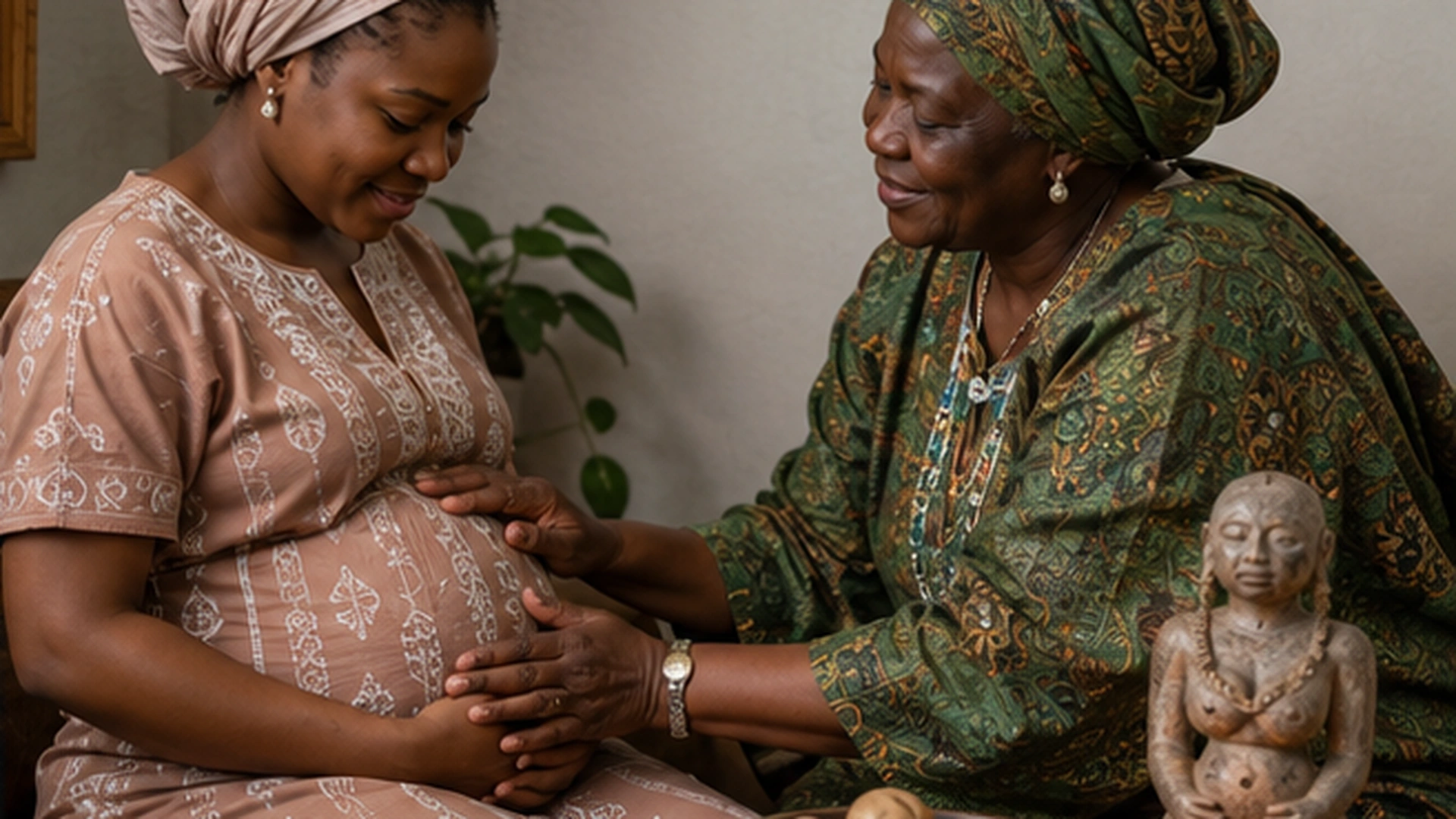
Pregnancy and childbirth have historically been treated as vulnerable transitions in many societies.
Families may provide food, rest, prayer, advice, company, or household assistance. Religious communities may offer blessings for the pregnant person and child.
Ancient Egyptian households used images and amulets associated with Taweret, a deity connected specifically with protecting women during pregnancy and childbirth. A surviving Egyptian necklace combines knotted linen with several Taweret amulets, showing how protective symbolism, tying, and maternity concerns could be brought together materially.
These historical practices should be explained in their ancient Egyptian context.
A modern reproduction of a Taweret pendant is not scientifically proven to prevent miscarriage, infection, obstructed labor, or other complications.
Practical protection before childbirth
Meaningful family preparation can include:
- Attending prenatal appointments
- Identifying a qualified maternity facility
- Planning safe transport
- Saving emergency telephone numbers
- Preparing necessary supplies
- Discussing warning signs with a healthcare professional
- Organizing childcare for other children
- Arranging blood-donor information where appropriate
- Respecting the pregnant person’s choices and privacy
Prayer and cultural support may accompany these measures.
They should not delay urgent medical attention.
Protection Before Naming and Welcoming a Child
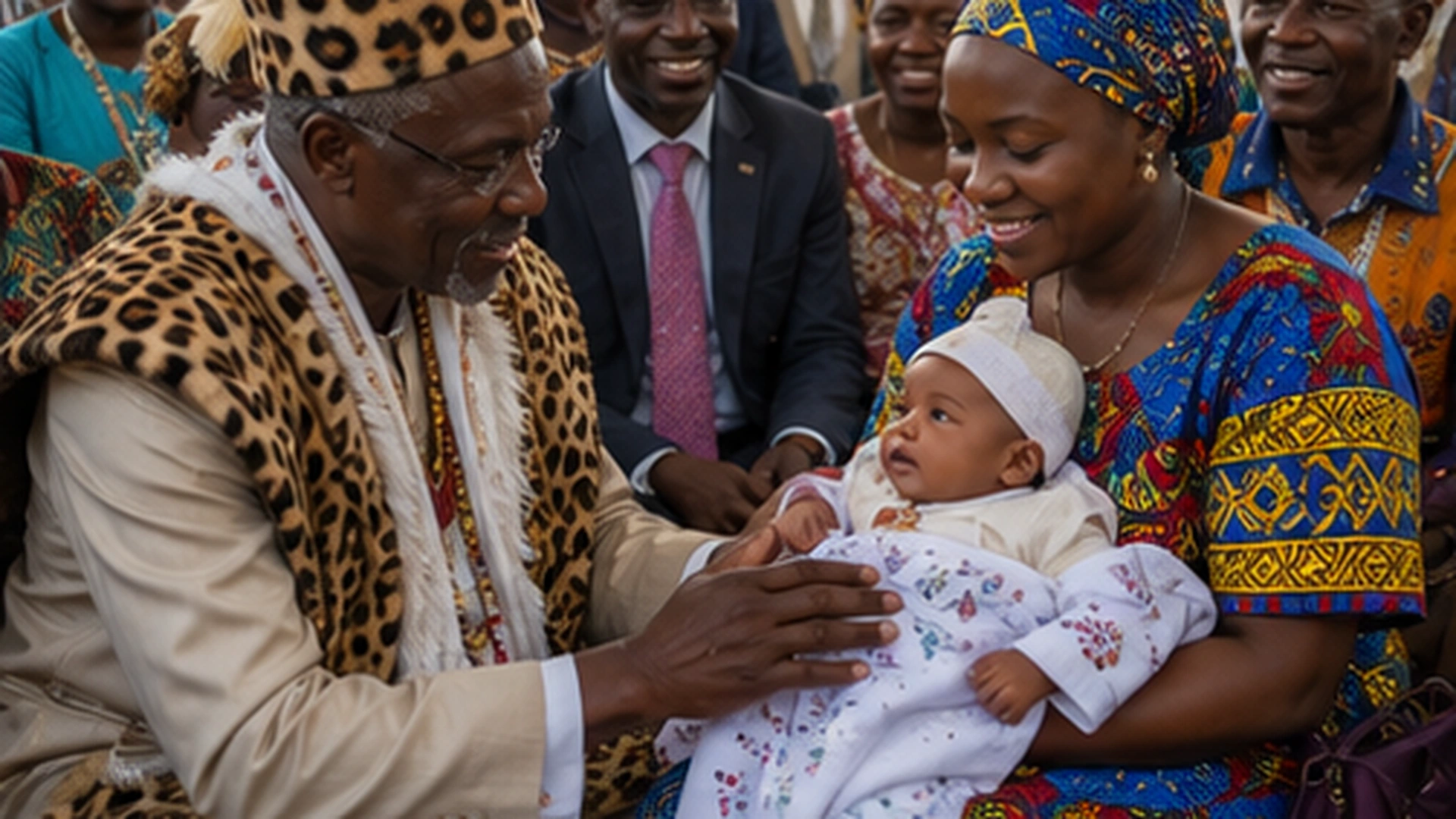
Naming is a major life event because a name may establish identity, kinship, religious belonging, and social recognition.
In western Uganda, the Empaako naming tradition is practiced among Batooro, Banyoro, Batuku, Batagwenda, and Banyabindi communities. A child receives an Empaako name within a family and clan setting, where relatives and a clan head participate in recognizing the child’s social identity and relationships.
Empaako should not be presented as a generic African protection ceremony.
Its primary documented functions include identity, affectionate address, respect, social connection, and belonging.
A family welcoming a child may seek protection by:
- Confirming responsible caregivers
- Registering the birth
- Selecting trusted guardians
- Arranging medical care
- Establishing family support
- Sharing the meaning of the child’s name
- Setting boundaries around photography and online sharing
- Protecting the child from unsafe substances or objects
No naming ceremony guarantees the child’s future health or success.
Protection Before Initiation or Adulthood
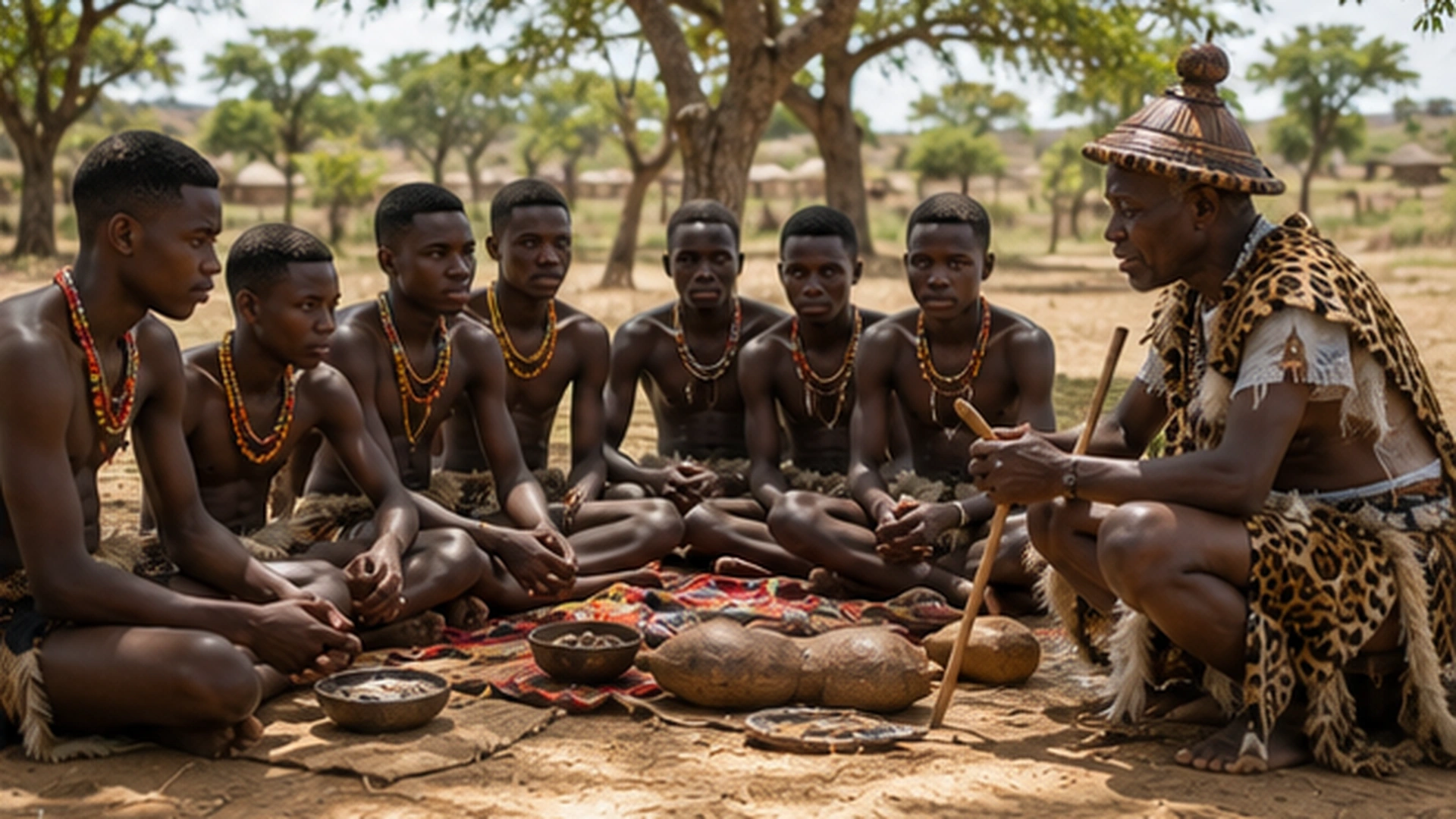
Initiation traditions may recognize movement from childhood toward adulthood, professional membership, religious responsibility, or another social status.
Some include education, seclusion, instruction, tests, bodily procedures, public celebration, or family recognition.
Not all initiation traditions involve circumcision, and initiation customs differ considerably between communities.
Safety before customary initiation
Where initiation involves a medical or bodily procedure, cultural respect must include health protection.
South African public guidance states that prospective male initiates should be medically fit, consult a healthcare facility beforehand, involve appropriate elders, and attend registered initiation schools that meet health and safety requirements. The country’s Customary Initiation Act also establishes oversight and emphasizes life, bodily integrity, cultural rights, child protection, consent, and regulation.
Protection before initiation may therefore include:
- Informed consent
- Age verification
- Medical screening
- Registered facilities
- Qualified practitioners
- Clean equipment
- Adequate water and nutrition
- Adult supervision
- Emergency referral plans
- The right to report pain, illness, abuse, or unsafe conditions
Private teachings and restricted ceremonial details should not be published merely to make an article appear complete.
Cultural privacy must never be used to conceal preventable injury, abuse, forced participation, or denial of medical care.
Protection Before Marriage
Marriage can involve emotional, legal, financial, religious, and family transitions.
Many religious and cultural traditions include blessings, counseling, family introductions, gifts, prayers, or advice before marriage.
Questions that protective preparation should address
Before marriage, both partners should understand:
- Whether consent is freely given
- Applicable marriage laws
- Financial expectations
- Property and inheritance arrangements
- Living arrangements
- Religious expectations
- Plans concerning children
- Employment and education goals
- Conflict-resolution methods
- Family boundaries
- Health information that must be discussed responsibly
- Protection from abuse
A blessing cannot make a coercive marriage safe.
Child marriage and forced marriage cannot be justified as protection. UNFPA identifies child marriage as a harmful practice connected with gender inequality, reduced education, health risks, and limited choices.
Religious blessings before marriage
Within Catholic tradition, blessings belong to the sacramentals and may be offered for people, meals, objects, and places while directing prayer toward God. Marriage itself has a separate sacramental and legal meaning within the Church and should not be confused with a general personal blessing.
Other Christian denominations, Muslim communities, Jewish communities, and African religious institutions have their own understandings of marriage preparation.
Writers should not combine them into one invented ceremony.
Protection Before Travel and Migration
Travel has historically involved danger from weather, disease, violence, theft, accidents, and separation from family.
Religious communities developed prayers and practices for travelers.
Jewish traveler’s prayer
Tefilat HaDerech, the Jewish traveler’s prayer, asks that the traveler be guided in peace and protected from dangers encountered on the journey. Wording and customs surrounding its recitation can differ among Jewish communities and prayer-book traditions.
Islamic travel supplication
Qur’an 43:13–14 is associated with remembering God’s favor when using transport and acknowledging human dependence upon God. Muslim travel supplications commonly express gratitude, humility, and requests for a safe journey.
Practical travel protection
Prayer should accompany, not replace:
- A valid passport or identification
- Necessary visas
- Confirmed accommodation
- Travel insurance
- Vaccinations where recommended
- Secure transport
- Emergency contacts
- Copies of important documents
- Medication supplies
- Communication plans
- Awareness of local laws
- Financial reserves
A religious object or prayer cannot guarantee that no accident, illness, detention, or theft will occur.
Protection Before Leadership and Public Responsibility
Leadership changes the risks faced by both the leader and the people affected by their decisions.
A leader may receive:
- A commissioning prayer
- Advice from elders
- A public oath
- Religious blessing
- Ceremonial clothing or symbols
- Recognition by family or community
- Instructions about responsibilities
Protection before leadership should not focus only on the leader’s personal success.
It should also protect the community from misuse of authority.
Responsible preparation for leadership
A new leader should understand:
- Legal limits
- Financial accountability
- Conflicts of interest
- Safeguarding responsibilities
- Record-keeping
- Decision-making procedures
- The rights of vulnerable people
- Complaint mechanisms
- Ethical use of confidential information
A blessing does not place a leader above criticism, law, or removal from office.
Protection Before Graduation, Employment, or Leaving Home
Modern life events may not belong to an ancient ritual system but can still receive meaningful family recognition.
A family may gather before someone:
- Begins university
- Starts a first job
- Moves to a new city
- Joins the military
- Begins professional training
- Opens a business
- Leaves the family home
The gathering may include prayer, advice, a practical gift, emergency funds, family contact information, or a promise of continuing support.
A new tradition should be described honestly as a family or modern community practice rather than advertised as an ancient African ritual.
Protective Objects Before Major Events
Some people wear or carry objects before travel, childbirth, marriage, examinations, military service, or another important event.
These may include:
- Crosses
- Religious medals
- Qur’anic amulet cases
- Prayer cards
- Family jewelry
- Beads
- Protective scrolls
- Cloth packets
- Photographs
- Heirlooms
- Written verses
- Ancient-inspired pendants
The object may provide comfort, encourage prayer, or remind the person of family support.
Its presence does not prove supernatural effectiveness.
Questions to ask about a protective object
- Which community does it come from?
- Who made it?
- Does it contain writing or unknown substances?
- Is it public or restricted?
- Is it safe to wear?
- Is it suitable for a child?
- Does the wearer understand its religious meaning?
- Is it being sold with guaranteed claims?
- Was it obtained ethically?
- Is it an authentic community object or a commercial imitation?
Unknown powders, herbs, metals, cords, and small objects may create toxic, allergic, choking, or strangulation risks.
Protection Through Reconciliation
Before a major life event, people may try to resolve disagreements with relatives or community members.
This can be meaningful when reconciliation is voluntary and includes accountability.
It becomes harmful when someone is pressured to:
- Return to an abuser
- Withdraw a police report
- Forgive without changed behavior
- Abandon a legal claim
- Accept forced marriage
- Ignore financial exploitation
- Keep violence secret
Peaceful relationships are valuable, but safety and justice must not be sacrificed for ceremonial appearance.
Protection Through Community Support
The strongest form of preparation may be a practical network.
Before the event, family members can decide:
- Who will provide transport
- Who will hold emergency money
- Who will accompany the person
- Who will care for children
- Who will contact medical services
- Who will keep documents
- Who will check in afterward
- Who will protect privacy
- Who will challenge unsafe behavior
This turns supportive words into measurable responsibility.

Spiritual Protection Versus Practical Safety
Spiritual protection and practical safety are not the same.
- Spiritual or cultural support
- Practical safety measure
- Prayer before travel
- Insurance, documents, safe transport
- Blessing during pregnancy
- Prenatal care and emergency planning
- Elder advice before marriage
- Free consent and legal registration
- Protective object
- Physical security and medical care
- Prayer before initiation
- Health screening and qualified supervision
- Leadership blessing
- Legal accountability and transparent systems
- Family gathering
- Specific commitments of financial and emotional support
A person may value both columns.
Problems arise when the first is used to replace the second.
Can Protection Be Guaranteed?
No.
No blessing, prayer, amulet, ceremony, healer, priest, elder, religious leader, or spiritual practitioner can guarantee:
- A safe pregnancy
- The birth of a particular sex of child
- A successful marriage
- Protection from every accident
- Admission to a school
- Employment
- Business profit
- Victory in court
- Protection from violence
- Safe migration
- Healing from every illness
- Control over another person
Cultural and religious practices can provide meaning and support.
Guaranteed-result claims are misleading and may be used to exploit fear.
Common Misconceptions
“Every major life event requires a spiritual ritual”
False.
Some families use prayer or ceremonies, while others prepare through conversation, professional advice, documents, practical planning, or secular gatherings.
“All African communities use the same protection practices”
False.
Africa contains diverse religions, languages, kinship systems, professions, and political institutions.
“Every elder can perform every protective ceremony”
False.
Authority may depend on family relationship, religious office, training, clan role, age grade, gender, initiation, or community recognition.
“Protective objects work automatically”
False.
Their spiritual meaning depends on belief and context, and they are not scientifically proven shields against physical harm.
“Tradition overrides consent”
False.
A person should not be forced into prayer, marriage, initiation, touching, seclusion, or bodily procedures.
“Keeping a ceremony secret makes unsafe practices acceptable”
False.
Restricted cultural knowledge deserves respect, but injury, abuse, coercion, or criminal activity must not be concealed.
“A blessing replaces professional preparation”
False.
Prayer does not replace medical care, legal advice, insurance, documentation, counseling, or emergency planning.
Ethical and Safety Boundaries
Protection traditions should never involve:
- Forced participation
- Child marriage
- Female genital mutilation
- Non-consensual circumcision
- Dangerous substances
- Unknown herbal preparations
- Animal cruelty
- Violence
- Sexual abuse
- Forced isolation
- Withholding water or food
- Financial threats
- Stopping prescribed medication
- Concealing criminal activity
- Guaranteed spiritual claims
UNFPA supports community-led change to address harmful practices such as child marriage, female genital mutilation, and gender-based violence while working with local leaders, women, girls, and families.
Cultural respect means preserving dignity and valuable knowledge.
It does not mean protecting practices that violate bodily integrity, consent, safety, or the law.
How to Plan a Respectful Family Protection Gathering
A family can create a simple gathering without copying another community’s restricted ritual.
Define the event
State clearly what is happening:
- A child is being welcomed.
- A person is beginning university.
- A couple is preparing for marriage.
- A relative is traveling.
- Someone is entering leadership.
- A young adult is leaving home.
Ask for consent
The person should agree to:
- The gathering
- Any prayers
- Physical gestures
- Photography
- Public speeches
- Online sharing
- The presence of particular guests
Choose appropriate speakers
Speakers may include:
- Parents
- Grandparents
- Mentors
- Religious leaders
- Family heads
- Trusted elders
- Close friends
- The person undergoing the transition
They should speak from a genuine relationship or recognized office.
Include practical commitments
Each person can state what support they will provide.
For example:
- “I will call you every Sunday.”
- “I will take you to the medical appointment.”
- “I will keep copies of your travel documents.”
- “I will help you review the contract.”
- “You can contact me if you feel unsafe.”
Avoid invented cultural objects
Do not add random masks, herbs, staffs, bowls, feathers, animal parts, symbols, or clothing merely to make the event look traditional.
Use objects that genuinely belong to the family or faith involved.
Key Takeaways
- Protection before major life events can be spiritual, social, medical, legal, emotional, or practical.
- Birth, initiation, marriage, and death are widely recognized categories of rites of passage, but their ceremonies vary between communities.
- A blessing may provide faith and reassurance but cannot guarantee safety.
- Ancient Egyptian Taweret amulets were associated with pregnancy and childbirth protection.
- Empaako is a culturally specific naming tradition among several western Ugandan communities.
- Initiation safety requires consent, health screening, qualified practitioners, hygiene, oversight, and emergency care.
- Marriage preparation should include free consent, legal understanding, financial discussion, and protection from abuse.
- Jewish and Muslim traditions include prayers associated with travel.
- Protective objects may support identity or prayer but do not replace practical safety measures.
- Elders, parents, religious leaders, and cultural specialists hold different forms of authority.
- Restricted ceremonies should not be copied or exposed without permission.
- Cultural privacy cannot justify abuse, injury, coercion, or denial of medical care.
- Practical community commitments often provide the most direct form of protection.
- No spiritual practice guarantees pregnancy, healing, love, safety, wealth, or success.
People Also Ask
What does protection before a major life event mean?
It refers to spiritual, emotional, medical, legal, social, or practical preparation before an important transition.
What life events commonly involve protective traditions?
Birth, naming, adulthood, initiation, marriage, travel, migration, leadership, graduation, and leaving home may involve protective preparation.
Are protection ceremonies always religious?
No. They may be religious, cultural, familial, social, or secular.
How do African communities seek protection before life events?
Practices vary and may involve blessings, family advice, naming traditions, community recognition, prayers, medical planning, or practical support.
Can an elder provide protection before an event?
An elder may offer advice or a blessing where appropriate, but authority depends on the family, community, religion, and ceremony.
Can protective objects guarantee safety?
No. They may carry spiritual or emotional meaning but are not scientifically proven to prevent harm.
What protection is needed before cultural initiation?
Consent, medical screening, registered facilities, qualified supervision, clean equipment, emergency planning, and legal compliance are essential.
What should couples do before marriage?
They should confirm free consent, legal requirements, financial expectations, personal boundaries, safety, and plans for shared responsibilities.
Can prayer replace medical or legal preparation?
No. Prayer may accompany professional care but should not replace it.
How can a family create a respectful protection ceremony?
The family can gather with consent, offer supportive words, use its own religious or cultural traditions, and make practical commitments.
Frequently Asked Questions
1. What is protection before a major life event?
It is preparation intended to support a person’s safety, confidence, well-being, identity, or responsibilities before an important transition.
2. Is protection before life events always spiritual?
No. It can include medical checks, counseling, legal documents, financial planning, family advice, and practical safety arrangements.
Frequently Asked Questions
What should readers know first about african spirituality and cultural history?
African spirituality and cultural history: Read clear guidance, key signs, practical steps, and private support from Ancestral Temple.
What causes Protection Before Major Life Events?
The safest next step is to compare the signs, prepare clear details, and request private guidance when the matter feels personal.
How does Protection Before Major Life Events work?
The safest next step is to compare the signs, prepare clear details, and request private guidance when the matter feels personal.
Is it possible to get private guidance for Protection Before Major Life Events?
The safest next step is to compare the signs, prepare clear details, and request private guidance when the matter feels personal.
How long does Protection Before Major Life Events take to understand?
The safest next step is to compare the signs, prepare clear details, and request private guidance when the matter feels personal.
Can Protection Before Major Life Events affect relationships, family, work, or personal peace?
The safest next step is to compare the signs, prepare clear details, and request private guidance when the matter feels personal.
Why do people seek spiritual guidance for Protection Before Major Life Events?
The safest next step is to compare the signs, prepare clear details, and request private guidance when the matter feels personal.
What signs should someone notice before asking about Protection Before Major Life Events?
The safest next step is to compare the signs, prepare clear details, and request private guidance when the matter feels personal.
When should someone contact a private spiritual guide?
The safest next step is to compare the signs, prepare clear details, and request private guidance when the matter feels personal.
What causes african spirituality and cultural history?
African spirituality and cultural history: Read clear guidance, key signs, practical steps, and private support from Ancestral Temple. The safest next step is to compare the signs, prepare clear details, and request private guidance when the matter feels perso
Article Information
- Publisher
- Ancestral Temple
- Editor
- Ancestral Temple
- Last updated
- Jul 26, 2026
- Last reviewed
- Jul 13, 2026
- Content version
- a11079aba5
This educational article should be read as cultural and spiritual information, not as medical, legal, financial, or emergency advice.
Helpful Related Guidance
Explore This Topic
Move In Blessing · New Business Blessing Rituals
Related Topic Cluster
African Spirituality And Cultural History
Complete Guide Why Homes Have Been Blessed Throughout HistoryAbout the Author
 Ancestral Temple
Spiritual guide and practitioner with decades of experience in ancestral wisdom, rituals, and divine guidance.
Related Posts
View All
Leave a Comment
We'd love to hear your thoughts.
The conclusion clearly explains why meaningful tradition should be connected with responsible action.
A downloadable life-event safety checklist would be helpful.
The article balances cultural respect with health and legal protection.
I appreciated the emphasis on consent before touching, prayer, or photography.
Can someone decline a blessing without being disrespectful to the family?
The section about protective objects included useful safety warnings.
I liked the advice to turn family promises into specific commitments.
The article was detailed but remained easy to read on a mobile phone.
Could you discuss how new leaders should prepare for handling confidential information?
I appreciated that child marriage was not presented as a protective family tradition.
The explanation of registered initiation facilities was clear and responsible.
I would like a future article about protection before marriage in different African communities.
The distinction between cultural privacy and concealing abuse was very important.
Can a protective gathering be held online when family members live abroad?
The article shows how practical family support can be a form of protection.
I appreciated the warning against adding random cultural objects to modern ceremonies.
Could you provide a planning checklist for a family blessing before university?
The safety section should be read by anyone organizing a rite of passage.
I would enjoy a detailed comparison of Jewish and Muslim travel prayers.
The article did not present all African communities as following ancestral rituals.
How can families prepare someone emotionally before migration?
The glossary definition of forced reconciliation was useful.
I liked the reminder that a ceremony cannot replace travel insurance or legal documents.
Could you write about protection traditions before starting a business?
The article clearly explains that elder authority depends on context.
The suggestion to protect children’s photographs and privacy during naming ceremonies was helpful.
I would like to read more about ancient Egyptian maternity protection.
The pregnancy section respected cultural history while prioritizing medical care.
Can a family combine Christian prayer with a secular safety-planning discussion?
The warning against forced reconciliation was especially important.
A follow-up article about safe cultural initiation schools would be valuable.
The practical commitments section made the article feel useful for modern families.
I appreciated the point that leadership blessings should include accountability.
Could you explain more about family support before graduation or university?
The article correctly states that protective objects cannot guarantee safety.
A full article about protection before travel would be useful.
The traveler’s prayer examples were informative without presenting all religions as the same.
I liked the comparison between religious support and practical safety measures.
The section about initiation safety was necessary and responsibly written.
Could you write more about how families prepare young people before leaving home?
I appreciated that marriage protection was discussed through consent and legal preparation.
The Empaako example was culturally specific and easy to understand.
I would enjoy a separate article about family traditions before a child is born.
The article clearly explains why a blessing should accompany preparation rather than replace it.
I appreciated the distinction between spiritual protection and practical safety planning.