
Protective Beads in African Traditions
Cornerstone Content
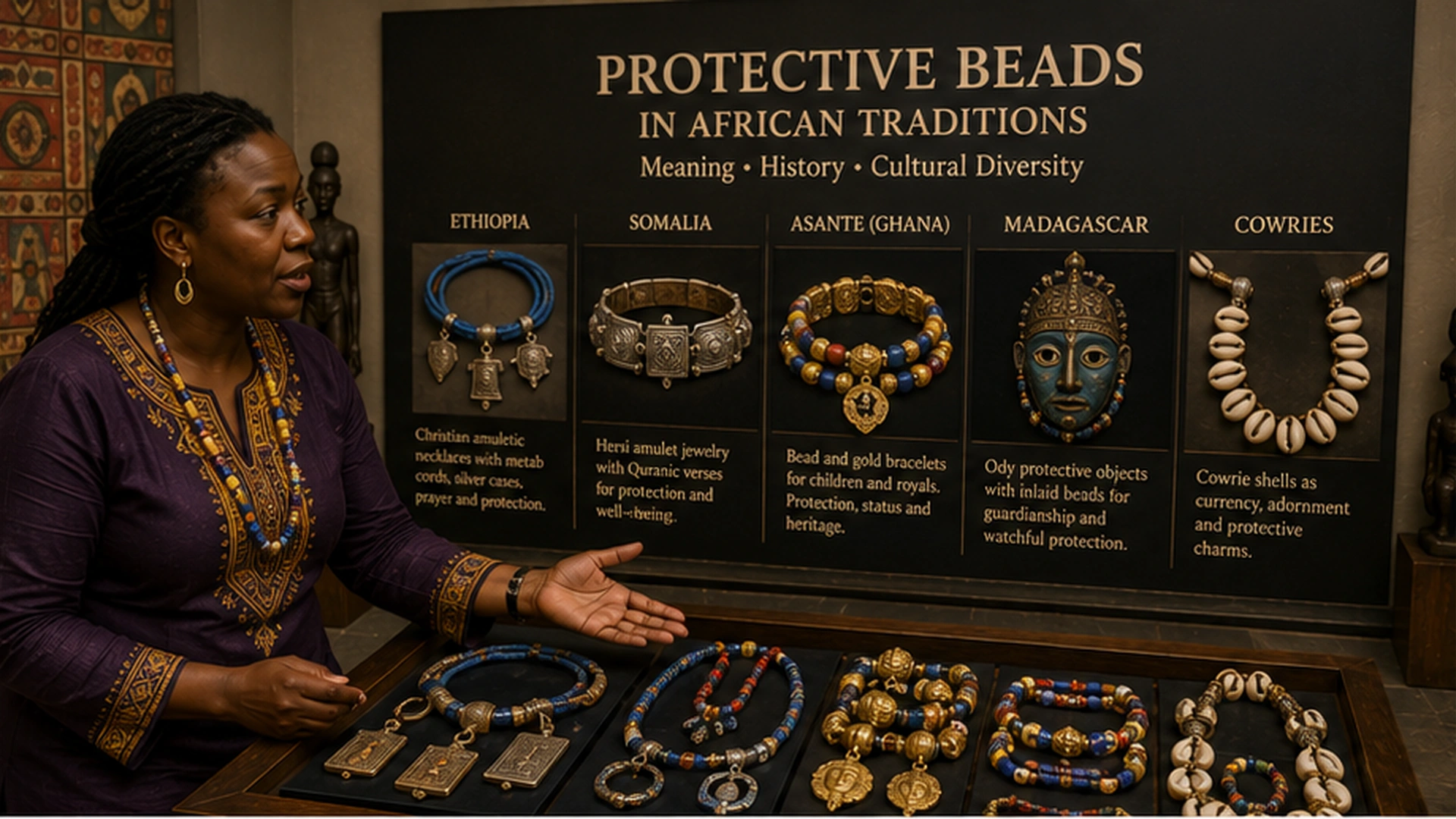
Quick Summary
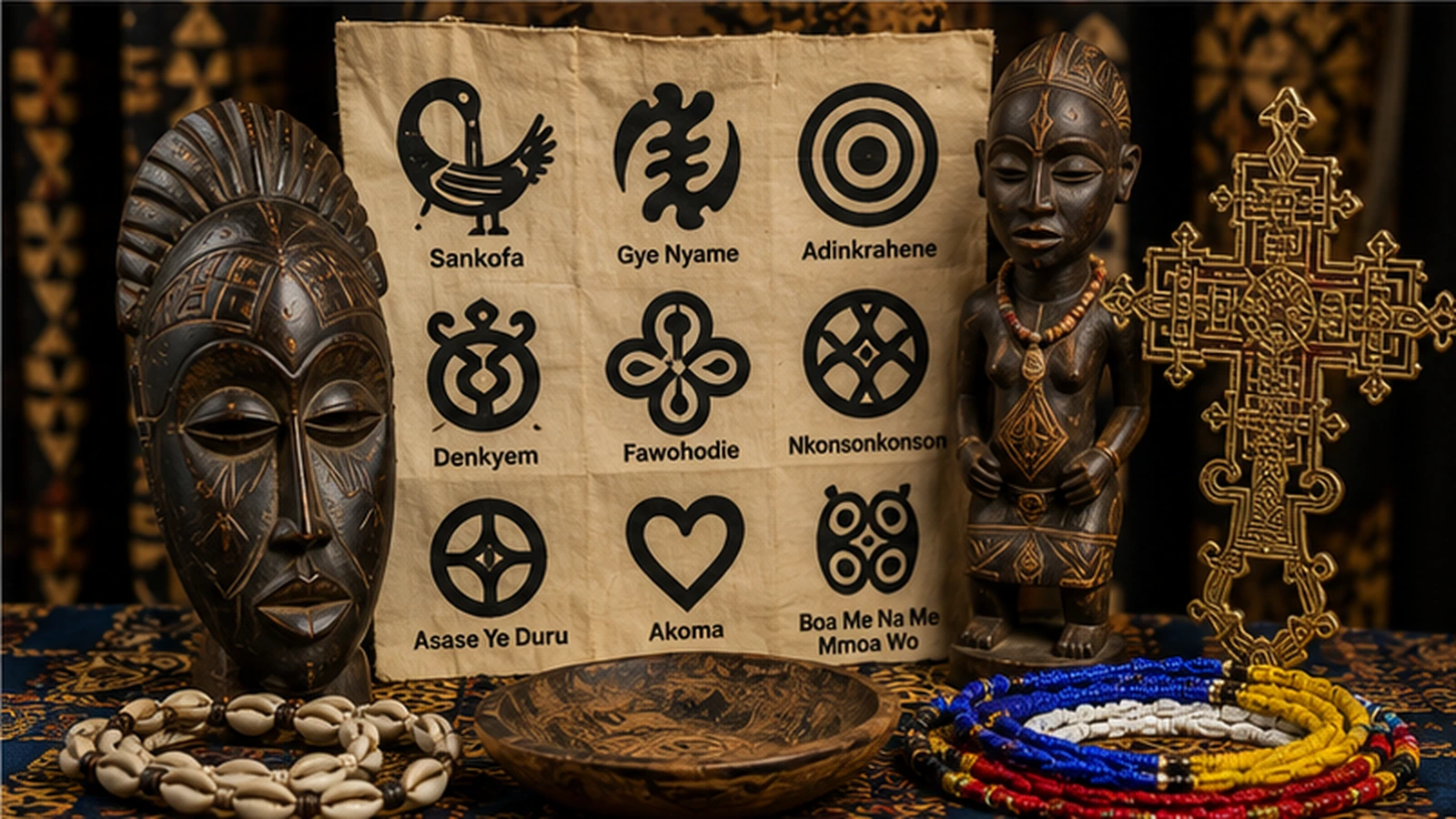
Protective beads in African traditions do not belong to one universal system. In some communities, beads were combined with prayer cases, precious metals, shells, sacred texts, or inherited objects for protection and well-being. In others, beads primarily communicated status, age, identity, beauty, authority, or life stage.
Beads have held extraordinary importance across African history, but they have never carried one universal meaning. Depending on the community, period, wearer, material, color, and setting, beads could express protection, healing, religious affiliation, social status, age, marriage, political authority, mourning, fertility, trade, beauty, or personal identity.
The phrase protective beads is therefore useful only when the protective function is documented. A beaded necklace should not automatically be described as magical, sacred, or amuletic simply because it comes from Africa.
Some documented protective bead traditions involved beads combined with Quranic verses, Christian prayers, silver cases, gold ornaments, cowrie shells, carved amulets, or inherited family objects. In other cases, the beads themselves communicated rank or identity while another attached object carried the protective function.
Glass beads also reveal histories of long-distance exchange. European-manufactured beads circulated widely through African trade networks, but African artists and communities gave them local meanings that cannot be reduced to their place of manufacture. The Metropolitan Museum emphasizes the diversity and cultural specificity of African beadwork. ([metmuseum.org](https://www.metmuseum.org/perspectives/beadwork-in-arts-of-africa-and-beyond?utm_source=chatgpt.com))
Suggested scene: Black African museum educator introducing culturally separated examples of Ethiopian, Somali, Asante, Malagasy, and cowrie-based protective bead traditions.
Key Points
Africa has no single universal protective bead tradition.
Beads may communicate protection, religion, status, life stage, beauty, authority, or identity.
An Ethiopian Christian amuletic necklace used blue silk cord, silver cases, prayers, scent, and sound for protection.
Somali amulet jewelry could combine silver containers, Quranic verses, beads, bodily contact, status, and well-being.
Asante bead-and-gold bracelets could be associated with chiefly rank and protection.
Some Malagasy ody included blue beads as part of a protective object.
Cowrie shells could function as currency, status symbols, divination tools, ornaments, or protective charms.
Coral and glass beads often signaled authority or prestige rather than protection alone.
Waist beads should not be given one universal spiritual meaning.
Historical use is documented, but guaranteed supernatural protection is not scientifically established.
Why Beads Are Powerful Cultural Objects
Beads can carry meaning through several features at once.
Feature
Possible significance
Material
Glass, gold, silver, coral, shell, stone, clay, seed, bone, or wood could signal origin, value, status, sacred association, or trade history.
Color
Color meanings vary by community and cannot be generalized across the continent.
Number and sequence
Some traditions use deliberate arrangements, while other designs are primarily aesthetic or status-based.
Placement
A bead worn at the neck, wrist, waist, ankle, hair, garment, crown, or shrine can have different meanings.
Attached object
The protective element may be a prayer case, amulet, shell, pendant, or sacred packet rather than the beads alone.
Maker and owner
Meaning can depend on who made, blessed, inherited, commissioned, or wore the object.
Occasion
Everyday use, initiation, marriage, court ceremony, healing, travel, childbirth, and burial create different contexts.
1. Ethiopian Christian Amuletic Necklaces
A British Museum Ethiopian Christian necklace known as an Ashän Ketab was made for a high-ranking woman. It included a blue silk cord called metab, silver amulet cases, and hanging silver pendants.
The museum records that the necklace was intended to offer protection against demons. The cases may have contained prayers or perfumed cotton thread, and the sound of the silver pendants moving was also believed to repel harmful forces. ([britishmuseum.org](https://www.britishmuseum.org/collection/object/E_Af1868-1001-4?utm_source=chatgpt.com))
This example demonstrates that the protective meaning did not come from a single bead color alone. It involved the cord, prayer cases, scent, sound, metal, bodily contact, Christian devotion, and the wearer’s social position.
Important caution
Blue beads or cords should not automatically be assigned the same protective meaning in every Ethiopian community or every African tradition.
2. Somali Hersi Jewelry and Beaded Armlets
In Somalia, protective containers called hersi were made to hold Quranic verses prepared by a specialist. Smithsonian records explain that hersi means protection and that the objects were worn to promote health and well-being. ([africa.si.edu](https://africa.si.edu/collection/object/nmafa_76-16-4?utm_source=chatgpt.com))
Some examples were incorporated into armlets and jewelry worn close to the skin. On ceremonial occasions, women could wear gold jewelry containing amulets as both protection and a sign of status. ([africa.si.edu](https://africa.si.edu/collection/object/nmafa_76-16-11?utm_source=chatgpt.com))
Beads could form part of the jewelry, but the enclosed Quranic text and specialist preparation were central to the amuletic function.
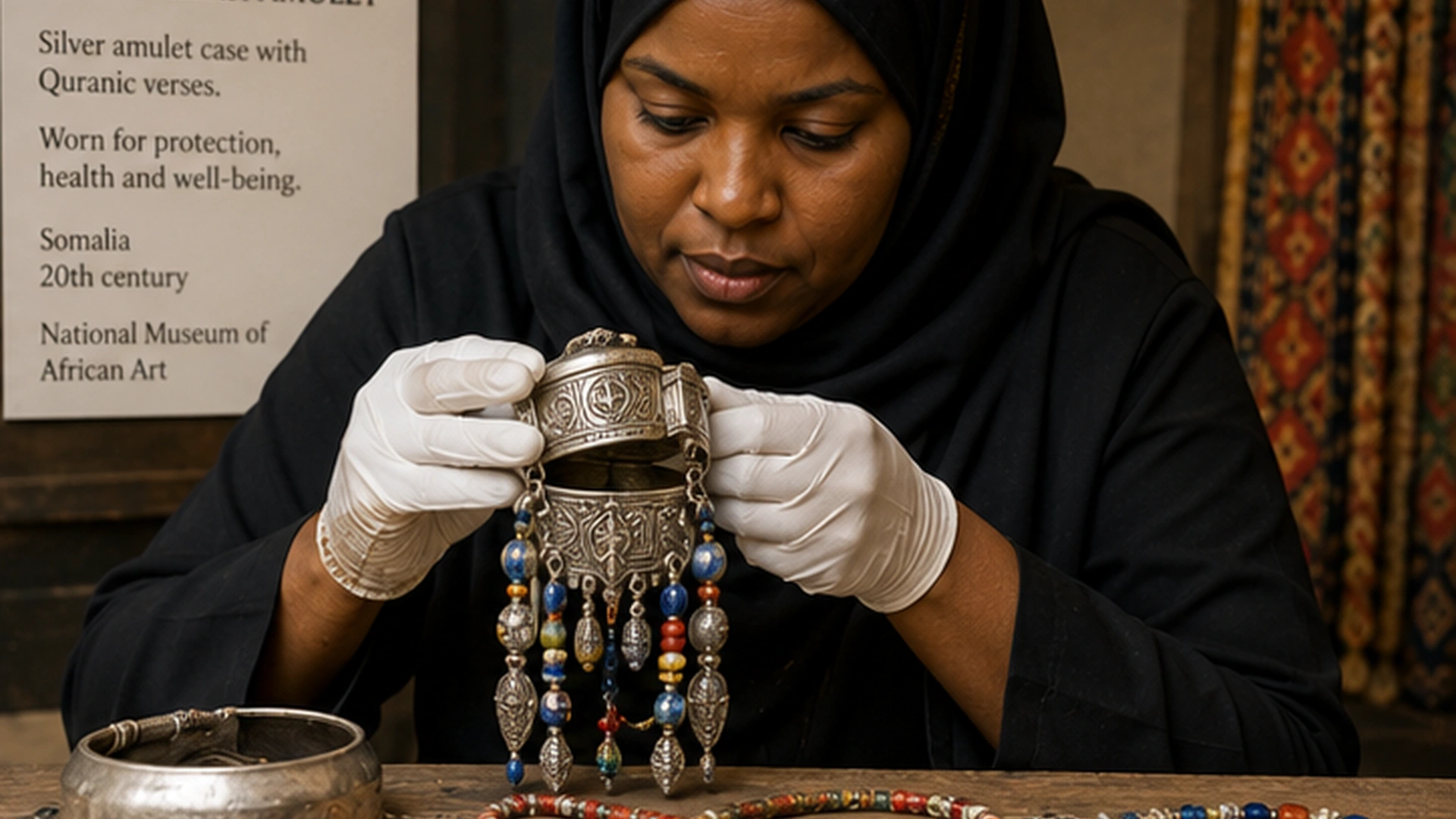
Suggested scene: Somali museum specialist examining a silver hersi armlet with beads and an unopened Quranic amulet case in a conservation setting.
Frequently Asked Questions
What should readers know first about african spirituality and cultural history?
African spirituality and cultural history: Read clear guidance, key signs, practical steps, and private support from Ancestral Temple.
What causes protective-beads-in-african-traditions?
The safest next step is to compare the signs, prepare clear details, and request private guidance when the matter feels personal.
How does protective-beads-in-african-traditions work?
The safest next step is to compare the signs, prepare clear details, and request private guidance when the matter feels personal.
Is it possible to get private guidance for protective-beads-in-african-traditions?
The safest next step is to compare the signs, prepare clear details, and request private guidance when the matter feels personal.
How long does protective-beads-in-african-traditions take to understand?
The safest next step is to compare the signs, prepare clear details, and request private guidance when the matter feels personal.
Can protective-beads-in-african-traditions affect relationships, family, work, or personal peace?
The safest next step is to compare the signs, prepare clear details, and request private guidance when the matter feels personal.
Why do people seek spiritual guidance for protective-beads-in-african-traditions?
The safest next step is to compare the signs, prepare clear details, and request private guidance when the matter feels personal.
What signs should someone notice before asking about protective-beads-in-african-traditions?
The safest next step is to compare the signs, prepare clear details, and request private guidance when the matter feels personal.
When should someone contact a private spiritual guide?
The safest next step is to compare the signs, prepare clear details, and request private guidance when the matter feels personal.
What causes african spirituality and cultural history?
African spirituality and cultural history: Read clear guidance, key signs, practical steps, and private support from Ancestral Temple. The safest next step is to compare the signs, prepare clear details, and request private guidance when the matter feels perso
Article Information
- Publisher
- Ancestral Temple
- Editor
- Ancestral Temple
- Last updated
- Jul 26, 2026
- Last reviewed
- Jul 13, 2026
- Content version
- 7f793f24cf
This educational article should be read as cultural and spiritual information, not as medical, legal, financial, or emergency advice.
Helpful Related Guidance
Explore This Topic
Libation Ceremonies In African Communities · African Spirituality And Cultural History
Related Topic Cluster
African Spirituality And Cultural History
Complete Guide Why Homes Have Been Blessed Throughout HistoryAbout the Author
 Ancestral Temple
Spiritual guide and practitioner with decades of experience in ancestral wisdom, rituals, and divine guidance.
Related Posts
View All

Leave a Comment
We'd love to hear your thoughts.
I appreciated the distinction between protective and prestige beads.
The cultural-specificity approach made the article much more accurate.