
Self-Love Rituals: Meaning, Cultural Practices and Personal Renewal
Pillar Article
Quick Summary
Self-love rituals are intentional practices through which a person expresses care, dignity and responsibility toward themselves. A ritual may be as simple as pausing each morning t...
Self-love rituals are intentional practices through which a person expresses care, dignity and responsibility toward themselves. A ritual may be as simple as pausing each morning to notice physical and emotional needs, writing honestly in a journal, preparing nourishing food, taking prescribed medication, setting a boundary or speaking to oneself with the kindness normally offered to a trusted friend.
The word ritual refers to a meaningful action performed in a deliberate pattern. It does not have to involve magic, expensive products or an elaborate spiritual ceremony. Repetition can make a value visible: turning off a phone at bedtime can express respect for rest; attending therapy can express commitment to recovery; apologizing after causing harm can express self-respect through accountability.
Modern psychology provides stronger evidence for self-compassion than for the broad and loosely defined idea of self-love. Kristin Neff’s influential formulation describes self-compassion through self-kindness, recognition of common humanity and mindful awareness of painful experience.[1] Meta-analyses suggest that self-compassion-focused interventions can reduce self-criticism and may produce small-to-moderate improvements in stress, anxiety or depressive symptoms, although study quality and long-term evidence remain uneven.[2][3]
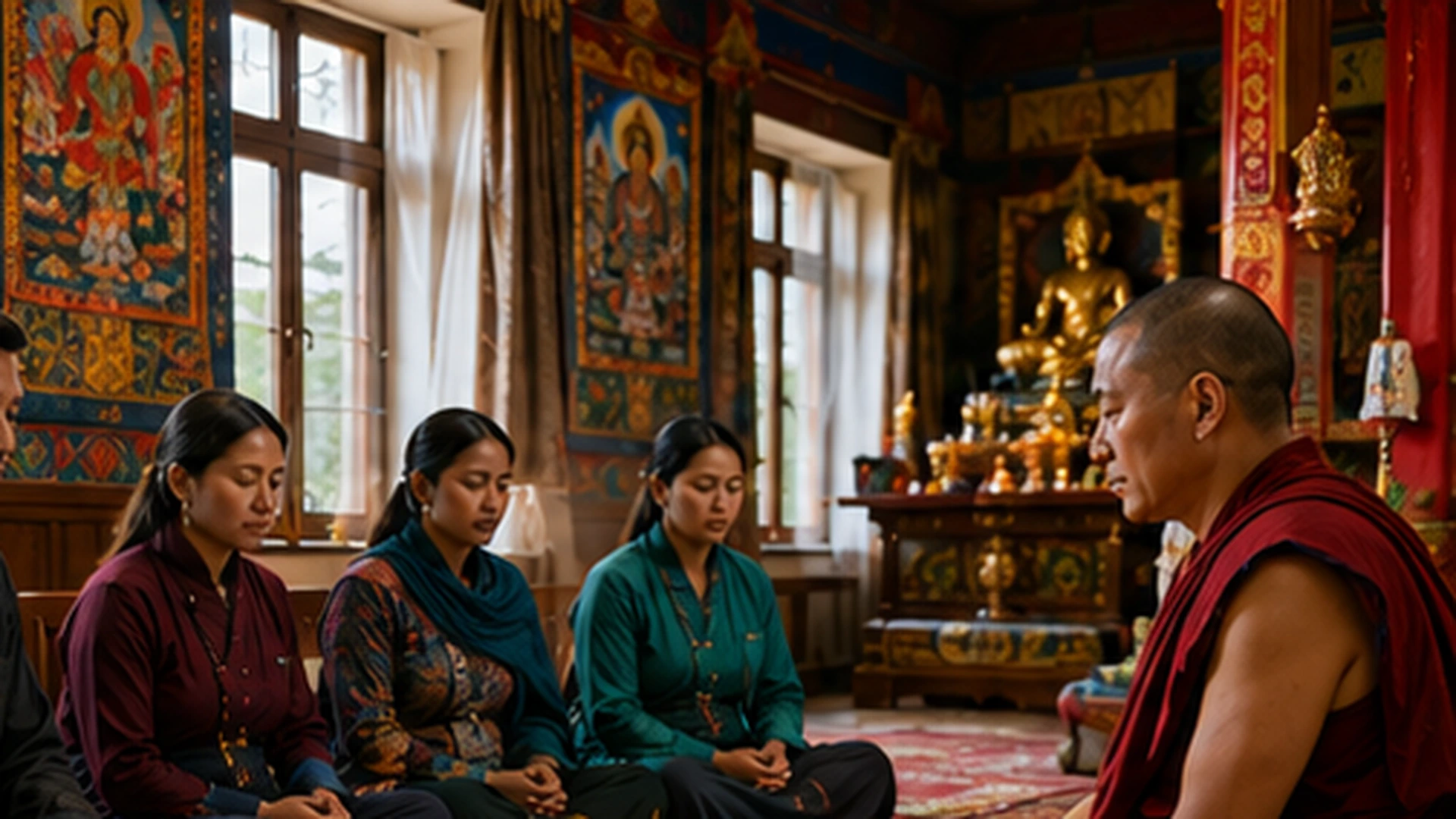
Cultural traditions can provide valuable perspectives on renewal, compassion and personhood, but they should not be mixed into a generic global ritual. An Empaako greeting in western Uganda, Buddhist loving-kindness meditation, Indian yoga and Shinto purification have different histories, beliefs and community rules. They should be studied respectfully rather than extracted as decorative wellness techniques.
Quick Answer
A self-love ritual is a repeated, intentional practice that supports self-respect, self-compassion and personal well-being. Healthy examples include journaling, rest, prayer, loving-kindness meditation, body care, boundaries, movement and asking for help. Self-love rituals do not guarantee healing or replace medical or mental-health care. The most responsible practice combines kindness with honesty, accountability and respect for cultural context.
What Does Self-Love Mean?
Self-love is a broad modern phrase describing a constructive regard for one’s own life, needs, dignity and development. It is not a single scientific diagnosis or one universally defined spiritual doctrine.
Healthy self-love can include:
Believing that your safety and health matter.
Treating mistakes as information rather than proof of worthlessness.
Protecting time for sleep, food, movement and recovery.
Refusing degrading or abusive treatment where it is safe to do so.
Asking for help without interpreting need as failure.
Accepting responsibility when your actions harm someone.
Making decisions consistent with values rather than momentary approval.
Self-love is therefore not constant admiration of everything about oneself. A person can dislike a decision, grieve a loss or recognize a harmful habit while still believing they deserve truthful care and an opportunity to change.
Self-Love, Self-Compassion, Self-Esteem and Self-Care
These terms overlap but are not identical.
| Concept | Main emphasis | Healthy expression | Possible misunderstanding |
|---|---|---|---|
| Self-love | Broad commitment to one’s dignity and welfare | Respecting needs, values and long-term well-being | Assuming one must always feel positive about oneself |
| Self-compassion | Kindness during pain or failure | Balanced awareness, common humanity and reduced self-attack | Confusing kindness with avoidance of responsibility |
| Self-esteem | Evaluation of worth or competence | Stable confidence not entirely dependent on comparison | Chasing superiority, praise or perfect performance |
| Self-care | Actions that protect health and functioning | Sleep, nutrition, treatment, connection and practical support | Reducing care to shopping, beauty or escape |
| Self-acceptance | Acknowledging reality without denying complexity | Seeing strengths, limitations and emotions clearly | Believing acceptance means never changing |
Neff’s original formulation emphasizes that self-compassion is not based on proving that one is better than others. It responds to suffering with kindness, shared humanity and mindful perspective.[1] A recent meta-analysis concluded that self-esteem and self-compassion are strongly related but retain distinct contributions to well-being and psychological problems.[4]
The World Health Organization defines self-care more broadly as the ability of individuals, families and communities to promote and maintain health, prevent disease and cope with illness, with or without support from a health or care worker. WHO also stresses that self-care complements rather than replaces health systems and professionals.[5]
Why Turn Self-Love Into a Ritual?
A value can remain abstract until it is connected with behavior. Someone may say that rest matters while repeatedly working through exhaustion. A ritual creates a regular point at which intention becomes action.
A useful ritual can:
Create a pause before automatic self-criticism.
Help a person notice needs that are usually ignored.
Mark the end of one period and the beginning of another.
Connect private well-being with community and responsibility.
Make supportive habits easier to remember.
Provide a stable practice during uncertainty.
Rituals can also become rigid or compulsive. If a person believes that missing one step will cause disaster, feels forced to repeat actions for hours or cannot function without completing them perfectly, professional assessment may be appropriate. A renewal ritual should create flexibility and care, not fear.
African Perspectives: Personhood, Dignity and Relational Care
There is no single African philosophy of self-love. African ethical thought contains many languages, communities and debates. Still, scholars have identified strong relational themes in several African moral traditions.
The Stanford Encyclopedia of Philosophy’s discussion of African ethics highlights character, moral personhood, common humanity, hospitality and responsibilities to others. It also notes an Akan maxim translated as “the human being is more beautiful than gold,” expressing the intrinsic value of a person.[6]
This relational approach challenges the idea that self-love must be isolated from community. A person’s well-being can be connected with receiving care, fulfilling responsibilities, repairing relationships and recognizing the dignity shared with others.
Empaako as social affirmation in western Uganda
Empaako is a naming system practiced among the Batooro, Banyoro, Batuku, Batagwenda and Banyabindi of western Uganda. UNESCO explains that using a person’s Empaako name can communicate affection, respect, honor, social identity, unity and reconciliation.[7]
Empaako should not be relabeled as a generic self-love ritual. It is a specific living heritage tradition. It does, however, illustrate an important idea: dignity and emotional affirmation may be reinforced through how a community addresses and recognizes a person.
A modern personal-renewal practice inspired by this principle should not copy names or ceremonies without belonging or permission. Instead, a person can ask: Which respectful words, names and relationships remind me that I am recognized as a full human being?

Buddhist Loving-Kindness and Compassion
In Buddhist ethics, loving-kindness and compassion are not simply techniques for feeling better about oneself. They form part of broader moral and contemplative traditions directed toward reducing suffering and cultivating wholesome qualities.
The Buddhist practice commonly called metta or loving-kindness involves wishing well-being for oneself and others. The Four Divine Abidings include loving-kindness, compassion, appreciative joy and equanimity. Their ethical scope extends beyond personal comfort to all beings.[8]
Modern loving-kindness interventions often guide participants through phrases of goodwill toward themselves, loved ones, strangers and wider groups. A 2024 systematic review and meta-analysis found promising effects across positive and negative mental-health outcomes, while also noting variation among studies and interventions.[9]
A simple, nonsectarian reflection might say:
May I be safe. May I respond to pain with wisdom. May I learn without hatred toward myself. May others also be safe and free from suffering.
This wording should not be presented as an ancient quotation. A person practicing within a Buddhist tradition should learn from qualified teachers and the tradition’s own texts rather than assuming that all online “self-love meditations” are authentic metta practice.

Yoga, Self-Realization and Renewal
Yoga is frequently marketed as a self-care product, but its cultural and philosophical history is much broader than stretching for relaxation. UNESCO describes yoga as an Indian practice involving postures, meditation, controlled breathing, chanting and other techniques connected with mental, spiritual and physical well-being, self-realization and liberation.[10]
A responsible personal-renewal practice can include gentle movement and breath awareness while acknowledging yoga’s Indian heritage. It should not claim that one pose cures trauma, infertility, depression or chronic disease.
For beginners, safety matters. People with injuries, pregnancy, cardiovascular conditions, balance problems or other health concerns may need advice from an appropriate health professional and a qualified instructor. A self-love ritual should adapt to the body rather than punish it for failing to match an image.
Shinto Purification and the Meaning of Renewal
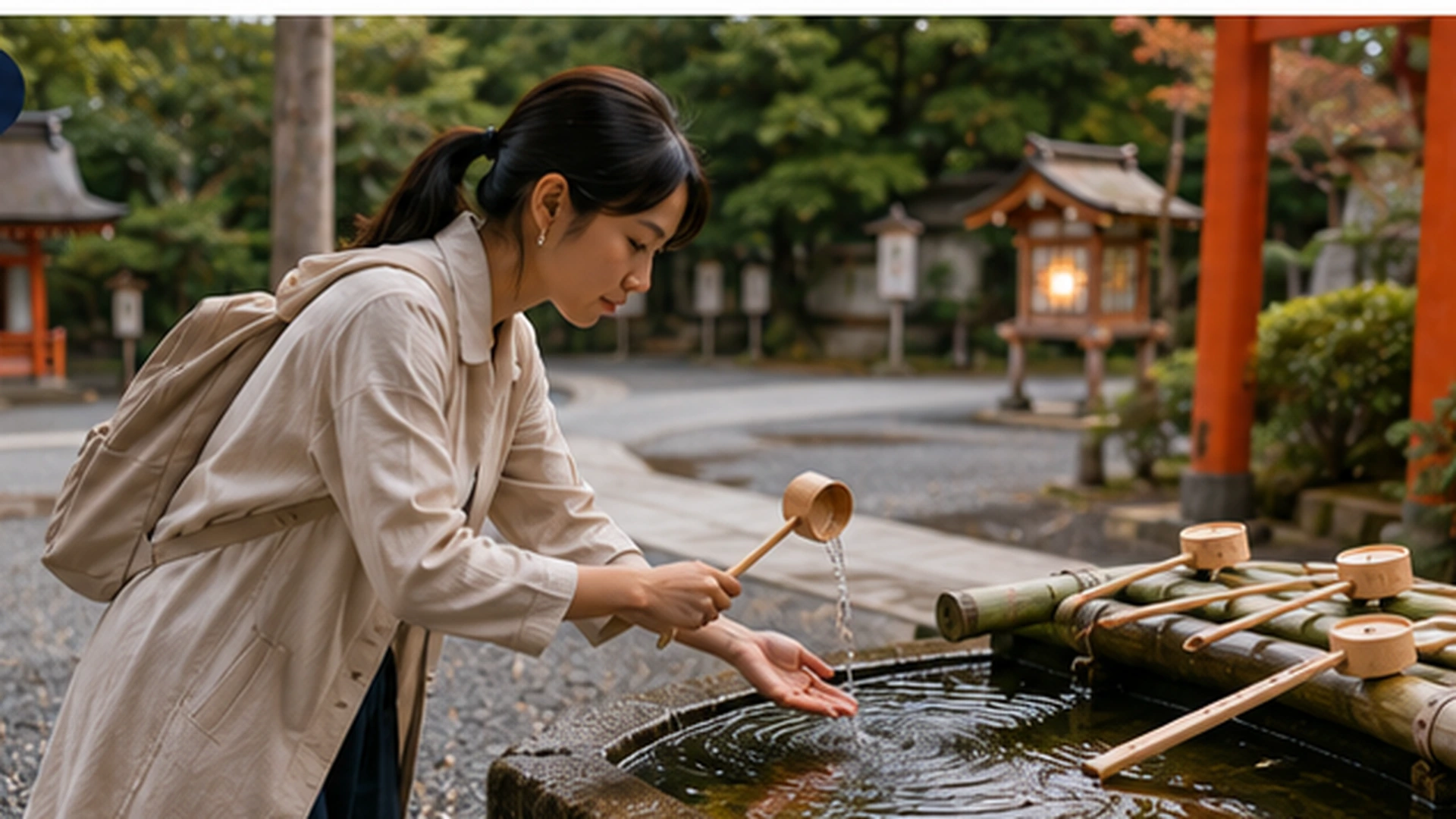
In Shinto practice, misogi concerns purification, traditionally associated with water, while temizu—rinsing the hands and mouth before shrine worship—is understood as a related form of purification. Jinja Honcho explains that these practices prepare a person to approach worship with body and mind in a clean state.[11]
Misogi is not a fashionable cold-water challenge or a universal self-love bath. It belongs to Shinto religious history and practice. Visitors to a shrine should follow the guidance of the shrine and avoid treating sacred spaces as content sets for wellness photography.
The broader lesson is that renewal often requires preparation and transition. A secular personal ritual might involve cleaning a room, bathing normally, changing clothes and sitting quietly before beginning a new chapter. It should be described as a personal practice, not falsely labeled as Shinto misogi.

Baci Su Kwan and Restoring Harmony
UNESCO documents Baci Su Kwan in Laos and northeastern Thailand as a ceremony intended to restore harmony and unity for individuals and communities during important transitions, illness or recovery. It includes offerings prepared by the community and guidance from a respected elder.[12]
This ceremony should not be recreated from an online checklist by outsiders. Its relevance to a discussion of renewal is that recovery can be social: people may need welcome, witness, food, affection and community presence—not only private positive thinking.
A culturally neutral personal-renewal gathering might invite trusted people to share a meal, acknowledge a transition and offer supportive words. It should not be called Baci Su Kwan unless it is being practiced within the relevant tradition.
Practical Self-Love Rituals for Everyday Life
The best ritual is realistic enough to repeat and flexible enough to adapt. It should support life rather than become another standard for self-judgment.
1. A five-minute morning check-in
Before opening social media, ask:
What am I feeling physically?
What emotion is most present?
What is one essential responsibility today?
What support might I need?
What can wait?
Write one sentence rather than forcing a long journal entry.
2. A self-compassion pause after a mistake
Try three steps:
1. Name the pain: “This is embarrassing,” “I am disappointed,” or “I feel afraid.”
2. Remember common humanity: Other people also fail, grieve and need help.
3. Choose a kind next action: Correct the error, apologize, rest, ask advice or try again.
Kindness is not the absence of consequences. It is the refusal to use humiliation as the only motivation for change.
3. A body-respect ritual
A body-respect practice does not require loving every feature every day. It can focus on function and care:
Eat regularly where resources permit.
Take medication as prescribed.
Wear clothing that allows comfort and movement.
Stretch or move without punishment.
Avoid checking mirrors or scales compulsively.
Thank the body for one function without demanding positivity.
Research reviews associate greater self-compassion with lower body-image concerns and more positive body image, although self-compassion is not a standalone treatment for eating disorders.[13]
4. A boundary ritual
Write one sentence describing a boundary and one describing your responsibility:
I will not continue conversations that include insults.
I will communicate the boundary clearly and leave safely where possible.
Boundaries are not tools for controlling other people. They describe what you will do to protect safety, time or values.
5. A weekly rest appointment
Schedule a period of rest before the week becomes full. Rest may include sleep, worship, quiet conversation, time outdoors or a hobby. It does not need to be productive enough to earn permission.
6. A space-renewal ritual
Choose one small area—a desk, bedside table, bag or digital folder. Remove waste, organize what matters and stop before the task becomes overwhelming. The goal is not perfect cleanliness; it is creating one usable space.
7. A self-compassion journal
Useful prompts include:
What happened, without insults or exaggeration?
What did I need at the time?
What part was outside my control?
What responsibility belongs to me?
What would I say to a trusted friend in the same situation?
What is one next step?
A 2023 meta-analysis of expressive and positive writing found variable effects across populations and outcomes, so journaling should be treated as one optional tool rather than a universal remedy.[14]
8. A digital boundary ritual
Unfollow accounts that repeatedly trigger harmful comparison.
Turn off nonessential notifications.
Keep the phone away from the bed where practical.
Decide when messages will be answered.
Avoid using “self-care content” to postpone sleep or responsibilities.
9. A help-seeking ritual
Create a short list containing:
One trusted personal contact.
One health-care contact.
One mental-health or counseling option.
One emergency option appropriate to your location.
One practical support resource.
Asking for help is not evidence that a self-love practice failed. It can be the practice itself.
A Simple Seven-Step Personal-Renewal Ritual
This adaptable ritual can take ten minutes or an hour.
1. Arrive: Sit or stand comfortably and notice the breath without forcing it.
2. Name reality: Describe the present situation in one honest sentence.
3. Offer kindness: Use words that acknowledge pain without exaggerating certainty.
4. Check the body: Notice hunger, thirst, fatigue, pain, medication or movement needs.
5. Identify responsibility: Choose one action that is genuinely yours.
6. Identify support: Decide whom to contact or what resource to use.
7. Close deliberately: Put away the journal, wash the cup, open the curtains or take a short walk.
The closing action matters because it returns the person to ordinary life. A ritual should support action, not become a hiding place from action.
Self-Love During Difficult Life Transitions
After heartbreak
Self-love after a breakup may involve limiting repeated contact, allowing grief, eating regularly, sleeping, removing immediate triggers and seeking support. It does not require declaring the relationship meaningless or rushing into a new one.
After failure
Self-compassion research suggests that kindness after failure can support adaptive coping and mastery-oriented goals rather than avoidance.[15] Review what happened, separate identity from outcome and decide what can be learned.
During burnout
Burnout-like exhaustion should not be answered only with scented candles or motivational phrases. Examine workload, staffing, finances, caregiving demands, sleep and medical factors. Personal rituals can provide relief while structural problems still require change.
During illness
Self-love can include accepting limitations, following treatment, requesting accommodations and grieving changes. Spiritual practices should complement—not replace—appropriate care. WHO explicitly frames self-care as complementary to health services.[5]
During body-image distress
Reduce appearance comparison, focus on body function, wear comfortable clothing and seek specialized help when eating, exercise or body checking becomes dangerous or compulsive. Self-compassion may be useful, but serious eating and body-image disorders require qualified assessment.[13]
What Research Supports—and What It Does Not
Research supports the study of self-compassion more strongly than vague promises about “raising your vibration” or attracting love through ritual.
A 2023 meta-analysis of 56 randomized controlled trials found small-to-medium immediate effects of self-compassion-focused interventions on depressive symptoms, anxiety and stress, with smaller follow-up effects and an overall high risk of bias across the included studies.[2]
A separate meta-analysis found a medium reduction in self-criticism compared with controls.[3] Loving-kindness interventions also show promising results, but they vary in format, duration and population.[9]
These findings do not mean that every ritual works, that benefits are guaranteed or that self-compassion replaces psychotherapy. Research interventions are usually structured and may involve trained facilitators, manuals or repeated sessions. A social-media ritual using similar language is not automatically equivalent.
Common Misunderstandings About Self-Love
“Self-love means putting yourself first in every situation”
Healthy self-regard exists alongside obligations, consent, fairness and care for others. Sometimes love requires rest; sometimes it requires showing up responsibly.
“Self-love is narcissism”
Self-love is a broad popular term, while narcissism is a distinct psychological construct. Self-compassion is specifically framed as noncomparative and connected with common humanity rather than superiority.[1]
“Buying something is a self-love ritual”
A purchase can be enjoyable, but marketing often turns emotional needs into consumption. Ask whether the action supports lasting well-being or only provides brief relief followed by debt, clutter or regret.
“If I loved myself, I would always feel confident”
Confidence changes. Self-love can be present when a person feels uncertain but still protects their dignity and takes the next step.
“Positive affirmations must be believed immediately”
An unbelievable statement can create more resistance. Use grounded language such as, “I am learning to treat myself with respect,” or “This feeling is intense, but it is not the whole of my life.”
“Self-love means avoiding criticism”
Constructive feedback can support growth. The goal is to separate correction from humiliation.
“A ritual can heal trauma by itself”
Trauma recovery can involve safety, social support, medical care and evidence-based psychological treatment. Personal ritual may be meaningful, but it is not a guaranteed cure.
Cultural and Ethical Boundaries
Do not describe Africa, Buddhism, Hinduism, Shinto or Indigenous traditions as one spiritual system.
Do not copy restricted ceremonies from images or short online instructions.
Do not rename a living tradition as a generic “self-love hack.”
Credit communities and use their terminology accurately.
Distinguish personal adaptation from traditional practice.
Avoid endangered plants, illegal wildlife products and unsafe substances.
Do not pressure people to forgive abusers in the name of healing.
Do not promise fertility, beauty, wealth, romance or protection.
Do not sell escalating rituals by telling a vulnerable person that failure proves spiritual blockage.
Do not use self-love language to excuse cruelty, manipulation or neglect of dependents.
When Professional Support Matters
Self-love practices are not a test that people must pass alone. Consider qualified support when:
Sadness, anxiety or numbness persists and disrupts daily functioning.
Self-criticism includes thoughts of self-harm or suicide.
Eating, exercise or body checking becomes dangerous or compulsive.
A person experiences abuse, coercion or stalking.
Sleep problems, pain or fatigue may have a medical cause.
Rituals become compulsory, time-consuming or driven by fear of catastrophe.
Alcohol, drugs, spending or sexual behavior is being used to escape distress.
Trauma symptoms repeatedly overwhelm ordinary coping.
Self-care can complement professional care, but it should not delay urgent help.[5]
Key Takeaways
Self-love rituals are intentional practices that express care, dignity and responsibility toward oneself.
Self-compassion has a clearer research definition than the broad popular phrase self-love.
Kindness toward oneself can coexist with accountability and repair.
Self-care includes health-supporting actions and does not replace health professionals.
Cultural practices must remain connected to their communities and original meanings.
Empaako demonstrates relational affirmation in specific western Ugandan communities.
Buddhist metta extends loving-kindness beyond the individual self.
Yoga is a broad Indian philosophical and embodied tradition, not only a wellness exercise.
Shinto purification should not be reduced to spa or cold-plunge content.
Sustainable rituals can include rest, boundaries, journaling, movement, community and help-seeking.
No ritual guarantees healing, beauty, romance, wealth or spiritual protection.
People Also Ask
What is a self-love ritual?
A self-love ritual is a deliberate, repeatable action that supports self-respect, self-compassion or well-being. It may involve reflection, rest, body care, prayer, movement, boundaries or asking for support.
How do I perform a simple self-love ritual?
Pause, name what you are feeling, identify one physical or emotional need, choose one realistic caring action and close the ritual by returning to ordinary responsibilities.
Is self-love the same as self-care?
No. Self-love is a broad attitude toward one’s dignity and welfare. Self-care refers to actions that maintain health and functioning. The two can support each other.
Is self-love selfish?
Healthy self-love is not the same as ignoring others. It can strengthen the ability to set fair boundaries, accept responsibility and participate in relationships without self-erasure.
What is self-compassion?
Self-compassion is responding to pain or failure with self-kindness, awareness of shared human experience and balanced mindfulness rather than harsh self-judgment.[1]
Do self-love rituals improve mental health?
Structured self-compassion and loving-kindness interventions show promising average benefits in research, but effects vary and no personal ritual is guaranteed to improve a mental-health condition.[2][9]
Can journaling be a self-love ritual?
Yes. Journaling can help organize experience and identify needs, but research findings vary. It should be optional and stopped or adapted if writing intensifies distress.[14]
Can self-love rituals replace therapy?
No. They can complement therapy or other support, but they do not replace qualified care for serious or persistent mental-health concerns.
Frequently Asked Questions
How often should I practice a self-love ritual?
Choose a frequency that is sustainable. A brief daily check-in and a longer weekly review may be more useful than an elaborate routine abandoned after several days.
Do I need candles, crystals or special products?
No. A journal, water, rest, movement or a supportive conversation may be enough. Products do not determine the value of the practice.
What if affirmations feel false?
Use believable statements. Replace “I love everything about myself” with “I am learning not to punish myself for being human.”
Can prayer be part of self-love?
Yes, for people whose faith includes prayer. The prayer should be consistent with the person’s tradition and should not promise guaranteed outcomes.
Can men practice self-love rituals?
Yes. Self-compassion, health care, rest, emotional expression and boundaries are not limited by gender.
What is a good self-love ritual after a difficult day?
Eat or hydrate if needed, reduce stimulation, write a factual account of what happened, identify one responsibility and one thing outside your control, then choose rest or support.
How do I avoid cultural appropriation?
Learn the tradition’s name, community and religious context. Do not copy restricted ceremonies, claim authority you do not have or market sacred practices as universal wellness products.
Can self-love include changing myself?
Yes. Acceptance means seeing reality clearly. It can support change that is motivated by care rather than shame.
What if I cannot feel self-love?
Begin with non-harm and basic respect. You do not have to feel warm affection before eating, resting, seeking care or refusing abuse.
When does a ritual become unhealthy?
It may be unhealthy when it is driven by fear, consumes excessive time, causes injury, creates financial hardship or prevents necessary care and responsibilities.
Conclusion
Self-love rituals are most useful when they translate dignity into action. They can help a person pause before self-attack, notice bodily needs, create boundaries, reconnect with community and begin again after disappointment.
Their value does not depend on luxury, secrecy or supernatural guarantees. The strongest practices are often ordinary: taking medicine, turning off a phone, eating a meal, correcting a mistake, resting, attending counseling or speaking to oneself without cruelty.
Cultural traditions deepen this conversation by showing that renewal may involve community recognition, ethical compassion, disciplined practice, purification or restored harmony. Those traditions should remain specific and respected. Empaako is not metta; yoga is not misogi; Baci Su Kwan is not a generic wellness gathering.
A responsible self-love ritual therefore joins kindness with truth. It protects the self without making the self the only concern. It allows rest without abandoning responsibility and supports hope without promising instant healing.
Final Summary
Self-love rituals are repeated actions that support self-respect, self-compassion and personal renewal. Healthy practices may include journaling, rest, body care, boundaries, prayer, movement, loving-kindness and professional support. Cultural traditions should be described accurately rather than blended together. No ritual guarantees healing, and self-care should complement appropriate medical and mental-health care.
Article Information
- Publisher
- Ancestral Temple
- Editor
- Ancestral Temple
- Last updated
- Jul 30, 2026
- Last reviewed
- Jul 30, 2026
- Content version
- cf7790a95d
This educational article should be read as cultural and spiritual information, not as medical, legal, financial, or emergency advice.
Helpful Related Guidance
Explore This Topic
Related Topic Cluster
Self Love Rituals
Complete Guide Debt-Relief Prayers and Rituals: Spiritual Support, Discipline and Cultural BeliefsAbout the Author
 Ancestral Temple
Spiritual guide and practitioner with decades of experience in ancestral wisdom, rituals, and divine guidance.
Related Posts
View All









Leave a Comment
We'd love to hear your thoughts.