
Court Case Prayers and Rituals: Cultural Beliefs, Ethics and Spiritual Support
Pillar Article
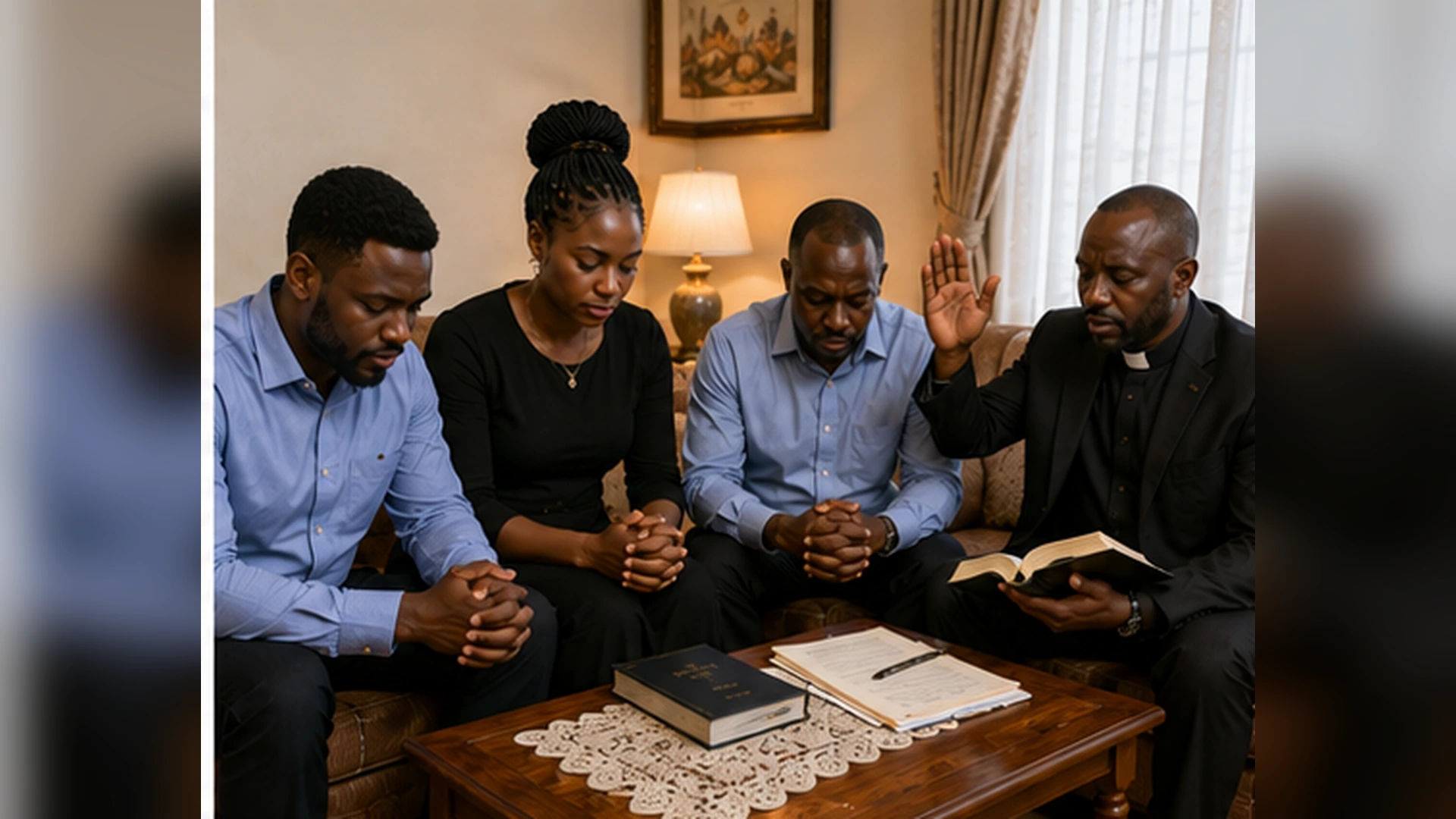
Quick Summary
A court case can place a person under intense emotional, financial and spiritual pressure. Hearings may affect liberty, family relationships, employment, property, reputation or sa...
A court case can place a person under intense emotional, financial and spiritual pressure. Hearings may affect liberty, family relationships, employment, property, reputation or safety. In that uncertainty, many people turn to prayer, fasting, sacred reading, pastoral counseling, family blessings or culturally recognized forms of spiritual support.
These practices can help a person seek courage, patience, truthful speech and a sense of moral direction. They cannot ethically guarantee a favorable judgment, alter evidence or give anyone supernatural control over a judge, lawyer, witness or opposing party.
A responsible court case prayer asks for justice rather than manipulation. It allows the truth to emerge even when that truth is uncomfortable. It supports lawful preparation, respect for court orders and honest communication with a qualified advocate. It never excuses intimidation, bribery, false testimony, destruction of documents or attempts to influence court officials outside the legal process.
Quick Answer
Court case prayers are religious or spiritual practices used to seek courage, justice, mercy, truthful testimony and emotional steadiness during legal proceedings. Cultural rituals may also mark oaths, reconciliation or communal dispute resolution. No prayer or ritual guarantees victory. Spiritual support should accompany honest evidence, lawful conduct and qualified legal advice—not replace them or manipulate the court.
What Are Court Case Prayers and Rituals?
A court case prayer is a prayer offered by a litigant, accused person, complainant, victim, witness, family member or religious community during legal proceedings. Its purpose may be to ask for fairness, protection from fear, wise legal counsel, truthful testimony, mercy or strength to accept an outcome.
A court case ritual is a repeated or structured action connected with the legal dispute. It may be religious, customary, family-based or secular. Examples include fasting, reading sacred texts, receiving pastoral counsel, lighting a permitted devotional lamp at home, making charity, attending communal prayer, taking an oath, making an affirmation or participating in a culturally recognized reconciliation process.
The word *ritual* does not always mean magic. Courts themselves use ritualized forms: people rise when the judicial officer enters, witnesses make solemn declarations, advocates follow formal modes of address and judgments are delivered through structured procedures. Scholarship on court practice notes that robes, architecture, language and repeated actions help communicate authority and legitimacy. [14][15]
Why People Seek Spiritual Support During Legal Cases
Uncertainty and loss of control
Court schedules, evidence rulings and judicial decisions are not fully controlled by any one party. Prayer can give a person a structured way to face that uncertainty without pretending to control the outcome.
Fear and emotional strain
A person may fear imprisonment, financial loss, public embarrassment, separation from children or retaliation. Positive religious coping can be associated with better psychological adjustment, while negative religious coping—such as believing one has been abandoned or cursed—can be associated with greater distress. Research therefore supports discussing *how* religion is being used, not merely whether a person prays. [7]
Moral clarity
Legal cases may tempt people to exaggerate, hide damaging information or seek revenge. Prayer can be used to recommit to truth, restraint and lawful conduct.
Community and pastoral support
A pastor, imam, priest, elder or trusted relative may help a person feel less isolated. Good spiritual support does not coach testimony or promise victory. It encourages the person to work honestly with counsel and follow the court process.
Meaning after harm
Victims and families may use prayer to express grief, ask for protection or seek justice without becoming consumed by retaliation. Defendants may pray for fairness, repentance, mercy or the strength to accept responsibility where appropriate.
What Court Case Prayers Can—and Cannot—Do
| A responsible prayer may support | A prayer or ritual cannot ethically guarantee |
|---|---|
| Courage to attend court | Acquittal, conviction or a particular judgment |
| Calm while speaking | Control over a judge or magistrate |
| Honest disclosure to an advocate | Disappearance of lawful evidence |
| Patience during delays | A witness changing truthful testimony |
| Wisdom in settlement decisions | Immunity from legal consequences |
| Mercy and proportionality | Harm to the opposing party |
| Acceptance after judgment | Cancellation of court orders through spiritual claims |
Religious believers may understand prayer as a real relationship with God or the sacred. The ethical problem arises when someone sells certainty, claims secret access to judicial outcomes or instructs a client to break the law.
The Courtroom Already Contains Oaths, Affirmations and Rituals
Courtroom oaths are not private spells. They are formal declarations intended to impress the duty of truthfulness on a witness.
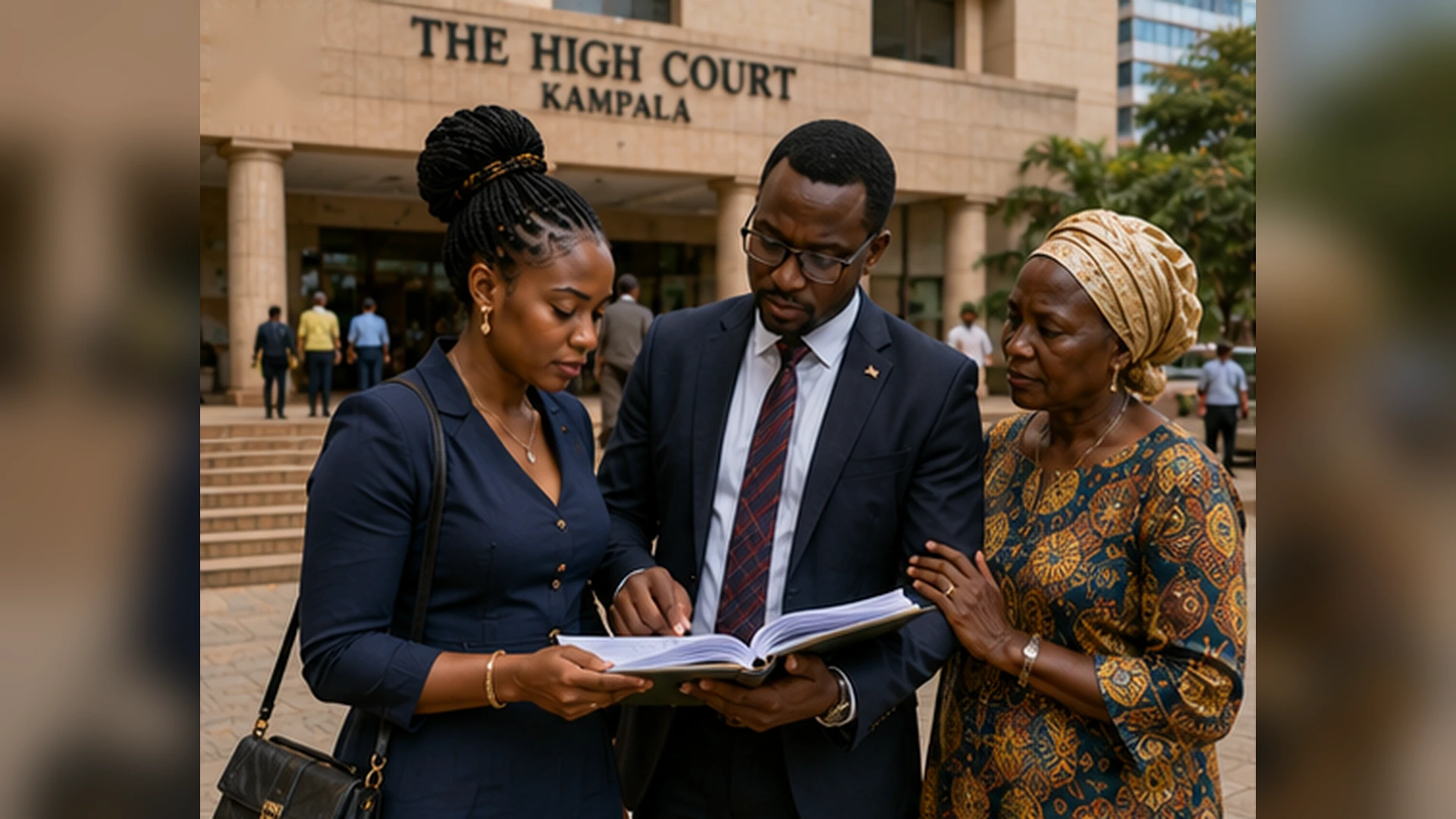
Uganda’s Oaths Act permits a person who objects to an oath to make a solemn affirmation without being questioned about the reason. The Act also recognizes different lawful forms of oath and provides official wording for evidence: the witness swears that the evidence given will be the truth, the whole truth and nothing but the truth. [1]
Uganda’s Magistrates Courts Act provides that witnesses in criminal matters ordinarily give evidence on oath, while a person who objects on religious or nonreligious grounds may affirm. It also allows a court, in appropriate circumstances, to accept a form common among people of the witness’s race or persuasion if it is not contrary to justice or decency and does not purport to affect a third party. [2]
These provisions show an important distinction: the legal oath supports truthful evidence within the court’s authority. A private ritual that threatens another person, seeks to bind a witness to silence or claims to punish a third party is not equivalent to a lawful oath.
Christian Prayers for Justice, Truth and Mercy
Christian approaches vary among Catholic, Anglican, Orthodox, Pentecostal and other communities. There is no universal Christian formula that guarantees a legal victory.
Biblical prayers may ask God to judge justly, defend the oppressed and expose falsehood. Psalm 43 begins with an appeal for justice, while Psalm 35 is a prayer for help against unjust enemies. These texts can express distress, but responsible pastoral guidance avoids turning them into curses against named opponents. [6]
Christian moral teaching also places strong emphasis on truthful testimony. The Catholic Catechism describes deliberate falsehood in court as false witness and treats deception that places another person at serious risk as a grave failure of justice and charity. [5]
A Christian court case prayer can therefore ask for:
Truth to be spoken clearly.
A fair and impartial hearing.
Wisdom for judges, magistrates and advocates.
Protection for victims and vulnerable witnesses.
Mercy proportionate to the facts.
Courage to admit wrongdoing or correct an inaccurate statement.
Freedom from hatred and revenge.
Christian reflection on criminal justice commonly holds together accountability, rehabilitation, restoration, mercy and protection of the community. [6]
Sample Christian prayer before court
God of truth and justice, calm my fear and guide my words. Help me speak honestly, listen carefully and follow lawful counsel. Give wisdom and impartiality to those who must decide, protection to every vulnerable person and mercy that does not hide the truth. Keep me from hatred, deception and revenge. May justice be done with dignity and peace. Amen.
This is an original, non-denominational Christian-style prayer and is not presented as an official liturgical text.
Islamic Teachings on Dua, Justice and Testimony
Muslims may make dua before a hearing, recite Qur’an, perform ordinary prayers and ask Allah for justice, patience and lawful relief. There is no single universal Islamic court-winning ritual.
Qur’an 4:135 commands believers to stand firmly for justice and give truthful witness even when the testimony is against themselves, parents or close relatives. It warns against allowing personal desire, wealth or poverty to distort justice. [4]
This principle changes the ethical focus of court-related dua. A person may ask Allah to reveal the truth and protect them from injustice, but should not ask for false evidence to succeed or for an innocent person to be condemned.
A responsible dua may include:
Asking for justice and protection from oppression.
Seeking patience and clarity.
Asking for a lawful solution.
Repenting for any dishonesty or harm.
Asking for courage to testify accurately.
Asking that anger not cause injustice.
Trusting Allah while still preparing the case responsibly.
Listening to or reciting Qur’an may help some Muslims manage anxiety, although the evidence base varies in quality and does not show that recitation changes legal decisions. [7]
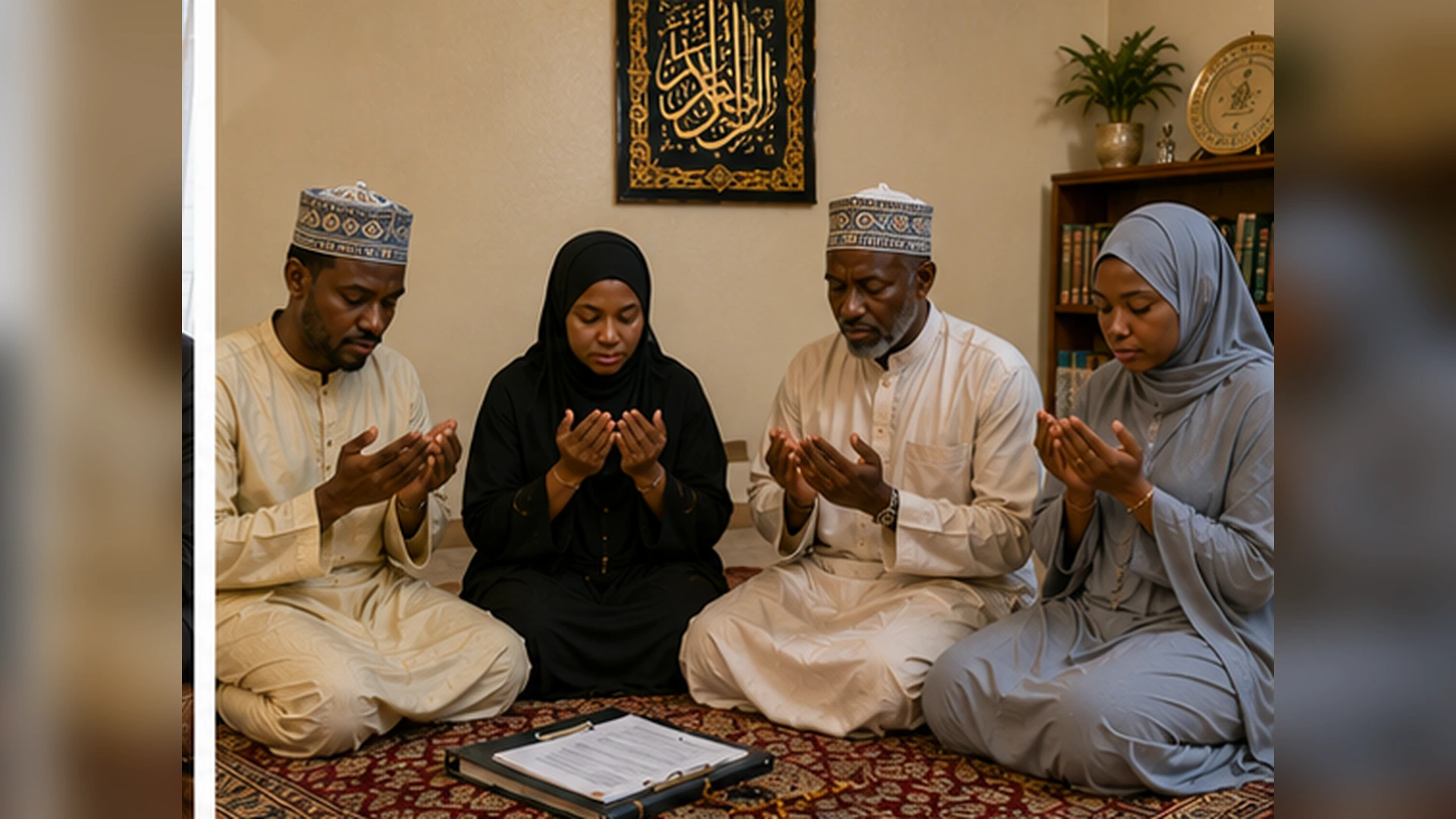
Sample interfaith-compatible dua wording
O Allah, Knower of what is hidden and clear, guide me to truth and protect me from injustice. Give me patience, truthful speech and wise counsel. Do not let fear, anger or personal desire make me unfair. Grant every decision-maker clarity and integrity, and bring about a lawful outcome that does not oppress the innocent. Ameen.
This wording is newly written for educational use and is not claimed to be a traditional transmitted dua.
Hindu Beliefs, Dharma and Legal Preparation
Hinduism contains diverse traditions rather than one standardized court-case ritual. The concept of dharma can include righteous duty, ethical order and responsibilities appropriate to a person’s situation. Classical Hindu legal literature also discussed *vyavahara*, a term connected with disputes, litigation and legal procedure. [12]
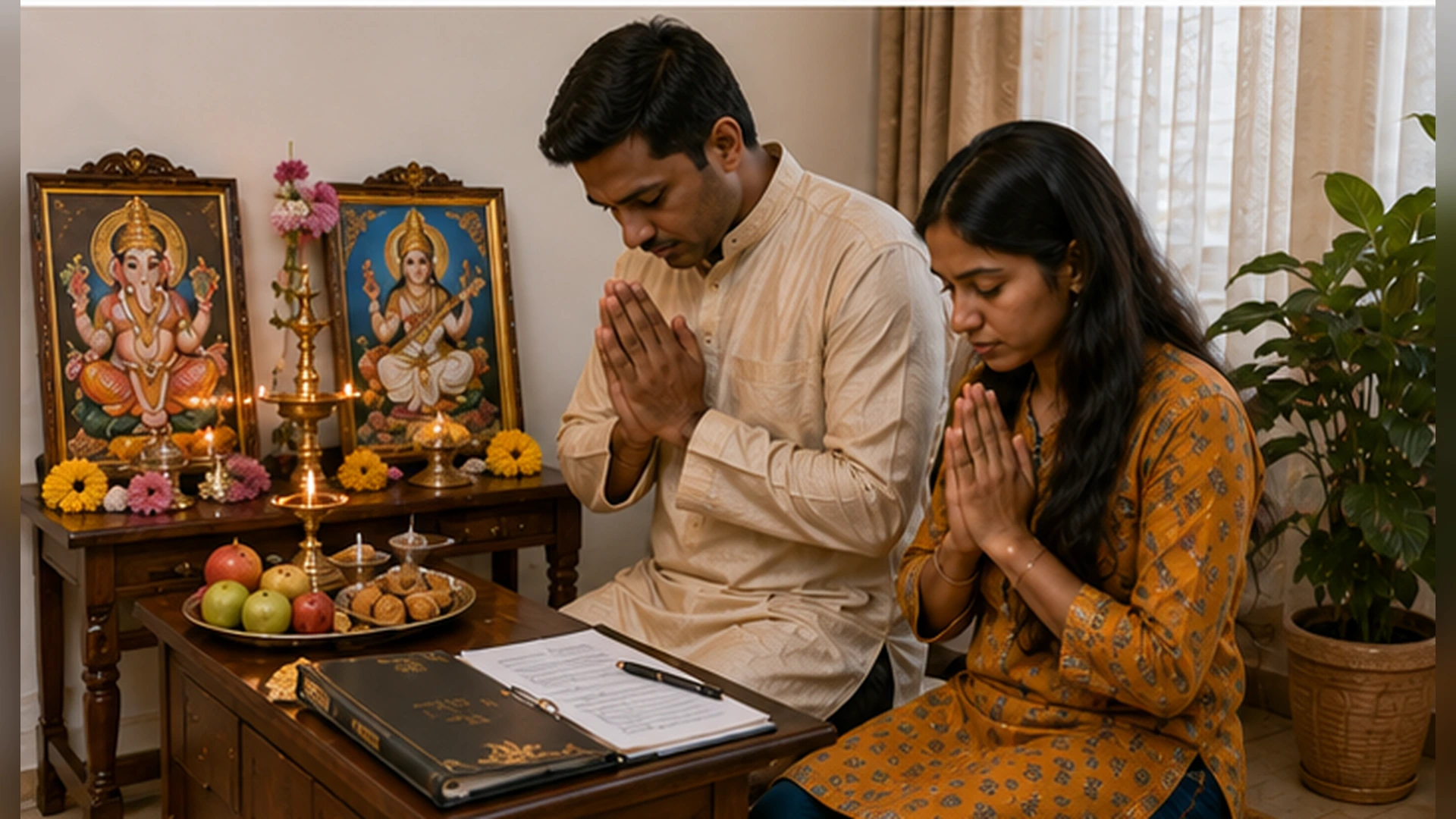
Some Hindu families may pray to Ganesha before a difficult undertaking because he is widely associated with beginnings and the removal of obstacles. Saraswati is associated with knowledge, learning and, in some traditions, speech and the arts. [13] Such devotion may help a person seek clarity and composure, but it does not guarantee that a judge will rule in that person’s favor.
Historical South Asian texts describe ordeals and sacred truth acts used to establish innocence. These practices belong to particular historical contexts and should not be revived as dangerous tests, curses or substitutes for modern evidence. [12]
A responsible modern Hindu approach may include home prayer, temple worship, charity, consultation with a trusted priest and a commitment to truthful speech. It should remain separate from legal documents and courtroom procedure unless the court expressly allows a religious accommodation.
African Customary Justice, Oaths and Cultural Specificity
There is no single African court-case ritual. The continent contains many legal histories, religious traditions and systems of customary dispute resolution.
Traditional oaths in Nigerian customary arbitration
Legal scholarship has documented the role of traditional oaths in some Nigerian customary-law arbitrations. Their legal recognition has depended on strict conditions, the facts of the arbitration and the approach taken by the courts. The same scholarship also records controversy, abuse and changing attitudes under Christianity, Islam and state law. [8]
This history should not be turned into a generic instruction to “take a juju oath.” Practices vary by community, may be restricted and may expose people to coercion, exploitation or legal risk.
The Nae We Shrine Tribunal in Accra
Research on the Ga Nae We Shrine Tribunal in Accra describes a form of vernacular jurisprudence addressing civil, criminal and spiritual dimensions of conflict. The tribunal’s role is not simply to make one party “win”; it may address hostility and social or spiritual wellbeing in ways that differ from state courts. [9]
An online article should not reproduce restricted shrine procedures or advise a litigant to move a pending case into a sacred tribunal without qualified legal advice.
Xeer Ciise and reconciliation
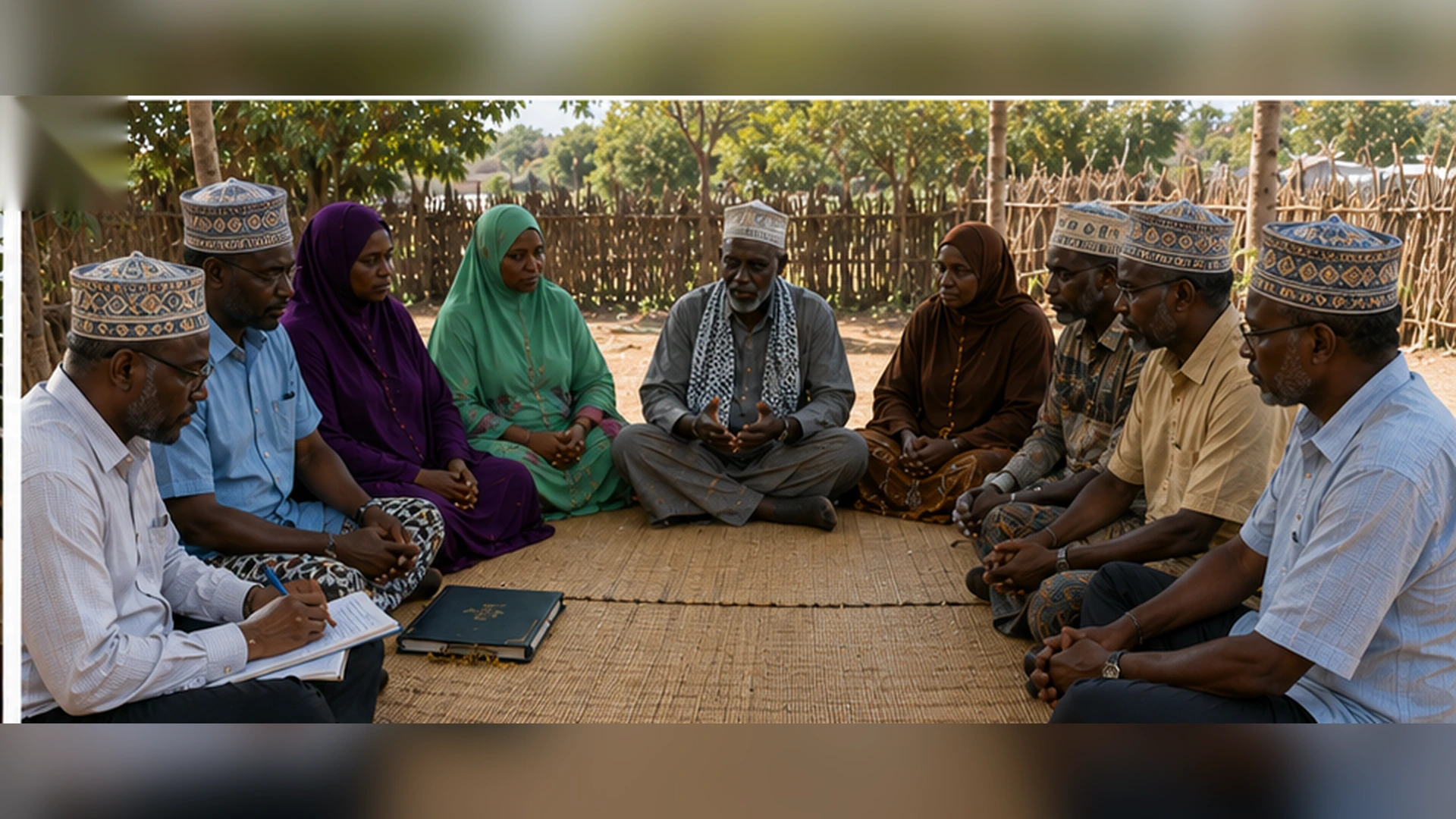
UNESCO describes Xeer Ciise as a highly structured oral customary-law system among Somali-Issa communities in Ethiopia, Djibouti and Somalia. It includes community justice focused on reconciliation and compensation, alongside social and spiritual principles. [10]
The Oromo Gada system
UNESCO describes Gada as an Oromo system of governance that regulates social, political, economic and religious life, including conflict resolution, reparation and protection of rights. [11]
These examples show that African customary justice may combine law, morality, spirituality, compensation and reconciliation. They do not prove the existence of one transferable ritual for influencing a state judge.
Court Case Cleansing, Protection and “Favor” Claims
People under legal pressure may be told that their case is blocked by a curse, jealous relative, spiritual spouse, enemy altar or hidden ritual. Such claims can intensify fear and create financial exploitation.
A safe spiritual cleansing practice should be ordinary, voluntary and non-harmful—for example prayer, bathing normally, cleaning one’s home, speaking with a trusted faith leader or attending worship. It should not involve dangerous chemicals, bodily injury, illegal wildlife products, coerced sex, threats, secret ingestion or destruction of evidence.
Claims of “court favor” require particular caution. Praying for fairness and wisdom is different from claiming supernatural control over a judge. A spiritual adviser should never promise:
A guaranteed acquittal or award.
That a judge has already been spiritually controlled.
That evidence will disappear.
That a witness will forget or change testimony.
That the other party will become ill, die or withdraw.
That payment for a ritual is the only way to avoid prison.
Ethical and Legal Red Lines
Spiritual practice must stop where deception, coercion or interference begins.
Uganda’s Penal Code criminalizes conduct including deceiving a person who is or may be called as a witness with the intent to affect testimony, and destroying or rendering evidence unusable to prevent its use in judicial proceedings. It also treats false evidence and related conduct seriously. [3]
Do not:
Ask a witness to lie, omit facts or coordinate a false story.
Delete messages, burn documents or alter photographs.
Contact a judge, magistrate, juror or court employee privately about the merits of the case.
Threaten the opposing party or their relatives spiritually or physically.
Publish accusations that may prejudice proceedings or violate a court order.
Hide relevant information from your advocate.
Carry prohibited substances, blades, powders, smoke-producing objects or unauthorized recording equipment into court.
Pay someone who claims they can bribe or spiritually control a court official.
Disobey bail conditions, restraining orders, reporting requirements or summonses because a spiritual adviser said the case was “cancelled.”
Laws and court rules vary. A person facing proceedings should obtain advice from a licensed advocate in the relevant jurisdiction.
A Responsible Before-Court Spiritual Routine
1. Confirm the legal details
Check the hearing date, time, court location, room, case number and documents your advocate asked you to bring.
2. Speak honestly with your advocate
Tell the advocate both helpful and harmful facts. Surprises in court can damage preparation.
3. Preserve documents and messages
Do not edit originals. Keep secure copies and follow counsel’s instructions about evidence.
4. Choose a short prayer or reading
Use a prayer from your genuine tradition, a short sacred passage or a nonreligious statement of courage and truth.
5. Regulate the body
Sleep where possible, eat appropriately, take prescribed medication and avoid alcohol or unprescribed sedatives before court.
6. Arrive early
Security procedures and transport delays can increase stress.
7. Keep devotional objects lawful and discreet
Ask counsel or court staff about prohibited items. A sacred object should never be used to threaten, distract or interfere with proceedings.
8. Let counsel handle legal argument
Prayer supports the person; it does not replace procedure, evidence or advocacy.
Sample Prayers for Different Needs
Prayer for truth and a fair hearing
May truth be spoken clearly and heard without prejudice. May every witness be protected from fear and every decision-maker act with wisdom and integrity. Keep me honest, calm and respectful. Let no innocent person be harmed, and let the outcome follow justice rather than hatred or deception.
Prayer when falsely accused
God of justice, you know what happened and what did not happen. Give me courage to face this process without panic or revenge. Help my advocate present the facts clearly. Protect witnesses from pressure, expose falsehood through lawful evidence and keep me from words or actions that could damage the truth.
Prayer for a person who may be responsible
Merciful God, give me courage to face the truth about my actions. Help me accept lawful responsibility, make amends where possible and avoid excuses or further harm. Guide the court toward justice that protects others and allows genuine rehabilitation.
Prayer for a lawyer
Grant my advocate clarity, diligence, honesty and courage. Help them identify the important facts, explain the law accurately and protect my rights without misleading the court. Give us patience in communication and wisdom in every decision.
Prayer for the judge or magistrate
Grant the judicial officer independence, patience and discernment. Protect them from bias, intimidation and improper influence. Help them listen carefully, apply the law faithfully and treat every person with dignity.
Prayer for victims and witnesses
Protect those who must speak about painful events. Give them safety, accurate memory, support and freedom from intimidation. May they be treated with dignity and never used as instruments of revenge.
Prayer after an unfavorable judgment
Give me strength to receive this decision without violence or despair. Help me understand the lawful next steps, including appeal or compliance, through qualified advice. Protect my family, calm my anger and guide me toward what remains possible.
Prayer after a favorable judgment
I give thanks for relief and protection. Keep me humble and responsible. Help me obey every remaining order, avoid humiliating the other party and use this outcome to rebuild peace rather than deepen conflict.
Supporting Different People in a Legal Case
Plaintiffs and complainants
Spiritual support may help a person persist through delay and tell their story. It should not encourage exaggeration or retaliation.
Defendants and accused persons
A defendant may pray for the presumption of innocence, effective representation and a fair hearing. Where responsibility exists, prayer may also support repentance and rehabilitation.
Victims and survivors
Victims may need safety planning, trauma-informed care and legal information in addition to prayer. Forgiveness should never be forced or used to stop lawful reporting.
Witnesses
A witness should be supported to speak accurately, not rehearsed into a false script. The duty is to truth, not loyalty to a party.
Families
Relatives can help with transport, meals, childcare and emotional support. They should avoid confronting witnesses or posting inflammatory claims online.
Spiritual advisers
A responsible adviser knows the limits of their role. They do not interpret legal documents as a lawyer, diagnose guilt through visions or charge escalating fees based on fear.
Religious Coping: Potential Benefits and Risks
A meta-analysis of religious coping research found that positive forms—such as seeking spiritual support, benevolent meaning and connection—were generally associated with better psychological adjustment. Negative forms—such as feeling punished, abandoned or trapped in spiritual conflict—were associated with worse adjustment. [7]
Prayer may therefore help when it:
Encourages hope without denial.
Supports truth and responsible action.
Connects the person with caring community.
Reduces isolation.
Helps accept limits of control.
It may become harmful when it:
Creates certainty that the law no longer applies.
Intensifies paranoia about hidden enemies.
Replaces medication or mental-health care.
Encourages self-harm, violence or retaliation.
Requires unaffordable repeated payments.
Treats every setback as proof that a stronger ritual is needed.
Common Misunderstandings
“A strong enough prayer guarantees victory”
No responsible tradition can honestly promise a specific legal judgment.
“Losing means the prayer failed”
A legal outcome can depend on law, evidence, procedure and credibility. Spiritual practice may still have provided courage or clarity.
“An innocent person never needs a lawyer”
Innocent people can face complex allegations and procedural risks. Legal representation remains important.
“A sacred oath is stronger than documentary evidence”
In a state court, evidence is assessed under law. A private oath does not automatically prove a claim.
“All African rituals work the same way”
There is no universal African ritual. Customary systems belong to specific communities and histories.
“Prayer for justice means praying for the other party’s destruction”
Justice can include protection, accountability, restitution, acquittal, dismissal, rehabilitation or reconciliation. Destruction is not the same as justice.
“A pastor, imam or traditional practitioner can replace an advocate”
Spiritual advisers and legal advocates have different roles. Only a qualified legal professional should provide legal advice.
When to Seek Additional Help
Seek qualified legal advice urgently when:
You have been arrested, summoned or served with court documents.
A deadline is approaching.
Bail, custody, property or immigration status is at risk.
You are being asked to sign a statement or agreement you do not understand.
Someone is pressuring you to hide evidence or contact a witness.
Seek mental-health or medical support when court stress causes persistent insomnia, panic, inability to function, thoughts of self-harm or severe paranoia. Spiritual care may be included if the person wants it, but it should not replace appropriate treatment.
If there is immediate danger, contact local emergency services, a trusted person or a qualified crisis service.
Key Takeaways
Court case prayers can support courage, truth, patience and emotional steadiness.
No ritual guarantees acquittal, compensation or a particular judgment.
Prayer should not be used to manipulate judges, witnesses or evidence.
Uganda law recognizes oaths and affirmations and places legal consequences on false evidence and interference.
Christian and Islamic teachings emphasize justice and truthful witness.
Hindu practices are diverse and may seek wisdom or removal of obstacles, not guaranteed court control.
African customary justice traditions must be described by specific community and context.
Spiritual advisers should never replace licensed advocates.
Positive religious coping may help adjustment; fear-based spiritual claims can worsen distress.
A responsible prayer asks for a just process and supports lawful action.
People Also Ask
What is a powerful prayer for a court case?
A responsible prayer asks for truth, fairness, courage, wise counsel and protection from injustice. Its value does not depend on guaranteeing victory.
Can prayer change a court decision?
Believers may trust that prayer matters spiritually, but no one can reliably promise that prayer will produce a particular judicial decision. Courts decide cases through law, evidence and procedure.
What should I pray for before testifying?
Pray for calm, accurate memory, truthful speech and freedom from intimidation. Do not pray for the ability to hide or alter facts.
Can I affirm instead of taking a religious oath in Uganda?
Yes. Uganda’s Oaths Act provides for affirmation by a person who objects to an oath, without requiring them to explain the grounds. [1]
Are customary oaths recognized in African law?
Recognition varies by country, community, facts and legal rules. Scholarship documents traditional oaths in some customary arbitrations, but enforcement is subject to legal conditions and controversy. [8]
Is it ethical to pray for the judge to favor me?
It is safer to pray that the judge is impartial, wise and attentive to the truth. Asking for unfair favoritism conflicts with justice.
Can a spiritual adviser tell whether I will win?
No adviser can responsibly guarantee a legal outcome. Be cautious of escalating fees, threats or claims of secret control over court officials.
Can I take spiritual objects into court?
Court security rules vary. Ask your advocate or court staff beforehand, and never carry prohibited, dangerous or disruptive items.
Frequently Asked Questions
Is a court case prayer legal?
Ordinary private prayer is generally lawful, but conduct connected with it must follow court rules and criminal law. Threats, bribery, witness interference and evidence destruction are not protected spiritual practices.
Can I fast before court?
Adults may fast according to their beliefs, but should consider health, medication, concentration and the demands of the hearing. Seek medical guidance where necessary.
Should I tell my lawyer about a spiritual ritual?
Tell your lawyer if the practice could affect attendance, evidence, witnesses, statements, safety or compliance with an order. Your private beliefs do not need to be hidden, but legal strategy should remain evidence-based.
Can I pray for charges to disappear?
You may pray for relief, but still comply with every summons, bail condition and legal deadline unless a court or qualified advocate confirms otherwise.
What if a practitioner says the opposing party used witchcraft?
Do not act on the accusation as fact. Avoid confrontation and financial exploitation. Focus on evidence, personal safety and qualified legal advice.
Can prayer support mediation or settlement?
Yes. Prayer may help parties approach negotiation with restraint, honesty and willingness to repair harm. Settlement decisions should still be reviewed legally.
Can victims be pressured to forgive?
No. Spiritual language should not be used to silence reporting, force reconciliation or remove a person’s right to protection and legal remedy.
Is an affirmation less valid than an oath?
Under Uganda’s Oaths Act, a lawful affirmation is used in place of an oath and carries legal seriousness. [1]
Conclusion
Court case prayers and rituals exist because legal conflict touches more than documents. It affects fear, conscience, family, identity and hope. Prayer may help a person remain calm, tell the truth, resist revenge and endure uncertainty.
The ethical center must remain justice. A spiritual practice becomes dangerous when it promises control over judges, harms an opponent, interferes with witnesses or replaces evidence and legal counsel.
Across religious teachings, customary systems and modern court oaths, one principle repeatedly appears: truth carries responsibility. The strongest spiritual support is therefore not a secret formula for victory. It is support that helps a person act honestly, preserve dignity, respect lawful procedure and seek a just outcome without oppression.
Final Summary
Court case prayers may provide courage, truthfulness, patience and community support. Cultural rituals can also express reconciliation, oath-taking or moral responsibility. They cannot guarantee legal victory or justify manipulation. Combine spiritual support with a licensed advocate, preserved evidence, compliance with court rules and respect for every person’s rights.
Article Information
- Publisher
- Ancestral Temple
- Editor
- Ancestral Temple
- Last updated
- Jul 30, 2026
- Last reviewed
- Jul 30, 2026
- Content version
- 59b602477e
This educational article should be read as cultural and spiritual information, not as medical, legal, financial, or emergency advice.
Helpful Related Guidance
Explore This Topic
Related Topic Cluster
Court Case Prayers And Rituals
Complete Guide Debt-Relief Prayers and Rituals: Spiritual Support, Discipline and Cultural BeliefsAbout the Author
 Ancestral Temple
Spiritual guide and practitioner with decades of experience in ancestral wisdom, rituals, and divine guidance.
Related Posts
View All








Leave a Comment
We'd love to hear your thoughts.