
Ancient Symbols of Protection
Pillar Article
Quick Summary
Explore how ancient Egyptians, Mesopotamians, Greeks, Romans, and early Christians used eyes, animals, deities, guardian figures, sacred signs, and inscriptions to express protection.
Ancient symbols of protection included eyes, beetles, knots, sacred signs, guardian animals, hybrid deities, frightening faces, inscribed stones, pendants, and monumental figures placed at vulnerable boundaries.
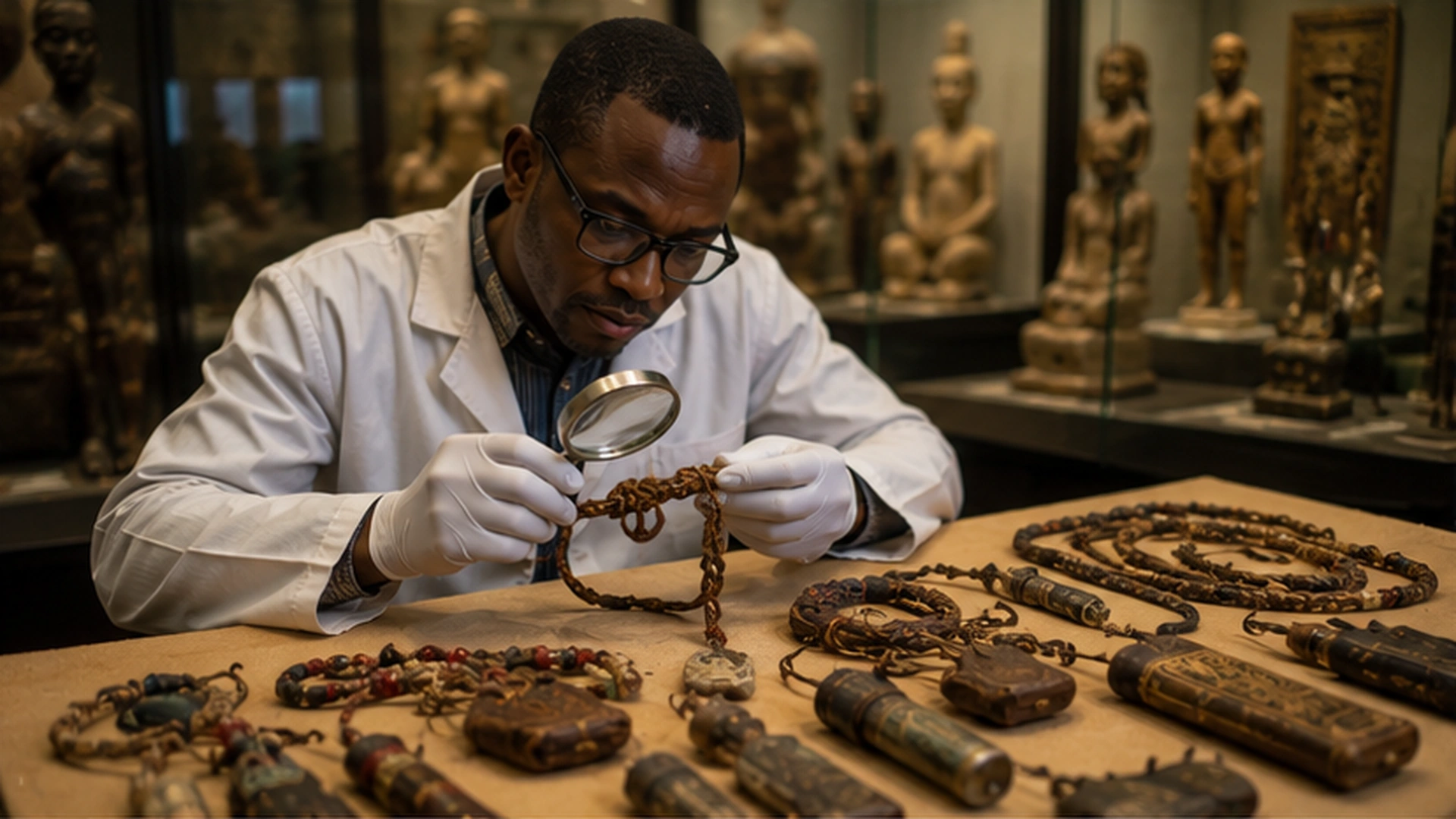
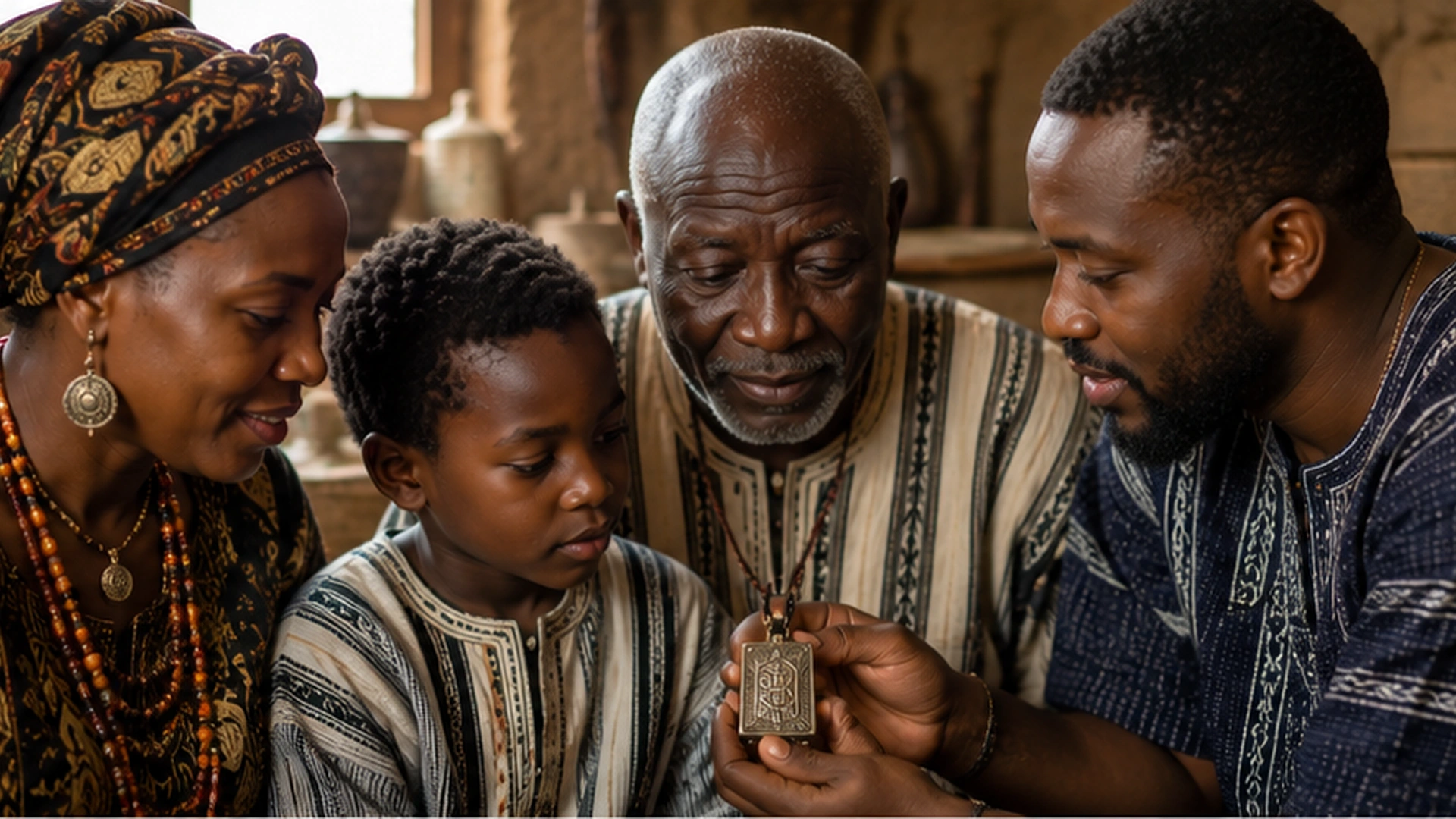
People wore protective symbols on their bodies, placed them in tombs, hung them in homes, attached them to children’s clothing, carved them on buildings, or positioned them beside palace entrances.
These symbols did not form one universal ancient religion.
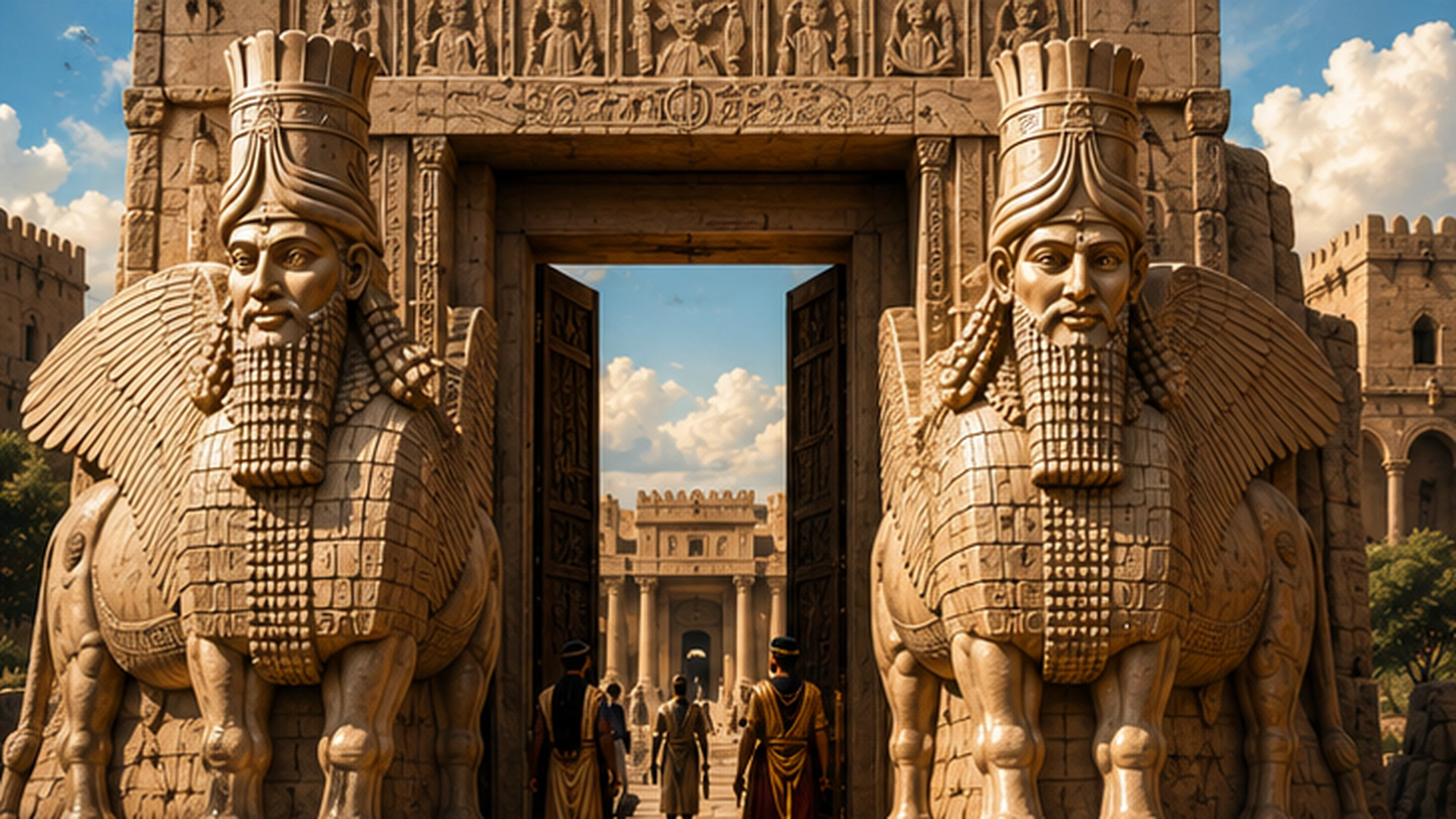
The Egyptian wedjat eye represented restoration and renewed wholeness. Assyrian lamassu guarded royal gateways. Images of Pazuzu were used against the destructive demon Lamashtu. Greek Gorgon faces confronted danger through terrifying imagery. Roman children could wear protective bullae, while Roman soldiers and civilians used other charms associated with protection from envy and misfortune.
Their forms differed because each emerged within a particular religious, political, medical, funerary, and artistic system.
An ancient symbol’s protective meaning could depend on:
- Its material
- Its shape
- Its color
- An inscription
- Where it was positioned
- Who wore it
- The deity or myth it represented
- Words spoken over it
- Whether it was intended for the living or the dead
Ancient Egyptian amulets, for example, could derive their perceived power from several combined elements, including form, decoration, inscription, color, material, spoken words, and ritual actions.
Key Points
Important ancient protective symbols included:
- The wedjat or Eye of Horus
- Scarabs and heart scarabs
- The ankh
- The djed pillar
- The tyet knot
- The shen ring
- The sa protection sign
- Taweret
- Bes
- Sekhmet
- Assyrian lamassu
- Winged protective figures
- Pazuzu
- Lamashtu amulets
- The Gorgoneion or Medusa head
- Roman bullae
- Roman Gorgon pendants
- Protective inscriptions and sacred names
- Early Christian crosses and relic pendants
These symbols expressed hope, religious belief, social identity, and preparation for danger. They did not remove the practical risks of illness, warfare, childbirth, crime, or travel.
What Is an Ancient Protective Symbol?
An ancient protective symbol is an image, object, inscription, creature, deity, or sacred sign that people associated with defense against danger or the restoration of wellbeing.
Clear Definition
An ancient protective symbol is a historically documented image or object believed to guard a person, household, tomb, building, ruler, or community against harm.
Plain-Language Meaning
It was something ancient people wore, carried, carved, displayed, buried, or prayed over because they believed it could help protect them.
The protection might concern:
- Physical illness
- Childbirth
- Dangerous animals
- Warfare
- Envy
- Harmful spiritual beings
- Travel
- Broken agreements
- The security of a palace
- The preservation of the dead
- Renewal in the afterlife
What Does Apotropaic Mean?
The word apotropaic describes an image, object, gesture, or practice intended to turn away or repel harmful influence.
A frightening figure could therefore have a protective purpose.
Examples include:
- A Gorgon face on Greek armor
- A fierce hybrid goddess protecting childbirth
- A demon image used against another demon
- A winged guardian beside a palace entrance
The image did not need to look peaceful. Its intimidating appearance could be understood as a defense.
Protection Was Not Separated From Religion
Modern readers often divide ancient life into separate categories such as religion, medicine, politics, family life, and art.
Ancient societies did not always maintain those boundaries.
A protective object might simultaneously be:
- Jewelry
- A religious image
- A medical aid
- A political symbol
- A family possession
- A funerary object
- An artistic creation
An amulet could decorate the body while also expressing a prayer for health, fertility, safe childbirth, rebirth, or divine support.
1. The Wedjat or Eye of Horus
The wedjat eye was one of ancient Egypt’s most widely used amulet forms.
It represented the eye of the god Horus after it had been injured and restored. The ancient Egyptian term wedjat refers to the eye being sound or whole again.
The symbol combined elements of a human eye and a falcon’s markings because Horus was closely associated with the falcon.
Its story of injury followed by restoration made it a symbol of:
- Healing
- Recovery
- Wholeness
- Rebirth
- Regeneration
- Protection
The Metropolitan Museum of Art describes the wedjat as one of Egypt’s most popular amulets and explains that the restored eye embodied healing power and rebirth.
How the Wedjat Was Used
Wedjat eyes appeared as:
- Pendants
- Rings
- Beads
- Coffin imagery
- Mummy amulets
- Decorations on statues
- Designs on scarabs
They could be worn by living people or placed among mummy wrappings.
Painted eyes on coffins also allowed the deceased symbolically to look toward the rising sun, connecting protection with rebirth.
Eye of Horus and Evil Eye Are Not the Same
The wedjat should not be confused with the later Mediterranean and Middle Eastern eye charms commonly described as protection from the evil eye.
Both involve eye imagery, but they developed in different historical and religious contexts.
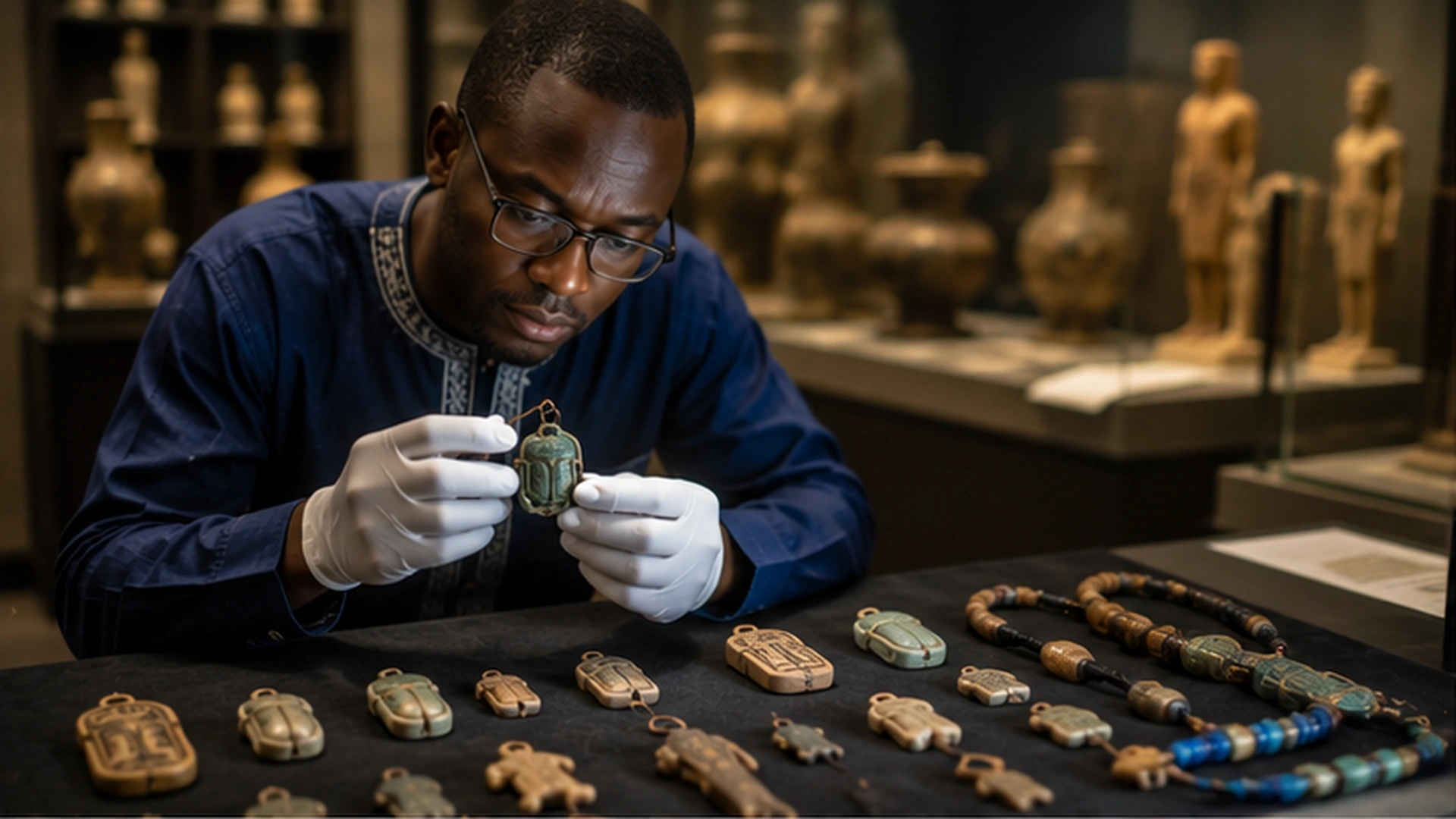
2. Scarab Amulets
The scarab beetle became one of ancient Egypt’s most recognizable symbols.
The beetle’s behavior was connected with ideas about movement, renewal, solar cycles, and regeneration. Scarab-shaped objects were used as seals, jewelry, amulets, and funerary equipment.
Some scarabs carried inscriptions or combinations of protective hieroglyphs.
A Middle Kingdom scarab in the Metropolitan Museum combines paired wedjat eyes with the ankh, the nefer sign, and the djed pillar. The signs were chosen for their positive and protective associations rather than to form an ordinary sentence.
Heart Scarabs
Heart scarabs were primarily funerary objects.
They were placed with the deceased and connected with the heart’s role in judgment and continued existence after death.
They should not be confused with every small scarab worn during life.
Scarab Meaning Was Not Limited to “Good Luck”
Depending on its form and setting, a scarab could relate to:
- Rebirth
- Solar renewal
- Identity
- Royal authority
- Funerary protection
- Sealing and ownership
- Sacred inscriptions
Reducing every scarab to a generic lucky charm removes much of its historical meaning.
Frequently Asked Questions
What should readers know first about Ancient symbols of protection?
Ancient symbols of protection: Explore how ancient Egyptians, Mesopotamians, Greeks, Romans, and early Christians used eyes, animals, deities, guardian figure
What causes Ancient symbols of protection?
Explore how ancient Egyptians, Mesopotamians, Greeks, Romans, and early Christians used eyes, animals, deities, guardian figures, sacred signs, and inscriptions to express protection. The safest next step is to compare the signs, prepare clear details, and req
How does Ancient symbols of protection work?
Explore how ancient Egyptians, Mesopotamians, Greeks, Romans, and early Christians used eyes, animals, deities, guardian figures, sacred signs, and inscriptions to express protection. The safest next step is to compare the signs, prepare clear details, and req
Is it possible to get private guidance for Ancient symbols of protection?
Explore how ancient Egyptians, Mesopotamians, Greeks, Romans, and early Christians used eyes, animals, deities, guardian figures, sacred signs, and inscriptions to express protection. The safest next step is to compare the signs, prepare clear details, and req
How long does Ancient symbols of protection take to understand?
Explore how ancient Egyptians, Mesopotamians, Greeks, Romans, and early Christians used eyes, animals, deities, guardian figures, sacred signs, and inscriptions to express protection. The safest next step is to compare the signs, prepare clear details, and req
Can Ancient symbols of protection affect relationships, family, work, or personal peace?
Explore how ancient Egyptians, Mesopotamians, Greeks, Romans, and early Christians used eyes, animals, deities, guardian figures, sacred signs, and inscriptions to express protection. The safest next step is to compare the signs, prepare clear details, and req
Why do people seek spiritual guidance for Ancient symbols of protection?
Explore how ancient Egyptians, Mesopotamians, Greeks, Romans, and early Christians used eyes, animals, deities, guardian figures, sacred signs, and inscriptions to express protection. The safest next step is to compare the signs, prepare clear details, and req
What signs should someone notice before asking about Ancient symbols of protection?
Explore how ancient Egyptians, Mesopotamians, Greeks, Romans, and early Christians used eyes, animals, deities, guardian figures, sacred signs, and inscriptions to express protection. The safest next step is to compare the signs, prepare clear details, and req
When should someone contact a private spiritual guide?
Explore how ancient Egyptians, Mesopotamians, Greeks, Romans, and early Christians used eyes, animals, deities, guardian figures, sacred signs, and inscriptions to express protection. The safest next step is to compare the signs, prepare clear details, and req
Article Information
- Publisher
- Ancestral Temple
- Editor
- Ancestral Temple
- Last updated
- Jul 26, 2026
- Last reviewed
- Jul 13, 2026
- Content version
- 478ec6a689
This educational article should be read as cultural and spiritual information, not as medical, legal, financial, or emergency advice.
Helpful Related Guidance
Explore This Topic
Ancient Symbols Of Protection · Protective Symbols Used Throughout History
Related Topic Cluster
Ancient Symbols Of Protection
Complete Guide Sacred Symbols Found Across African Spiritual TraditionsAbout the Author
 Ancestral Temple
Spiritual guide and practitioner with decades of experience in ancestral wisdom, rituals, and divine guidance.
Related Posts
View All

Leave a Comment
We'd love to hear your thoughts.
This was comprehensive without encouraging readers to buy supposed magical objects.
Are there recommended museum collections for viewing ancient amulets online?
The article showed why museum labels and excavation context are important.
A future article about Roman protective gems would be interesting.
I liked the point that an intimidating image could be used defensively.
Strong overview connecting protection with family, religion, death, architecture, and political authority.
The misconceptions section corrected several claims I have seen online.
The tone remained neutral while explaining what ancient people believed.
The article helped me distinguish an amulet from an ordinary decorative object.
I appreciated the detailed explanation of Taweret, Bes, and Sekhmet.
More information about women who used protective amulets would be useful.
The section on Egyptian materials and colors deserves a separate article.
The strongest lesson was that context gives an amulet its meaning.
The article respected ancient belief without promising modern protection.
I liked the reminder that modern jewelry may not preserve the original meaning.
The archaeological ethics section was an important addition.
Could you write next about ancient symbols placed at doors and gateways?
The short paragraphs and clear headings worked well on mobile.
The regional structure made the article easy to follow.
This is useful for students of archaeology, history, religion, and art.
Thank you for stating clearly that symbols do not replace practical safety.
I appreciated that political authority was included in the discussion of protection.
The section about sacred words showed that protection symbols were not always pictures.
A comparison between the Gorgoneion and Pazuzu would make an interesting follow-up.
The glossary made the ancient terms much easier to understand.
The article connected tomb protection with rebirth rather than only grave robbery.
I liked the point that children and mothers were major concerns in ancient protective traditions.
The Roman bulla section showed how protection and social status could overlap.
This was educational without claiming that ancient symbols have scientifically proven powers.
The Medusa section explained how her image changed while retaining protective meaning.
I would like a detailed article about Mesopotamian protective plaques.
I appreciated the reminder that some protective objects were hidden under buildings.
The five-leg explanation for lamassu was fascinating.
The lamassu section helped me understand why guardians were placed at entrances.
The article explained Pazuzu without presenting him as a benevolent god.
I had not heard of Lamashtu before reading this article.
The difference between household protection and royal palace protection was interesting.
A separate article about the djed, tyet, shen, and sa symbols would be helpful.
The scarab section showed that the symbol had more uses than good luck.
The article avoided treating all ancient symbols as if they belonged to one religion.
I liked that the ankh was correctly described as a symbol of life rather than simply protection.
The Taweret section clearly explained why a fierce-looking deity could protect mothers.
I did not know Egyptian amulets gained meaning from material, color, and placement as well as shape.
The explanation of apotropaic symbols made the frightening images easier to understand.
I appreciated the distinction between the Eye of Horus and the evil eye.