
Dreaming About Animals: Spiritual Meanings and Cultural Interpretations
Quick Summary
Dreaming about animals can feel unusually vivid because animals often carry strong emotional, social and cultural associations. A dog may remind one person of safety and another of...
Dreaming about animals can feel unusually vivid because animals often carry strong emotional, social and cultural associations. A dog may remind one person of safety and another of an attack. A snake may be understood as danger, healing, renewal, fertility, secrecy or simply a memory of something recently seen. The animal alone does not determine the meaning.
The most responsible interpretation considers the animal’s behavior, the dreamer’s emotions, the setting, recent waking experiences and the cultural or religious tradition being used. Dream research supports the idea that waking concerns and close relationships can influence dream content, but it does not establish a universal code in which each animal predicts a fixed event. Studies of dog dreams, for example, found that dogs appeared more often in the remembered dreams of people who owned dogs or had close contact with them, supporting continuity between waking life and dream content rather than a single symbolic dictionary meaning.
Spiritual traditions may treat some dreams as warnings, messages, encounters or meaningful symbols. These interpretations deserve cultural respect, but they should be described as beliefs and practices—not as scientifically guaranteed forecasts. UNESCO’s framework for intangible cultural heritage similarly recognizes that communities’ spiritual worldviews and representations are shaped by their particular histories and natural environments.
Quick Answer
Dreaming about animals may symbolize instincts, emotions, relationships, protection, fear, change or spiritual meaning, depending on the dreamer and the tradition. There is no universal meaning for every animal. To interpret the dream, examine what the animal did, how you felt, where it appeared, your real-life relationship with that species and any culturally specific symbolism you recognize.
What Does Dreaming About Animals Mean?
A dream containing an animal may represent several kinds of material at once:
Dreaming occurs in both REM and non-REM sleep, although remembered REM dreams are often vivid and emotional. Modern neuroscience continues to debate the exact functions of dreaming and REM sleep. Research links dreaming with memory, emotion and ongoing concerns, but no scientific method can translate one animal into one guaranteed meaning for every dreamer.
The animal is only one part of the dream
Consider two dreams involving a lion. In one, the dreamer watches a calm lion protect its cubs and feels safe. In another, a lion breaks through a door while the dreamer feels trapped. The species is the same, but the emotional structure is different.
A useful interpretation therefore asks:
Why Do Animals Appear in Dreams?
Waking-life contact and memory
The continuity hypothesis of dreaming proposes that dreams often reflect waking interests, relationships and concerns. Quantitative dream research has found meaningful continuity between dream reports and waking life, although dreams may combine these elements in strange or indirect ways.
The dog-dream survey offers a clear example. Dogs appeared in a higher proportion of remembered dreams among dog owners and people who spent more time with dogs. Negative waking experiences with dogs were also associated with more threatening dog dreams. This does not prove what a dog “symbolizes”; it shows why personal history matters.
Emotion and threat
Animals can efficiently represent movement, pursuit, vulnerability and power. A charging bull, circling bird or hidden snake can give a dream immediate emotional force. The sleeping brain may use familiar images while processing stress, memories or anticipated problems.
This does not mean every threatening animal dream reveals hidden danger. Stress, illness, medication, frightening media, disrupted sleep and recent events can all influence nightmares or vivid dreams. Research on sleep disorders and dream content also shows that stressors, medication and sleep conditions can affect dream recall or emotional tone.
Human relationships represented indirectly
A dreamer may associate a protective dog with a loyal friend, a demanding flock with family responsibility or a caged bird with restricted freedom. Such interpretations are personal metaphors, not universal laws.
Before deciding that an animal “is” another person, ask what qualities create the association. Is it the animal’s behavior, your history with it, a nickname, a family story or a cultural teaching?
Spiritual or religious belief
In some traditions, dreams may be classified as meaningful messages, warnings or revelations. Persian and Islamic intellectual traditions, for example, developed categories distinguishing dreams regarded as true, false, symbolic or in need of interpretation.
Within other communities, a dream becomes meaningful when it is narrated, discussed and evaluated socially. Research on West African religious movements and colonial Buganda shows that dream reports could carry religious, political or communal significance rather than remaining purely private experiences.
These examples do not establish a single “African” view of animal dreams. They demonstrate that dream meaning is created within specific histories, languages, religious institutions and social relationships.
Spiritual Meaning of Animals in Dreams
A spiritual reading begins with the dreamer’s worldview. Someone who believes ancestors communicate through dreams will interpret an animal differently from someone who treats dreams as psychological narratives or ordinary mental imagery.
The following are broad interpretive themes found in modern spiritual discussion. They should be used as reflective possibilities, not predictions.
Animals as messengers
An animal that arrives, watches, calls, leads the dreamer or repeatedly appears may be understood as carrying a message. The important question is not merely “Which animal was it?” but “What happened when it appeared?”
A bird delivering an object, a dog leading the way home and a silent owl observing from a roof create different narrative functions. A culturally grounded interpretation should also ask whether that species is recognized as a messenger within the dreamer’s actual tradition.
Animals as expressions of instinct
Animals may represent bodily awareness, survival, sexuality, territoriality, appetite, caregiving or the need for rest. Modern spiritual writers often use “instinct” broadly, but the dreamer should avoid reducing a complex species to one human trait.
A nesting animal may prompt reflection on protection or home. A migrating herd may raise questions about belonging and transition. A sleeping animal may suggest conserved energy—or simply reflect something recently observed.
Animals as protection or warning
A guarding animal can feel protective, while an attacking animal can feel like a warning. The warning may concern an external situation, an internal fear or nothing predictive at all.
Responsible interpretation does not tell a frightened person that disaster is certain. It asks whether the dream reflects a boundary problem, recent threat, unresolved memory or culturally specific caution.
Animals as change and renewal
Animals that shed skin, migrate, hatch, emerge from water or transform are often connected in modern symbolism with change. Snakes and butterflies are common examples. Yet the meaning depends on cultural context and personal emotion. A snake may evoke healing for one person and trauma for another.
Animals, ancestors and community identity
Some families or communities connect particular animals with clans, lineages, sacred histories or ancestral relationships. Such knowledge may be restricted, locally varied or held by cultural custodians.
An online article should not invent clan symbolism or publish private ritual interpretations. When a dream involves an animal important to the dreamer’s community, the most respectful approach is to consult a trusted elder, religious leader or knowledgeable cultural practitioner from that specific tradition—while remaining alert to coercion or exploitative demands.
Cultural Interpretations of Animal Dreams
Human societies have interpreted dreams for thousands of years, but surviving sources reveal different methods rather than one ancient dictionary.
Ancient Egyptian dream manuals
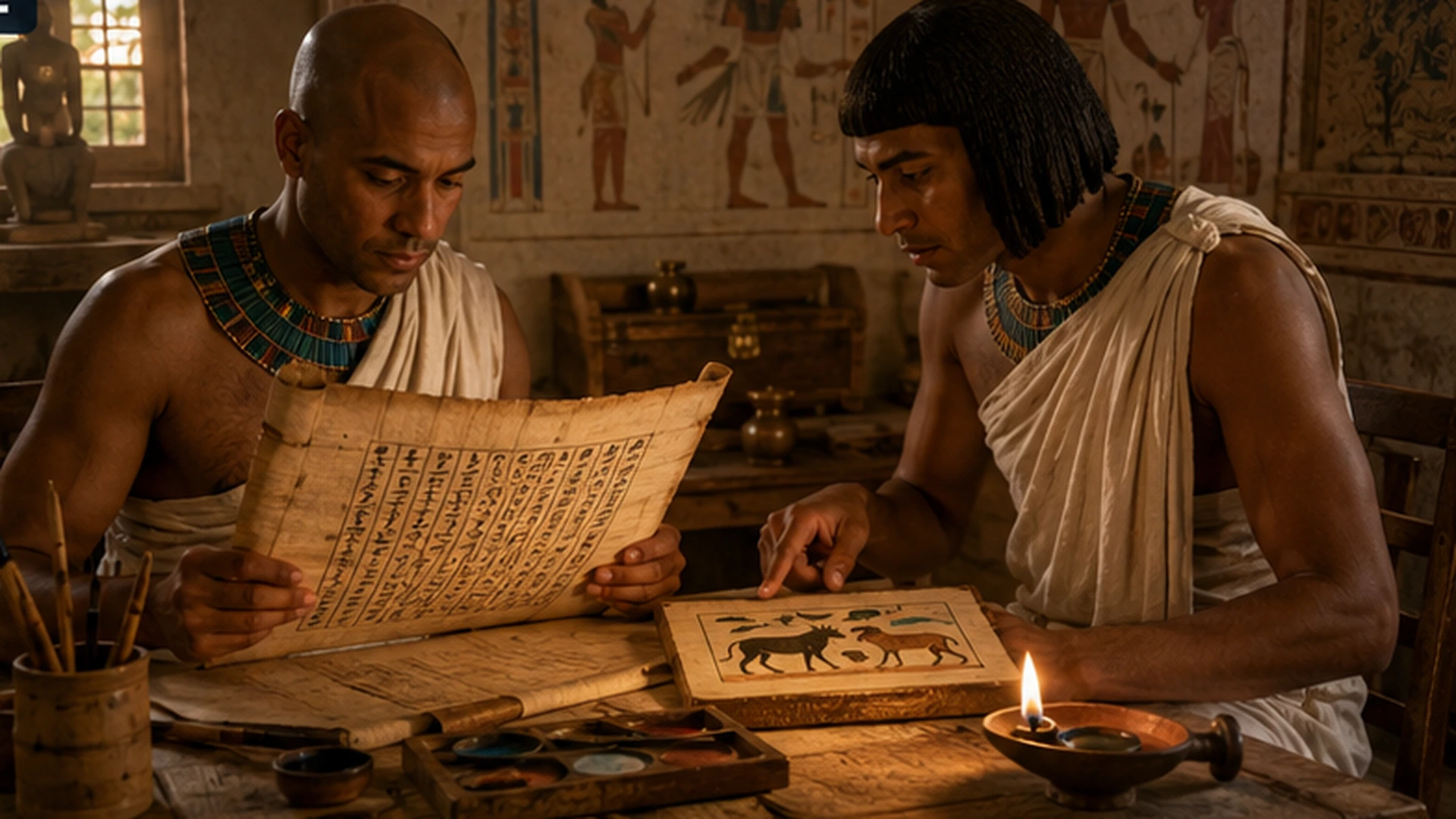
Papyrus Chester Beatty III, dated to around 1220 BCE and associated with Deir el-Medina, preserves a hieratic manual for interpreting dreams. Its entries classify dream scenes and provide favorable or unfavorable outcomes. The artifact demonstrates that some ancient Egyptian scribal traditions treated dreams as structured omens. It does not prove that every Egyptian used the same system or that modern dreamers should apply its entries literally.
Ancient Egyptian religious imagery also used animals in highly specific ways. Falcons, lions, ibises, crocodiles and other creatures could be connected with particular deities or powers, but those associations changed across place and time. An animal-headed deity is not evidence that every dream of that animal carried the deity’s message. Museum research emphasizes the complexity and historical variation of Egyptian animal symbolism and cult practice.
Greco-Roman interpretation and the dreamer’s circumstances
Artemidorus of Daldis, writing in the second century CE, compiled a major Greek dream manual known as the Oneirocritica. His method is important because he did not assume that one image meant the same thing for everyone. Interpretation considered the dreamer’s occupation, status, circumstances and expected future. Historians value the work partly because it records the anxieties and hopes of many social groups.
This context-sensitive approach remains useful even when a modern reader does not accept prophetic interpretation. A horse may mean something different to a rider, farmer, frightened child or person who has never seen one outside a screen.
Persian and Islamic traditions
Persian and Islamic dream literature developed distinctions among ordinary dreams, confused dreams, visions and dreams regarded as true or symbolic. Some dreams were considered direct enough not to require interpretation, while others needed a knowledgeable interpreter.
These traditions are internally diverse. It is inaccurate to take a popular list attributed to a famous interpreter and assume that it represents every Muslim society, school or historical period. Religious interpretation should be grounded in recognized scholarship and the dreamer’s own community rather than anonymous symbol websites.
Dreams in Buganda and other African social settings
Historical research on colonial Buganda shows dreams being used within political and religious imagination. Muslim dissenters and Christian activists could narrate dreams as part of arguments about authority and the future of the kingdom.
Anthropological work in West and southern African religious movements likewise shows that a dream’s meaning can depend on how it is told, who is authorized to interpret it and what role the account plays in the community.
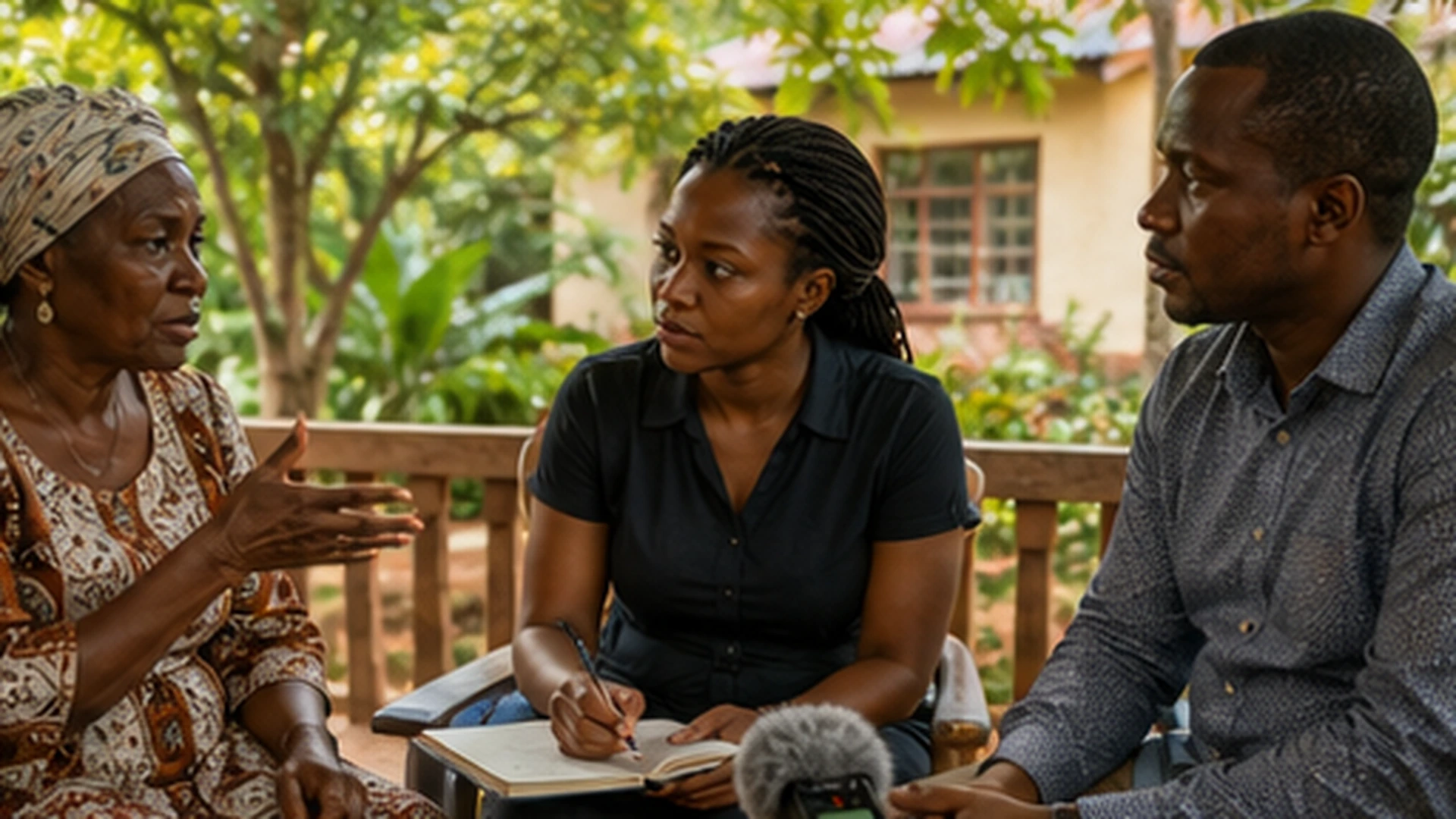
These studies warn against describing “African dream meaning” as one system. Uganda alone contains many languages, histories and religious communities. An animal associated with danger, livelihood, clan identity, landscape or spiritual power in one community may carry no equivalent meaning in another.
Dreams About Animals in Your House
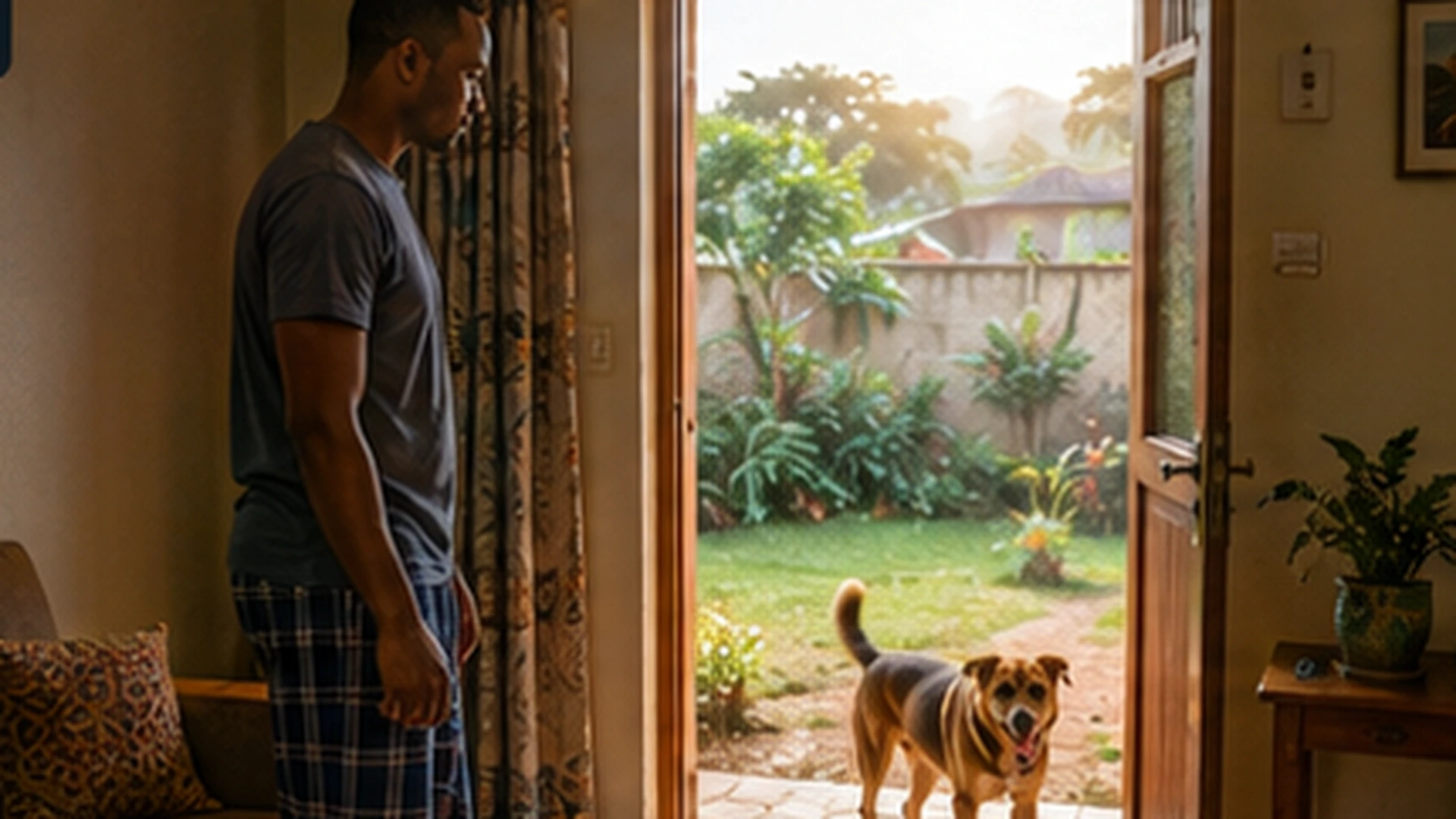
Dreams about animals in your house combine two powerful elements: a living creature and a private space. Many modern interpreters treat the house as a symbol of the dreamer’s personal life, body, family or psychological boundaries. That association can be useful, but it is not a scientifically proven universal rule.
An animal entering the house may prompt reflection on:
The room changes the interpretation
| Dream location | Possible reflective theme | Questions to ask |
|---|---|---|
| Front door or gate | Access, permission, transition or protection | Was the animal entering, leaving, guarding or blocking you? |
| Bedroom | Vulnerability, rest, intimacy or privacy | Did you feel safe, watched, crowded or comforted? |
| Kitchen | Nourishment, family work, resources or contamination anxiety | Was the animal eating, being fed or damaging food? |
| Living room | Family interaction, public identity or household relationships | Who noticed the animal, and who ignored it? |
| Roof or ceiling | A concern above awareness, noise or instability | Was it hidden, trapped, nesting or breaking through? |
| Bathroom | Privacy, cleansing, embarrassment or bodily concerns | Did the animal frighten you or seem calm? |
| Yard or compound | The boundary between home and the outside world | Was the animal wild, domestic, invited or fenced out? |
A harmless animal in the house does not automatically mean a blessing, and a frightening animal does not automatically predict attack, betrayal or death. Interpret the entire scene.
Common Animal Dream Symbols and Possible Meanings
The following table provides reflective possibilities, not fixed definitions.
| Animal or group | Common modern associations | Context that may change the meaning |
|---|---|---|
| Dog | Loyalty, companionship, protection, dependence or threat | Your history with dogs; whether it was familiar, injured, guarding, playful or attacking |
| Cat | Independence, privacy, sensitivity, unpredictability or comfort | Whether you like cats; domestic versus feral behavior; hiding, scratching, nursing or watching |
| Snake | Danger, healing, renewal, secrecy, sexuality or transformation | Species, cultural tradition, personal fear, biting, shedding skin, color and location |
| Bird | Freedom, message, perspective, migration or spiritual aspiration | Species, song, flight, captivity, nesting, death or direction of movement |
| Lion or other large predator | Authority, courage, danger, leadership or overwhelming power | Whether it protected, hunted, watched, submitted or was confined |
| Elephant | Memory, family, strength, dignity or burden | Herd behavior, cultural context, size, injury, calmness or destruction |
| Horse | Movement, labor, status, vitality or loss of control | Riding experience, speed, saddle, rider, work context and condition of the horse |
| Cattle, goats or sheep | Livelihood, food, wealth, responsibility, community or conformity | The dreamer’s actual agricultural background and the animals’ health or ownership |
| Fish or aquatic animal | Hidden emotion, fertility in some traditions, adaptability or uncertainty | Water quality, depth, species, catching, releasing, eating or being submerged |
| Insects | Irritation, persistence, contamination, teamwork or overlooked detail | Type of insect, number, infestation, bite, usefulness and waking household concerns |
| Monkey or ape | Play, imitation, intelligence, embarrassment or social disorder | Local species, cultural stories, aggression, captivity and the dreamer’s attitude |
| Unknown or hybrid animal | Uncertainty, combined qualities, creativity or fear of the unfamiliar | Which recognizable features it combined and how the dreamer responded |
Dreaming of dogs
Dogs often appear in dreams because they are deeply integrated into human homes, work and companionship. A friendly known dog may reflect attachment or memory. A threatening dog may connect with fear, conflict or a negative experience. Research showing that dog owners and people with frequent dog contact report more dog dreams supports a waking-life explanation before any spiritual conclusion.
Dreaming of cats
A cat dream may concern comfort, independence, unpredictability or boundaries, but personal experience matters. A person who cares for cats daily may simply dream about normal responsibilities. A frightened person may experience the same animal as secrecy or threat.
Dreaming of snakes
Snakes have different meanings across religions and cultures. They can be associated with danger, healing, renewal, fertility, wisdom or moral threat. The safest interpretation begins with the dreamer’s own cultural knowledge and emotional response.
A snake bite may represent feeling attacked or alarmed, but it does not prove that another person is spiritually harming the dreamer. Fear-based interpreters often exploit snake dreams by claiming curses or demanding payment for urgent rituals. Such claims should be treated cautiously.
Dreaming of birds
Birds can suggest movement, perspective, migration, messages or freedom. Yet a trapped bird differs from a soaring bird, and an owl differs from a chicken, eagle or crow. Species-specific cultural meaning should not be generalized across communities.
Dreaming of lions and other predators
Large predators can embody power or danger because their physical abilities are immediately understood. A calm lion beside the dreamer may feel protective; a stalking lion may express fear or pressure. In regions where people live near wildlife, the dream may also draw on real environmental knowledge.
Dreaming of farm animals
Cattle, goats, sheep, chickens and other domestic animals may be connected with work, wealth, food, responsibility or family life. For a farmer, an unhealthy herd could reflect real economic concern. For someone without agricultural experience, the same dream may come from a story, advertisement or symbolic association.
Dreaming of insects or infestations
An infestation dream often feels connected with intrusion, contamination or many small problems. Before choosing a symbolic explanation, check for ordinary causes: recent pest concerns, skin sensations, illness, anxiety, household noises or something seen before sleep.
Important Details That Change an Animal Dream’s Meaning
What the animal was doing
Behavior often carries more interpretive value than species.
Your emotion
The same scene can carry opposite meanings depending on feeling.
Peace may suggest familiarity or acceptance. Fear may point to threat or remembered danger. Disgust can connect with contamination or rejection. Wonder may indicate curiosity, spiritual awe or the discovery of a neglected part of life.
Color and size
Unusual color or exaggerated size can make an image memorable, but color dictionaries are culturally inconsistent. Ask what that color means to you, where you recently saw it and whether it changed the animal’s emotional effect.
Number of animals
One animal can feel like a focused relationship or issue. A herd, flock or swarm may emphasize collective movement, social pressure, abundance, chaos or repeated responsibility. Again, the dream action matters more than the number alone.
Familiar versus unfamiliar animals
A known pet often has a direct autobiographical connection. An unknown animal may invite broader symbolic interpretation, but it may also be a composite made from remembered images.
What Does It Mean to Dream of Many Animals?
Dreaming of many animals can create a feeling of abundance, disorder, community or threat. Interpretation depends on whether the animals coexist peacefully, compete, escape, surround the dreamer or move together.
Possible reflective themes include:
A peaceful mixed group should not automatically be called a spiritual gathering, and a chaotic group should not automatically be treated as a curse. Record the specific species and interactions.
Recurring Animal Dreams
A recurring animal dream deserves attention because repetition can indicate a persistent concern, memory, fear or personally meaningful symbol. It does not necessarily predict a repeated external event.
To study it:
Long-term quantitative dream research has found consistency in the concerns and characters appearing in some individuals’ dream reports, supporting the value of examining patterns over time.
How to Interpret an Animal Dream Responsibly
Step 1: Write the dream before interpreting it
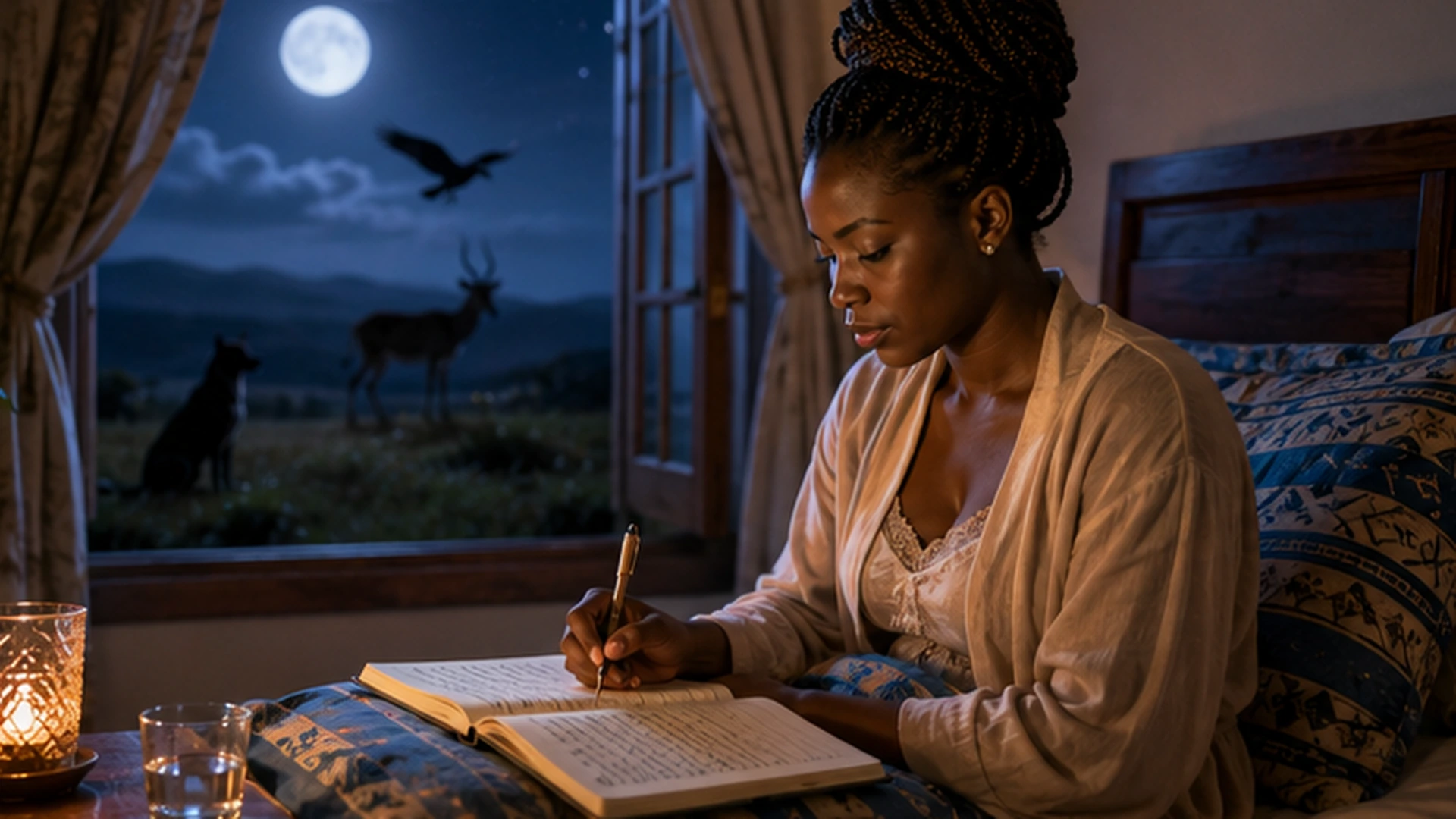
Record the sequence, setting, people, animals, words, colors and emotions. Interpretation done from a short memory such as “I saw a snake” can miss the part that gives the dream its structure.
Step 2: Separate description from conclusion
Write “A black dog stood at my gate and did not bark” before writing “The dog was a warning.” This prevents the interpretation from replacing the actual dream.
Step 3: Identify personal associations
Ask what the animal means in your own life. Consider pets, work, childhood events, fear, food, farming, wildlife, stories and recent encounters.
Step 4: Check waking-life continuity
What happened during the previous days? Research repeatedly finds links between waking concerns and dream content, even when the dream transforms them. A recent large study of thousands of dream and waking reports also found that stable personal traits and experiences influenced dream content.
Step 5: Add cultural or spiritual meaning carefully
Use sources from the specific tradition. Distinguish family teaching, local custom, scripture, scholarly history and modern internet symbolism.
Step 6: Consider more than one explanation
A bird in the bedroom might symbolize freedom, a message, vulnerability, a real bird sound outside or a memory from a film. Multiple explanations can remain open until a pattern becomes clearer.
Step 7: Avoid decisions based only on a dream
Do not accuse someone, end a relationship, stop medication, spend large sums or take dangerous action because of a dream interpretation. Dreams can be emotionally important without being literal instructions.
Step 8: Return to the dream later
Meaning may become clearer when the dream is compared with later experiences, but avoid rewriting the prediction after the fact so that any event appears to confirm it.
Scientific Limitations
Science can investigate sleep stages, brain activity, dream recall, emotional tone and patterns across dream reports. Researchers can test whether waking experiences increase the appearance of certain animals or whether nightmares change with stress and treatment.
Science cannot confirm a claim simply because a dream feels powerful. A vivid animal dream is not evidence by itself of prophecy, spiritual attack, pregnancy, death, financial gain or another person’s intentions.
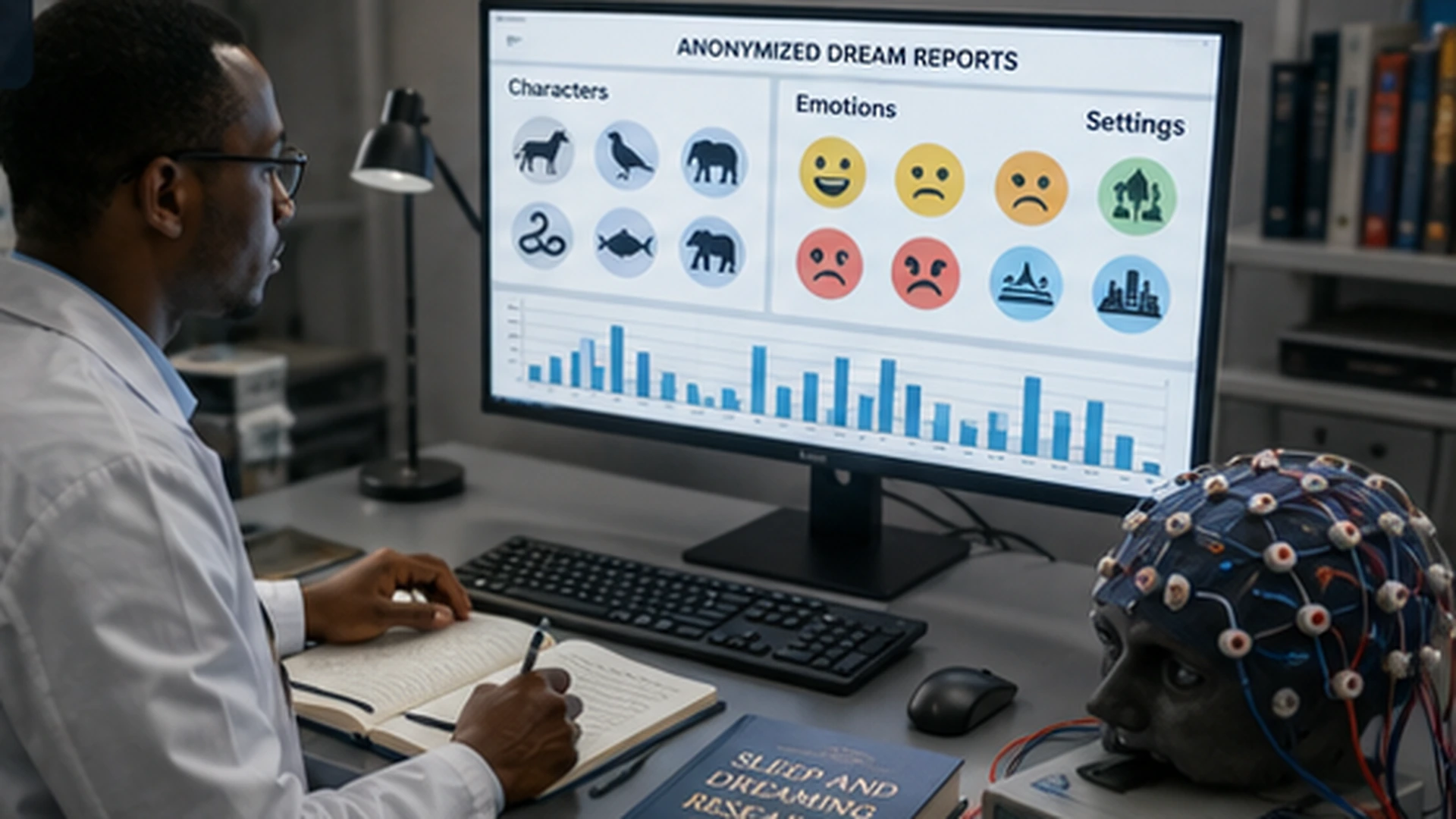
Dream reports also have limitations. They depend on memory after waking, and the act of retelling can change detail. Researchers therefore use structured collection and content-analysis methods when comparing dreams. The Hall–Van de Castle system, for example, codes characters—including animals—settings, emotions, activities and social interactions rather than assuming symbolic meanings in advance.
Common Misunderstandings
“Every animal has one spiritual meaning”
No. Symbolism changes across traditions and individuals. Even within one tradition, the animal’s condition and behavior can change interpretation.
“A frightening animal proves spiritual attack”
A frightening dream proves that the dream was frightening. It may relate to stress, trauma, memory, sleep disruption or belief, but it does not identify an attacker.
“A dead animal always predicts death”
No scientific evidence supports this universal prediction. Death imagery can relate to grief, change, fear, loss, concern for an animal or exposure to distressing material.
“Dreaming of pregnancy-related animals guarantees fertility”
No dream guarantees conception, pregnancy outcome or medical status. Fertility concerns should be discussed with qualified health professionals.
“The internet’s first symbol list is culturally authentic”
Many online lists combine Egyptian, Greek, Indigenous, African, Christian, Islamic, Hindu and modern psychological ideas without identifying sources. This creates attractive but historically unreliable interpretations.
Ethical and Cultural Cautions
When to Seek Professional Help
Most animal dreams require no medical treatment. Consider speaking with a health professional when nightmares are regular, disrupt sleep, affect daytime functioning or follow a traumatic event. The NHS advises seeking medical help when recurrent nightmares affect sleep and everyday life.
Prompt assessment is also appropriate when a person repeatedly punches, kicks, shouts, jumps from bed or injures themselves or another person while apparently acting out dreams. Such behavior can be associated with REM sleep behavior disorder and should not be treated only as spiritual symbolism.
A spiritual adviser may offer pastoral support, but persistent sleep disturbance, trauma symptoms or dangerous nighttime behavior needs qualified medical or mental-health assessment.
Key Takeaways
People Also Ask
What does it mean when you dream about animals?
It may reflect emotions, instincts, relationships, memories, fears or spiritual beliefs. The meaning depends on the species, behavior, setting, emotion and the dreamer’s personal and cultural associations.
What is the spiritual meaning of animals in dreams?
Some spiritual traditions understand animals as messengers, protectors, warnings, ancestors’ signs or expressions of natural power. These meanings are culturally specific and should not be treated as universal predictions.
What does it mean to dream about animals in your house?
It may prompt reflection on boundaries, family, privacy, safety, responsibility or an outside concern entering personal life. The room, animal behavior and dreamer’s emotion matter more than a generic definition.
Is seeing an animal in a dream a good sign?
Not automatically. A calm or helpful animal may feel positive, while an injured or attacking animal may feel disturbing. Neither feeling guarantees a future outcome.
Why do I keep dreaming about the same animal?
The animal may connect with an ongoing relationship, memory, fear, responsibility or personally meaningful symbol. Record repeated details and compare them with waking circumstances.
Do animals in dreams represent people?
Sometimes a dreamer associates an animal’s behavior with a person, but this is not always the case. The animal can also represent itself, a memory, an emotion or a cultural symbol.
Can dreams about animals predict the future?
Some religious and cultural traditions accept predictive dreams. Modern science has not established animal dreams as a reliable method of forecasting future events.
Can stress cause dreams about animals?
Stress can influence dream intensity, emotional tone and nightmares. The animal image may be connected with a specific worry, recent experience or general threat feeling.
Frequently Asked Questions
What does a friendly animal mean in a dream?
A friendly animal may suggest comfort, trust, companionship, protection or acceptance. It may also reflect a real pet or positive recent experience.
What does an attacking animal mean?
It may reflect fear, pressure, conflict, trauma or feeling unable to control something. It does not prove that someone is spiritually attacking you.
What does a talking animal mean?
A talking animal gives the dream an unusually direct narrative voice. Record the exact words and consider why the mind chose that species to speak.
What does an injured animal mean?
It may connect with vulnerability, guilt, grief, neglected responsibility or concern for a real animal. Personal context is essential.
What does a baby animal mean?
Baby animals may evoke care, innocence, new responsibility or something developing. They do not guarantee pregnancy or fertility.
What does a wild animal mean?
A wild animal may suggest power, unfamiliarity, freedom, environmental knowledge or danger. Whether it is calm, trapped, hunted or approaching the home changes the interpretation.
What does it mean to rescue an animal in a dream?
It may reflect caregiving, responsibility, compassion or a wish to protect a vulnerable part of life. It may also arise from real concern about animal welfare.
Should I tell an elder or spiritual leader about an animal dream?
That can be appropriate when the person is trusted, culturally knowledgeable and respectful. Avoid anyone who uses fear, demands secrecy or insists on expensive urgent action.
Conclusion
Dreaming about animals can be spiritually meaningful, psychologically revealing, culturally important or simply memorable. The safest interpretation does not begin with a universal dictionary. It begins with the actual dream.
What animal appeared? What did it do? How did you feel? Where were you? What relationship do you have with that species? Does your family or religious community recognize a specific meaning? What happened in waking life before the dream?
Historical sources show that people have long treated dreams as omens, revelations, social narratives and subjects of formal interpretation. Modern research shows that dreams can carry recognizable continuities with waking relationships and concerns. Neither perspective justifies turning every animal into a guaranteed prediction.
A responsible reading keeps personal reflection, cultural belief and scientific evidence distinct. It allows the dream to matter without allowing fear-based interpretation to control the dreamer.
Final Summary
Animals in dreams may represent memories, emotions, relationships, instincts or culturally specific spiritual ideas. No species has one universal meaning. Interpret the animal’s behavior, the dream setting, your emotional response, waking-life experience and the tradition you are using. Treat predictions cautiously, and seek professional support when nightmares or dream-enacting behavior disrupt safety or daily life.
Research Sources and Further Reading
5. Internal Linking Plan
| Suggested anchor text | Target article or slug | Recommended placement |
|---|---|---|
| spiritual meaning of snakes in dreams | /spiritual-meaning-of-snakes-in-dreams/ | Snake subsection |
| dreams about birds | /dreaming-about-birds-meaning/ | Bird subsection |
| dreaming about ancestors | /dreaming-about-ancestors-meaning/ | Spiritual and cultural context |
| how to keep a dream journal | /how-to-keep-a-dream-journal/ | Recurring dreams and interpretation steps |
| common dream symbols | /common-dream-symbols-and-meanings/ | Introduction to common animals |
| dreams about water | /dreaming-about-water-meaning/ | Fish and aquatic animals |
| recurring dreams | /recurring-dreams-meaning/ | Recurring animal dreams |
| nightmares and spiritual meaning | /nightmares-spiritual-meaning/ | Professional-help section |
| animal symbolism across cultures | /animal-symbolism-across-cultures/ | Cultural interpretations |
| dreams about your home | /dreams-about-houses-and-homes/ | Animals in your house section |
Implementation note: Verify each live URL before publishing. Use one descriptive internal link where it genuinely expands the reader’s next question rather than repeating exact-match anchor text throughout the page.
6. Glossary
| Term | Definition |
|---|---|
| Animal character | A nonhuman animal physically present in a dream report. |
| Continuity hypothesis | The view that dream content often reflects waking concerns, relationships and experiences. |
| Cultural interpretation | Meaning understood through a specific community’s language, history, religion or social practice. |
| Dream enactment | Physical movement or vocalization that appears to act out dream content during sleep. |
| Dream journal | A written or recorded log of dreams made soon after waking. |
| Dream omen | A dream interpreted as indicating a future event or condition within a divinatory tradition. |
| Dream report | The remembered and narrated account of a dream after waking. |
| Dream symbol | An image or event interpreted as representing an idea beyond its literal appearance. |
| Non-REM dreaming | Dream-like mental experience reported from stages of sleep outside REM sleep. |
| Oneiromancy | Divination through dreams. |
| Personal association | A meaning shaped by an individual’s memories, emotions and experience. |
| REM sleep | A sleep stage characterized by rapid eye movements, distinctive brain activity and reduced skeletal-muscle tone. |
| Recurring dream | A dream or closely related dream theme that appears repeatedly. |
| Spiritual interpretation | Meaning understood through religious, sacred or metaphysical beliefs. |
| Waking-life trigger | A recent event, sensation, concern or memory that may influence dream content. |
7. Related Article Recommendations
Article Information
- Publisher
- Ancestral Temple
- Editor
- Ancestral Temple
- Last updated
- Jul 26, 2026
- Last reviewed
- Jul 26, 2026
- Content version
- e54815e0fa
This educational article should be read as cultural and spiritual information, not as medical, legal, financial, or emergency advice.
Helpful Related Guidance
Explore This Topic
Related Topic Cluster
Dreams & Symbolism
About the Author
 Ancestral Temple
Spiritual guide and practitioner with decades of experience in ancestral wisdom, rituals, and divine guidance.
Related Posts
View All






Leave a Comment
We'd love to hear your thoughts.