
Road-Opening Rituals: Meaning, Origins and Spiritual Beliefs
Pillar Article
Quick Summary
Road-opening rituals are spiritual practices intended to remove obstacles, restore movement or prepare a person for new opportunities. The road may represent employment, business,...
Road-opening rituals are spiritual practices intended to remove obstacles, restore movement or prepare a person for new opportunities. The road may represent employment, business, education, travel, relationships, healing, creativity, legal progress or a major life decision. In modern spiritual language, a person whose plans repeatedly stall may describe the road as closed, blocked or crossed.
The phrase sounds ancient and universal, but its history is more complicated. The modern English label Road Opener appears across African American conjure, Afro-Caribbean and Latin American popular religion, botanica culture, contemporary witchcraft and commercial spiritual-supply markets. These settings influence one another, but they are not one religion and should not be blended into a single origin story.
Older and separate traditions give roads, crossroads, thresholds and gates profound religious meanings. Yoruba Esu or Elegbara, Cuban Elegua, Fon and Ewe Legba, and Haitian Papa Legba are connected in different ways with communication, entrances, crossroads, uncertainty and access. Their histories help explain why pathways carry spiritual weight, but they should not be reduced to generic tools for obtaining money, love or employment.
This article explains the documented history, likely development and living beliefs surrounding road-opening work. It does not reveal restricted ceremonies, provide a universal spell or promise supernatural results.
Quick Answer
A road-opening ritual is a spiritual practice associated with clearing obstacles and preparing for opportunity. The modern category developed through contact among Hoodoo, Afro-Caribbean religions, Latin American popular practices and commercial spiritual-supply culture. It has no single universal recipe, and it cannot guarantee employment, money, love, legal success or any other outcome.
What Is a Road-Opening Ritual?
A road-opening ritual is a practice through which a person asks for movement where life feels obstructed. The language is metaphorical but, for believers, the blockage may also be understood as spiritual. A closed road can describe repeated delay, conflict, discouragement, poor timing, a crossed condition, hostile influence, lack of clarity or the absence of opportunity.
Road-opening work is commonly directed toward a specific area such as a job search, business launch, relocation, education, creative project or relationship decision. Some practitioners understand it as clearing what prevents progress. Others describe it as making opportunity visible, improving spiritual alignment or asking divine and ancestral powers for permission and assistance.
The term does not refer to one recognized world religion. It is a modern umbrella category used in several overlapping spiritual environments. The exact meaning depends on the practitioner, lineage, language, community and materials involved.
Road Opening in Simple Words
Road opening means trying to create a clearer path forward. Spiritually, it may involve prayer, cleansing, offerings, candles, plants or consultation. Practically, it should also involve applications, training, budgeting, communication, medical care, legal advice or another real-world action connected to the goal.
Why Roads and Crossroads Carry Spiritual Meaning
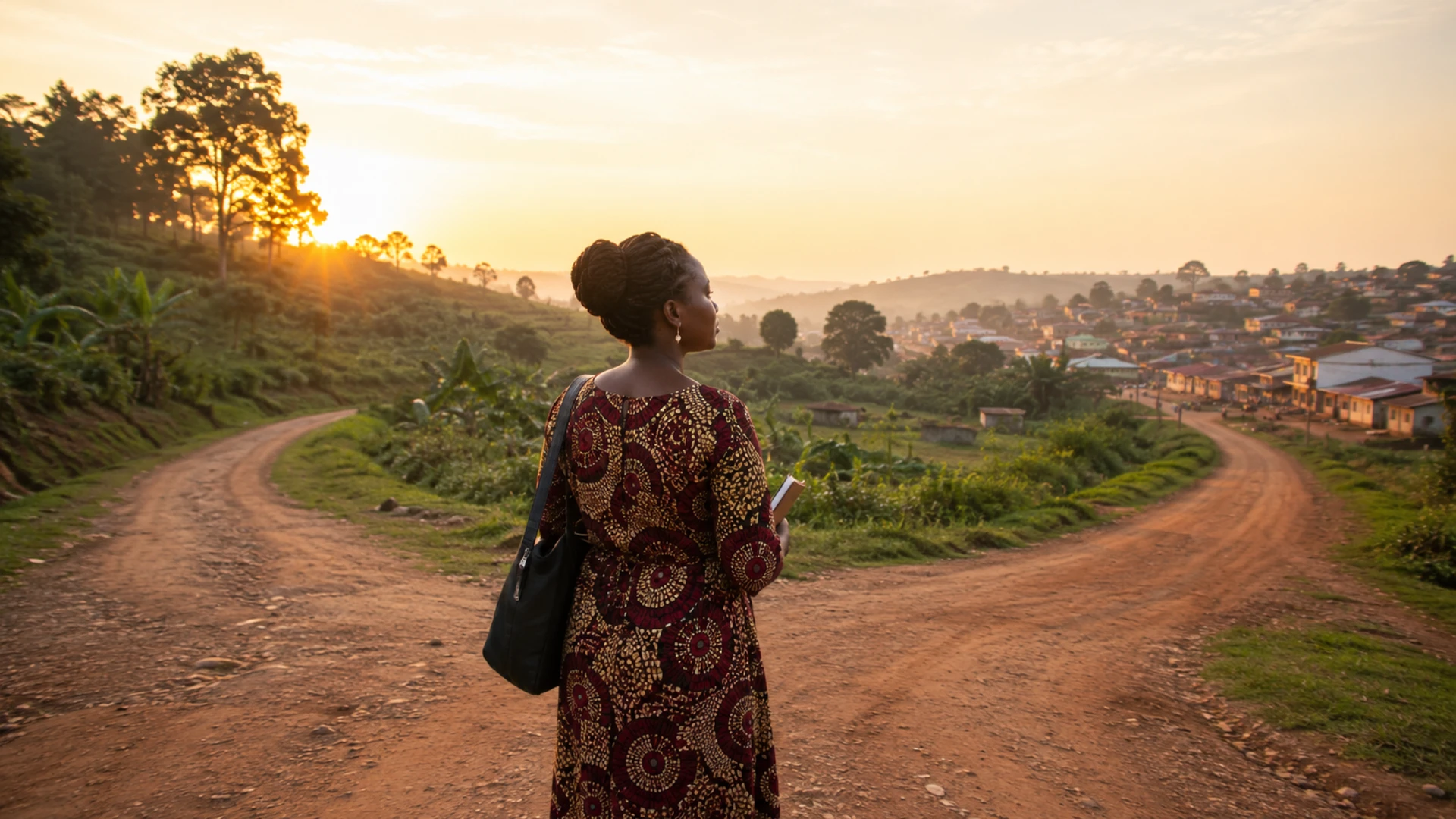
Roads connect places, people and possibilities. They also separate one direction from another. A doorway permits entry but can also deny it. A crossroads creates choice, uncertainty and encounter. These physical realities make roads and thresholds powerful religious metaphors.
Across different societies, roads can represent destiny, pilgrimage, migration, trade, danger, exile, communication or the journey between life stages. Crossroads can be places of exchange, decision and contact between human and spiritual worlds. Similar symbolism does not make every tradition identical.
A Christian phrase such as “make straight the way,” a Yoruba account of Esu, a Haitian invocation of Legba and a modern candle labelled Road Opener belong to different histories. Comparison is useful only when the differences remain visible.
Origins: Why There Is No Single First Road-Opening Ritual
No reliable source identifies one first road-opening ritual. The exact English product name is easier to find in modern spiritual commerce than in early ethnographic records. Older cultures certainly possessed rituals for journeys, gates, luck, obstacles, divination and beginnings, but calling all of them “road opening” would impose a modern label backward onto unrelated practices.
The strongest historical explanation is therefore layered. Ancient and living African traditions gave crossroads, messengers and thresholds religious meaning. Enslaved Africans carried diverse knowledge into the Americas, where new African American and Afro-Caribbean traditions developed under slavery, colonialism, Christianity, migration and cultural exchange. Later botanicas, mail-order catalogues and spiritual-supply companies circulated standardized names, candles, oils, powders and bath products.
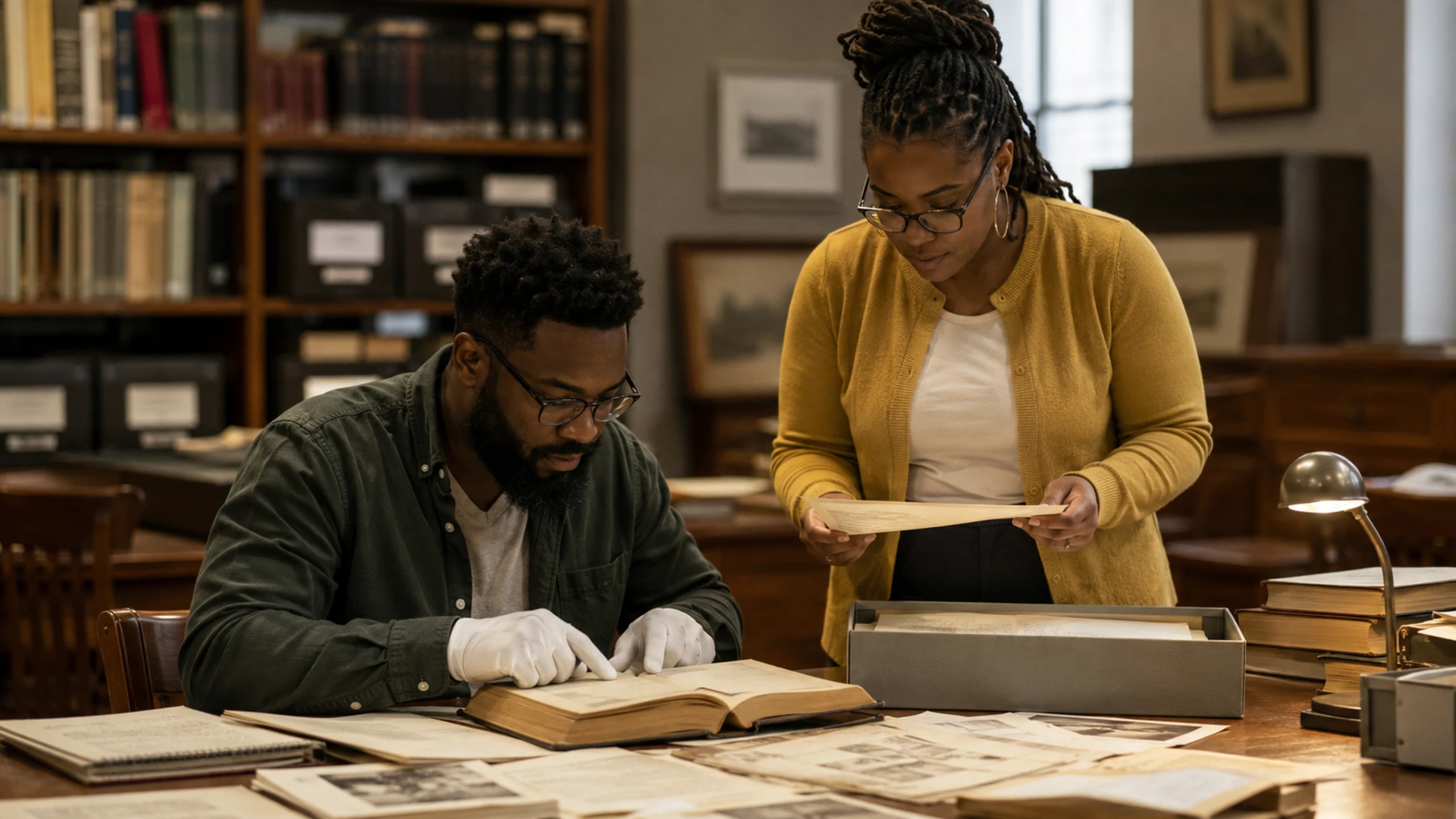
Katrina Hazzard-Donald distinguishes older African American Hoodoo from commercially marketed forms that were modified and sometimes fabricated by outsiders. Research on botanicas likewise shows urban shops bringing Santeria, Palo, Haitian Vodou, Dominican traditions, Puerto Rican Espiritismo, Catholic images and commercial products into the same retail environment. It is reasonable to infer that this marketplace helped stabilize Road Opener as a recognizable cross-tradition product category, even though the category cannot be assigned to one original inventor. [1][7]
Road Opening in African American Hoodoo and Conjure
Hoodoo, also called conjure or rootwork in some settings, is an African American folk-spiritual tradition shaped by slavery, African religious continuities, Christianity, herbal knowledge, healing practice and the struggle for survival and autonomy. It should not be confused with Haitian Vodou or treated as a generic name for all Black spirituality. [1][2]
Hoodoo work has historically addressed practical concerns: health, protection, court cases, love, employment, conflict, luck and the control of difficult conditions. Psalms, prayer, roots, baths, powders, personal concerns and household materials may be used, but practices vary by region, family and worker.
Contemporary Hoodoo suppliers frequently sell Road Opener candles, oils, baths and incense. Yet a standardized commercial formula is not the same thing as a complete historical tradition. Some practitioners regard Road Opener as fully integrated into modern conjure; others identify it as a later Afro-Caribbean or Latin American influence. The evidence supports caution rather than a false claim that one recipe has always existed.
An educational article should therefore distinguish three things: the older African American tradition of addressing blocked or crossed conditions; the later named Road Opener product category; and the personal methods used by living practitioners today.
Esu, Elegua and Legba: Crossroads Are Not a Generic Spell
Yoruba Esu or Elegbara is a complex divine figure associated with communication, chance, uncertainty, moral consequence and the movement of messages and offerings. Yoruba scholarship places Esu at entrances and crossroads, but he is not simply a “luck spirit” or an African version of the Christian devil. [4]
In Cuban Lucumi or Santeria, Elegua is connected with doors, roads and corners and is commonly described as indispensable to communication and ritual action. Academic work notes that he may protect the entrance to a house and control roads, but Cuban practice developed within its own historical and initiatory system. [5]
Fon and Ewe traditions have related but distinct Legba figures. Smithsonian material on Beninese Fa divination describes Legba or Elegba as a spirit of crossroads associated with earthen mounds, while ethnographic work in Ewe communities describes Legbas at village and household entrances. [4][6]
In Haitian Vodou, Papa Legba is a gatekeeper who grants access to communication with other spirits. Smithsonian collection documentation and scholarship identify this gatekeeping role, but Haitian Vodou is not interchangeable with Yoruba religion or Cuban Santeria. [6]
These traditions help explain the religious power of gates and pathways in the African Atlantic world. They do not grant outsiders permission to construct an altar, make offerings, use sacred names or claim priestly authority. A person who is not initiated should learn from recognized communities rather than treating Elegua, Esu or Legba as a product ingredient.
Afro-Brazilian Crossroads and Encruzilhadas
Crossroads are also important in Afro-Brazilian religious thought. A 2026 article in the Journal of the American Academy of Religion describes encruzilhadas as physical and symbolic crossings central to many West and Central African religions and their diasporic developments in Brazil. They can represent encounter, change, translation, crisis, healing and the meeting of different forms of knowledge. [3]
Candomble, Umbanda, Quimbanda and other Afro-Brazilian traditions differ in theology, initiation, entities, ritual authority and regional history. The word crossroads should not be used to collapse them into one system. Public scholarship can explain the concept while leaving private offerings and initiated practices to recognized communities.
Botanicas and the Modern Spiritual Marketplace
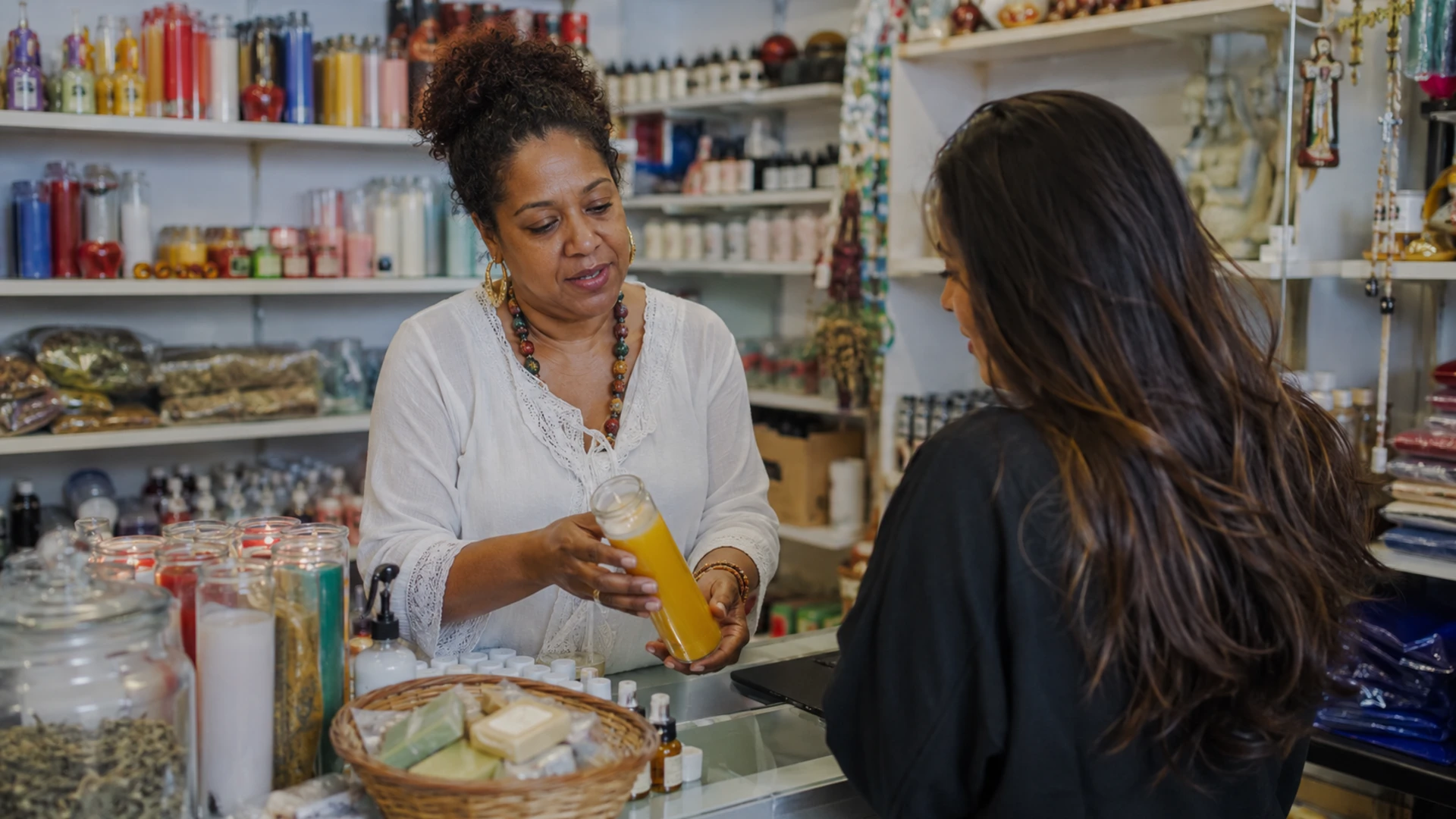
Botanicas are retail and advisory spaces found in many Latin American and Caribbean diaspora communities. They may sell herbs, candles, statues, prayer cards, oils, baths and household goods while also serving as places where customers seek religious, health or personal guidance.
Research in New York describes botanicas as “invisible pharmacies” and shows that Santeria, Palo, Haitian Vodou, Dominican traditions, Brazilian religions, Puerto Rican Espiritismo and Catholic devotion may coexist within the same commercial environment. Coexistence does not erase their differences. [7]
The modern Road Opener shelf belongs to this history of circulation. A single shop may offer Abre Camino herbs, an orange candle, a Catholic prayer image, a condition oil and advice drawn from several traditions. The product name is therefore evidence of cultural exchange and commerce, not proof of one pure or universal origin.
Commercialization can make practices more accessible, but it also encourages standardization, unsupported guarantees and the sale of sacred symbols without community authority. Buyers should ask who made the product, what tradition is being represented, whether ingredients are disclosed and whether claims are realistic.
What Is Abre Camino?
Abre camino means “open road” or “road opener” in Spanish. The phrase can refer to a spiritual intention, a commercial formula or a plant sold for ritual and medicinal purposes. These meanings should not be assumed to be identical.
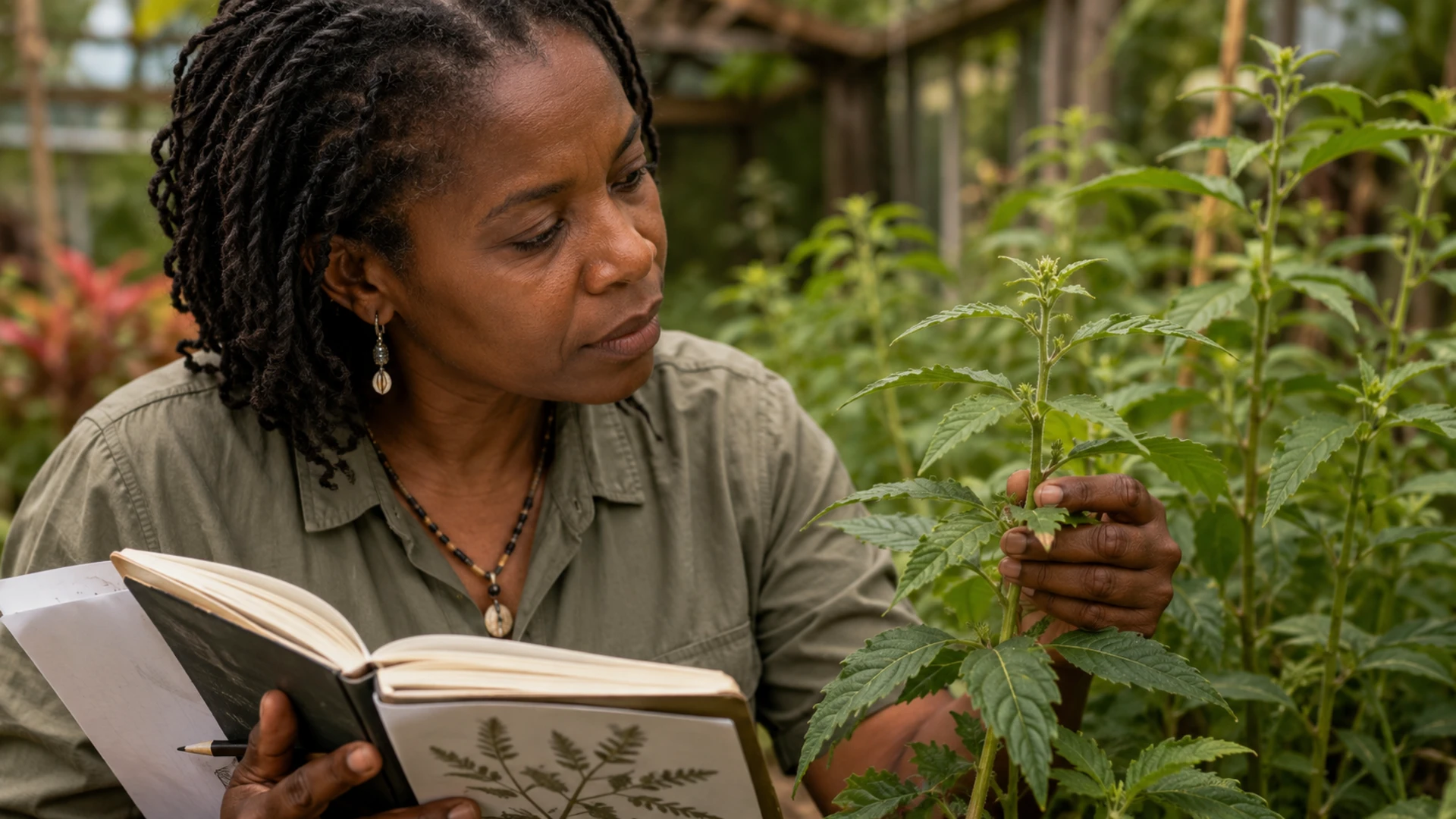
One plant frequently identified in English-language Road Opener discussions is Koanophyllon villosum, a Caribbean shrub formerly classified as Eupatorium villosum. Kew recognizes Eupatorium villosum as a botanical synonym of Koanophyllon villosum. [9]
Botanical accuracy remains difficult because common names travel across islands, languages and markets. Kew warns that the same common name may refer to several species and that one species may have many common and scientific names. A packet labelled Abre Camino is therefore not enough to establish the species, safety or cultural source. [10]
The plant should not be ingested, burned, bathed in or applied to the skin merely because it is sold spiritually. Correct identification, contamination, allergies, pregnancy, medication interactions and local conservation rules all matter.
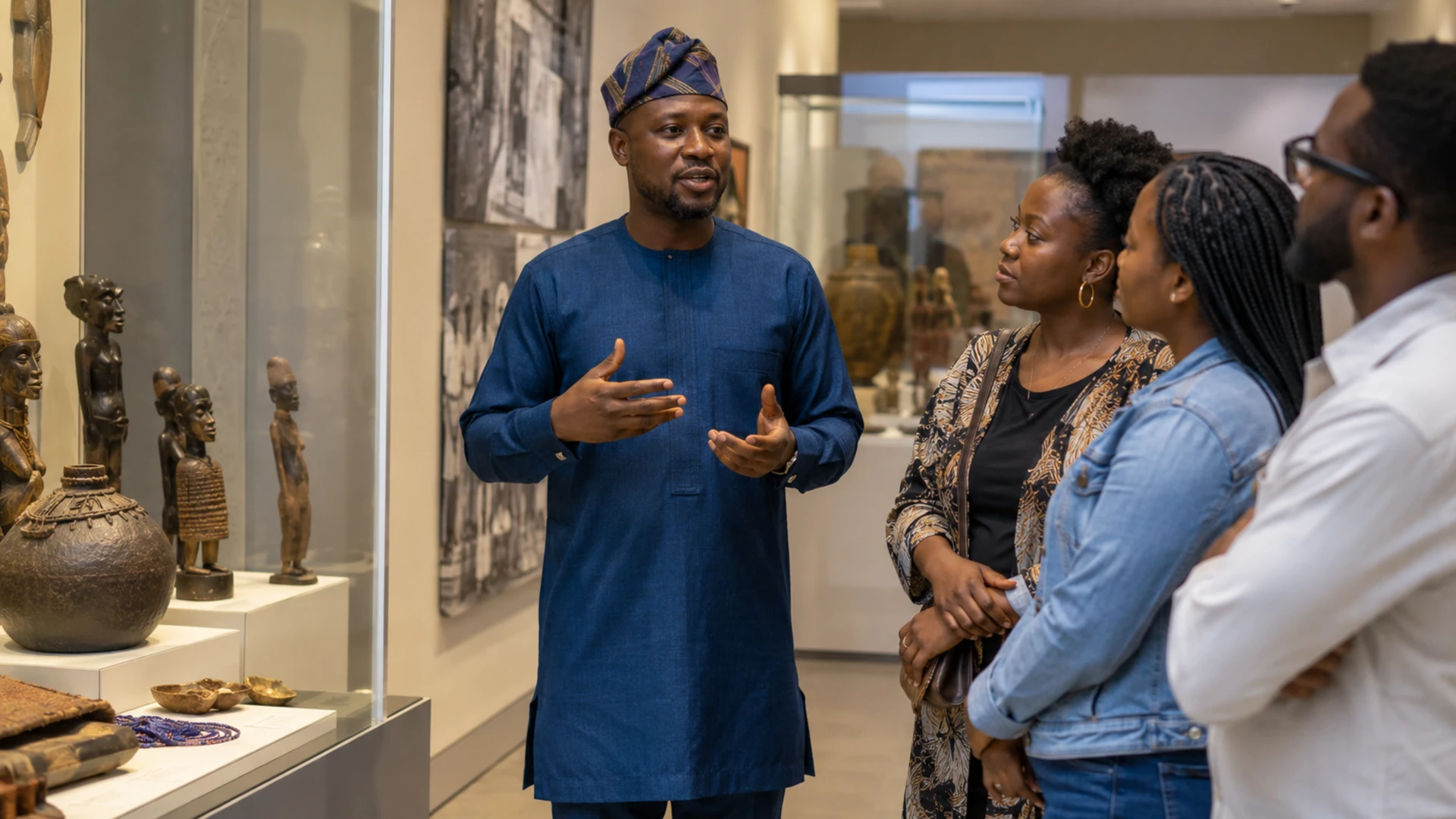
What Road-Opening Rituals May Include
There is no universal recipe. Publicly described contemporary practices may include some of the following elements:
Prayer, scripture or Psalms
A petition stating the obstacle and desired direction
Candles in colours selected by a particular practitioner
Condition oils, incense or powders sold as Road Opener
A bath or floor wash
Sweeping, cleaning or opening doors and windows
Herbs associated with clearing or opportunity
A crossroads, doorway, gate or threshold
Divination or consultation before the work
An offering within an authorized religious tradition
A practical action taken after the ceremony
The presence of an item does not establish its meaning. Orange candles, lemons, cinnamon, lemongrass, Abre Camino, keys and coins appear in modern lists, but no list proves an unbroken ancient lineage. Materials should be traced to a named source and used safely.
Crossroads disposal is often mentioned online, but leaving wax, glass, food, coins, powders or plant matter on a public road can create litter, injury, traffic risk and conflict with local law. A respectful practice must protect workers, pedestrians, animals and the environment.
Road Opening vs Cleansing, Uncrossing and Success Work
| Practice | Main emphasis | Typical situation | Important distinction |
|---|---|---|---|
| Road opening | Create movement, access or opportunity | When plans repeatedly stall or a new venture needs preparation | May follow cleansing or divination |
| Cleansing | Remove ritual impurity, harmful influence or emotional residue | Before worship, transition or renewal | Does not automatically create a new opportunity |
| Uncrossing | Address a condition interpreted as crossed, jinxed or spiritually obstructed | When misfortune is attributed to hostile influence | A specific Hoodoo or folk-spiritual category; not a clinical diagnosis |
| Protection | Strengthen boundaries against anticipated harm | Before travel, conflict or vulnerable periods | Different from attracting opportunity |
| Success or attraction work | Support a defined outcome such as business, study or love | After the goal is clear and realistic | More specific than general road opening |
| Practical planning | Change the real conditions affecting progress | Always | Applications, training, budgeting, advice and communication remain essential |
What Do Practitioners Believe Is Being Opened?
Opportunity
A job, client, partnership, admission, journey or meeting becomes possible.
Communication
Messages reach the right person, misunderstandings lessen or a response arrives.
Permission and access
A gatekeeper, institution, spiritual power or community allows progress.
Clarity
The person recognizes which path is realistic and which opportunity should be refused.
Courage and momentum
Fear, discouragement or repetitive delay gives way to action.
Spiritual balance
The practitioner believes that cleansing, prayer or relationship with spiritual beings restores proper movement.
These are spiritual and personal interpretations. They are not scientifically measurable forces and should not be presented as proof that a ritual caused an external event.
Does Road Opening Guarantee Results?
No. A road-opening ritual cannot guarantee a job offer, visa, court judgment, marriage, pregnancy, debt relief, business profit or medical recovery. Outcomes depend on other people, institutions, timing, law, health, resources, discrimination, market conditions and chance.
Ritual may still hold meaning. It can create a deliberate beginning, organize attention, support hope, connect a person with community and encourage practical action. Those benefits should be described honestly rather than inflated into supernatural certainty.
A responsible practitioner should never tell a client that repeated payment is required because enemies keep re-closing the road. Fear, urgency and guaranteed claims are warning signs of exploitation.
A Respectful, Non-Denominational Path-Opening Reflection
The following is an original reflective exercise, not Hoodoo, Santeria, Vodou, Palo, Yoruba religion or an ancestral African ritual:
1. Name the real obstacle
Write one sentence describing what is blocked without blaming an invisible force before examining practical causes.
2. Choose one reachable direction
Identify a next step that can be completed within seven days.
3. Open the physical space
Clean the desk, doorway, shop or work area connected to the goal. Avoid smoke and flame if they are unsafe.
4. Speak an honest intention
Use a prayer from your own faith or say: “May I see the next wise step, act with courage and accept the help I need.”
5. Take practical action immediately
Send the application, call the adviser, book the appointment, revise the budget or begin the training.
6. Review evidence
After one week, record what changed, what did not and what new information became available.
7. Seek qualified help
Use career, legal, medical, financial or mental-health support when the obstacle requires it.
Plant, Candle and Smoke Safety
Natural does not mean safe. The same common plant name can refer to different species, and spiritual products may not disclose concentrations or contaminants. Kew recommends scientific naming because common names are ambiguous. [10]
Herbal products can cause direct toxicity, allergic reactions and interactions with medicines. The U.S. National Center for Complementary and Integrative Health advises considering each product separately and discussing herbs with healthcare professionals, especially when prescription or over-the-counter medicines are used. [11]
Candles, charcoal and incense produce heat and smoke. The World Health Organization identifies indoor combustion as a source of particulate matter and carbon monoxide; incense can also contribute to indoor air pollution. Use ventilation, respect asthma and fragrance sensitivity, keep flames away from fabrics and children, and choose smoke-free alternatives where appropriate. [12]
Do not apply an unknown oil to the skin, place essential oils in the eyes or mouth, ingest ritual products or burn mixtures that were not manufactured for that purpose.
Common Misunderstandings
“Road opening is one ancient African ritual.”
False. The modern label combines several histories and commercial influences. Africa does not have one road-opening tradition.
“Elegua, Esu and Legba are the same being.”
Too simple. They are historically related in some ways but belong to distinct Yoruba, Fon, Ewe, Cuban and Haitian religious systems.
“Anyone can leave offerings at a crossroads.”
False. Offerings may require lineage, initiation or community guidance, and public-road disposal can be unsafe or illegal.
“Road Opener is the same as uncrossing.”
Not necessarily. Uncrossing addresses a crossed condition, while road opening emphasizes movement and access.
“Abre Camino always means Koanophyllon villosum.”
Not reliably. Common names and commercial labels can refer to different plants or mixtures.
“If nothing changes, the road is spiritually blocked.”
Not proven. The obstacle may be economic, legal, medical, relational, structural or related to timing and preparation.
“A more expensive ritual is more powerful.”
False. Price does not establish cultural authority, safety, ethics or effectiveness.
“A road opener guarantees money or employment.”
False. No spiritual practice can control institutions, markets or another person’s decision.
Cultural and Ethical Boundaries
Identify the exact tradition, community, language and practitioner connected with a claim.
Do not call every African diasporic practice Hoodoo, Santeria or Vodou.
Do not equate Esu with the Christian devil or reduce Elegua and Legba to luck symbols.
Do not copy initiated offerings, divination or shrine practices from social media.
Do not publish private formulas or photographs without permission.
Do not leave ritual waste on public roads, private property, graves or protected land.
Do not sell herbs without accurate identification and safety information.
Do not diagnose curses, spiritual attacks or possession as substitutes for medical and mental-health assessment.
Do not promise employment, immigration approval, legal victory, pregnancy, wealth or reconciliation.
Use spiritual reflection alongside practical planning and qualified professional support.
Key Takeaways
Road-opening rituals are associated with clearing obstacles and preparing for opportunity.
The modern Road Opener category has no single identifiable ancient origin.
Hoodoo, Afro-Caribbean religions, Latin American popular religion and spiritual commerce have influenced the modern vocabulary.
Crossroads symbolism in Yoruba, Fon, Ewe, Cuban, Haitian and Brazilian settings belongs to distinct living traditions.
Esu, Elegua and Legba should not be treated as interchangeable commercial tools.
Botanicas helped circulate religious goods and named formulas in diaspora communities.
Abre Camino can refer to an intention, product or plant, and the botanical identity must be verified.
Road opening is not identical to cleansing, uncrossing, protection or success work.
Rituals do not guarantee jobs, money, legal results, healing or relationships.
Practical action, safety, cultural authority and honest limits are essential.
People Also Ask
What is a road-opening ritual?
It is a spiritual practice intended to clear obstacles, restore movement or prepare for opportunity. The modern term covers several traditions and commercial forms rather than one universal rite.
Where did road opener rituals originate?
No single origin is documented. The modern category developed through African American Hoodoo, Afro-Caribbean and Latin American practices, botanica culture and spiritual-supply commerce.
Is Road Opener part of Hoodoo?
It is widely used in contemporary Hoodoo markets and practice, but scholars and practitioners distinguish older Hoodoo methods from later commercial and Afro-Caribbean influences.
Why are crossroads spiritually important?
Crossroads represent choice, communication, encounter and uncertainty. In several West African and diasporic religions they are connected with specific divine gatekeepers.
Who is Elegua?
Elegua is an orisha in Cuban Lucumi or Santeria associated with roads, doors and communication. He should be approached through recognized religious authority, not as a generic product symbol.
What is Abre Camino?
The Spanish phrase means open road. It may refer to a ritual intention, commercial formula or plant. Koanophyllon villosum is one species often sold under that name, but labels can be ambiguous.
Can road opening remove a curse?
Some practitioners distinguish road opening from uncrossing or curse-removal work. A spiritual claim should not replace investigation of practical, medical, legal or psychological causes.
How long does a road-opening ritual take to work?
There is no evidence-based timetable and no guaranteed outcome. Progress should be evaluated through real changes and practical actions rather than promised signs.
Frequently Asked Questions
1. Is road opening the same as opening doors?
They are often used as synonyms. Open Doors may emphasize opportunity and readiness, while Road Opener may also refer to named oils, candles or Afro-diasporic spiritual language.
2. What colour candle is used?
Modern practitioners use different colours, including orange, yellow, white, red or green. Colour lists are not universal historical rules.
3. Must a ritual use Abre Camino herb?
No universal rule requires it. Products and lineages differ, and plant identity must be confirmed before use.
4. Are Psalms used in road-opening work?
Psalms appear in Christian-influenced Hoodoo and African American conjure, but the selected Psalm and method vary by practitioner.
5. Can I perform road opening for someone else?
Consent, tradition and authority matter. Spiritual work should not be used to manipulate another person or bypass their decisions.
6. Can a road opener help a business?
It may provide symbolic encouragement, but business progress depends on products, customers, pricing, compliance, finance and management.
7. Can it guarantee a visa or court victory?
No. Immigration and legal decisions depend on evidence, law and official processes. Use a qualified lawyer or accredited adviser.
8. Can it help with health problems?
It cannot diagnose or treat illness. Seek qualified healthcare. Ritual may be used only as personal or religious support.
9. Is a crossroads dangerous?
Roads are physically dangerous. Do not stand in traffic, leave breakable objects, light candles or trespass. Use symbolic alternatives.
10. Can I work with Elegua without initiation?
Rules vary, but outsiders should not improvise initiated worship. Learn from recognized Lucumi or Santeria communities and respect their answer.
11. Is road opening witchcraft?
Some people place it within folk magic or witchcraft; others understand it through Hoodoo, prayer, Afro-Caribbean religion or popular Catholic practice. The label depends on the practitioner.
12. What is the safest way to begin?
Clarify the goal, investigate practical obstacles, use prayer or reflection from your own tradition, avoid unknown substances and take one concrete action.
Conclusion
Road-opening rituals give spiritual language to a familiar human experience: the desire to move when life feels blocked. Roads and crossroads can represent choice, communication, destiny, uncertainty and access. These meanings have deep histories, especially in African and African diasporic religions, but the modern Road Opener category is a product of cultural exchange, migration and commerce as well as inherited belief.
A careful explanation does not flatten Hoodoo, Yoruba religion, Santeria, Vodou, Palo, Espiritismo and Afro-Brazilian traditions into one system. It recognizes connections while preserving names, authority and difference.
The most responsible road-opening practice joins spiritual reflection with practical movement. A prayer may name hope; a ritual may mark commitment; a community may provide support. The next step still has to be taken in the material world.
Final Summary
A road-opening ritual is intended to clear obstacles or prepare for opportunity. The exact modern term is difficult to trace to one source and now circulates through Hoodoo, Afro-Caribbean and Latin American religion, botanicas and spiritual-supply commerce. Crossroads beings such as Esu, Elegua and Legba belong to distinct traditions and should not be reduced to generic spell ingredients. No ritual guarantees results, and plant safety, public-road safety, cultural authority and practical action must remain central.
Article Information
- Publisher
- Ancestral Temple
- Editor
- Ancestral Temple
- Last updated
- Jul 30, 2026
- Last reviewed
- Jul 30, 2026
- Content version
- 6e260abd1a
This educational article should be read as cultural and spiritual information, not as medical, legal, financial, or emergency advice.
Helpful Related Guidance
About the Author
 Ancestral Temple
Spiritual guide and practitioner with decades of experience in ancestral wisdom, rituals, and divine guidance.
Related Posts
View All





Comments
We'd love to hear your thoughts.