
New Moon Spiritual Meaning: Symbolism, Traditions and Cultural Beliefs
Pillar Article
Quick Summary
New Moon Rituals: Intention, Renewal and Spiritual Meaning The new moon is one of the most symbolically powerful points in the lunar cycle, yet it is also widely misunderstood. Ast...
New Moon Rituals: Intention, Renewal and Spiritual Meaning
The new moon is one of the most symbolically powerful points in the lunar cycle, yet it is also widely misunderstood. Astronomically, the new moon occurs when the Moon lies between Earth and the Sun. Its illuminated half faces away from Earth, so the phase is normally invisible in the night sky. The thin waxing crescent seen later is a different stage.
Across cultures, lunar beginnings have been used to organize months, agricultural work, fasting, prayer, study, festivals and community responsibilities. In modern wellness and spiritual spaces, the new moon is also associated with setting intentions, journaling and starting again. These modern practices can be meaningful, but they should not be described as one ancient universal ritual.
The safest way to understand new moon rituals is to separate three layers: the physical lunar phase, living cultural and religious traditions, and contemporary personal reflection. Each has value, but they should not be blended or presented as proof that the Moon guarantees outcomes.
Quick Answer
A new moon ritual is a culturally specific or modern practice connected with the beginning of a lunar cycle. It may involve prayer, fasting, calendar observance, environmental planning, study, meditation or intention-setting. The astronomical new moon is usually invisible; many calendars instead respond to the first visible crescent. No ritual can guarantee manifestation, fertility, wealth, healing or another result.
What Is the New Moon?
NASA identifies the new moon as the invisible lunar phase: sunlight illuminates the half facing the Sun while the night side faces Earth. About 29.5 days separate one new moon from the next, creating the synodic month or lunation.
The phrase “new moon” is used in more than one way. Astronomers mean the moment of conjunction. Traditional calendars may use “new moon” for the first visible waxing crescent. Religious communities may also use a calculated calendar date. These usages overlap but are not identical.
This distinction matters visually and culturally. A photograph of a bright crescent is not a photograph of the exact astronomical new moon. A Muslim crescent-sighting observance or an ancient eyewitness declaration of a Hebrew month concerns visibility after conjunction, not the invisible phase itself.
Why the New Moon Becomes a Symbol of Renewal
The new moon is associated with beginnings partly because it starts a repeating cycle. Darkness is followed by the appearance and gradual growth of the crescent. People can use that pattern as a metaphor for rest, gestation, possibility and gradual development.
These meanings are interpretations, not universal scientific effects. The lunar phase does not prove that intentions become more powerful, that relationships change automatically or that a person’s body and emotions must follow a particular pattern.
In traditional communities, renewal is often practical as well as symbolic. A lunar month can organize planting, ceremonies, food planning, religious obligations and public timekeeping. “Beginning again” may therefore involve work, discipline and community responsibility rather than private manifestation alone.
Astronomical Phase, Calendar Beginning and Spiritual Ritual
The astronomical new moon, the first crescent and a ritual observance may occur at different times. Clouds, latitude, season and the Moon’s position affect when a crescent can be seen. A calculated calendar may begin a month even when local observation is impossible.
Respectful writing should name the event accurately. Use “astronomical new moon” for conjunction, “first visible crescent” for the early waxing Moon and the tradition’s own term for religious observance.
| Term | What it means | Visibility | Common use |
|---|---|---|---|
| Astronomical new moon | Moment of lunar conjunction | Normally invisible | Astronomy and calculated calendars |
| First waxing crescent | Thin illuminated phase after conjunction | May be visible after sunset | Month beginning in several traditional calendars |
| Dark-moon observance | Religious or cultural day associated with lunar darkness | Visibility not always required | Fasting, prayer, study or remembrance |
| Modern new-moon practice | Contemporary reflection or intention-setting | Can be done indoors | Journaling, meditation and planning |
New Moon and Lunar Knowledge in African Contexts
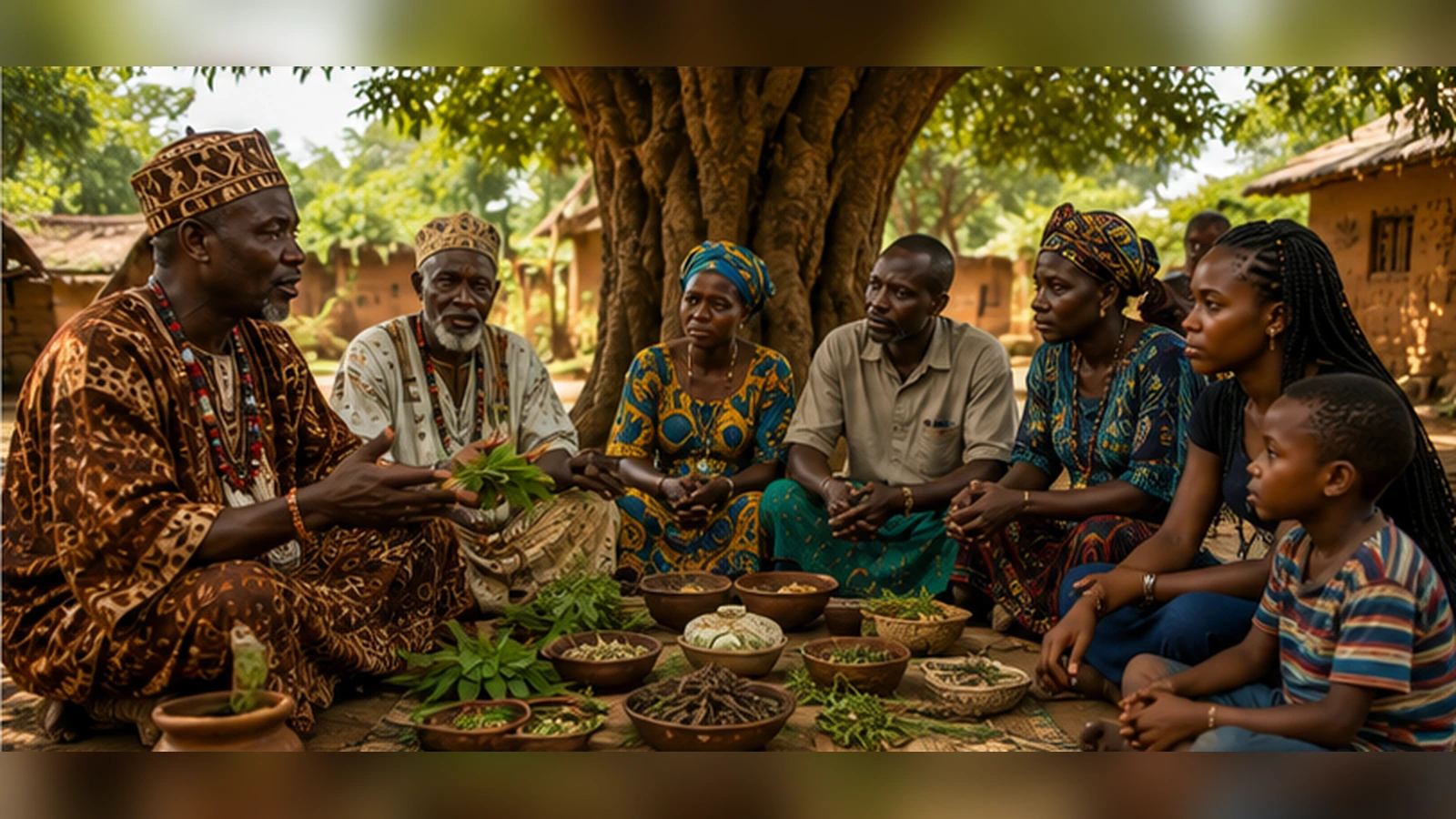
Africa contains thousands of communities with different calendars, languages and religious histories. There is no single African new moon ritual. The Smithsonian’s African Cosmos exhibition notes that African societies have long used celestial observations to organize agricultural and ritual calendars, and that the Moon can symbolize life, fertility and social relationships in particular traditions.
The safest approach is to identify the community, region and source. A Lango agricultural calendar, a Songye new-moon celebration and Yoruba lunar timekeeping belong to different knowledge systems. They should not be combined into a generic “African moon ceremony.”
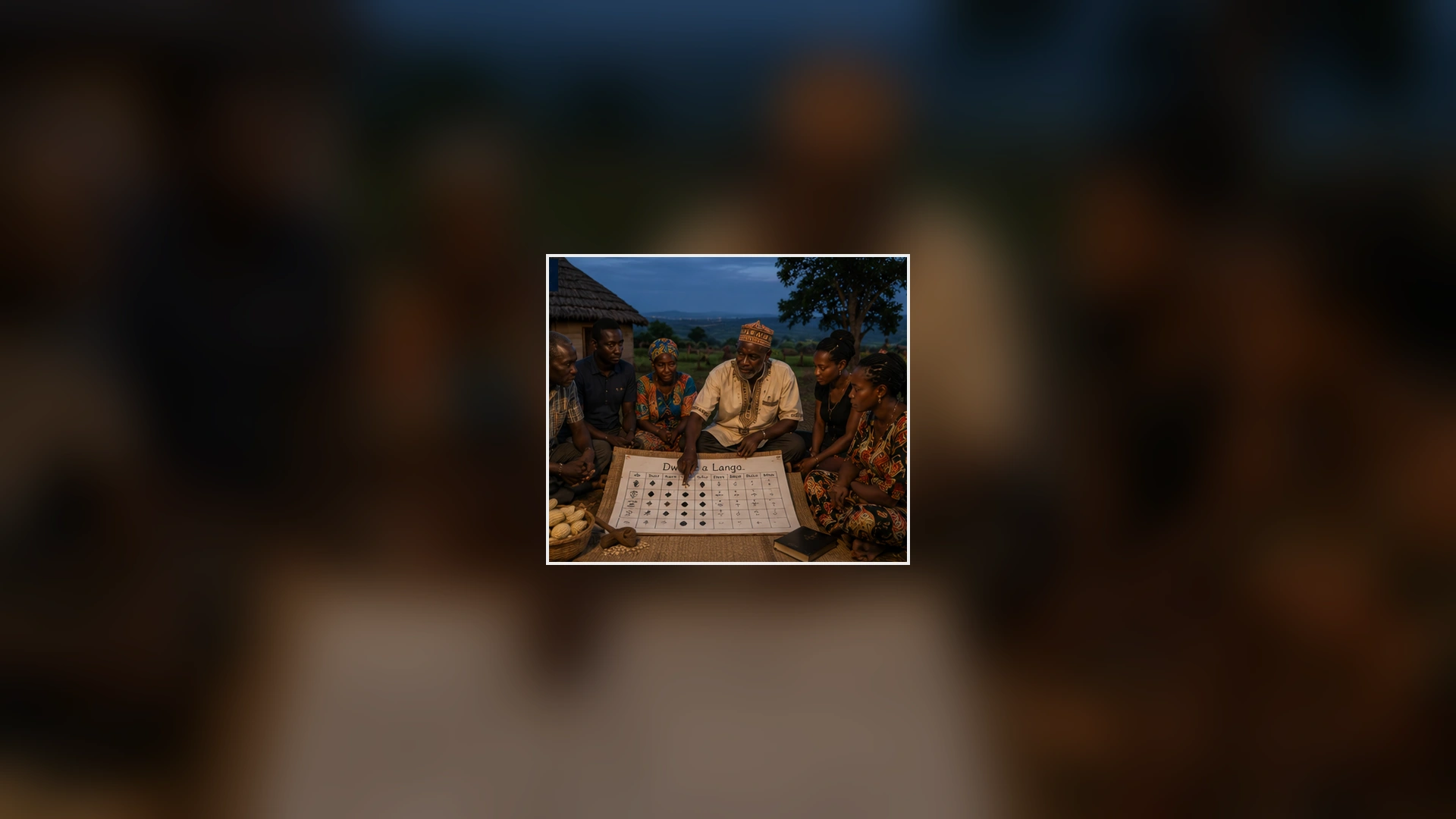
Dwete a Lango: Lunar Timekeeping in Northern Uganda
A 2026 study by Jacob Godfrey Agea and Marus Eton documents Dwete a Lango, the traditional Lango lunar calendar of northern Uganda. The study describes a knowledge system historically used to guide land preparation, sowing, weeding, harvesting, food-security planning, ceremonies and environmental observation.
The researchers report that moon phases were considered alongside stars, animal behaviour, winds, insects, clouds and vegetation. This is important: the calendar was not based on the Moon alone, and it was embedded in close observation of local ecosystems and intergenerational knowledge.
Dwete a Lango demonstrates how a lunar cycle can structure renewal through agriculture and community life. A new seasonal cycle means preparing fields, preserving food, sharing during scarcity and scheduling ceremonies when harvests make communal hospitality possible.
The study also documents threats to transmission, including modernization, religious change, formal education, urbanization and climate disruption. Preservation therefore involves cultural education and community authority, not turning the calendar into a commercial manifestation ritual.
Songye New-Moon Celebrations and Community Power
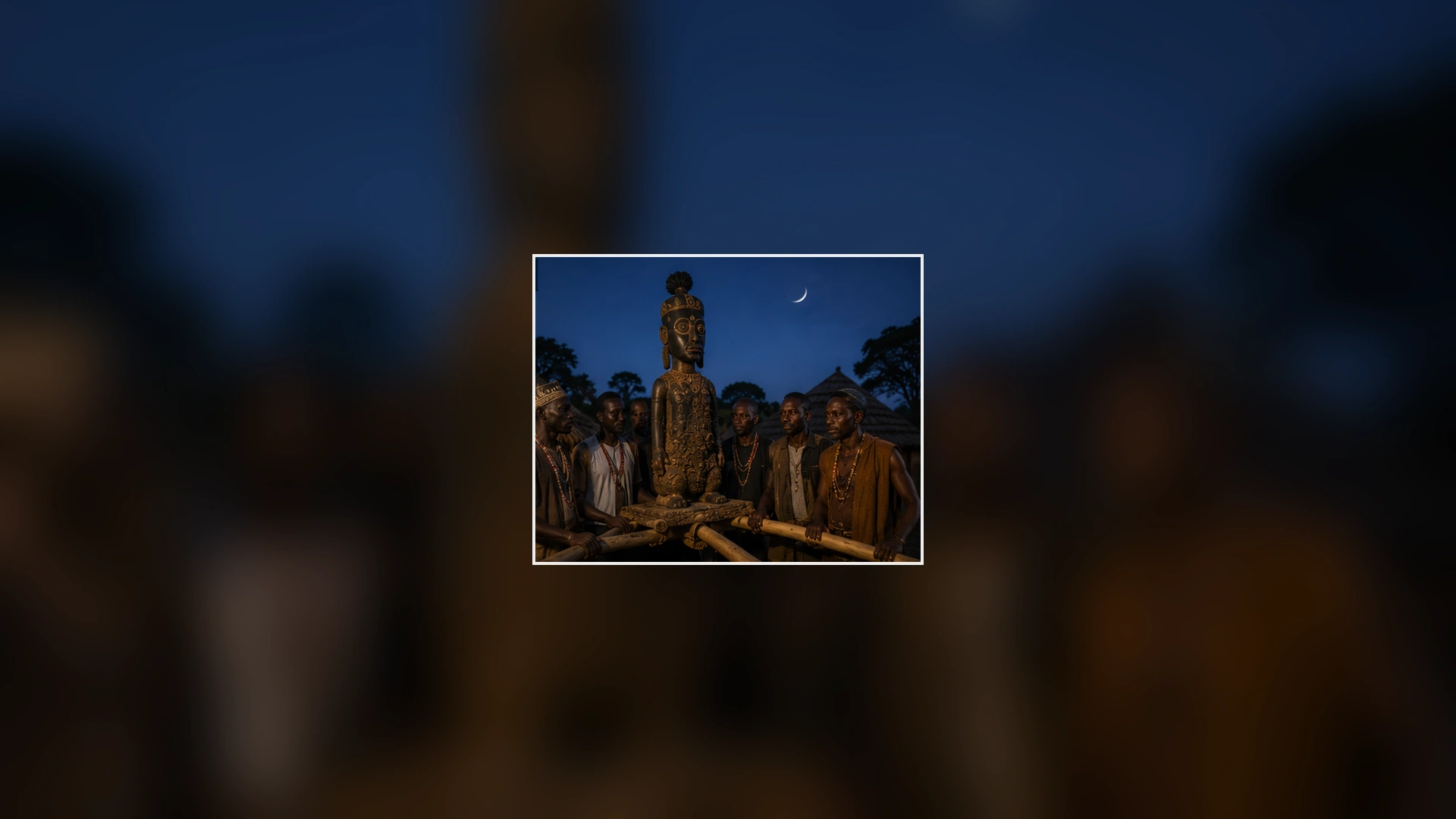
The Metropolitan Museum of Art documents a Songye community power figure, or nkishi, whose collective consultations and celebrations could occur with the appearance of the new moon. In the museum’s interpretation, the new moon symbolized new life, fertility and wealth within a wider human life-cycle.
The figure was cared for by a guardian, carried with poles and treated as highly potent. The museum record also describes ritual substances and sacrifice. Those details belong to a specific historical and religious system and should not be copied as instructions.
The useful lesson is cultural specificity: the new moon’s meaning emerged through community guardianship, established authority and a powerful sacred object. It was not a private journal prompt or universal African prosperity technique.
Yoruba Lunar Timekeeping
University of Chicago cultural-astronomy materials describe a Yoruba lunar month structured through six five-day weeks with calendrical adjustments. The appearance of the new moon helped position the beginning of the month.
This example shows that lunar observation may be a method of keeping civil and ritual time. It should not be converted into a claim that all Yoruba people perform one monthly intention ritual, especially because historical and contemporary practice varies by region, religion and family.
Rosh Chodesh in Jewish Tradition
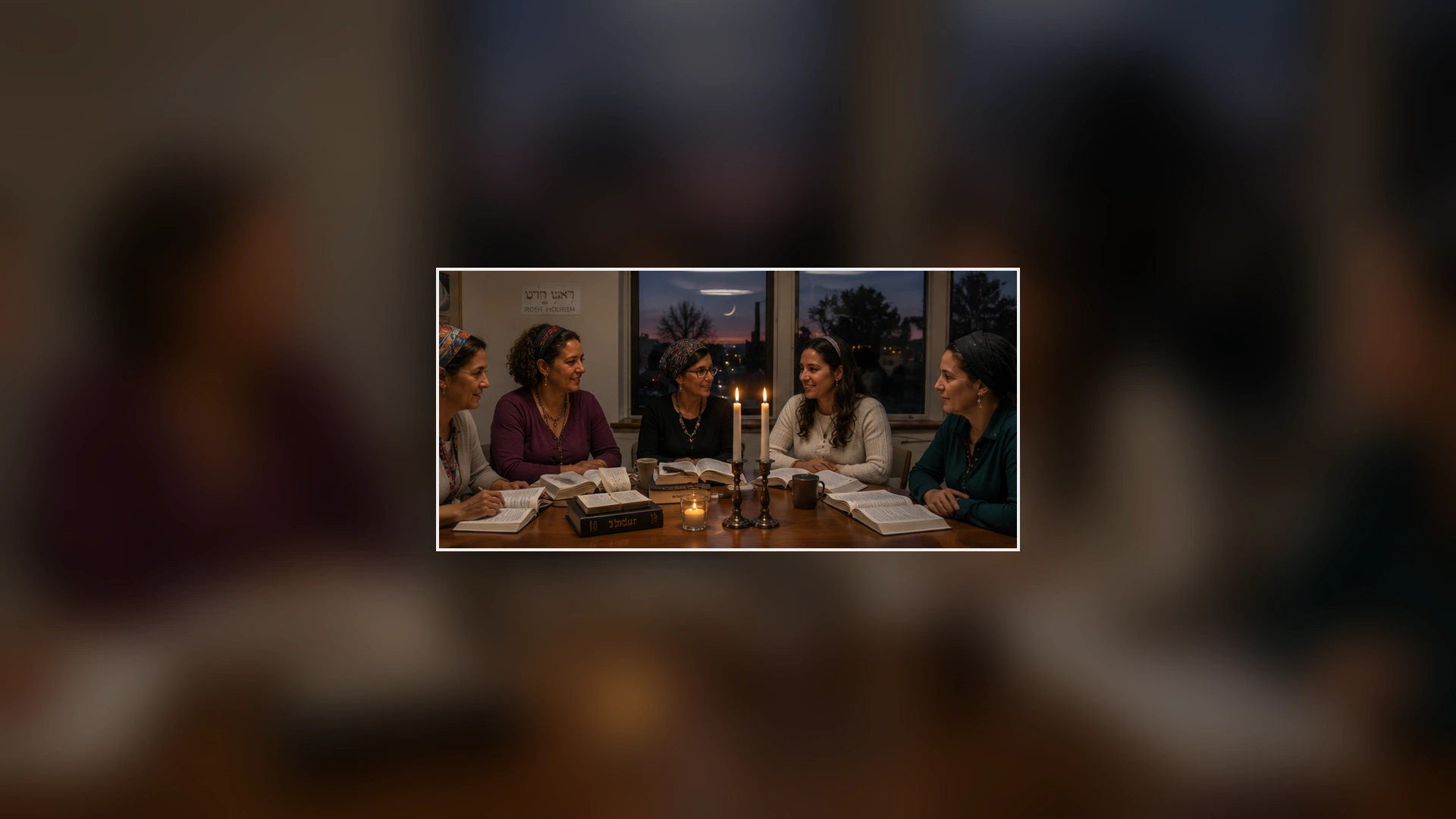
Rosh Chodesh means “head of the month” and marks the beginning of a Hebrew month. Historically, witnesses reported the appearance of the new crescent to the Sanhedrin; the fixed calendar later replaced that legal procedure.
Contemporary observance can include additions to prayer, abbreviated Hallel, Torah reading and announcement of the coming month. Many Jewish women and synagogues have also developed monthly Rosh Chodesh groups focused on prayer, study, song and healing liturgy.
Rosh Chodesh is therefore not simply a generic “new moon manifestation circle.” It belongs to Jewish calendar, liturgy, Scripture and community history.
Amavasya in Hindu Traditions
Amavasya is the dark-moon or new-moon day in Hindu lunar calendars. Its meanings and practices vary across regions, sects and families. It may be associated with fasting, vows, temple worship, remembrance of ancestors, charity or quiet observance.
Harvard’s Center for the Study of World Religions documents Hindu ascetics whose vows may align with Amavasya, full-moon days or other points in the lunar calendar. Such vows can involve fasting, silence and disciplined spiritual practice.
The Sanskrit term saṅkalpa refers to a solemn intention or commitment within religious practice. This is more demanding than casually writing a wish: it can define the purpose and discipline of a vow. Non-Hindus should not copy mantras, ancestor rites or fasting rules and market them as a universal new moon ritual.
Buddhist Uposatha on New-Moon Days
Uposatha is a Buddhist observance aligned with lunar phases. On new- and full-moon Uposatha days, monastics in Theravada traditions may gather to recite the Pātimokkha disciplinary rules, while lay followers may listen to teachings and observe additional precepts.
The purpose is ethical and contemplative renewal through restraint, teaching and practice. It is not primarily a method for attracting a specific result. Details vary among Buddhist countries, schools and monasteries.
Māori Maramataka and Whiro
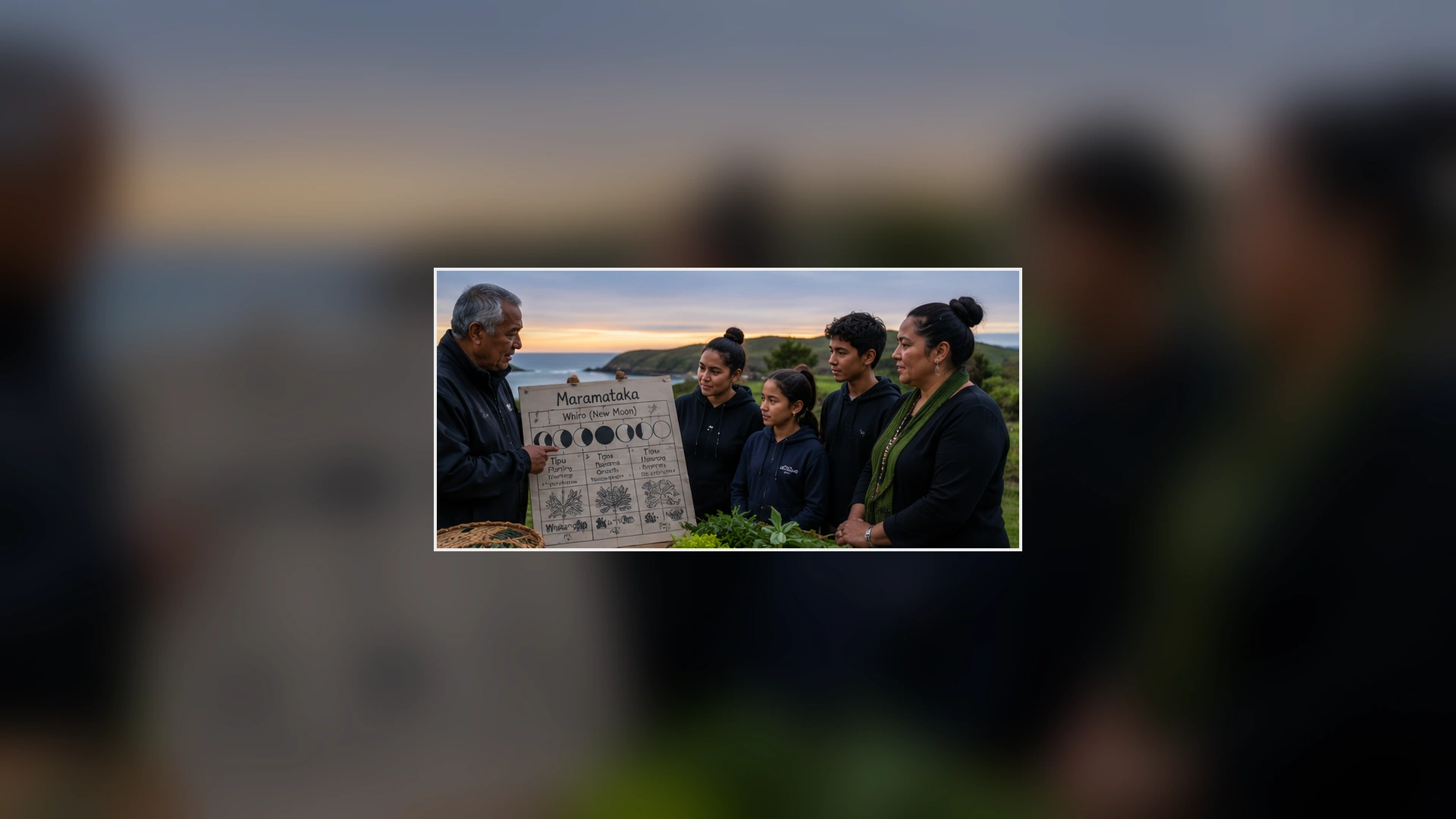
The maramataka is the traditional Māori lunar calendar, translated by Te Papa as the turning or rotating of the Moon. It integrates lunar phases with environmental observations and can guide planting, fishing, harvesting, rest and community activity.
For many iwi, the lunar month begins with Whiro, the dark-moon phase, although Te Papa emphasizes regional variation and notes that some begin from another phase. The new year can begin with the first new moon after the rising of Matariki in traditions that use that marker.
Maramataka knowledge is not a generic Moon-farming chart. It is connected with local waters, land, species, seasons, whakapapa and the authority of iwi and knowledge holders.
The Islamic Month and the First Visible Crescent
Islamic months are lunar, but many Muslim authorities determine their beginning through sighting the first visible crescent, not simply the invisible moment of astronomical conjunction. Egypt’s Dar Al-Ifta describes visual sighting as the principle, used together with astronomy to reject impossible reports.
The crescent’s visibility can differ by place because of geography, atmospheric conditions and the Moon’s position. Communities and legal schools may differ on local versus wider sightings and on how calculations are used.
This is a calendar and religious-law issue, not a monthly manifestation ritual. Articles should use the term hilal or first crescent when that is the event being discussed.
Lunar New Year and the Beginning of a Lunisolar Year
Lunar New Year celebrations in China and other Asian communities mark the arrival of spring and the beginning of a new year on lunisolar calendars. The Smithsonian National Museum of Asian Art describes the Chinese Spring Festival as a fifteen-day celebration with many traditions.
Although public explanations often say the festival begins with the first new moon of a lunar calendar, the festival is not a monthly intention ritual. It is a major family, seasonal, religious and civic celebration with regional and national differences.
Modern New-Moon Intention-Setting
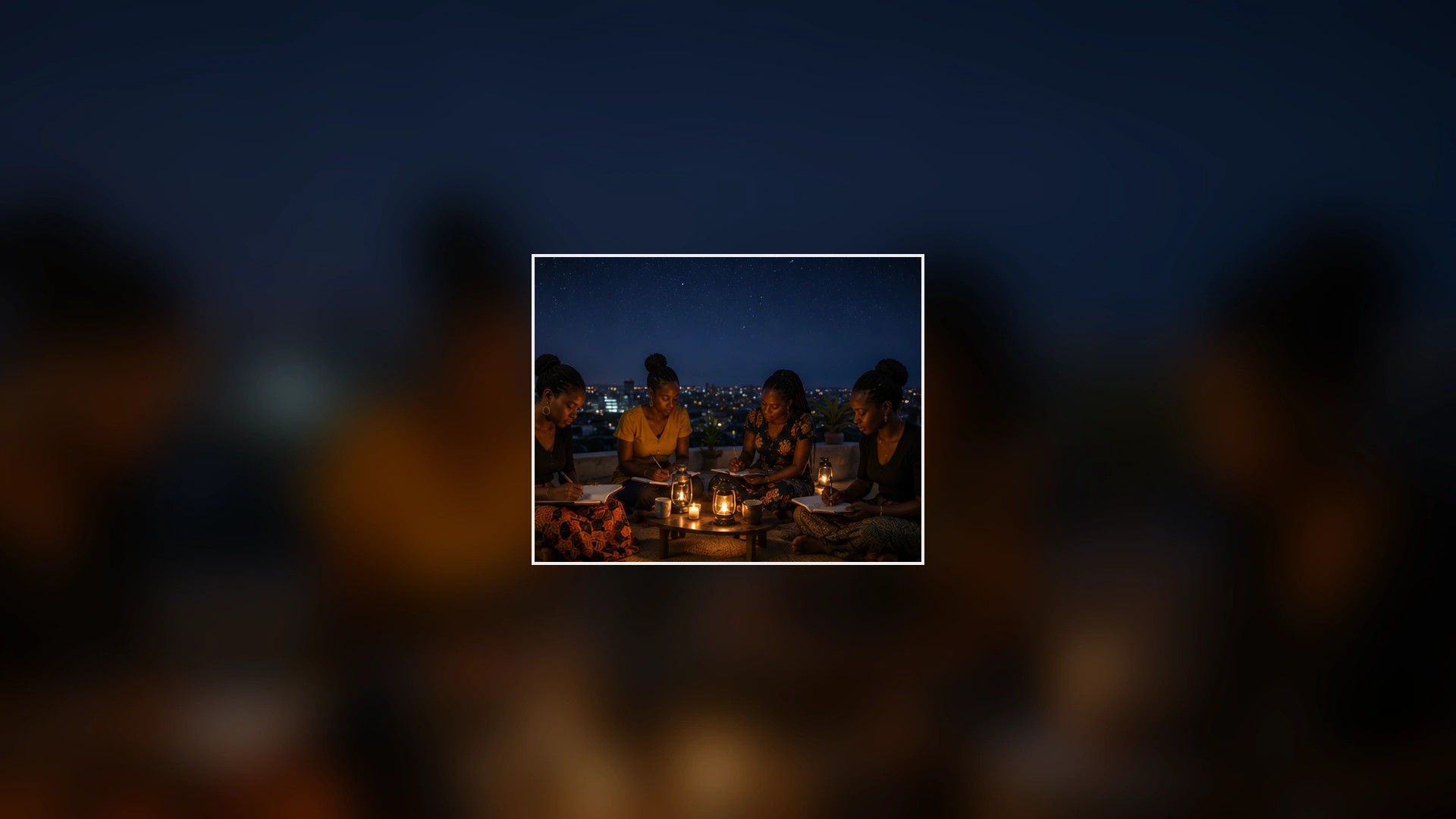
Contemporary spiritual and wellness communities often use the new moon as a time for journaling, meditation, candles, vision boards or written intentions. Institutions such as MIT have hosted modern new-moon ceremonies framed around quiet, discernment and regeneration.
These practices may help people pause, define goals and notice what they want to change. Their psychological usefulness does not prove that lunar gravity or “energy” causes events to manifest.
Modern practitioners should describe their activity honestly: a personal reflection, wellness exercise, contemporary spiritual ceremony or practice from a named tradition. Claims that every new-moon journal exercise is ancient, Indigenous, African or scientifically proven are misleading.
A Respectful Personal New-Moon Reflection
The following is a modern, non-denominational practice. It is not presented as an inherited ritual from any named community.
Check an accurate lunar calendar and remember that the Moon may not be visible.
Choose a quiet, safe place without needing special objects.
Review the previous month: what changed, what worked and what remains unfinished?
Write one to three intentions in language that describes your own actions.
Convert each intention into a small step with a date or measurable condition.
Name one thing you will stop, postpone or release to make room for the goal.
Pray according to your own faith, meditate or sit quietly for several minutes.
Put the action dates into a calendar.
Review progress during the waxing moon or at another practical interval.
Accept that outcomes involve circumstances, other people’s consent and chance.
Examples of Action-Based Intentions
Instead of “The Moon will bring me a job,” write “I will submit three truthful applications and contact one professional mentor this week.”
Instead of “My relationship will return,” write “I will communicate respectfully and accept the other person’s right to choose.”
Instead of “Money will flow to me,” write “I will review spending, send invoices and make a debt-payment plan.”
Instead of “I will be healed,” write “I will schedule appropriate medical or counselling support and follow the agreed plan.”
Do New-Moon Rituals Work?
No reliable evidence shows that the new moon makes intentions manifest, guarantees fertility, attracts money or changes another person’s decisions. The Moon’s gravity affects Earth’s tides, but this does not establish a mechanism through which a journal, crystal or candle causes a desired event.
Rituals can still have ordinary human effects. A repeated monthly pause can encourage reflection, emotional regulation, goal clarity, community contact and habit tracking. These benefits come through attention and behaviour, not guaranteed lunar causation.
Religious rituals should be assessed within their own traditions rather than judged only by whether they produce a requested material outcome.
New-Moon Ritual Scam Warning Signs
Be cautious when a practitioner guarantees money, pregnancy, healing, reunion or legal success by a specific lunar date. Escalating payments, secret ingredients, threats of curses and demands for banking information are signs of exploitation.
An ethical practitioner should explain what the service is, identify its cultural or religious basis, state fees clearly and avoid promising outcomes beyond their control.
Guaranteed result within one lunar cycle
Pressure to pay before the new moon “portal closes”
Repeated demands to remove newly discovered spiritual blockages
Claims of controlling another person’s thoughts or consent
Requests for passwords, bank codes or large cryptocurrency transfers
Threats that stopping payment will cause harm
Cultural and Ethical Boundaries
Name the specific community and term instead of saying “ancient people” or “Africans.”
Do not combine Songye sacred objects, Yoruba calendar ideas, Māori terms and Hindu mantras into one ritual.
Do not publish restricted prayers, sacrifices or initiation knowledge.
Do not present a visible crescent as the exact astronomical new moon.
Describe spiritual meanings as beliefs, symbols or interpretations.
Respect religious authorities and community protocols.
Do not guarantee manifestation, health, wealth, fertility or romantic control.
Use astronomy to clarify timing, not to dismiss living cultural meaning.
Common Misunderstandings
“The new moon is a black Moon visible in the sky.” It is usually not visible at all.
“Every religion performs intention-setting at the new moon.” False. Traditions use lunar beginnings for many different purposes.
“A crescent is the new moon.” In everyday calendar language it may be called new, but astronomically it is a waxing crescent.
“African new moon rituals are all the same.” False. Lunar knowledge is highly specific to communities and environments.
“Darkness means negativity.” Many modern interpretations use darkness for rest and gestation; other traditions do not use that symbolism.
“If an intention fails, the person lacked faith.” Outcomes are shaped by action, circumstances, consent and chance.
Key Takeaways
The astronomical new moon is the Moon’s usually invisible phase.
The first visible crescent occurs after conjunction and begins many traditional months.
New-moon meanings vary among communities and religions.
Dwete a Lango is a Ugandan lunar and seasonal knowledge system connected with agriculture and ceremonies.
Songye museum records connect new-moon celebrations with new life, fertility and community power.
Rosh Chodesh marks the beginning of the Hebrew month through Jewish liturgy and study.
Amavasya can involve fasting, vows, prayer or remembrance in Hindu traditions.
Uposatha uses lunar observance for Buddhist discipline and teaching.
Māori maramataka integrates Moon phases with environmental knowledge.
Islamic months commonly depend on the first visible crescent, not only astronomical conjunction.
Modern intention-setting can support reflection but cannot guarantee outcomes.
Respect requires accurate astronomy, cultural specificity and no supernatural guarantees.
People Also Ask
What is a new moon ritual? A culturally specific or modern practice linked with the beginning of a lunar cycle, such as prayer, fasting, study, observation or reflection.
Is the new moon visible? Usually not. Its illuminated side faces away from Earth.
What does the new moon symbolize? Modern interpretations often include rest, beginnings and renewal, but meanings are not universal.
Are there African new moon rituals? There are specific African lunar calendars and traditions, including Lango and Songye examples, but no single continental ritual.
What is the difference between new moon and crescent moon? The new moon is conjunction and normally invisible; the crescent is the first visible waxing phase.
Do new-moon intentions come true? No ritual guarantees an outcome. Intentions may clarify goals when paired with action.
Frequently Asked Questions
Can I perform a new-moon ritual indoors? Yes. A modern reflective practice does not require seeing the Moon.
Do I need candles or crystals? No. Those objects are optional and belong to particular modern or religious settings.
Can I combine traditions? Avoid mixing sacred terms and objects from communities without knowledge or permission.
Is the new moon a good time to start a business? It can be a personally meaningful date, but business success depends on planning, demand, finance and execution.
Can the new moon improve fertility? There is no reliable evidence that lunar intention rituals cause conception.
Can I pray at the new moon? Yes, according to your own faith and its guidance.
Why can crescent sightings differ? Visibility depends on location, atmosphere, season and lunar geometry.
When should I review intentions? Choose a practical interval such as weekly, at first quarter, at full moon or at the next month.
Conclusion
The new moon is both a physical phase and a powerful cultural marker. Its astronomical darkness has helped communities count months, organize work and imagine renewal. Yet the meanings attached to it are not one universal system.
Respectful study distinguishes Lango ecological timekeeping, Songye sacred practice, Jewish Rosh Chodesh, Hindu Amavasya, Buddhist Uposatha, Māori maramataka and Islamic crescent sighting. Modern intention-setting can also be meaningful when it is described honestly and paired with practical action.
The new moon does not guarantee outcomes. Its most responsible spiritual lesson is simpler: pause, observe, choose carefully and begin the work.
Final Summary
The astronomical new moon is usually invisible, while the first crescent appears later. Cultural calendars may begin from conjunction, calculation or crescent observation.
New-moon rituals can involve prayer, fasting, study, ecological planning or contemporary reflection. Their meanings come from specific communities, and personal intention-setting should never be presented as an ancient universal ceremony or a guaranteed manifestation method.
Article Information
- Publisher
- Ancestral Temple
- Editor
- Ancestral Temple
- Last updated
- Jul 30, 2026
- Last reviewed
- Jul 30, 2026
- Content version
- adfd2bba64
This educational article should be read as cultural and spiritual information, not as medical, legal, financial, or emergency advice.
Helpful Related Guidance
About the Author
 Ancestral Temple
Spiritual guide and practitioner with decades of experience in ancestral wisdom, rituals, and divine guidance.
Related Posts
View All






Comments
We'd love to hear your thoughts.