
What Are Spiritual Spells and Rituals? Meaning, History and Cultural Context
Pillar Article
Quick Summary
Spiritual spells and rituals are structured uses of words, gestures, objects, time and place through which people seek protection, healing, blessing, knowledge, transformation or c...
Spiritual spells and rituals are structured uses of words, gestures, objects, time and place through which people seek protection, healing, blessing, knowledge, transformation or contact with the sacred. The terms sound simple, but they do not describe one universal system. A Mesopotamian incantation, an ancient Egyptian amulet, a Buddhist mantra, a Yoruba divination verse, a medieval Christian charm and a modern Pagan working belong to different histories, authorities and worldviews.
The word “magic” can also be an outsider label. Throughout history, communities have often called their own approved practices prayer, medicine, blessing, liturgy or sacred knowledge while calling a rival group’s practices magic, superstition or witchcraft. The boundary is therefore not only about what an action looks like; it is also about who performs it, whose authority is recognized and how a society classifies spiritual power. [1][2]
This guide explains the terms without teaching restricted ceremonies or promising supernatural outcomes. It separates material evidence, historical interpretation, living religious belief, modern spiritual practice and scientific research so that readers can understand both the richness and the limits of the subject.
Quick Answer
| Quick Answer A spiritual spell is usually a spoken, written or enacted formula intended to influence an event or condition within a particular belief system. A ritual is a patterned symbolic action, often repeated and socially recognized. A spell may be one part of a ritual, but many rituals contain no spell. Their supernatural effects are matters of faith, not established scientific fact. |
|---|
What Is a Spiritual Spell?
A spell is commonly understood as a formula of words, writing, gesture or symbolic action intended to bring about a result through spiritual, magical or unseen agency. The formula may be spoken aloud, whispered, sung, written on an object, carried on the body or combined with materials and timing. Historical records describe spells for protection, healing, divination, blessing, love, fertility, legal advantage, cursing and many other purposes.
That broad definition does not mean all formulaic sacred speech is a spell. A prayer, mantra, liturgical recitation or blessing may resemble an incantation in rhythm or repetition while belonging to a tradition that rejects the category of magic. The most accurate description is normally the name used by practitioners and scholars of that tradition.
A spell can be brief, such as a protective phrase on an amulet, or part of an extended performance involving purification, offerings, prescribed actions and a trained specialist. British Museum records for the Mesopotamian Maqlu series, for example, preserve both incantations and instructions for a ceremony intended to counter perceived witchcraft. [3][4]
What Is a Ritual?
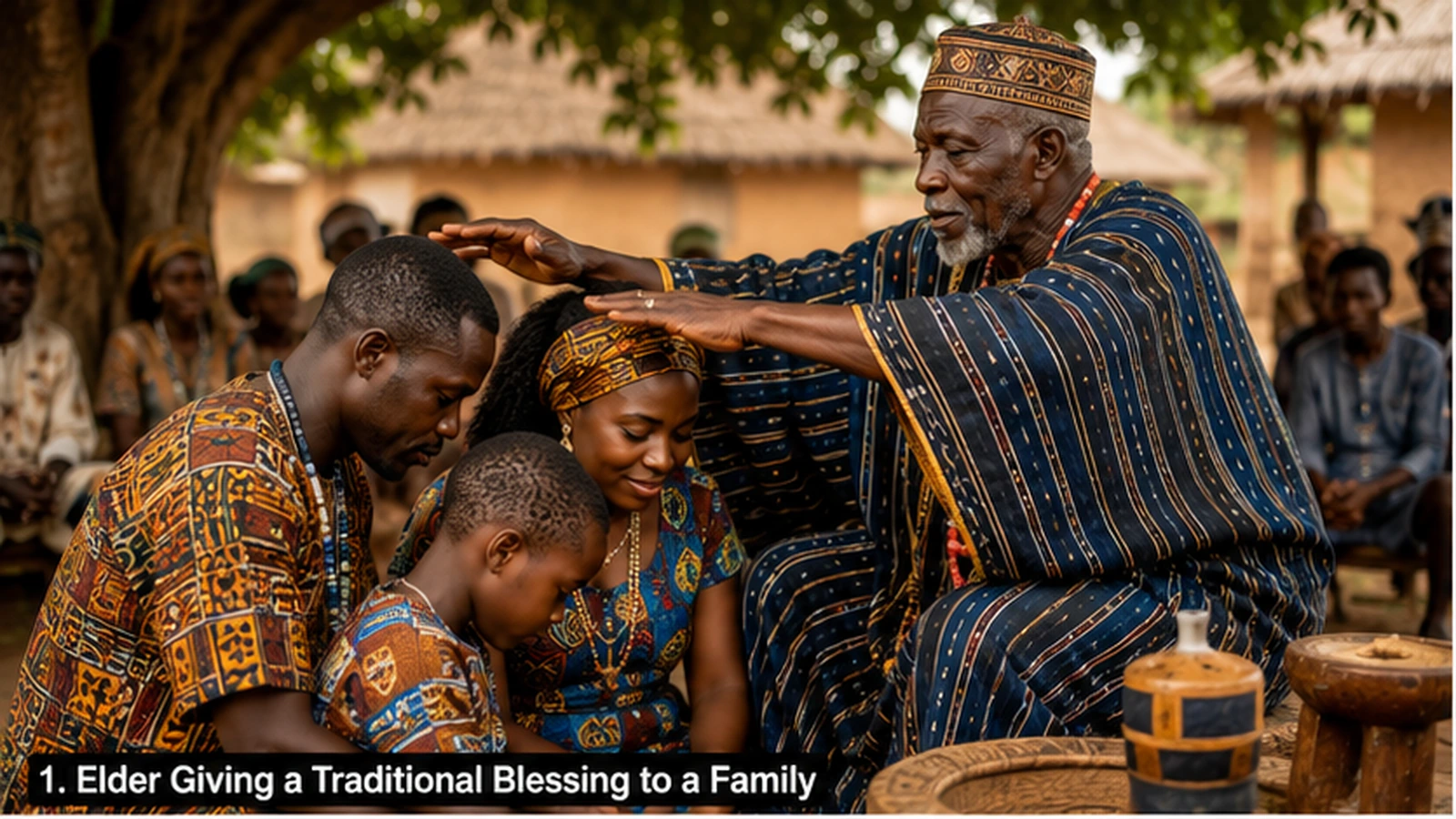
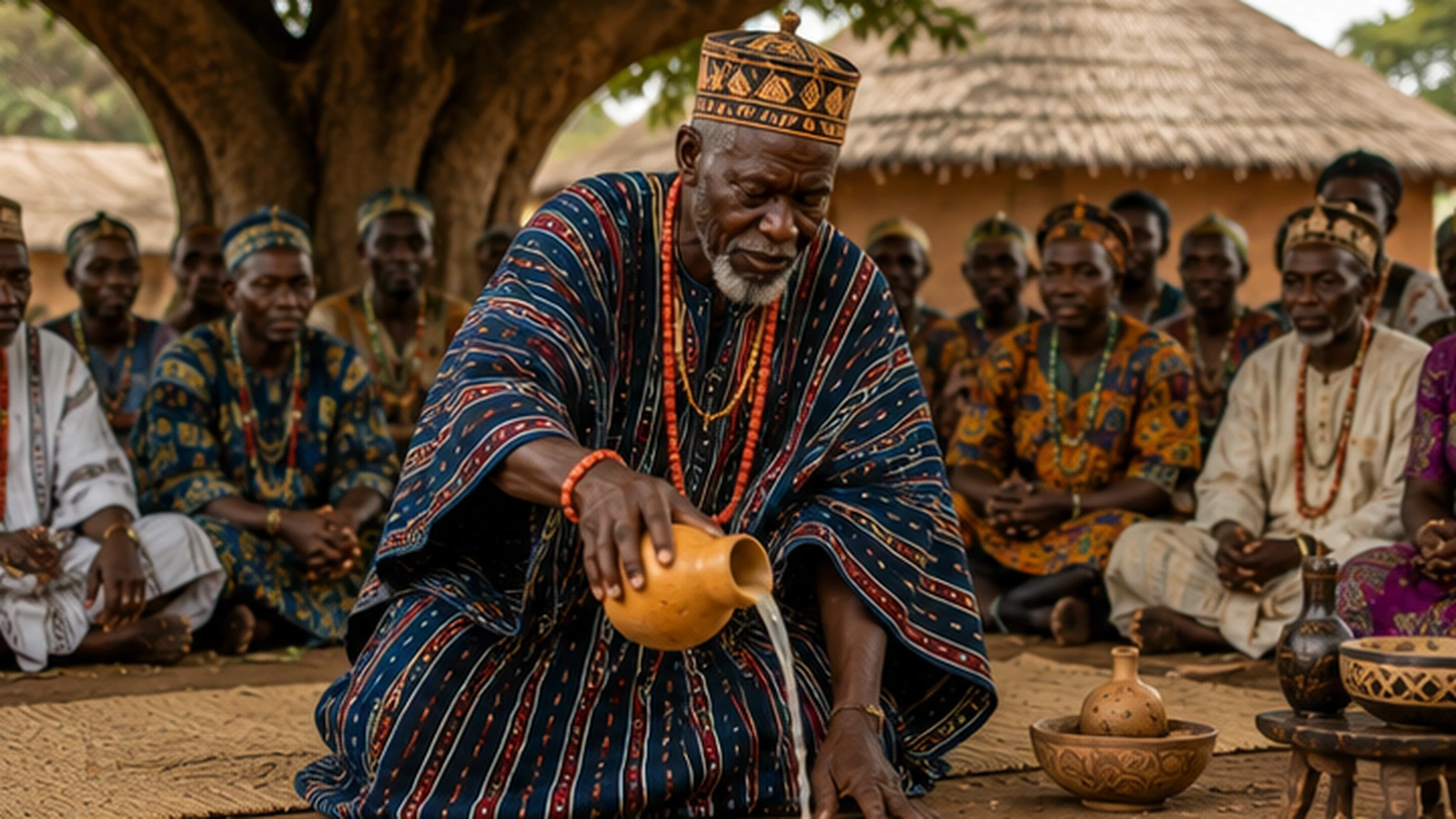
A ritual is a patterned action whose form and meaning are recognized by a person or community. Rituals may involve repeated words, movement, dress, food, music, objects, silence, washing, offerings, pilgrimage or gathering at a significant time and place. They can be religious or secular, public or private, ancient or newly created.
UNESCO describes social practices and rituals as habitual activities that structure community life, reaffirm identity and connect people with worldview, history and memory. Some are open festivals; others are restricted by age, office, initiation, gender, kinship or community rules. [1]
Not every ritual claims supernatural causation. Graduation, military salutes, court procedure, a national remembrance ceremony and a family birthday routine can all be ritualized. In spiritual settings, however, ritual frequently links physical action with sacred meaning.
Spell, Ritual, Prayer, Charm, Amulet and Divination
| Term | Primary purpose | Typical form | Relationship |
|---|---|---|---|
| Spell | Formula intended to influence a condition or event | Words, writing, gesture, materials | May be embedded in a larger ritual |
| Ritual | Patterned symbolic action recognized by a person or community | Sequence, timing, place, objects, participants | Can include prayer, spells, music or no words |
| Prayer | Address, praise, petition, confession or communion directed to a deity or sacred presence | Spoken, sung, silent or written language | May be ritualized; not automatically a spell |
| Charm | Short formula or object associated with protection, luck or another desired condition | Words, signs or portable object | The word may describe both text and object |
| Amulet | Object worn, carried or placed for protection or benefit | Material, image, inscription, color, proximity | Ancient Egyptian examples combined shape, material, text and acts [5] |
| Talisman | Prepared object believed to carry a particular beneficial power | Inscription, image, number, material or consecration | Usage varies by culture and scholarship |
| Divination | Practice for seeking knowledge, diagnosis or guidance | Lots, verses, dreams, objects, celestial signs or specialists | Aims primarily to know or interpret, not necessarily to cause change |
These are analytical distinctions, not rigid universal boxes. One object may be described as an amulet by a museum, a blessing object by a practitioner and a magical object by an outsider. Historical sources also show that prayer, medicine, astrology and magic frequently overlapped before modern disciplinary boundaries formed.
Why the Labels Are Contested
Religious communities do not agree on what counts as legitimate sacred practice. In Late Antiquity and the early Christian world, accusations of magic could be used to challenge rival ritual specialists and establish spiritual authority. Practices that looked similar from the outside could be defended as divine prayer in one community and condemned as illicit magic in another. [6]
The same issue appears in colonial records, missionary descriptions and older museum labels. Outsiders often grouped unfamiliar African, Asian and Indigenous knowledge under terms such as “fetish,” “sorcery” or “superstition,” ignoring local languages, institutions and ethical rules. Responsible writing therefore names the specific community and practice rather than treating “tribal magic” or “African spells” as meaningful universal categories.
A culturally careful article should also distinguish between public heritage and restricted knowledge. UNESCO emphasizes that living heritage is community-based and that communities and Indigenous peoples must participate in defining, safeguarding and representing it. [2]
A Brief History of Spells and Ritual Magic
Ancient Mesopotamia: Incantations, Specialists and Household Protection
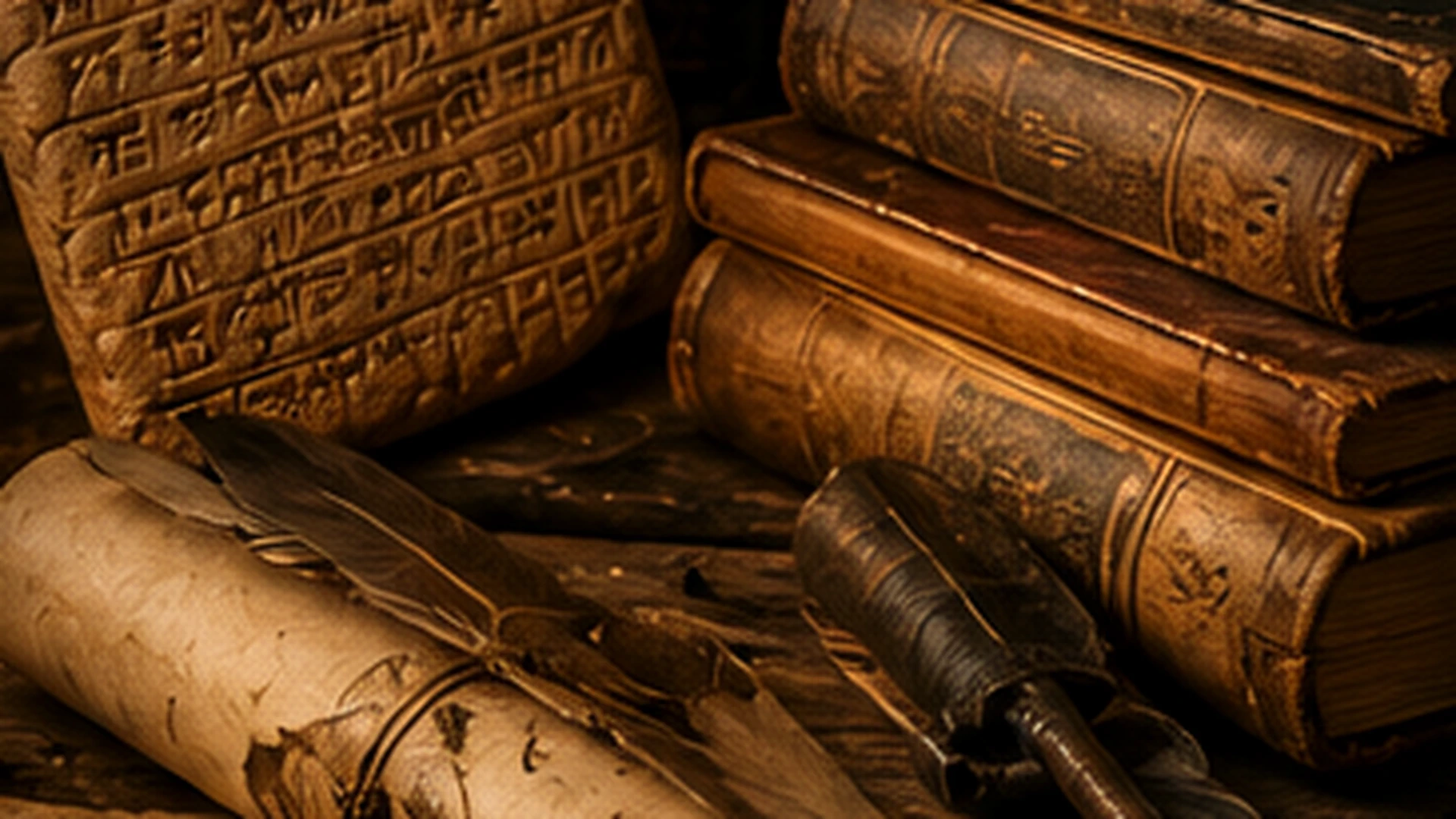
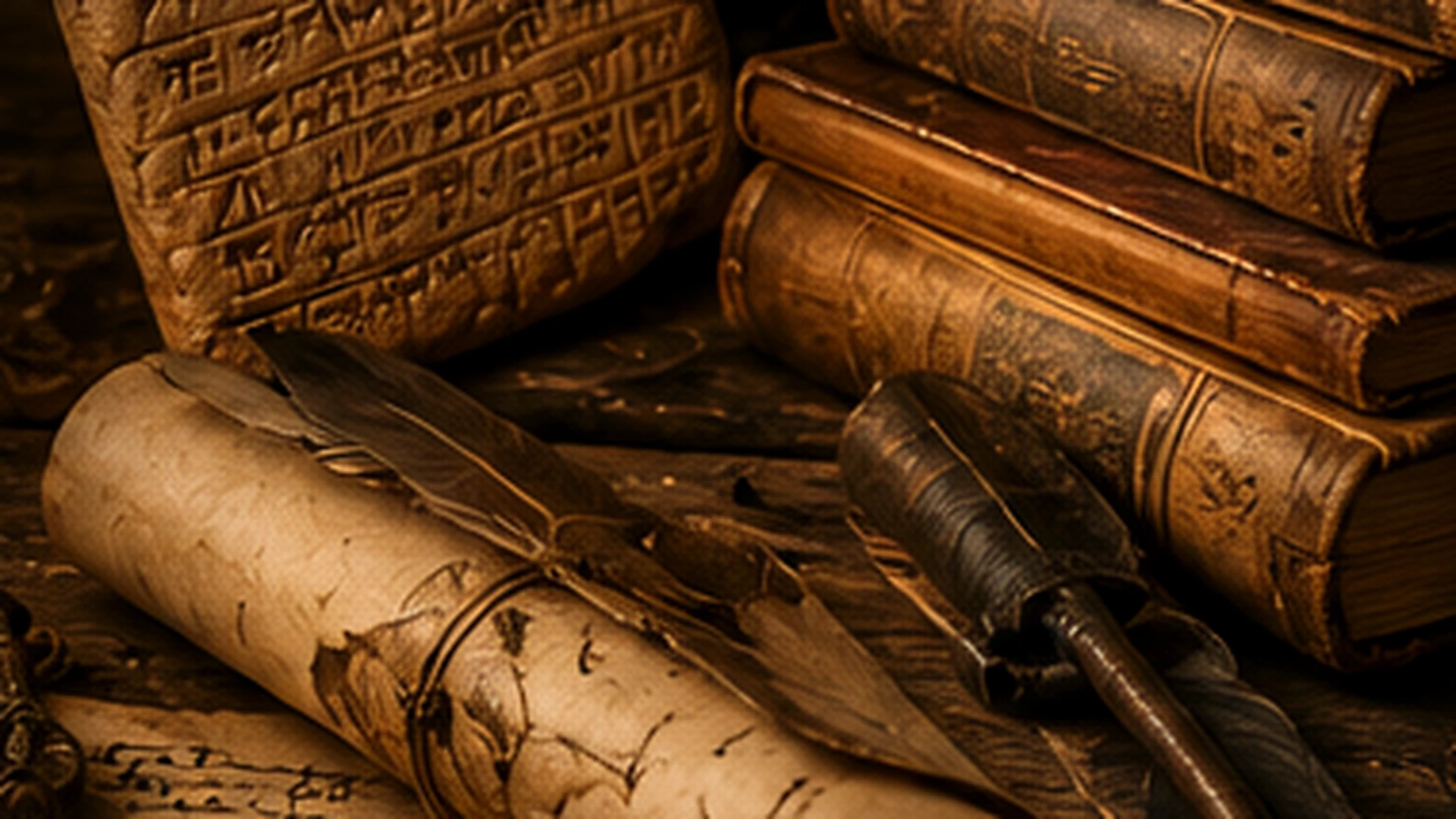
Cuneiform records from ancient Mesopotamia preserve extensive evidence for incantations, diagnostic texts, omens, medicinal preparations and ritual instructions. In the first millennium BCE, trained specialists worked in royal, temple and private contexts. Their fields combined what modern readers might separate into religion, medicine, astronomy, literature and magic. [3]
The Neo-Assyrian Maqlu series is a major source for the study of Mesopotamian anti-witchcraft ritual. A British Museum tablet from the seventh or sixth century BCE contains part of a manual in which figurines were burned and incantations recited to counter perceived harmful magic. [4]
Centuries later, incantation bowls from Sasanian and early Islamic-period Mesopotamia were inscribed in spirals and associated with protection, the suppression of hostile beings or the welfare of named clients. The surviving bowls also reveal a plural environment in which Jewish, Mandaean, Christian, Iranian and older Mesopotamian traditions interacted. [7]
Ancient Egypt: Heka, Amulets and Written Formulas
In ancient Egypt, practices that modern scholars call magic were integrated with religion, medicine, kingship and funerary belief. Amulets could draw meaning from shape, color, material, inscription, placement and spoken acts. They were worn by the living, placed with the dead and used across long periods of Egyptian history. [5]
The British Museum’s London Magical Papyrus, dating to Roman-period Egypt, contains Demotic spells and recipes with Greek and Old Coptic elements. It includes material for divination, healing, love and other purposes, illustrating the syncretic culture of Late Antiquity rather than a sealed, unchanging “Egyptian spell system.” [8]
Egyptian evidence also demonstrates why a spell should not be isolated from ritual context. Text, object, body, divine name and action could work together. Modern commercial products that copy a symbol while ignoring its original funerary, temple or protective setting may preserve the appearance while losing the historical meaning.
The Greco-Roman Mediterranean: Binding Texts and Ritual Mixtures
Greek and Roman sources include amulets, healing formulas, divinatory texts and curse tablets. Getty’s scholarly vocabulary defines curse tablets as usually Greco-Roman lead documents asking gods, spirits or the dead to impose illness, misfortune or restraint on another person. [9]
These texts were often deposited in graves, wells, sanctuaries, baths or other places associated with divine or underworld access. Their existence does not mean everyone approved of them. Ancient law, philosophy and religion debated legitimate and illegitimate ways of seeking power, just as later societies did.
Late antique magical papyri combine Egyptian, Greek, Jewish and other divine names and techniques. This mixture reflects travel, translation and religious interaction. It should not be treated as proof that all ancient cultures shared one hidden universal religion.
Medieval and Early Modern Europe: Religion, Charms and Grimoires
In medieval Europe, magic and Christianity were not always cleanly separated in daily practice. Archaeological and manuscript evidence includes protective names, amulets, deposited objects, herbal recipes and rites that used Christian words, relic associations or liturgical materials. Some practices were accepted as blessings or natural magic; others were condemned as demonic or illicit. [10]
Learned ritual-magic manuscripts circulated alongside works on astrology, medicine, alchemy and theology. The British Library catalogues a late sixteenth-century manual containing consecrations, pentacles, divine names and instructions for contacting spirits. Such books are commonly called grimoires, although the genre is historically diverse. [11]
The early modern period also produced witch trials in which accusations were shaped by gender, poverty, local conflict, religious fear and legal pressure. A history of spells must therefore distinguish between people who practiced self-identified magic, people accused by others and modern identities that reclaim the word “witch.”
African Traditions: Specific Communities, Specialists and Knowledge Systems
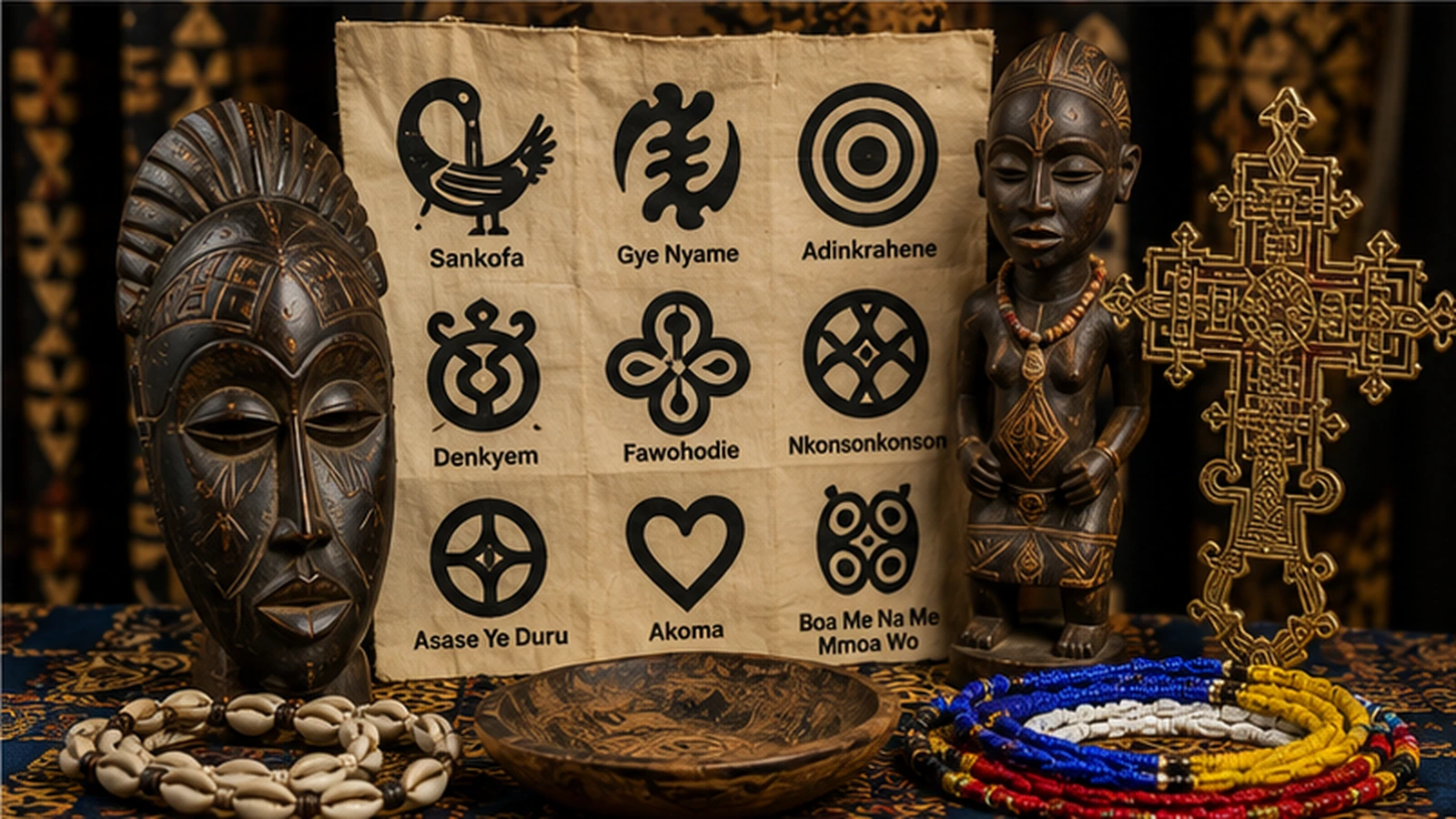
Africa contains thousands of communities and religious histories. There is no single category called “African spells.” Words translated as charm, medicine, divination, blessing, oath or witchcraft may refer to very different institutions and moral judgments in local languages.
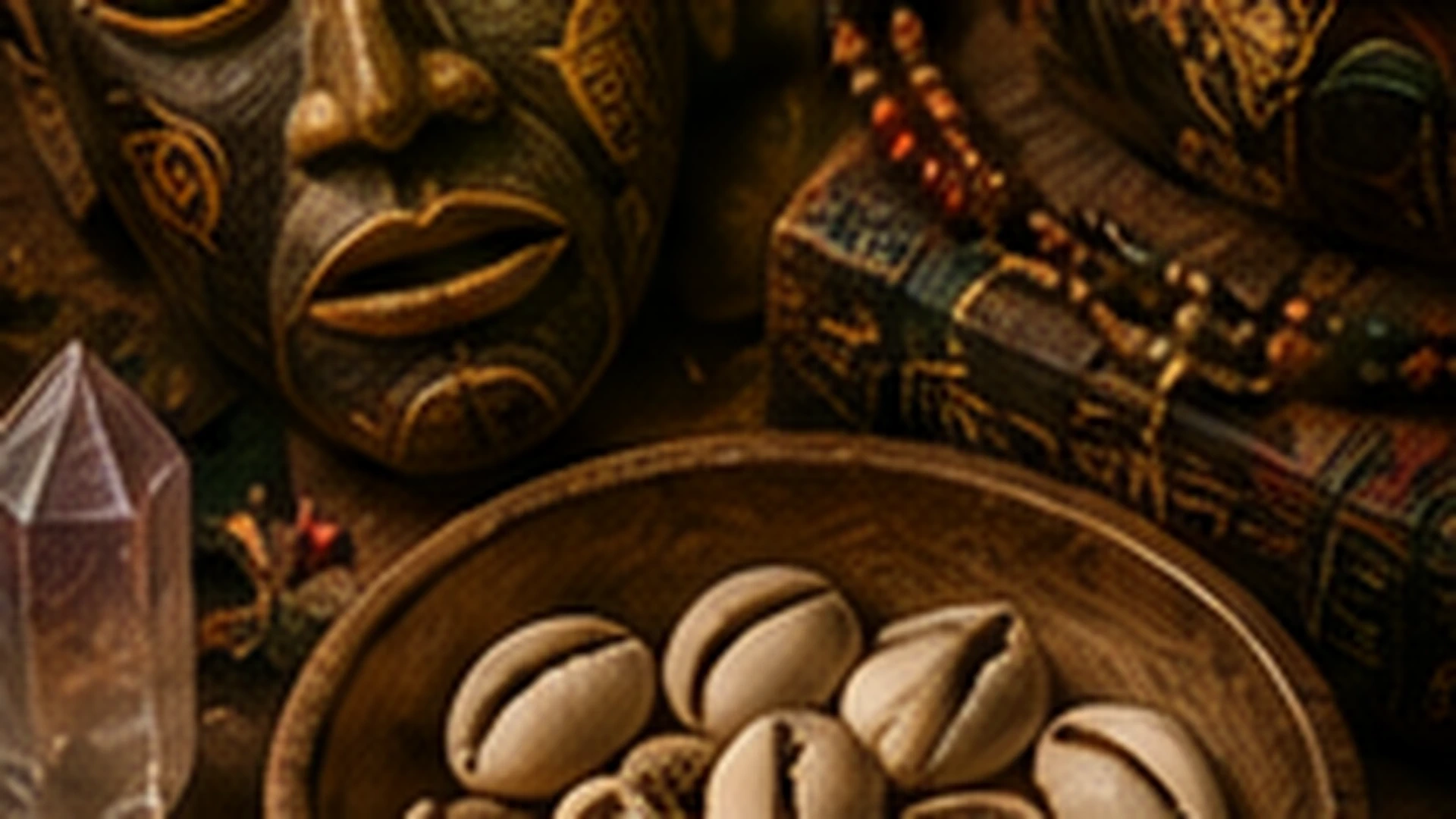
Among Yoruba communities in Nigeria and neighboring regions, Ifa divination involves trained specialists, sacred palm nuts or a divining chain, marked signs and a large corpus of verses associated with Orunmila. Smithsonian museum records describe carved implements used by babalawo to seek understanding of misfortune and guidance for important undertakings. [12] Ifa should be described as a specific divinatory and religious system, not reduced to generic spellcasting.
Among Chokwe communities in Angola and the Democratic Republic of the Congo, ngombo basket divination uses many named objects whose positions are interpreted by a diviner in relation to the client’s situation. The objects carry meanings tied to daily life, ancestry, illness, fertility and social relations. [13] Again, this is not evidence of one continental system; it is a particular form of knowledge and consultation.
African traditions also changed through trade, migration, Islam, Christianity, colonial rule, urbanization and diaspora. Living practitioners may distinguish accepted healing or ancestral practices from feared or prohibited forms of witchcraft. Outsiders should not publish private formulas, reproduce restricted objects or claim authority from a short online description.
South Asian and Buddhist Traditions: Mantra Is Not a Universal Synonym for Spell
Mantras are sacred syllables or sequences used in Hindu, Buddhist, Jain and related traditions, but their purposes and theological meanings vary. The National Museum of Asian Art describes a mantra as powerful sacred syllables and explains that tantric methods generally require initiation into a lineage. [14]
A mantra may be recited for devotion, concentration, protection, visualization, ritual invocation or spiritual transformation. Translating every mantra as a “spell” can misrepresent the practitioner’s understanding and detach the words from teacher, language, lineage and ethical discipline.
Tantra is also not a single technique or a synonym for sexuality. It refers to distinct Hindu, Buddhist and Jain systems of ritual and theory. Some practices are public; others are initiatory or deliberately restricted. A responsible article explains those boundaries rather than offering decontextualized instructions.
Jewish, Christian and Islamic Contexts
Jewish, Christian and Islamic histories all include debates about sacred words, blessings, healing, amulets, divination and prohibited magic. The boundaries have changed by period, region and legal or theological authority.
In Islamic art, surviving talismanic scrolls, shirts, Qur’an cases and inscribed objects show that some Muslims used sacred names, verses and symbolic designs for protection. The Metropolitan Museum of Art documents these objects while also noting their historical and artistic contexts. [15] Their existence should not be taken to mean that all Muslims accept the same practices; many distinguish permitted supplication and Qur’anic recitation from forbidden sihr.
Christian history likewise includes official liturgy, blessings and exorcism alongside folk charms, relic use, apotropaic marks and ritual-magic manuscripts. Jewish communities in late antique Mesopotamia produced some Aramaic incantation bowls, while rabbinic authorities debated practices and boundaries. The historical record is plural, and modern religious communities continue to interpret it differently.
Modern Paganism, Wicca and Contemporary Spiritual Practice
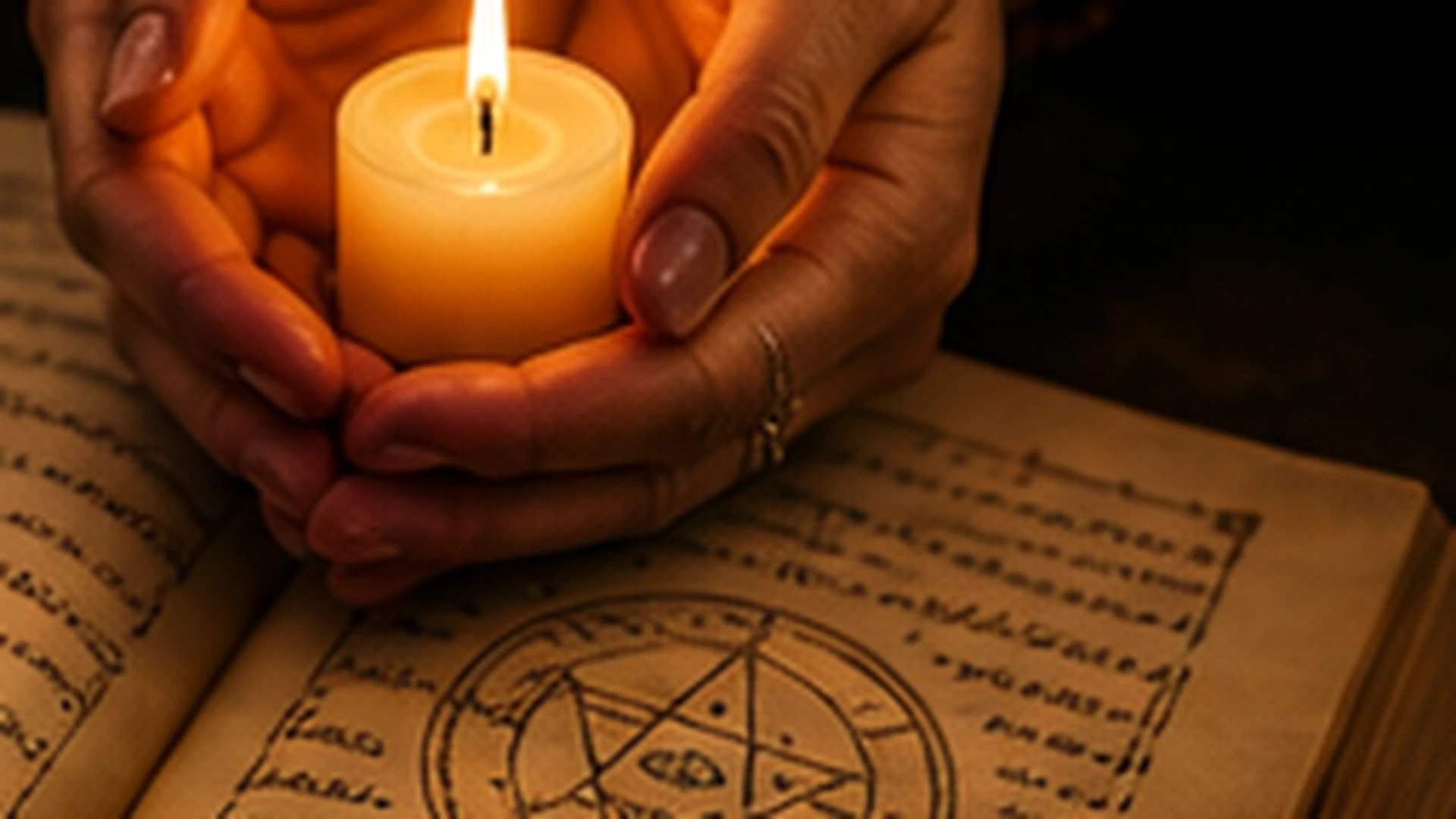
Modern Paganism is an umbrella for diverse new religious movements that revive, reconstruct or creatively reinterpret pre-Christian religions. Wicca is one influential form of modern religious witchcraft, but Pagan traditions include many lineages and do not share one theology or ritual system.
Scholars emphasize that contemporary Pagan movements developed mainly in the nineteenth and twentieth centuries, even when practitioners draw inspiration from older mythology, folklore, ceremonial magic and seasonal customs. Claims of a single unbroken prehistoric witch religion are not supported by mainstream historical scholarship. [16][17]
Some modern practitioners define magic as intentional spiritual work that changes consciousness, relationship or the practitioner’s way of acting in the world. Others believe in direct spiritual causation. Practices may include seasonal rites, meditation, offerings, divination, candle work, prayer, visualization or solitary ceremony. These descriptions are beliefs and practices, not scientific proof of supernatural effects.
Digital culture has made spell content widely available, but it also encourages decontextualized copying. A viral “ancestral ritual” may combine unrelated African, Indigenous, Asian and European symbols without permission or historical basis. Popularity does not make such a mixture culturally accurate.
How Spells and Rituals Function Within a Culture
Words Can Establish Authority and Memory
Formulaic language is memorable. Repetition, rhythm, parallel phrasing and sacred names can mark words as different from ordinary speech. A community may understand the speaker’s authority as coming from a deity, lineage, office, initiation, scripture, ancestral relationship or specialized training.
Ritual Organizes Time, Space and Participation
Ritual may create a beginning, ending or threshold: birth, naming, initiation, marriage, harvest, illness, death, business opening or seasonal change. Prescribed sequence helps participants know what to do and can make a difficult event feel socially recognizable.
Specialists Carry Knowledge and Responsibility
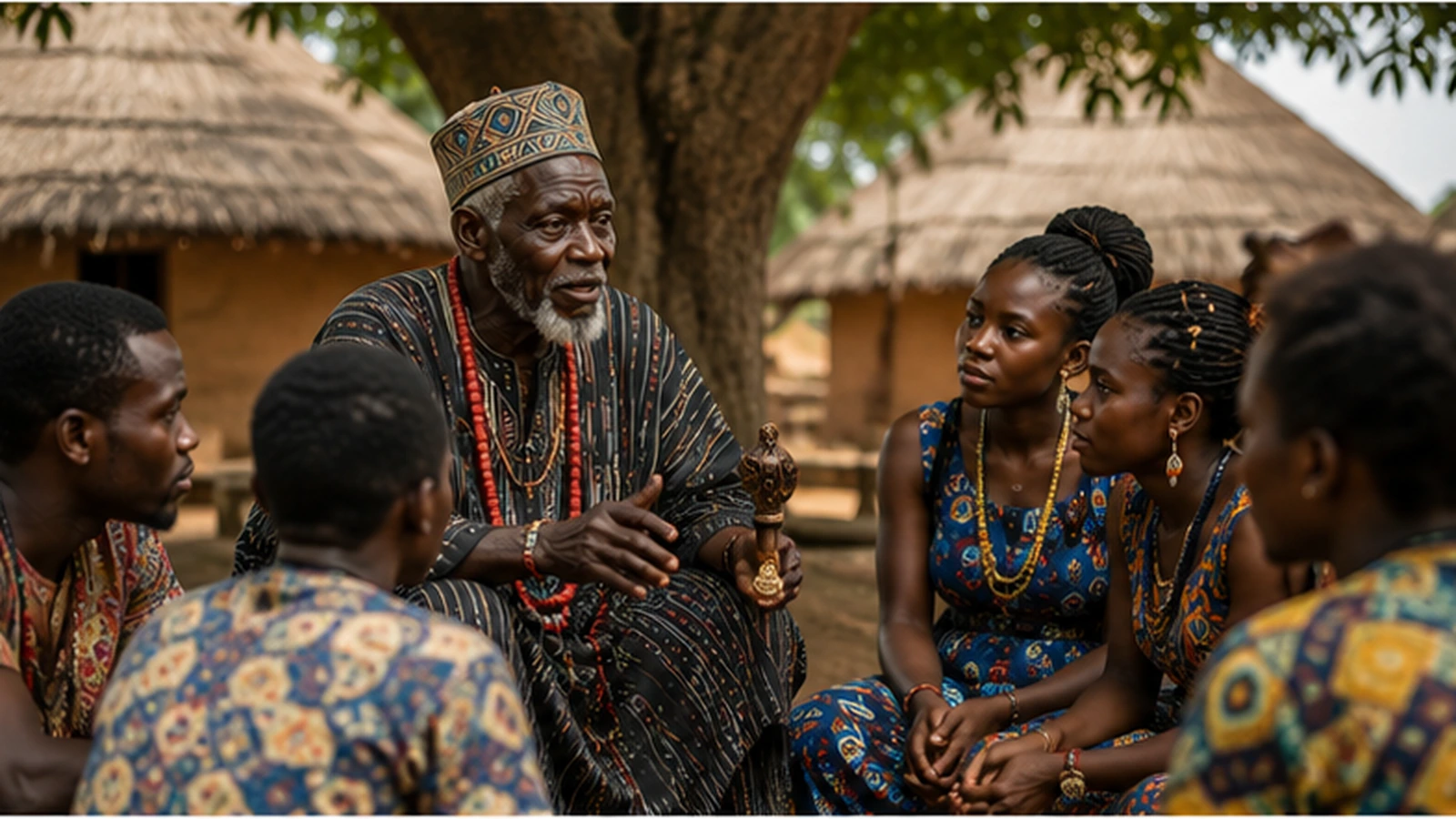
Priests, diviners, healers, elders, ritualists, monks, clergy and initiated practitioners may be responsible for choosing words, diagnosing a situation, preparing materials or protecting restricted knowledge. Their authority is not interchangeable. A person qualified in one tradition does not automatically have authority in another.
Ritual Can Reinforce Community and Identity
UNESCO notes that rituals can reaffirm identity, worldview, history and continuity. Participation may strengthen belonging, but rituals can also mark boundaries and exclusion. The social effects therefore depend on consent, power, interpretation and the wider community context. [1][2]
Do Spells and Rituals Work?
| Direct answer Historical spells and rituals are real as texts, objects, performances and living practices. Their claimed supernatural effects are not established by reliable scientific evidence. Rituals can nevertheless have measurable psychological or social effects through attention, repetition, expectation, emotional expression, shared identity and perceived control. |
|---|
Research on ritual does not support one simple conclusion. Experiments have found that some ritualized actions can reduce reported grief by increasing a sense of control, while field and laboratory studies have investigated anxiety, repetitive behavior and social bonding. [18][19] These findings concern psychological and social mechanisms, not proof that words or objects cause supernatural events.
The effect also depends on what “work” means. A funeral ritual may work by helping a family express grief and receive support. A daily prayer may work as devotion and reflection. A community ceremony may work by reaffirming identity. Those outcomes are different from a claim that a ritual will cure disease, force another person to love someone or guarantee money.
Scientific studies are also mixed. Some experiments find lower anxiety or increased bonding; others find limited or context-dependent effects. Culture, belief, repetition, participation and social support all matter. It is therefore inaccurate both to promise supernatural certainty and to assume that ritual has no human effect.
Scientific and Medical Limitations
No spell or ritual should replace medical diagnosis, prescribed treatment, emergency care or mental-health support.
A claimed spiritual cause for illness is not a confirmed medical explanation.
Herbs, smoke, oils, powders and ingestion practices can cause toxicity, allergy, burns or drug interactions.
A financial, fertility, legal, protective or relationship outcome should never be guaranteed.
Distressing visions, voices, paranoia or fear of curses may require compassionate mental-health assessment rather than escalating ritual claims.
Respecting spiritual belief does not require abandoning evidence. Many people combine prayer or culturally meaningful ritual with professional care. The ethical line is crossed when a practitioner pressures someone to stop treatment, pay escalating fees, obey coercive demands or accept blame for an outcome.
Ethical Boundaries and Cultural Cautions
Cultural respect is more than using the correct costume or object. It requires attention to authority, consent, restrictions, language, ownership and benefit. A ceremony may be public to watch but not public to copy. A museum object may be visible but still spiritually sensitive to its community of origin.
Avoid combining unrelated systems into an “ancient universal spell.” A Yoruba Ifa verse, a Buddhist mantra, an Egyptian amulet and a Native American ceremonial plant do not become more authentic when placed on the same altar. The mixture usually reflects modern consumer culture rather than a documented tradition.
Do not expose secret names, initiation teachings, funerary knowledge or private healing practices. UNESCO’s safeguarding framework gives communities and Indigenous peoples a central role in deciding how living heritage is represented. [2]
Obtain informed consent before involving another person in a ritual or using their image, hair, clothing, name or personal information.
Do not target, threaten, manipulate or frighten another person with claims of curses or supernatural control.
Do not exploit grief, illness, infertility, debt, immigration status or relationship distress.
Follow fire, smoke, animal-welfare, environmental and public-health rules.
Credit the specific community, scholar, museum or cultural authority that supports a claim.
State uncertainty when sources disagree or the original purpose of an object is unknown.
Common Misunderstandings
| Claim | More accurate explanation |
|---|---|
| “Every spell is a ritual.” | A spell may be a brief formula; a ritual is the wider structured action. Some spells are used alone, and many rituals contain no spell. |
| “Every ritual is religious.” | Secular ceremonies, routines and public commemorations can also be ritualized. |
| “Magic is the opposite of religion.” | Historically, the boundary has often been disputed. Approved and condemned practices can use similar words, objects and gestures. |
| “All ancient peoples believed the same thing.” | Ancient societies exchanged ideas, but they had distinct languages, deities, institutions and ethical systems. |
| “African spirituality is one tradition.” | Africa contains many communities and religions. Specific names such as Yoruba Ifa or Chokwe ngombo are more accurate than continental generalization. |
| “Modern Wicca is unchanged prehistoric religion.” | Modern Wicca developed mainly in the twentieth century, drawing on older materials but forming a new religious synthesis. |
| “Psychological effects prove supernatural power.” | Reduced anxiety, meaning or social bonding can be real without demonstrating supernatural causation. |
| “Anything online is safe to copy.” | Some practices are restricted, hazardous, misrepresented or commercially fabricated. |
How to Study Spells and Rituals Responsibly
Identify the specific community, region, language, religious tradition and historical period.
Ask whether the evidence is an archaeological object, historical text, oral tradition, living practice, outsider report or modern reconstruction.
Use the tradition’s own terms before applying broad English labels such as magic, witchcraft or spell.
Prioritize community scholars, cultural custodians, universities, museums and peer-reviewed research.
Check whether the knowledge is public, initiatory, gender-restricted, funerary, sacred or otherwise sensitive.
Separate a documented historical claim from a practitioner’s belief and from a modern commercial interpretation.
Avoid instructions for harmful, coercive, illegal or medically risky practices.
State clearly that spiritual outcomes are not scientifically guaranteed.
Key Takeaways
A spell is usually a formula intended to influence a condition; a ritual is a patterned symbolic action.
Spells can be part of rituals, but prayer, mantra, blessing, charm and divination are not automatic synonyms.
The categories of magic and religion are historically contested and shaped by authority and power.
Ancient Mesopotamian, Egyptian, Greco-Roman, African, Asian, Jewish, Christian and Islamic materials must be studied in their own contexts.
Modern Wicca and Paganism are contemporary religions influenced by older sources, not unchanged prehistoric survivals.
Ritual can affect emotion, attention and social connection, but this does not prove supernatural causation.
Ethical study requires consent, specificity, community authority, safety and honesty about uncertainty.
People Also Ask
What is a spiritual spell?
A spiritual spell is a spoken, written or enacted formula intended to influence a situation through sacred, magical or unseen agency within a particular belief system.
What is the difference between a spell and a ritual?
A spell is usually the formula or focused act intended to produce a result. A ritual is the larger patterned sequence. A ritual may contain one or more spells, prayers or no words at all.
Are spells the same as prayers?
Not necessarily. Both may use repeated sacred language, but prayer usually addresses a deity or sacred presence, while a spell is often described as a formula for effecting change. Traditions define the boundary differently.
How old are magical spells?
Written incantations survive from ancient Mesopotamia and Egypt, but ritualized speech is probably much older than writing. Archaeology cannot always determine the exact words or beliefs behind prehistoric actions.
Do spiritual spells work?
Their supernatural effects are not scientifically established. Rituals can still affect attention, emotion, perceived control, identity and social bonding.
Are all rituals religious?
No. Secular graduations, civic commemorations, military procedures and family routines can all be ritualized.
Is a mantra a spell?
A mantra is a sacred syllable or sequence within specific Hindu, Buddhist, Jain and related traditions. Translating every mantra as a spell can erase its lineage, theology and ritual purpose.
Are charms, amulets and talismans the same?
The terms overlap, but an amulet is usually carried or worn for protection, a talisman is often prepared for a particular benefit, and a charm may be either words or an object.
Is modern witchcraft ancient?
Modern witchcraft draws on older folklore, ritual magic and pre-Christian religions, but major movements such as Wicca developed primarily in the twentieth century.
Why is cultural permission important?
Some rituals and formulas are restricted, initiated or community-owned. Public visibility does not automatically grant permission to copy or commercialize them.
Frequently Asked Questions
Can a ritual be meaningful without supernatural belief?
Yes. A person may value a ritual for memory, grief, identity, focus, family continuity or social connection without believing it directly changes external events through supernatural power.
What is ritual magic?
Ritual magic is a broad scholarly and practitioner term for structured magical work involving prescribed actions, words, objects, timing or spiritual beings. Its meaning changes across historical periods and modern traditions.
What is a grimoire?
A grimoire is a book or manuscript containing magical knowledge, formulas, diagrams, spirit lists, astrological material or ritual instructions. Grimoires vary greatly and may combine religious, medical and occult sources.
Why were some people accused of witchcraft?
Accusations could arise from religious conflict, illness, misfortune, gender inequality, poverty, neighborhood disputes, political power and fear. An accusation is not proof that the accused practiced magic.
Can I recreate an ancient spell from a museum object?
A museum description rarely preserves the full language, pronunciation, ritual authority or social setting. Reproduction may also be culturally insensitive or hazardous. Historical study is safer than claiming authentic revival.
Are protective amulets found in many cultures?
Yes, but their symbols, materials and authority differ. Similar protective purposes do not mean the objects belong to one universal system.
Should spiritual ritual replace therapy or medicine?
No. Spiritual practice may accompany professional care, but it should not replace diagnosis, treatment or emergency support.
How should AncestralTemple.com discuss ritual services?
Use precise cultural language, avoid guarantees, disclose whether a practice is modern or traditional, obtain consent, protect private information and never exploit fear or vulnerability.
Conclusion
Spiritual spells and rituals are not one secret technology shared unchanged across humanity. They are many kinds of speech, action, object and relationship shaped by particular histories. Some were written on clay, papyrus, metal, cloth or parchment. Others live through oral transmission, apprenticeship, family memory and community ceremony.
Their study becomes more accurate when we ask specific questions: Who named this practice? Who had authority to perform it? What did the participants believe it accomplished? Was it public or restricted? What evidence survives? How have colonialism, conversion, migration and modern media changed it?
A respectful approach can recognize the spiritual importance that spells and rituals hold for practitioners while remaining honest about scientific limits. It replaces sensationalism with history, cultural specificity, consent and care.
Final Summary
| Final summary A spell is generally a formula intended to influence a condition, while a ritual is a patterned symbolic action. Their meanings vary by culture, and the line between magic, prayer, medicine and religion has always been contested. Historical practices are real and culturally significant; supernatural outcomes are not scientifically guaranteed. Responsible study requires specificity, community authority, consent and safety. |
|---|
Article Information
- Publisher
- Ancestral Temple
- Editor
- Ancestral Temple
- Last updated
- Jul 30, 2026
- Last reviewed
- Jul 30, 2026
- Content version
- 71e5dcc67c
This educational article should be read as cultural and spiritual information, not as medical, legal, financial, or emergency advice.
Helpful Related Guidance
About the Author
 Ancestral Temple
Spiritual guide and practitioner with decades of experience in ancestral wisdom, rituals, and divine guidance.
Related Posts
View All






Comments
We'd love to hear your thoughts.