
Return-Lover Spells Explained: Beliefs, Ethics and Healthier Reconciliation Practices
Pillar Article

Quick Summary
A breakup can create grief, confusion, anger, loneliness and an urgent desire to reverse what happened. In that emotional state, promises such as "bring your lover back,"...
A breakup can create grief, confusion, anger, loneliness and an urgent desire to reverse what happened. In that emotional state, promises such as "bring your lover back," "make an ex contact you" or "restore the relationship in 24 hours" can feel powerful. They offer certainty when the other person's feelings are uncertain and a sense of action when the person seeking help feels powerless.
A return-lover spell is a modern label for a ritual, prayer, charm, divination service or magical claim said to bring an estranged partner back into a relationship. The phrase is widely used in commercial spiritual services, but it is not the name of one ancient, universal or culturally consistent tradition. Historical societies did record attraction spells, binding texts, love charms and reconciliation petitions, yet these practices differed greatly in purpose, theology, materials, authority and social setting.
This article explains those beliefs without giving coercive instructions or promising supernatural results. It also places consent at the centre. A relationship can only be genuinely restored when both people choose it freely. Repeated unwanted contact, surveillance, threats, humiliation, pressure, manipulation or attempts to override a person's decision are not reconciliation. They may become harassment, stalking or coercive control.
The healthier question is therefore not, "How can I force this person to return?" It is, "Is respectful reconciliation possible, and what would both people need for it to be safe, honest and sustainable?"
Quick Answer
Return-lover spells are rituals or services claimed to restore an ended or distant relationship. Historical cultures did record love magic, attraction spells and binding practices, but there is no scientific evidence that a ritual can control another person's feelings or guarantee reconciliation. Ethical reconciliation requires free consent, respectful communication, accountability, changed behaviour and the ability of either person to say no. Where there is abuse, stalking, fear or coercive control, safety and separation should take priority over reunion.
What Does "Return-Lover Spell" Mean?
The phrase usually refers to one of several different claims:
making an ex-partner think about the client;
causing an estranged partner to make contact;
ending a rival relationship;
increasing attraction or sexual desire;
softening anger after betrayal;
restoring affection in a marriage;
creating commitment or exclusivity;
removing a supposed spiritual obstacle;
predicting whether reconciliation will happen.
These are not equivalent goals. A prayer for peace within a marriage differs ethically from a claim to dominate an unwilling person. A personal ritual for closure differs from secretly monitoring, threatening or pressuring an ex-partner. A community-led marriage blessing differs from a seller promising to "bind" a named person regardless of consent.
The term spell also carries different meanings. In historical research it may describe an inscribed text, spoken formula, amulet, ritual action or combination of practices. In contemporary advertising it may be a broad marketing word used for prayer, divination, counselling, folk practice or fraudulent promises.
Historical Love Magic Was Diverse
Love magic is historically documented, but history does not prove that a present-day seller can control a particular person's emotions. Historical evidence is valuable because it shows what people feared, desired and believed in their own social worlds.
Ancient Egyptian and Greco-Egyptian texts
The British Museum holds papyri from Egypt that include texts catalogued as love spells. Some were written in Demotic Egyptian, Greek or Old Coptic and belong to the culturally mixed world of Late Antiquity.[1][2] Their presence shows that attraction and relationship concerns were part of ancient magical practice.
These texts should be treated as museum and historical evidence, not copied as instructions. Their languages, divine names, ritual assumptions and social conditions are highly specific. Some formulas use forceful or distressing language toward the desired person, revealing ancient ideas about power that conflict with modern standards of consent.
Ancient Greek attraction and binding practices
Classicist Christopher Faraone distinguishes broad patterns in ancient Greek love magic, including aggressive eros spells intended to provoke intense desire and philia practices associated with affection, attachment or preserving an existing bond.[3] The categories were shaped by ancient gender roles, marriage systems and unequal power relations.
The historical record therefore contains both longing and coercion. It should not be romanticized. A bound figurine or command formula may tell scholars about social anxiety and control, but it is not a model for a healthy modern relationship.
European folk and religious practices
European archives and folklore contain charms, petitions to saints, divination, written names, herbal customs and household practices connected with courtship or marital harmony. Their meanings changed across regions and centuries. Church authorities often distinguished acceptable prayer from prohibited magic, while ordinary people sometimes combined religious and folk elements.
It is inaccurate to gather all these practices under one timeless category called "white magic" or "ancient European return-lover spells."
African and diaspora contexts
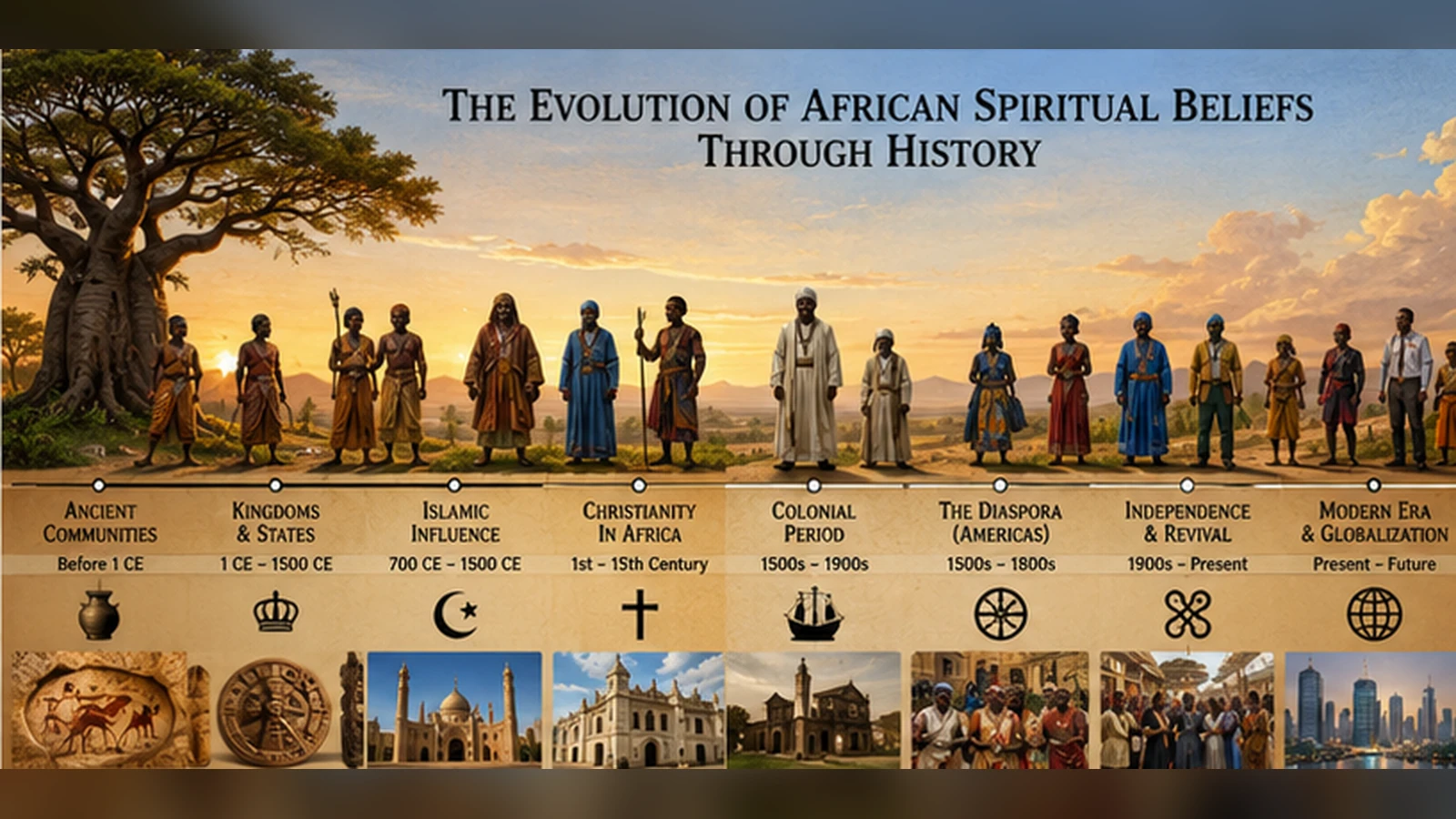
African societies contain many distinct religious systems, and African diaspora traditions developed through specific histories of enslavement, colonialism, resistance, conversion and cultural creativity. Terms used in online marketing frequently mix unrelated Yoruba, Kongo, Akan, Caribbean, Christian, Islamic and commercial New Age elements.
A responsible article should not publish a generic "African love spell" or imply that one continent shares a single ritual. Where living traditions include relationship petitions, divination or reconciliation work, their authority may depend on lineage, initiation, community ethics and the practitioner's responsibilities. Outsiders should not copy private rites from photographs or social media.

Why People Seek Return-Lover Spells
The wish to regain a former partner is often connected to ordinary human pain rather than irrationality. Common reasons include:
Grief and withdrawal
A relationship can structure daily routines, identity, future plans, housing, finances, parenting and social networks. Its loss may feel physically and emotionally destabilizing.
Uncertainty
An ambiguous breakup can be harder to process than a clear ending. Mixed messages, intermittent contact or social-media activity may keep hope alive.
Guilt or regret
A person who caused harm may desperately want another chance. The desire for a spell can become a shortcut around the difficult work of apology, restitution and sustained change.
Fear of replacement
Jealousy may intensify when an ex begins dating someone else. Some commercial services exploit this fear by claiming to remove a "rival" or break another relationship.
Desire for control
Rejection removes control. A ritual promise can make the client feel active again, even when the other person's decision is outside the client's control.
Cultural or religious belief
Some people genuinely understand prayer, divination or spiritual consultation as part of their worldview. Respect for belief does not require accepting claims of guaranteed control over another person's mind.
Commercial pressure
Fraudulent sellers may create urgency: "The bond is nearly broken," "a rival has cursed you," or "pay tonight before the window closes." Fear, secrecy and repeated fees can trap a distressed person in escalating payments.
Belief, Ritual and Evidence
Rituals can have real psychological and social effects without supernatural control being established. A private act may:
organize intense feelings;
create a sense of closure;
provide time for reflection;
connect someone with faith or community;
reduce immediate impulsive contact;
encourage hope or resolve.
Those effects belong to the participant's experience. They do not demonstrate that the ritual changed an ex-partner's thoughts from a distance.
There is no reliable scientific evidence that a return-lover spell can force a named person to call, leave another partner, consent to sex, marry the client or remain faithful. Testimonials are not controlled evidence. They may reflect coincidence, selective reporting, ordinary relationship contact, staged reviews or changes caused by communication rather than a ritual.
A service becomes especially concerning when it claims certainty, demands repeated payments, tells the client to ignore consent or encourages surveillance and unwanted contact.
The Central Ethical Question: Consent
Consent is not only relevant to sexual activity. It also matters in communication, emotional intimacy, dating, reconciliation, digital access and decisions about the future.
A former partner has the right to:
end a relationship;
decline a meeting;
refuse sex or affection;
block contact;
choose another relationship;
keep accounts and devices private;
change their mind;
request distance;
seek legal or safety support.
A ritual may be private, but the behaviour that follows it must still respect those rights.
The World Health Organization describes intimate partner violence as behaviour by a current or former partner that causes physical, sexual or psychological harm, including coercion, psychological abuse and controlling behaviour.[4] The CDC similarly includes stalking and psychological aggression intended to harm or exert control within intimate partner violence.[5]
No spiritual explanation changes the ethical meaning of repeated unwanted contact or control.
When "Trying to Get Them Back" Becomes Harmful
The following behaviours are not healthy reconciliation:
repeatedly calling after being asked to stop;
creating new accounts after being blocked;
showing up at a home, workplace, school or place of worship without invitation;
asking friends or relatives to pressure the person;
tracking location through GPS, shared accounts or hidden software;
checking private messages without permission;
threatening self-harm to prevent separation;
spreading rumours or intimate images;
threatening the new partner;
damaging property;
using children, money, immigration status or housing as leverage;
claiming that spiritual forces remove the need for consent.
CDC guidance defines stalking as a pattern of unwanted harassing or threatening tactics that creates fear or safety concerns, and it includes repeated messages, monitoring, following and technology-facilitated tracking.[6]
A person who feels tempted to engage in these behaviours should stop contact, seek professional support and create distance from tools or situations that make impulsive action easier.

Warning Signs of a Return-Lover Scam
A spiritual practitioner is not automatically fraudulent because the service is religious or culturally unfamiliar. The warning signs concern deception, exploitation and harmful claims.
Be cautious when a seller:
1. guarantees a specific person's return by a fixed deadline;
2. claims only they can remove a newly discovered curse;
3. demands secrecy from family, therapists or advisers;
4. asks for escalating payments after each supposed obstacle;
5. threatens spiritual punishment if payment stops;
6. requests intimate photographs, sexual material or account passwords;
7. asks for illegal surveillance or harassment;
8. tells the client to stop medication or mental-health treatment;
9. promises court, immigration, pregnancy or financial outcomes;
10. uses fake countdowns, copied testimonials or unverifiable celebrity claims;
11. refuses to provide a clear price or refund policy;
12. pressures the client to borrow money.
A safer practitioner should be honest about uncertainty, avoid coercive promises, maintain privacy, disclose fees and never encourage illegal or abusive behaviour.
Can Reconciliation Be Healthy?
Yes, some relationships can be repaired. Others should end. The important difference is whether reconciliation is freely chosen and whether the conditions that caused the breakup can realistically change.
Reconciliation may be worth exploring when:
both people independently want to talk;
neither person is afraid of the other;
there is no active stalking, violence or coercive control;
the cause of the breakup can be named honestly;
the responsible person accepts accountability without excuses;
harmful behaviour has stopped;
changes are visible over time, not only promised;
boundaries can be discussed and respected;
both people can tolerate the possibility that reunion may not happen;
professional support is available where needed.
Reconciliation is usually unsafe or inappropriate when there are threats, physical violence, sexual coercion, persistent stalking, severe controlling behaviour, weapon threats, forced isolation or fear. In those cases, the priority is safety, specialised support and legal or protective options, not couple restoration.
A Healthier Reconciliation Framework
Step 1: Accept the current reality
Begin with the fact that the relationship has changed or ended. Acceptance does not mean agreeing with the breakup. It means refusing to build a plan on denial.
Step 2: Stabilize before contacting
Wait until you can communicate without threats, repeated pleading, insults or dramatic promises. Sleep, food, work, supportive people and reduced social-media checking can lower impulsivity.
Step 3: Identify the real rupture
Ask what actually caused the separation:
betrayal;
repeated conflict;
incompatible goals;
family pressure;
long distance;
substance use;
financial secrecy;
emotional neglect;
violence or control;
lack of commitment;
sexual incompatibility;
unresolved mental-health difficulties.
A ritual cannot replace a clear understanding of the problem.
Step 4: Take responsibility for your part
An effective apology identifies the behaviour, recognizes its impact and states what will change. It does not say, "I am sorry you felt hurt," blame the other person or demand immediate forgiveness.
Step 5: Make one respectful invitation
Where contact is safe and not prohibited, a brief message can ask whether the person is open to a conversation. It should provide an easy way to decline.
Example:
I have reflected on what happened and I understand that my behaviour hurt you. I am working on specific changes. If you are ever open to one calm conversation, I would appreciate it. I will respect your decision and will not keep contacting you.
One invitation is different from a campaign.
Step 6: Respect silence or refusal
No answer may be an answer. A clear no must end the pursuit. Respect is demonstrated most strongly when the outcome is disappointing.
Step 7: Discuss conditions, not only feelings
Love alone does not solve practical problems. A reconciliation conversation should address:
exclusivity;
communication;
digital privacy;
finances;
substance use;
contact with former partners;
family boundaries;
parenting;
Step 8: Rebuild trust gradually
Trust returns through consistent behaviour, truthful answers, reliability, repair after conflict and respect for privacy. APA relationship-therapy resources describe repair after betrayal as a process of managing destructive interaction patterns, expressing hurt and responsibility, and developing more secure bonds.[7][8]
Step 9: Use professional support when appropriate
Couples therapy can help with communication, conflict, betrayal and decisions about whether to reunite or separate. An NHS couples-therapy service notes that therapy may help some couples build a stronger partnership and others discuss separation respectfully.[9]
Couples therapy is not a safe substitute for specialised domestic-abuse support where one person fears retaliation or is being controlled. A qualified professional should assess safety first.
Step 10: Create a review point
A renewed relationship should not continue indefinitely on promises alone. Agree on a time to review whether behaviour, trust and well-being are genuinely improving.

What If the Other Person Does Not Return?
The end of hope can be painful, but acceptance protects dignity and creates space for recovery.
Helpful practices include:
reducing exposure to the ex-partner's social media;
returning possessions through a neutral method;
creating a practical co-parenting channel where children are involved;
talking with trusted friends, family, clergy or a therapist;
restoring sleep, exercise and regular meals;
avoiding alcohol or drugs as a coping strategy;
writing an unsent letter;
removing financial and digital entanglements;
setting new personal goals;
allowing grief without treating it as proof that reunion is necessary.
A spiritual practice may support closure if it focuses on the client's own healing rather than another person's control. Prayer for peace, forgiveness, wisdom or release is ethically different from claiming ownership of an ex-partner.
A Safe Personal Closure Ritual
A person can create a private, non-coercive ritual without claiming it is ancient or culturally inherited.
1. Choose a quiet, safe space.
2. Write what the relationship meant and what caused harm.
3. Name what belongs to your responsibility and what does not.
4. State that the other person has the right to choose.
5. Identify one lesson to carry forward.
6. Decide on a contact boundary.
7. Tear up or store the paper privately.
8. End with prayer, breathing or a practical action such as deleting a draft message.
Do not burn materials indoors, ingest unknown herbs, use another person's belongings without permission or publish private information.
When Children Are Involved
Reconciliation and co-parenting are separate questions. Two people may decide not to resume a romantic relationship while still developing a respectful parenting arrangement.
Children should not be used to:
deliver romantic messages;
report on the other parent's private life;
persuade a parent to return;
carry accusations;
hide surveillance;
choose sides;
absorb adult financial or sexual details.
A child-focused plan should address schedules, school, medical decisions, communication methods, expenses and conflict boundaries. Where safety concerns exist, legal and specialist guidance may be necessary.

Religious and Spiritual Practitioners: Ethical Responsibilities
A responsible practitioner should:
explain the tradition and limits of the service;
avoid guaranteed claims;
protect confidentiality;
refuse requests for domination, harm or stalking;
avoid diagnosing curses as a sales tactic;
state fees before work begins;
avoid sexual or financial exploitation;
refer clients to mental-health, legal or safety services when needed;
respect the ex-partner as a person with rights;
support acceptance when reconciliation is not possible.
Marriage and family therapy ethics similarly place relationship decisions - including reconciliation, separation and divorce - with the clients rather than the therapist.[10] Spiritual advisers should show comparable respect for autonomy.
Common Misunderstandings
"A powerful spell removes free will"
There is no reliable evidence that a ritual can erase another person's autonomy. The claim also creates an ethical problem by treating a person as an object.
"If they contact me, the spell worked"
Former partners often contact each other for ordinary reasons: emotion, practical matters, loneliness, parenting, curiosity or reconsideration. One event does not prove supernatural causation.
"More payment means stronger work"
Escalating fees may indicate exploitation. Spiritual significance cannot be measured by repeated emergency payments.
"Jealousy proves love"
Jealousy can occur in loving relationships, but surveillance, threats and isolation are not proof of devotion.
"Couples therapy always saves relationships"
Therapy may support repair, clearer decisions or respectful separation. It cannot guarantee reunion, and it may be inappropriate where abuse makes joint sessions unsafe.
"Forgiveness requires reconciliation"
A person can release resentment or pursue spiritual forgiveness without renewing contact. Forgiveness does not cancel boundaries or accountability.
People Also Ask
What is a return-lover spell?
It is a ritual or service claimed to bring an estranged or former partner back into a relationship. The phrase covers many unrelated spiritual and commercial practices.
Do return-lover spells work?
There is no reliable scientific evidence that they can control another person's emotions or guarantee reconciliation. Rituals may influence the participant's feelings or decisions, but that is different from controlling an ex-partner.
Is it ethical to perform a love spell on someone?
A private symbolic act may be harmless, but any intention or behaviour aimed at overriding consent is ethically troubling. Unwanted contact, monitoring, threats and pressure are unacceptable regardless of spiritual belief.
How can I get my ex back in a healthy way?
Stabilize emotionally, understand the breakup, take responsibility, make one respectful invitation and accept the answer. If both people want reconciliation, discuss boundaries and consider qualified couples counselling.
When should I stop contacting an ex?
Stop when they ask for no contact, block you, decline reconciliation, express fear or when contact is prohibited legally. Repeated unwanted contact may become stalking.
Can a relationship recover after betrayal?
Some relationships recover when both people want repair and there is honest accountability, consistent change and gradual trust-building. Others end, and therapy can also support respectful separation.
Frequently Asked Questions
Are ancient love spells the same as modern return-lover services?
No. Ancient Egyptian, Greek, Roman and other practices belonged to specific languages, religions and social systems. Modern online services may borrow their imagery without historical continuity.
Is prayer for reconciliation coercive?
Prayer can ask for wisdom, healing or an opportunity to communicate. It becomes ethically concerning when it is framed as ownership or used to justify pressure and control.
Can I contact an ex once to apologize?
Where there is no safety or legal restriction, one brief apology may be appropriate. It should not demand a response or forgiveness. If the person has requested no contact, respect that boundary.
What makes an apology credible?
It names the behaviour, acknowledges the impact, avoids excuses, offers repair and is followed by consistent change.
Should I tell my ex that I paid for a spell?
Consider why you want to disclose it. If it would frighten, manipulate or pressure them, do not use it as leverage. A therapist or trusted adviser can help you process the belief privately.
Is checking an ex's public social media stalking?
Occasional viewing is not automatically stalking, but obsessive monitoring, fake accounts, location tracking, repeated contact or behaviour that creates fear can become harmful and may meet legal definitions.
Can couples counselling be used after separation?
Yes, where both people consent and it is safe. It may support reconciliation, co-parenting, discernment or respectful separation.
Should couples therapy be used in an abusive relationship?
Joint therapy can be unsafe when one partner fears retaliation, is being controlled or cannot speak freely. Specialised domestic-abuse and individual safety support should come first.
How long does reconciliation take?
There is no fixed timeline. Trust generally depends on repeated behaviour over time rather than one conversation, gift, ritual or promise.
What if I cannot stop thinking about the breakup?
Reduce triggers, seek social support and consider a qualified mental-health professional. Urgent help is important if you are unable to function, feel unsafe or are thinking of harming yourself or someone else.
Key Takeaways
"Return-lover spell" is a modern umbrella term, not one universal ancient tradition.
Historical love magic existed, but some texts used coercive ideas that should not guide modern relationships.
There is no reliable scientific evidence that a spell can control another person's feelings.
Consent applies to reconciliation, communication, sex, privacy and digital access.
Repeated unwanted contact, tracking and pressure may become stalking or coercive control.
Fraud warning signs include guarantees, escalating payments, secrecy, threats and requests for private access.
Healthy reconciliation requires mutual choice, accountability, boundaries and consistent change.
Couples therapy may help when both people participate freely and the relationship is safe.
Forgiveness, closure and co-parenting do not require romantic reunion.
A non-coercive personal ritual should focus on the participant's own healing, not another person's domination.
Conclusion
The wish to bring back a loved person is emotionally understandable. Across history, people have used prayers, charms, written texts, divination and rituals to respond to romantic uncertainty. Those practices tell us much about longing, gender, marriage, religion and power.
They do not remove the modern ethical requirement of consent. A former partner is not an object to be owned, compelled or monitored. The strongest evidence of love may be the willingness to listen, accept responsibility, change harmful behaviour and respect a decision that hurts.
Reconciliation can be meaningful when both people choose it and when the original problems are addressed honestly. It cannot be built safely on fear, secrecy, surveillance or guaranteed spiritual claims. Where reunion is not possible, grief and closure deserve the same seriousness as hope.
The healthiest path is not control. It is clarity: clarity about belief, evidence, responsibility, boundaries and the other person's freedom.
Final Summary
Return-lover spells are historical or contemporary ritual claims associated with restoring an estranged relationship. Historical love magic is real as cultural evidence, but no reliable scientific evidence shows that a ritual can force a person to return. Ethical reconciliation requires mutual consent, one respectful invitation, accountability, practical change and acceptance of refusal. Where there is violence, stalking, coercive control or fear, safety and specialised support must take priority over reunion.
Article Information
- Publisher
- Ancestral Temple
- Editor
- Ancestral Temple
- Last updated
- Jul 30, 2026
- Last reviewed
- Jul 30, 2026
- Content version
- 5b03dc612b
This educational article should be read as cultural and spiritual information, not as medical, legal, financial, or emergency advice.
Helpful Related Guidance
About the Author
 Ancestral Temple
Spiritual guide and practitioner with decades of experience in ancestral wisdom, rituals, and divine guidance.
Related Posts
View All











Comments
We'd love to hear your thoughts.