
New Moon Symbolism: Meaning Across Cultures
Pillar Article
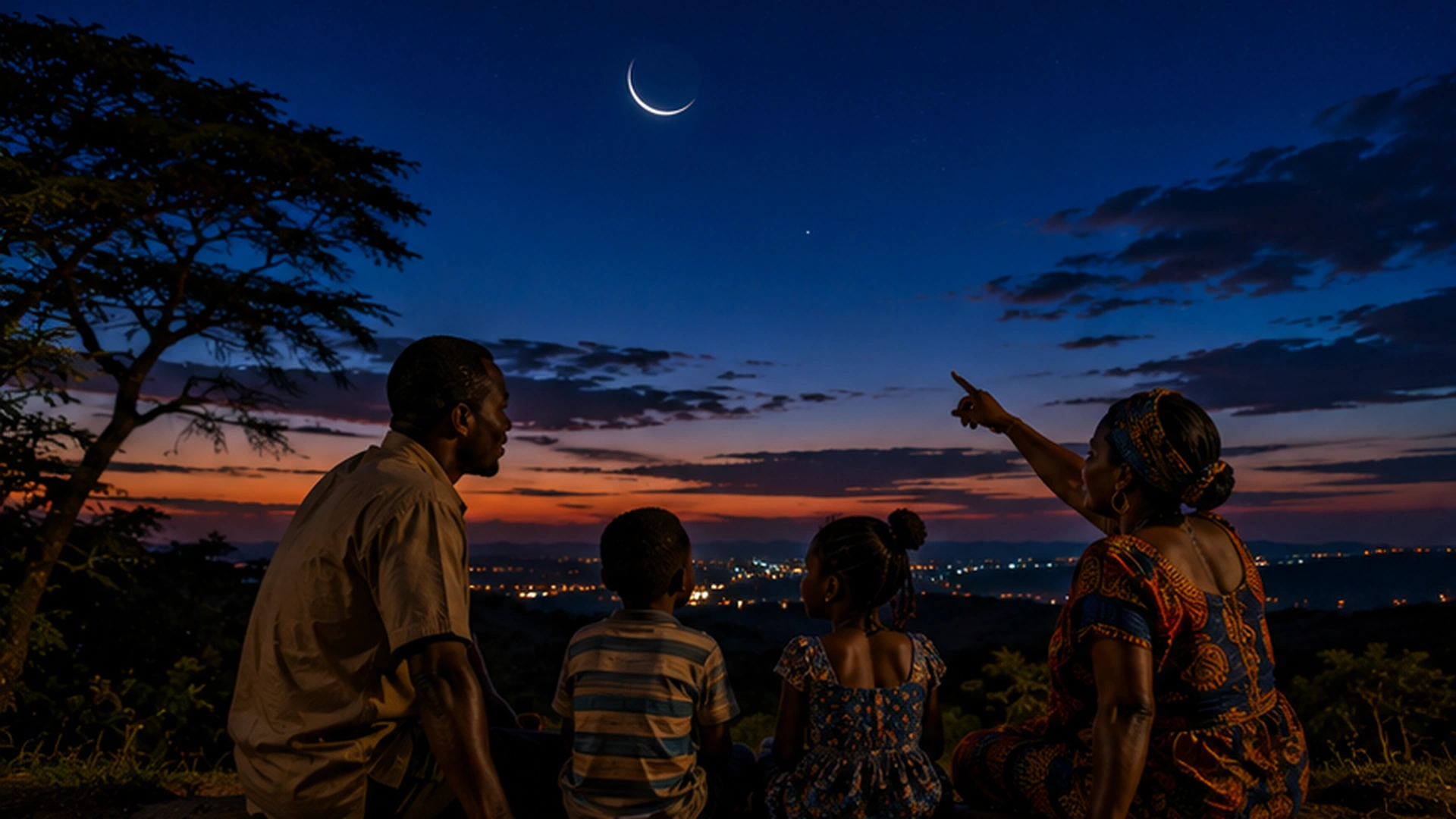
Quick Summary
Discover how different cultures understand the new Moon through calendars, prayer, seasonal festivals, ancestral remembrance, crescent observation, reflection, and symbolic renewal.
New Moon symbolism often points to beginnings, renewal, rest, reflection and hidden potential, but its meaning changes across cultures and religions. The astronomical new Moon is usually invisible, while some traditions focus on the first visible crescent that appears later. This distinction matters for calendars, religious observance and cultural interpretation.
New Moon symbolism is often associated with beginnings, renewal, darkness, rest, potential, reflection, and the start of a new calendar period.
These meanings are not universal.
The astronomical new Moon is a specific phase created by the changing positions of the Sun, Earth, and Moon. Religious and cultural traditions may instead focus on the first visible crescent that appears after the astronomical new Moon.
That difference matters.
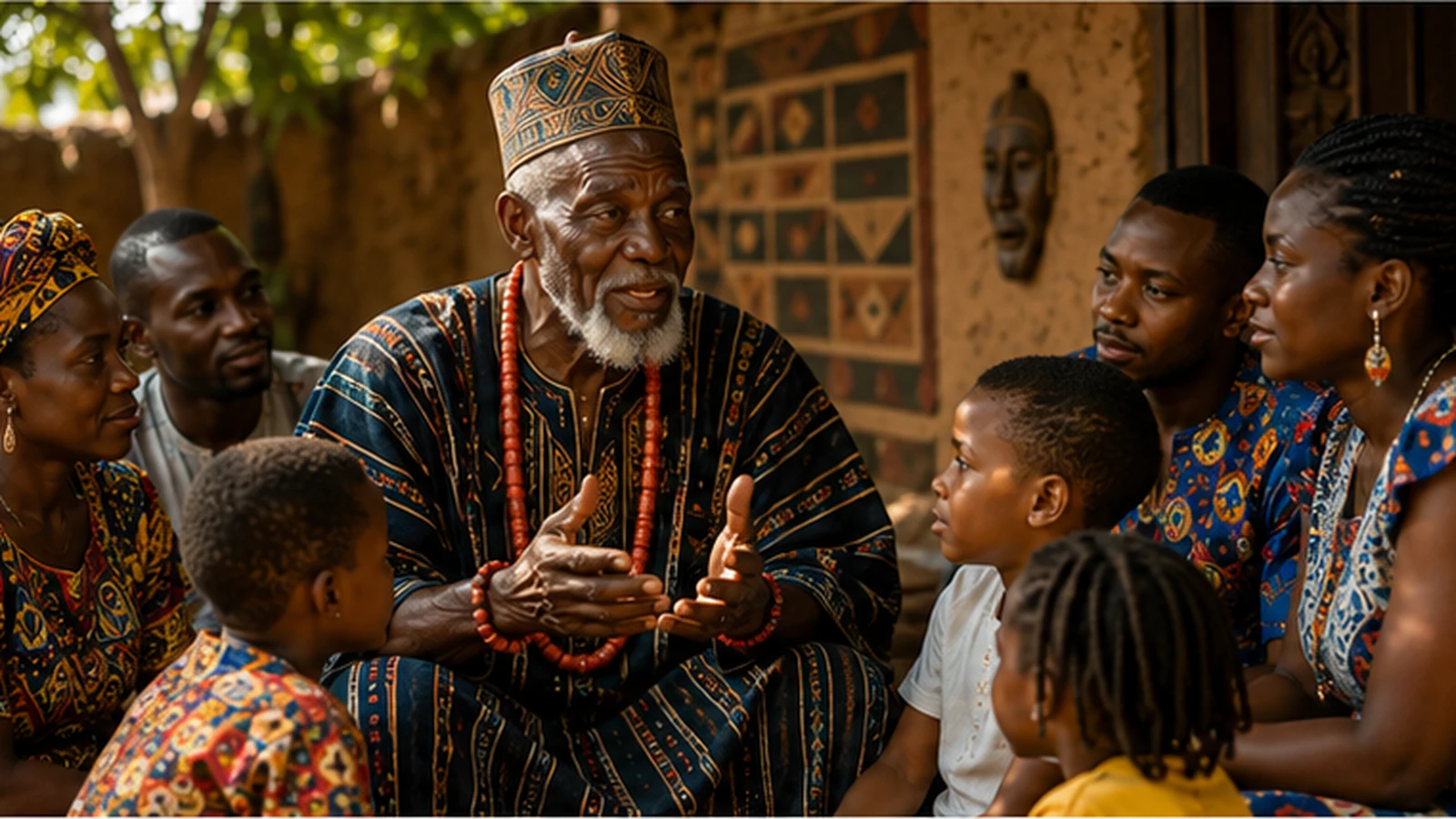
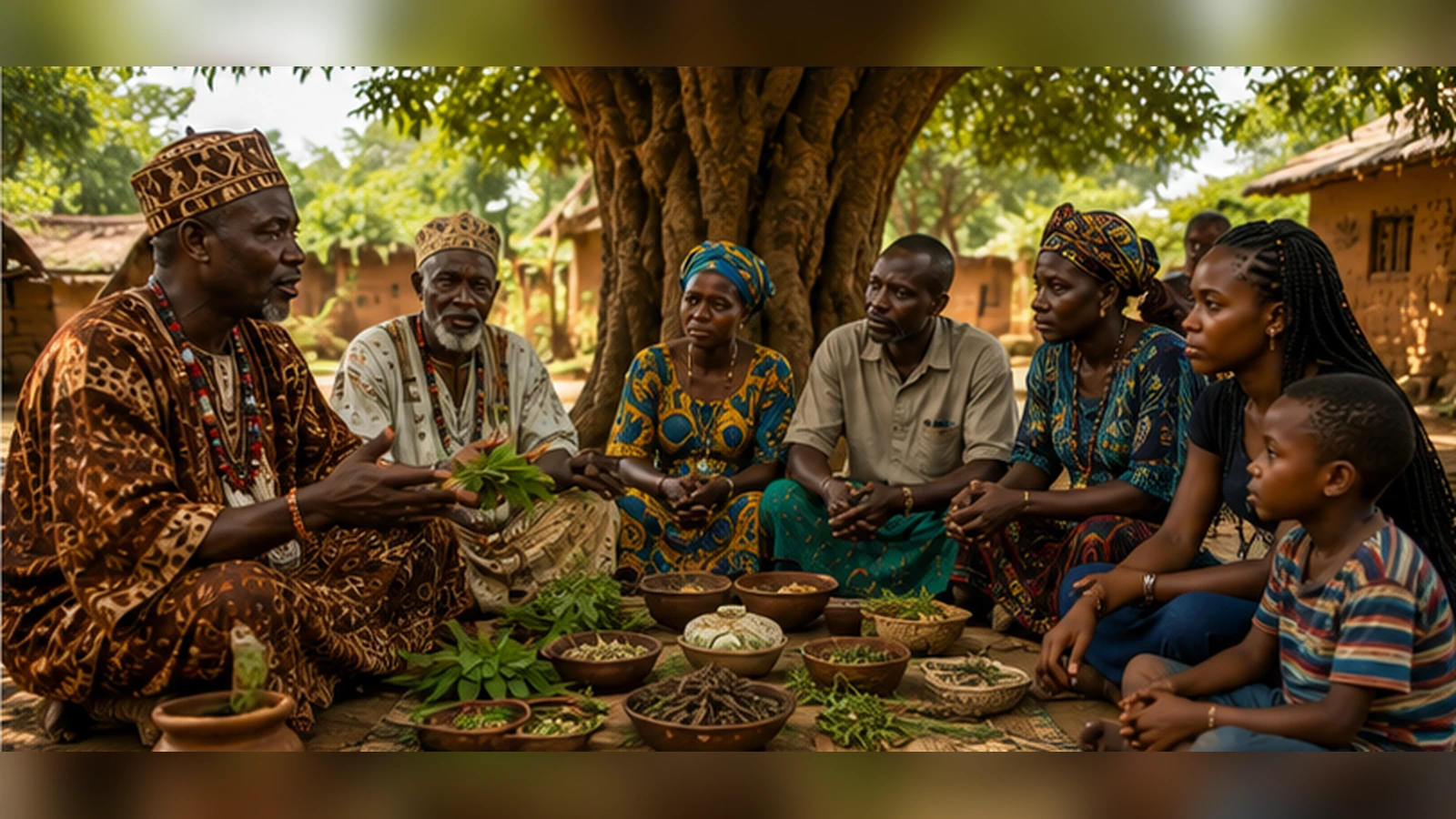
In Islamic calendar traditions, a month may begin when the thin crescent is sighted after sunset. Jewish Rosh Chodesh marks the beginning of a Hebrew month. Hindu traditions recognize Amavasya, the dark-Moon or new-Moon day, through observances whose meanings differ by region, deity, family, and festival. African communities have also used lunar cycles within culturally specific systems of agriculture, seasonal knowledge, naming, fertility symbolism, and timekeeping.
There is no single ancient new-Moon ritual practiced by humanity as a whole.
A responsible explanation must distinguish:
- Astronomy from symbolism
- The invisible astronomical new Moon from the visible crescent
- Religious observance from modern wellness practice
- One community’s tradition from another
- Cultural meaning from guaranteed supernatural claims
Quick Summary
The new Moon may symbolize:
- A new calendar month
- Renewal
- Hidden potential
- Rest
- Reflection
- Transition
- Darkness before visible growth
- A seasonal turning point
- Ancestral remembrance
- Religious preparation
- The beginning of a festival cycle
- A new personal intention
However:
- The astronomical new Moon is usually invisible.
- The visible crescent appears later.
- Not every culture treats the new Moon as a time for manifestation.
- Some traditions emphasize remembrance, fasting, prayer, agriculture, or calendrical observation.
- New Moon meanings vary by culture, religion, period, and family.
- No new Moon ceremony guarantees wealth, healing, fertility, love, protection, or success.
What Is the New Moon? Astronomy and Symbolism
The new Moon occurs when the Moon is positioned in approximately the same direction as the Sun from Earth’s viewpoint.
At this phase, the Moon’s illuminated hemisphere faces mostly away from Earth. The side facing Earth is largely unilluminated, making the Moon difficult or impossible to see in the bright daytime sky.
NASA identifies the new Moon as the first commonly named phase in the approximately 29.5-day lunar cycle. The cycle then continues through waxing crescent, first quarter, waxing gibbous, full Moon, waning gibbous, third quarter, and waning crescent.
Concise Definition
The new Moon is the lunar phase during which the Moon’s darkened near side faces Earth and the Moon appears close to the Sun in the sky.
In Simple Terms
The Moon has not disappeared.
Sunlight is illuminating the half facing away from us. Because the Moon is also near the Sun’s direction, the dark lunar disk is usually hidden by daylight.
New Moon Versus the First Visible Crescent
The astronomical new Moon and the first visible crescent are not the same event.
The astronomical new Moon occurs at the moment of lunar conjunction. The first crescent may become visible roughly a day later, depending on:
- The Moon’s angular distance from the Sun
- Atmospheric clarity
- Latitude
- Season
- Horizon conditions
- Observer experience
- The Moon’s distance from Earth
The U.S. Naval Observatory explains that a very young crescent is difficult to see because it is thin, faint, low in twilight, and close to the Sun. Under good conditions, experienced observers may see it approximately one day after new Moon, although visibility varies considerably.
Why This Distinction Matters
Popular illustrations often place a bright crescent beside the words new Moon.
Astronomically, that image normally represents the waxing crescent, not the exact new-Moon phase.
Religious calendars may use:
- The astronomical conjunction
- A calculated calendar rule
- The first visible crescent
- A combination of calculation and observation
The phrase “new Moon” can therefore have different technical and cultural meanings.
Why the New Moon Became Symbolically Important
The new Moon is a natural marker within a repeating cycle.
It represents a transition between:
- The fading waning crescent
- A period of invisibility
- The appearance of a new waxing crescent
- Gradual growth toward full Moon
For communities organizing time by the Moon, this transition could help identify:
- A new month
- A religious observance
- A seasonal activity
- Agricultural planning
- A festival
- A period of prayer
- A time for remembrance
- A change in community obligations
Lunar calendars generally begin months with either the astronomical new Moon or the first visible crescent. Lunisolar calendars add adjustments so lunar months remain connected with the solar year and seasons.
Common Themes in New Moon Symbolism
Beginnings
The new Moon is commonly interpreted as a beginning because it marks the opening of another lunar cycle.
This may represent:
- A new calendar month
- A fresh plan
- A new religious period
- A family transition
- A seasonal change
- A symbolic opportunity to begin again
The association is understandable, but it should not be described as a universal ancient teaching.
Some traditions give greater attention to the first crescent, the full Moon, a seasonal star, rainfall, harvest conditions, or a civil calendar date.
Hidden Potential
During the new Moon, the lunar disk is present but not readily visible.
Modern writers often use this as a metaphor for:
- Ideas not yet developed
- Work happening privately
- Unseen preparation
- A beginning without immediate evidence
- Potential awaiting growth
This is a modern symbolic interpretation unless a specific cultural source supports an older use.
Frequently Asked Questions
What should readers know first about New Moon symbolism?
New Moon symbolism: Discover how different cultures understand the new Moon through calendars, prayer, seasonal festivals, ancestral remembrance, crescent obs
What causes New Moon symbolism?
Discover how different cultures understand the new Moon through calendars, prayer, seasonal festivals, ancestral remembrance, crescent observation, reflection, and symbolic renewal. The safest next step is to compare the signs, prepare clear details, and reque
How does New Moon symbolism work?
Discover how different cultures understand the new Moon through calendars, prayer, seasonal festivals, ancestral remembrance, crescent observation, reflection, and symbolic renewal. The safest next step is to compare the signs, prepare clear details, and reque
Is it possible to get private guidance for New Moon symbolism?
Discover how different cultures understand the new Moon through calendars, prayer, seasonal festivals, ancestral remembrance, crescent observation, reflection, and symbolic renewal. The safest next step is to compare the signs, prepare clear details, and reque
How long does New Moon symbolism take to understand?
Discover how different cultures understand the new Moon through calendars, prayer, seasonal festivals, ancestral remembrance, crescent observation, reflection, and symbolic renewal. The safest next step is to compare the signs, prepare clear details, and reque
Can New Moon symbolism affect relationships, family, work, or personal peace?
Discover how different cultures understand the new Moon through calendars, prayer, seasonal festivals, ancestral remembrance, crescent observation, reflection, and symbolic renewal. The safest next step is to compare the signs, prepare clear details, and reque
Why do people seek spiritual guidance for New Moon symbolism?
Discover how different cultures understand the new Moon through calendars, prayer, seasonal festivals, ancestral remembrance, crescent observation, reflection, and symbolic renewal. The safest next step is to compare the signs, prepare clear details, and reque
What signs should someone notice before asking about New Moon symbolism?
Discover how different cultures understand the new Moon through calendars, prayer, seasonal festivals, ancestral remembrance, crescent observation, reflection, and symbolic renewal. The safest next step is to compare the signs, prepare clear details, and reque
When should someone contact a private spiritual guide?
Discover how different cultures understand the new Moon through calendars, prayer, seasonal festivals, ancestral remembrance, crescent observation, reflection, and symbolic renewal. The safest next step is to compare the signs, prepare clear details, and reque
Article Information
- Publisher
- Ancestral Temple
- Editor
- Ancestral Temple
- Last updated
- Jul 26, 2026
- Last reviewed
- Jul 13, 2026
- Content version
- b7f536e2e7
This educational article should be read as cultural and spiritual information, not as medical, legal, financial, or emergency advice.
Helpful Related Guidance
Explore This Topic
New Moon Symbolism · Uncategorized
Related Topic Cluster
Moon, Sun and seasons
Complete Guide New Moon Spiritual Meaning: Symbolism, Traditions and Cultural BeliefsAbout the Author
 Ancestral Temple
Spiritual guide and practitioner with decades of experience in ancestral wisdom, rituals, and divine guidance.
Related Posts
View All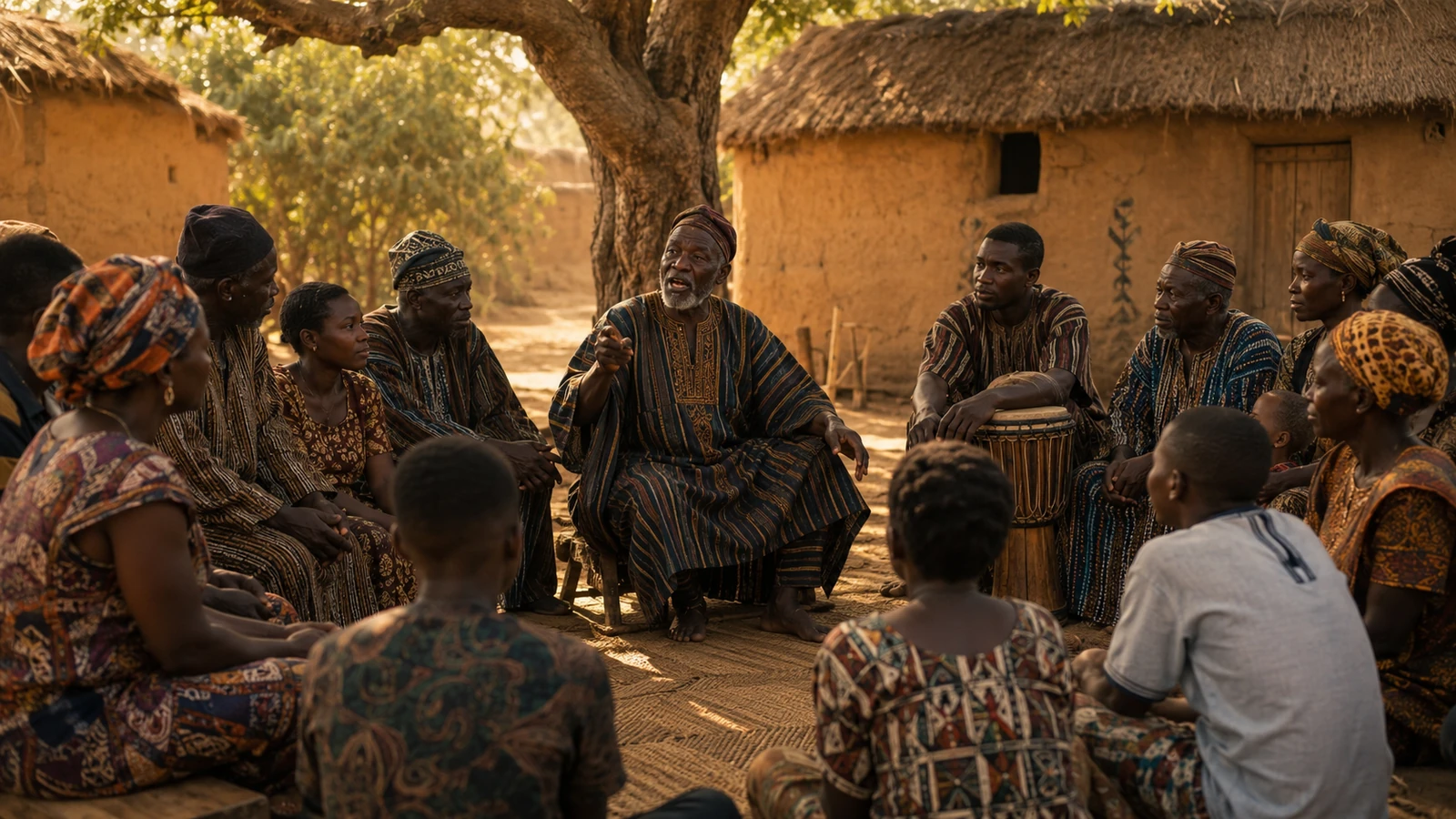

Leave a Comment
We'd love to hear your thoughts.
This was comprehensive without suggesting that readers need to perform a new-Moon ceremony.
Are there recommended astronomy tools for predicting first-crescent visibility?
The article showed why unrelated religious traditions should not be combined into one ritual.
A future article about Banyoro Moon knowledge would be interesting.
I liked that personal traditions were allowed but had to be described honestly.
Strong overview connecting the new Moon with calendars, religion, farming, tides, and reflection.
The misconceptions section corrected several claims I have seen on social media.
The tone remained neutral while explaining religious differences.
The moon-water safety warning was practical.
I appreciated that African Moon traditions were not reduced to libation and drumming.
More community-specific African lunar traditions would make a strong future series.
A separate guide about crescent visibility would be useful.
The most important lesson was that the exact new Moon is not normally visible.
The article respected belief while keeping scientific claims accurate.
I liked the idea of using the Moon as a reminder to review a practical goal.
The modern intention-setting section was honest about its contemporary origins.
Could you write next about the difference between lunar and lunisolar calendars?
The short paragraphs worked well on mobile.
The sections were well organized and easy to navigate.
This is useful for readers interested in astronomy, religion, calendars, and cultural heritage.
Thank you for warning readers about practitioners who guarantee pregnancy or wealth.
The article showed why darkness should not automatically be interpreted as evil.
I appreciated the health warning about using lunar cycles to predict fertility.
A future comparison of Rosh Chodesh and Islamic crescent sighting would be interesting.
The glossary made the difference between new Moon, Amavasya, and waxing crescent easier to understand.
The Sohrai example showed the importance of cattle and agriculture in a specific regional tradition.
I liked the reminder that a new beginning still requires practical action.
The Hariyali Amavasya section connected the Moon with seasonal greenery rather than only darkness.
This was educational without promising supernatural results.
The article explained why a lunar month does not fit perfectly into a solar year.
I would like a detailed article about Mahalaya Amavasya and ancestor remembrance.
I appreciated the distinction between Diwali and a generic new-Moon ritual.
The Amavasya section was detailed without pretending every region follows the same customs.
The explanation of the Setswana calendar showed that lunar knowledge can be practical as well as spiritual.
Thank you for distinguishing religious crescent observation from astrology.
The section about hidden potential explained why the new Moon appeals to modern writers.
I did not know that some calendars begin with the crescent while others use calculations.
A full article comparing lunar calendars would be useful.
The explanation of Rosh Chodesh was clear and respectful.
The African section avoided creating one imaginary tradition for the entire continent.
I liked that crescent sighting was not described as Moon worship.
The Islamic calendar section clearly explained the importance of crescent visibility.
I appreciated that renewal was explained as a common interpretation rather than a universal belief.
I had always assumed the crescent itself was the exact new Moon.
The distinction between the invisible new Moon and the visible crescent was very helpful.