
Seasonal Cleansing Traditions
Cornerstone Content
Quick Summary
Seasonal cleansing traditions help families and communities prepare for a new year, religious festival, harvest, or environmental transition. They may involve cleaning homes, sweeping streets, removing prohibited foods, using water symbolically, resolving disputes, or renewing relationships.
Seasonal Cleansing Traditions explains the cultural and historical meaning of seasonal cleansing traditions without treating one tradition as universal. The article preserves safety cautions, distinguishes spiritual interpretation from medical or legal advice, and avoids guaranteed-result claims.
At particular times of the year, families and communities throughout the world clean homes, wash objects, sweep public spaces, remove unwanted possessions, settle disagreements, or participate in ceremonies of renewal.
These activities are often described as seasonal cleansing traditions.
Some are practical responses to weather, agriculture, or household conditions. Others are religious preparations connected with a sacred calendar. Many combine physical cleaning with symbolic ideas about leaving the past behind and beginning again.
A family may clean before a New Year festival. A religious community may remove particular foods before a holy period. Water may be poured as a symbol of renewal. Streets may be swept before a public celebration. Relatives may resolve disputes before receiving blessings from elders.
However, these traditions are not all versions of one universal cleansing ritual.
The removal of chametz before Jewish Passover has a specific legal and religious purpose. Water used during Thailand’s Songkran festival belongs to a different cultural and religious setting. Cleaning performed before the Wolaita Gifaataa festival in Ethiopia is connected with family return, reconciliation, and New Year observance.
Respectful education must therefore explain both the similarities and the differences.
Key Points
- Seasonal cleansing may be physical, ritual, social, emotional, or environmental.
- Many traditions occur before a New Year, harvest, religious festival, or seasonal transition.
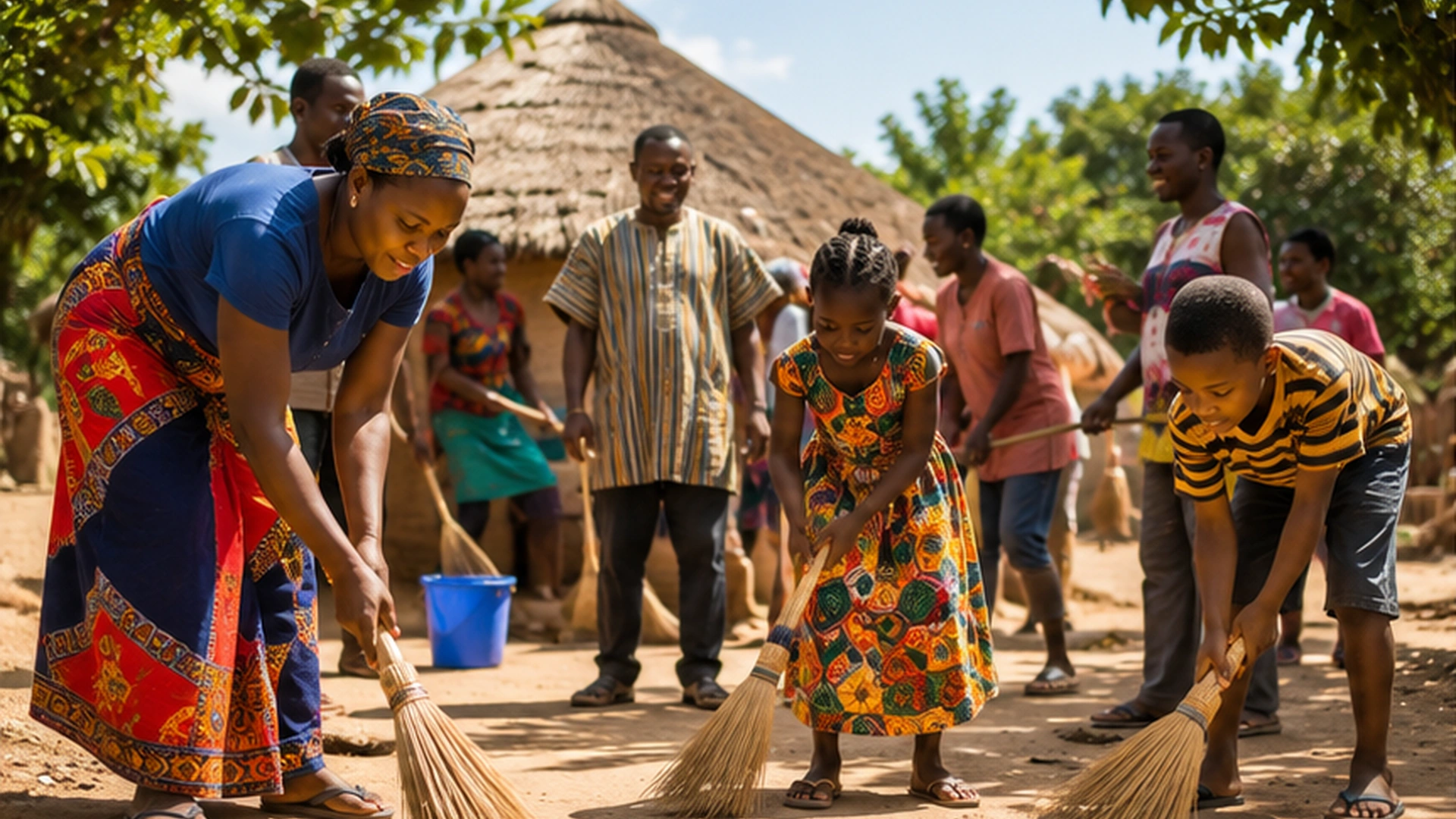
- In the Wolaita Gifaataa festival of Ethiopia, people clean their surroundings and resolve disputes before the New Year.
- Ghana’s Hogbetsotso festival includes a purification ceremony followed by community cleaning.
- Nowruz preparations may include khāneh-tekānī, an extensive cleaning of the home.
- Jewish Passover preparation focuses on removing or properly managing chametz rather than performing generic spring cleaning.
- Songkran and Myanmar’s Atā Thingyan use water as a symbol of renewal around the traditional New Year.
- Deepavali preparations often include cleaning and decorating homes and public spaces.
- Japanese ōsōji is a year-end deep-cleaning tradition associated with beginning the New Year afresh.
- Seasonal cleansing does not guarantee the removal of misfortune, illness, or every spiritual problem.
- Household chemicals, smoke, open flames, deep water, and unsafe waste disposal still require practical safety precautions.
Clear Definition
Seasonal cleansing traditions are recurring practices performed at a particular time of year to clean, prepare, renew, or restore people, homes, objects, relationships, or community spaces.
Plain-Language Meaning
Seasonal cleansing is the idea of putting things in order before entering an important new period.
People may clean their homes, wash ceremonial objects, sweep streets, remove certain foods, settle debts, forgive disagreements, or pray for renewal.
The message may be:
“The old period is ending.”
“We are preparing for something important.”
“We should not carry every burden into the new season.”
“We are making our home and community ready.”
What Does “Seasonal” Mean?
The word seasonal does not refer only to spring, summer, autumn, and winter.
A cleansing tradition may follow:
- A solar calendar
- A lunar calendar
- An agricultural cycle
- A rainy or dry season
- A religious calendar
- A New Year celebration
- A harvest period
- A community festival
- An annual commemoration
In equatorial regions, seasonal life may be organized around rainfall, planting, harvests, migration, or religious observances rather than four temperate-climate seasons.
A festival celebrated in September in Ethiopia and a spring festival in Iran can both be seasonal, even though they arise from different climates and calendars.
Why Cleansing Traditions Return Every Year
They Mark a Boundary in Time
People often experience the end of a year or season as a threshold.
Cleaning gives visible form to the movement between one period and another. Dust, clutter, leftover food, damaged objects, and unfinished work may represent things that should not be carried forward.
They Prepare Homes for Visitors
Festivals commonly bring relatives, neighbours, religious leaders, and guests into the home.
Cleaning before the occasion expresses hospitality and respect.
They Support Religious Preparation
Some traditions require particular foods, spaces, clothing, objects, or bodily conditions before worship.
In these cases, cleaning is not simply decorative. It may fulfil a religious obligation or prepare participants for sacred activity.
They Restore Community Order
Seasonal renewal may include repairing roads, clearing paths, sweeping public spaces, settling arguments, returning home, or reaffirming relationships.
The community is renewed alongside the individual.
They Transmit Cultural Knowledge
Children learn by watching older relatives prepare.
They may be taught:
- Which spaces must be cleaned
- Which objects require special care
- Which foods may be used
- Which prayers are public
- How elders are welcomed
- Why disagreements should be resolved
- What should remain private
The preparation itself becomes a form of education.
Different Types of Seasonal Cleansing
Household Cleaning
Families may wash floors, repair walls, air bedding, organize food stores, clean cooking spaces, and remove unused belongings.
This may be practical, symbolic, or both.
Ritual Purification
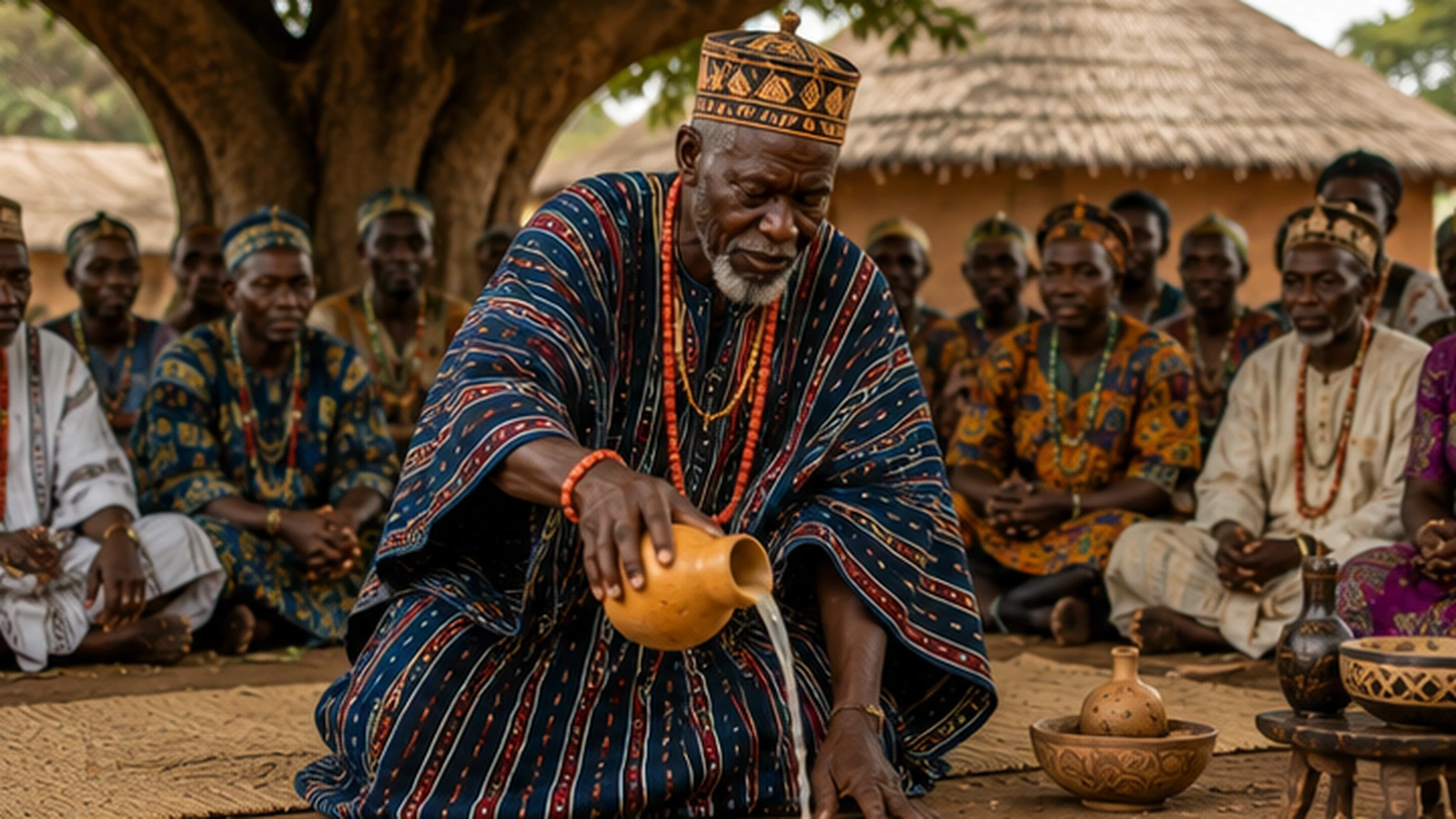
A recognized religious authority or participant may use water, prayer, incense, fasting, immersion, or another prescribed action.
Ritual purification should not automatically be equated with household hygiene.
Community Cleaning
Residents may sweep streets, clean wells, clear public paths, repair gathering spaces, or collect rubbish before a festival.
Social Renewal
People may forgive disagreements, settle debts, visit relatives, or restore relationships.
This form of cleansing addresses social tension rather than physical dirt.
Dietary Preparation
A religious tradition may require removing, avoiding, or preparing particular foods.
The rules depend on the religion and should not be simplified into ordinary kitchen cleaning.
Symbolic Washing
Water may be poured, sprinkled, or used for bathing to express renewal or the washing away of an earlier period.
Its meaning varies according to community and religion.
Gifaataa Among the Wolaita Community of Ethiopia
Gifaataa is a New Year festival celebrated by the Wolaita community in Ethiopia between mid-September and early October.
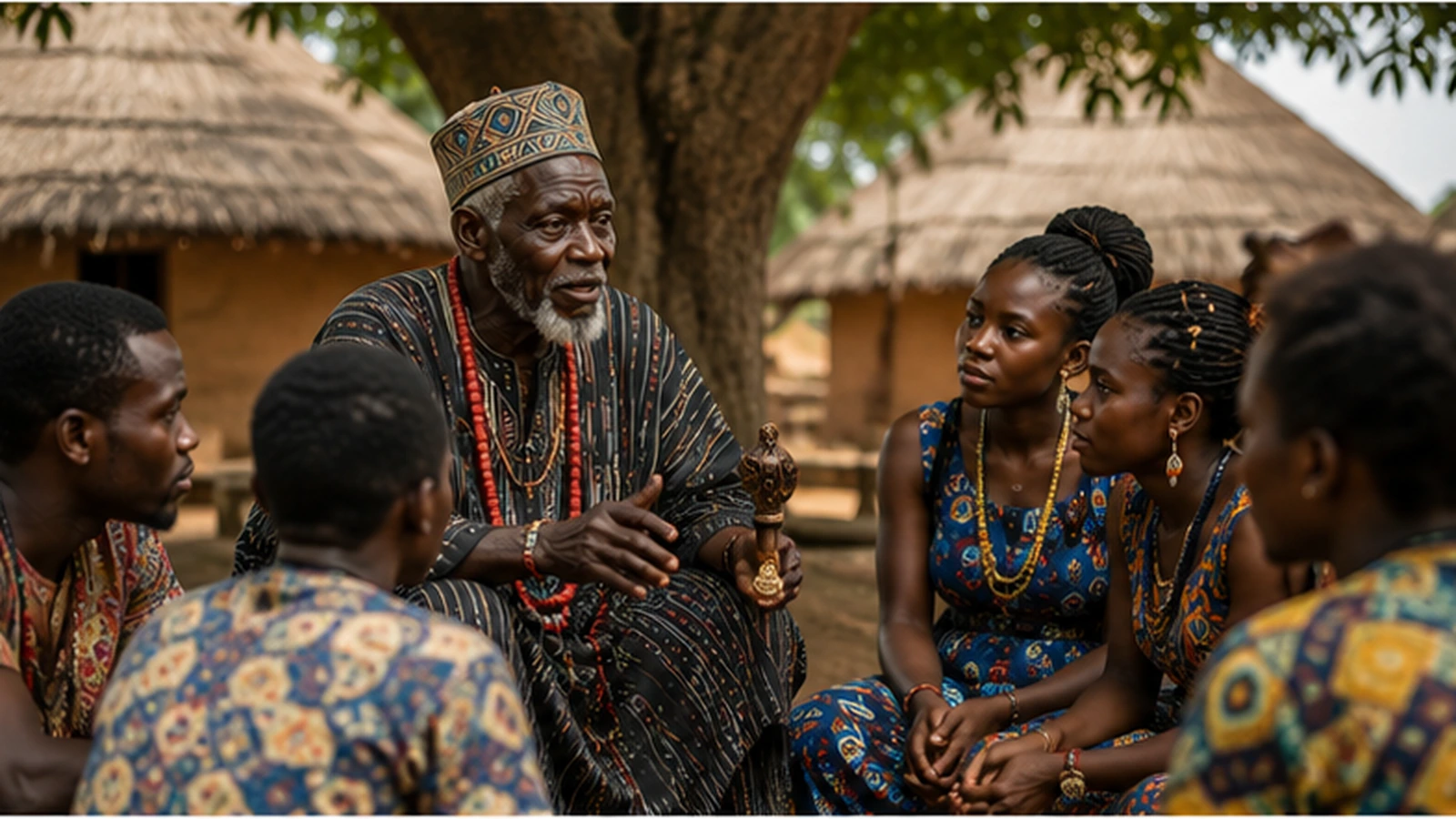
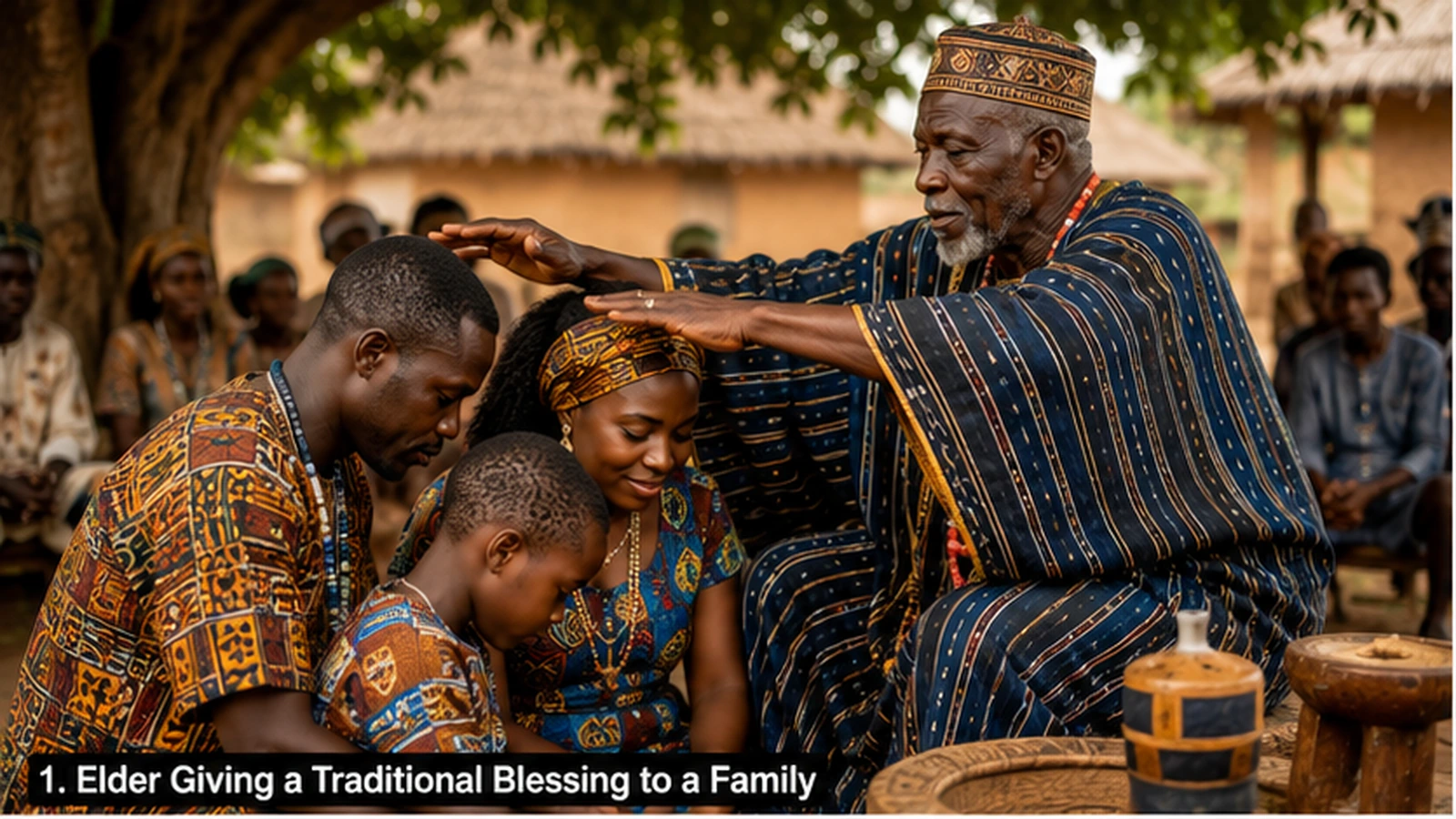
Before the festival begins, people clean their surroundings and return home to be with their families. Disputes are resolved peacefully in preparation for the coming year. Families later gather for food, drink, blessings from elders, singing, dancing, and other celebrations.
This is an important example because cleansing extends beyond sweeping or washing.
Preparation includes:
- Cleaning the physical environment
- Returning to family
- Resolving disagreements
- Receiving blessings
- Reaffirming community relationships
- Preparing emotionally for a new period
It would be misleading to describe Gifaataa simply as an Ethiopian housecleaning custom.
It is a Wolaita New Year festival with its own timing, family practices, foods, performances, and forms of authority.
Not every Ethiopian community observes Gifaataa. Ethiopia contains many peoples, languages, calendars, and religious traditions.
Hogbetsotso and Community Cleaning in Ghana
Hogbetsotso is celebrated by the Anlo Ewe community and commemorates migration from Notsie in present-day Togo to the community’s current homeland.
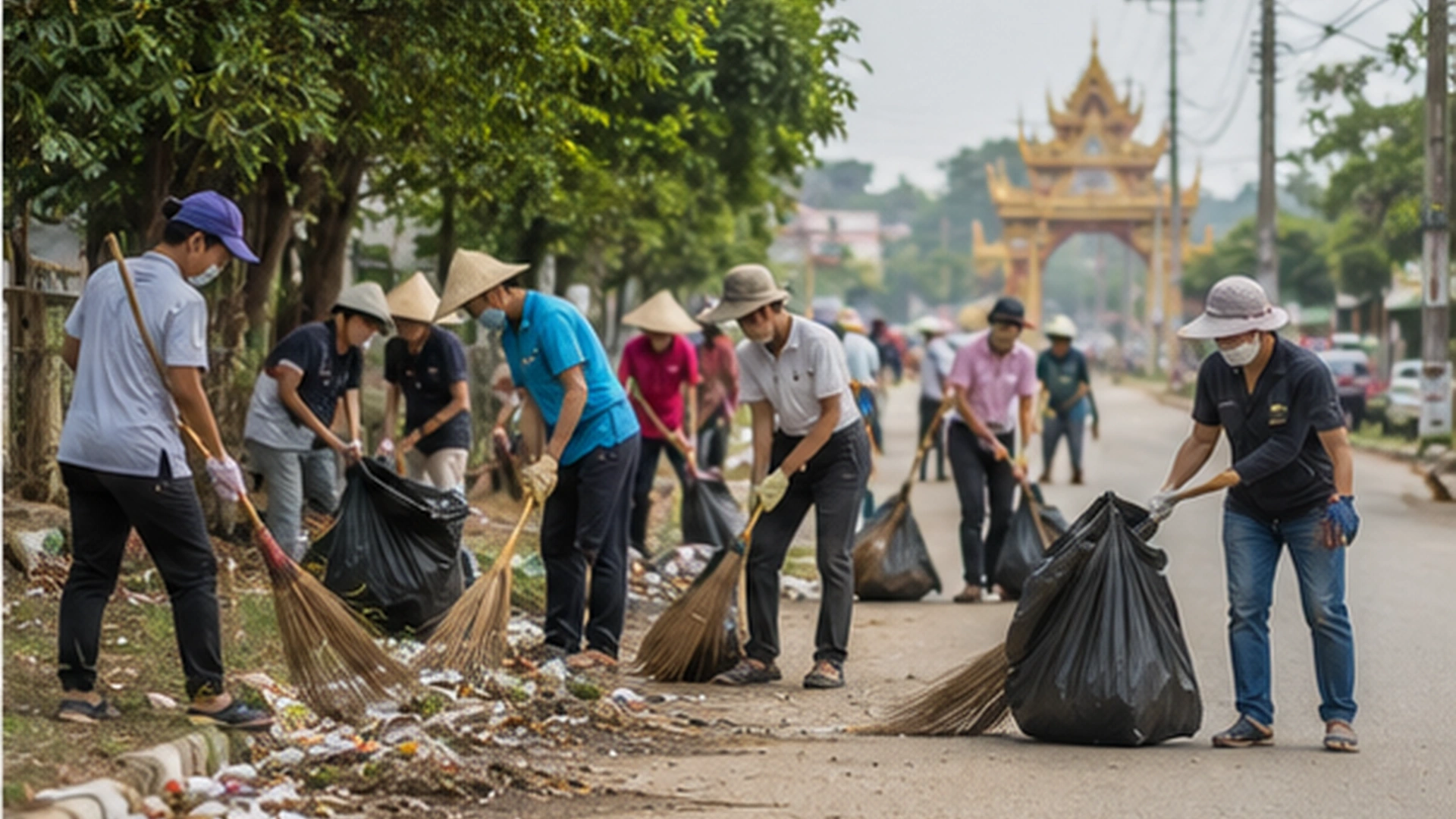
An official Ghanaian government resource describes a purification ceremony followed by several days of cleaning villages, sweeping streets, and removing rubbish before the festival’s major public events.
The preparation connects several ideas:
- Historical remembrance
- Community order
- Environmental care
- Public participation
- Readiness for celebration
- Collective identity
The street cleaning should not be treated as a decorative background to the festival.
It demonstrates that cleansing can concern the shared environment rather than only an individual body or private home.
The Anlo Ewe context should also be named precisely. Hogbetsotso should not be presented as a ceremony performed identically by all Ewe communities or all Ghanaians.
Fetu Afahye and Public Cleanliness
Fetu Afahye is associated with the people of Cape Coast, historically known as Oguaa, in Ghana.
Ghana’s official cultural and tourism resources describe the festival as commemorating the end of a historic disease outbreak and as encouraging the maintenance of a clean town to prevent a recurrence.
The example illustrates how seasonal cleansing may connect:
- Historical memory
- Public health
- Civic responsibility
- Religious observance
- Community identity
Historical explanations of disease must be handled carefully.
Modern infection prevention depends on evidence-based sanitation, safe drinking water, waste management, vaccination where relevant, medical treatment, and public-health services.
A traditional ceremony may support community cooperation, but it does not replace those measures.
Nowruz and Khāneh-Tekānī
Nowruz is celebrated across multiple countries and communities and marks the arrival of a new year associated with the spring equinox.
Preparations in Iranian contexts commonly include khāneh-tekānī, often translated as “shaking the house.” It involves extensive cleaning before the New Year. UNESCO materials describe households preparing weeks in advance through spring cleaning, new clothing, food preparation, visits, and other practices.
Cleaning before Nowruz may represent:
- Readiness for spring
- Renewal of the household
- Hospitality
- Removal of accumulated disorder
- Preparation for family visits
- A fresh social beginning
Nowruz is celebrated across a wide geographical area, including communities in Iran, Central Asia, the Caucasus, the Balkans, and diasporas.
Its customs vary. One household’s way of preparing should not be presented as the only authentic form.
Khāneh-tekānī is also not necessarily a secret ritual. In many homes it is an ordinary family practice carrying practical and cultural meaning.
Passover Preparation and the Removal of Chametz
Before Passover, observant Jewish households prepare to avoid chametz, food made from specified grains that has leavened under conditions defined by Jewish law.
This involves checking areas where chametz may have been taken, removing or properly managing it, preparing kitchens and utensils according to community practice, and performing bedikat chametz, the formal search for chametz.
Current Orthodox Union guidance emphasizes that the religious requirement concerns places where food may have been brought. Areas in which chametz is not used do not necessarily require indiscriminate cleaning.
This distinction is important.
Passover preparation is sometimes described casually as Jewish spring cleaning. Although many families also clean extensively, the religious purpose is not simply to make every surface spotless.
It concerns:
- Chametz
- Passover dietary observance
- Religious responsibility
- Preparation of food spaces
- Family teaching
- Remembrance of the Exodus
Jewish communities follow different customs and legal authorities. Ashkenazi, Sephardi, Mizrahi, and other communities may differ in particular practices.
People should consult their own rabbi or recognized community authority rather than relying on generalized instructions from a cultural article.
Songkran in Thailand
Songkran is Thailand’s traditional New Year festival.
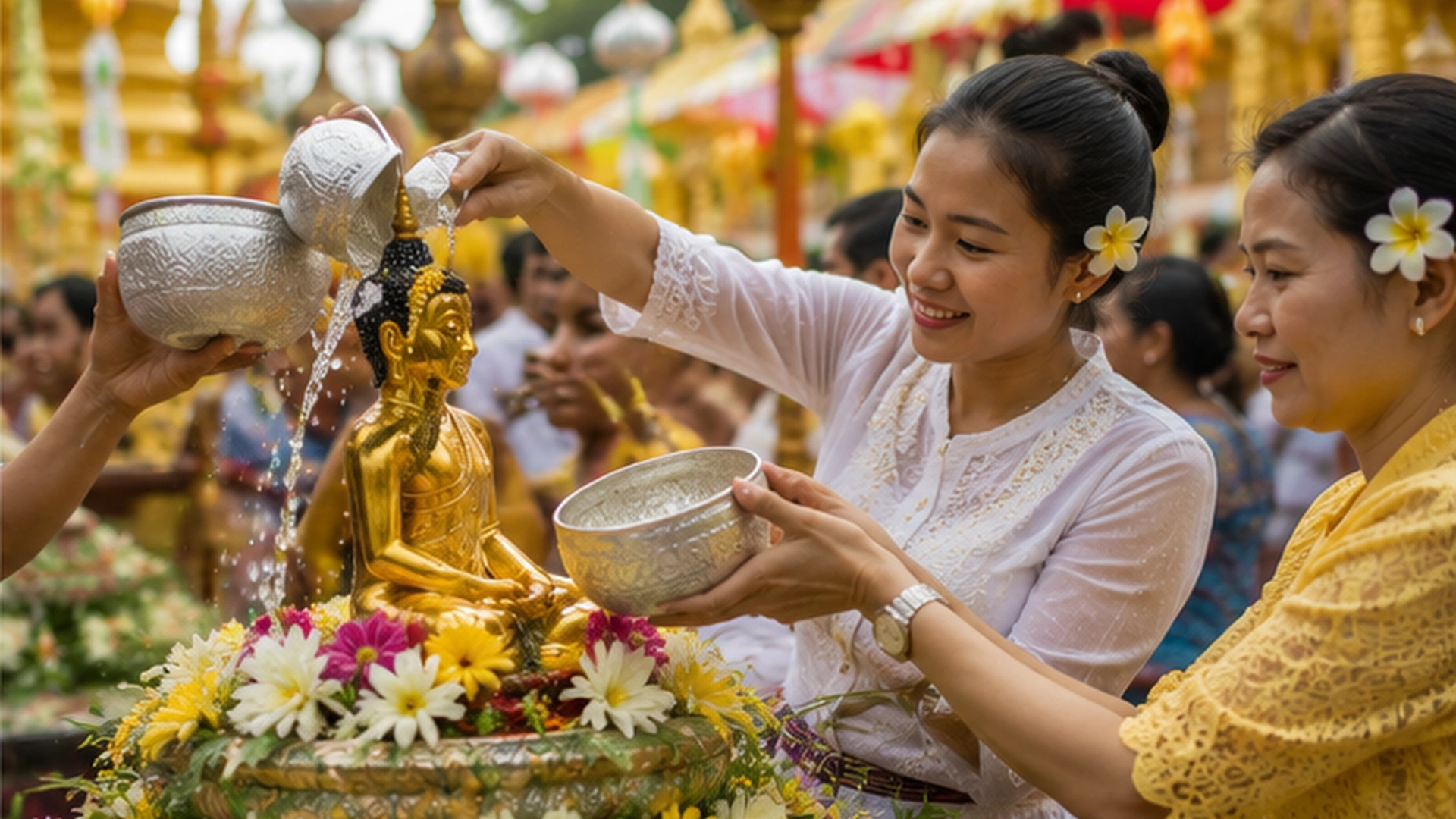
Water is one of its best-known elements. UNESCO describes Songkran as promoting cooperation, unity, forgiveness, and the symbolic washing away of misfortune while people pray for prosperity in the coming year.
Water-related activities may include respectfully pouring water, honouring elders, washing Buddha images, visiting temples, and participating in public celebrations.
Modern public water play can be joyful and highly visible, but it should not erase the festival’s family, religious, and community dimensions.
Songkran should also not be reduced to a tourist water fight.
Its cultural meanings include:
- Respect for elders
- Merit-making
- Family reunion
- Forgiveness
- New Year renewal
- Community participation
Atā Thingyan in Myanmar
Myanmar’s Atā Thingyan is another traditional New Year festival in which water expresses renewal.
UNESCO describes common practices including pouring water on Buddha images and on one another, participating in meditation retreats, returning to native towns, reuniting with relatives, and honouring elders. The water symbolizes cleansing the old year’s “dirt” and entering a physical and mental fresh start.
Songkran and Thingyan share regional historical connections, but they should not be treated as identical celebrations.
National histories, languages, Buddhist institutions, local customs, music, food, and public practices differ.
Deepavali and Preparing the Home
Deepavali, also known as Diwali, is observed by diverse communities in India and around the world.
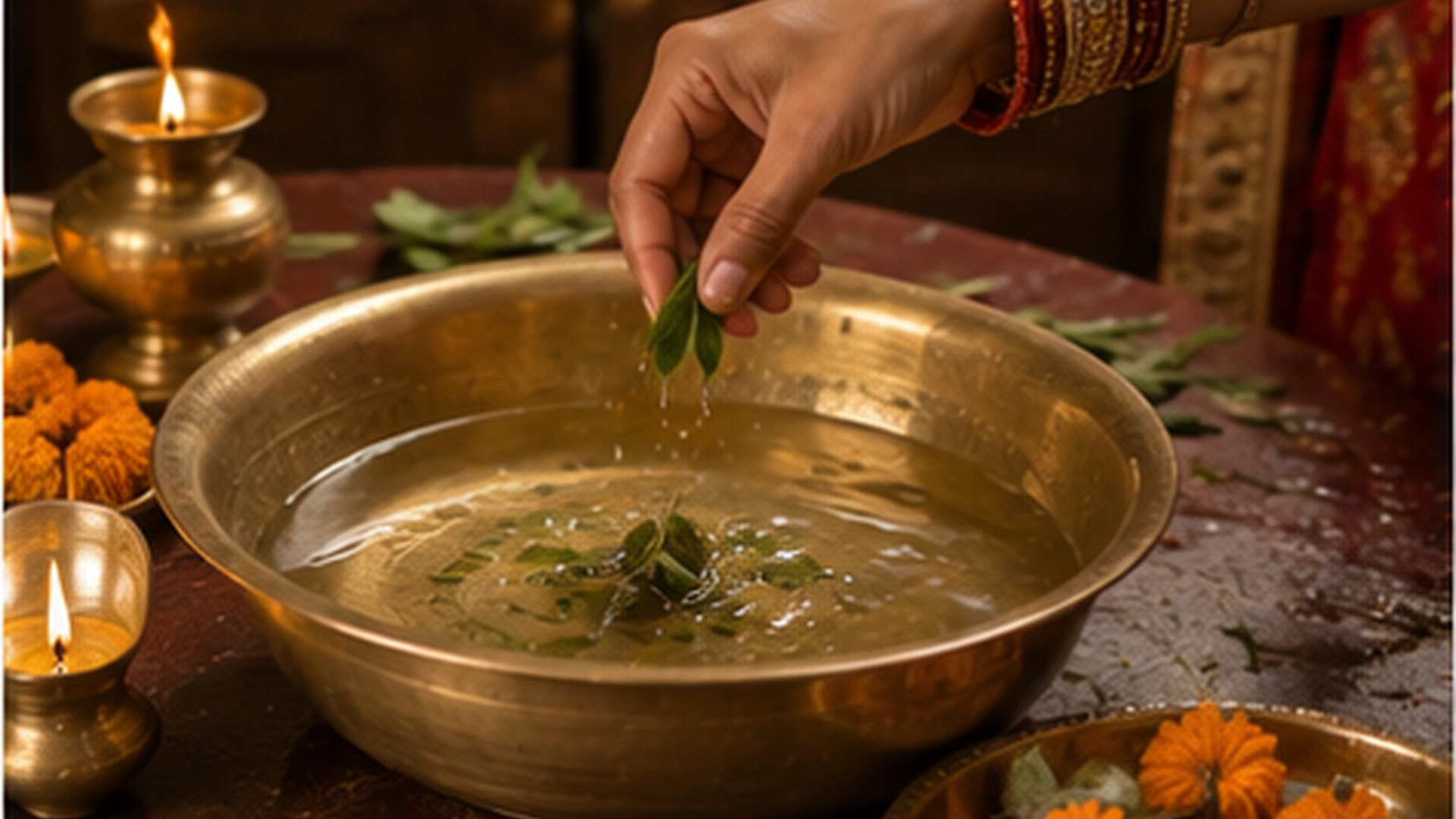
UNESCO’s 2025 heritage materials describe the annual festival as marking a new year and season in particular contexts. Preparations include cleaning and decorating homes and public spaces, lighting lamps, offering prayers, and expressing hopes for prosperity and new beginnings.
Deepavali does not have one meaning for every participant.
It is observed by Hindus, Jains, Sikhs, and some Buddhist communities, with different historical narratives, religious teachings, regional calendars, and ceremonial practices.
Cleaning may prepare the household for:
- Prayer
- Visitors
- Lamps and decorations
- Festive food
- Family gatherings
- New beginnings
- Prosperity symbolism
Writers should avoid saying, “Hindus clean their homes so a goddess will bring them money,” as though this is a complete and universal explanation.
Such wording oversimplifies both Hindu traditions and the ethical, devotional, family, and regional meanings of the festival.
Japanese Ōsōji
In Japan, ōsōji refers to a major cleaning commonly undertaken near the end of the year.
Homes, workplaces, schools, temples, or other spaces may be cleaned in preparation for the New Year. Japan House London describes ōsōji as a long-established year-end tradition through which people make a fresh start.
The practice may include:
- Removing accumulated dust
- Cleaning areas neglected during ordinary routines
- Organizing belongings
- Completing unfinished household tasks
- Preparing to welcome the New Year
- Showing respect for shared spaces
Ōsōji may have religious, historical, family, workplace, or practical dimensions.
Not every person in Japan interprets it as a spiritual ritual, and not every household follows the same schedule.
The tradition should also not be repackaged as a universal mental-health cure or a commercial decluttering method divorced from its Japanese cultural context.
Physical Cleaning and Spiritual Cleansing Are Not the Same
Physical cleaning concerns dirt, waste, insects, food residue, smoke, or environmental hazards.
Spiritual or ritual cleansing concerns a religiously defined state, moral renewal, symbolic release, or preparation for sacred participation.
The two may overlap, but one does not automatically create the other.
A spotless room may not meet a religious community’s ritual requirements.
A ritually prepared space may still contain practical health or safety hazards.
Responsible seasonal preparation considers both.
Social Cleansing Through Reconciliation
Some seasonal traditions emphasize repaired relationships as strongly as clean homes.
The Gifaataa description, for example, includes the peaceful resolution of disputes before the new year. Songkran is also associated with forgiveness and communal unity.
This does not mean harmful behaviour must be ignored.
Forgiveness should not be used to pressure victims to:
- Return to an abusive home
- Withdraw a legitimate complaint
- Cancel necessary legal action
- Give money to an exploiter
- Remain silent about violence
- Meet a dangerous person privately
Reconciliation requires accountability and safety.
Some conflicts need mediation, counselling, legal advice, safeguarding intervention, or separation rather than ceremonial reconciliation.
Common Objects and Actions in Seasonal Cleansing
Brooms and Sweeping
Sweeping removes visible dirt and can symbolize clearing away the old.
A broom used in an ordinary home should not automatically be described as a sacred ritual object.
Water
Water may wash, cool, bless, purify, or mark a transition.
Songkran, Thingyan, baptismal observances, and community water ceremonies have different meanings.
Fire and Smoke
Candles, lamps, bonfires, incense, or controlled fires may represent light, transition, prayer, or the ending of an old period.
Fire must be supervised and used according to local safety regulations.
New Clothing
New or freshly cleaned clothing may mark dignity, transformation, celebration, or readiness to enter a new period.
Food Removal and Preparation
Food may be discarded, separated, stored, replaced, or prepared according to religious rules.
This is especially important when the tradition includes dietary law rather than symbolic decluttering.
Repairs
Families may repair walls, roofs, fences, tools, furniture, shrines, or public spaces.
Repair expresses continued care rather than rejection of everything old.
Reconciliation
Apologies, mediation, debt settlement, visits, and blessings may restore social relationships.
Common Misconceptions
“Every Seasonal Cleaning Tradition Is Spiritual”
False.
Some practices are mainly practical, environmental, social, or aesthetic. Others combine practical cleaning with religious meaning.
“Spring Cleaning Has One Ancient Origin”
False.
Many communities developed recurring cleaning customs independently and according to different climates, religious calendars, and domestic needs.
“All New Year Water Festivals Mean the Same Thing”
False.
Songkran, Thingyan, and other water festivals have distinct national, religious, and community histories.
“African Cleansing Traditions Are All Private Rituals”
False.
Some involve visible public activities such as sweeping streets, cleaning communal areas, resolving disputes, gathering families, and holding public festivals.
“Passover Cleaning Means Cleaning Everything in the House”
Not necessarily.
The religious obligation focuses on chametz and the areas in which it may be present. Excessive household cleaning should not be confused automatically with the legal requirements of Passover.
“Cleaning Removes Every Misfortune”
False.
Cleaning may provide order, comfort, religious meaning, or social renewal, but it does not guarantee wealth, health, protection, fertility, or freedom from future hardship.
“Old Objects Must Always Be Thrown Away”
False.
Many traditions preserve heirlooms, religious objects, tools, clothing, documents, and family possessions.
Renewal does not require destroying cultural memory.
Safety During Seasonal Cleaning
Large cleaning projects can involve chemicals, ladders, heavy furniture, smoke, sharp objects, unsafe waste, or contaminated water.
Never Mix Cleaning Products
Bleach should not be mixed with ammonia, acids, or other household cleaners.
The CDC warns that mixing cleaners can release dangerous fumes. Cleaning products should be used according to their labels, with ventilation and suitable protective equipment where required.
Ventilate Indoor Spaces
Open windows and doors where practical when using products that release fumes.
People with asthma, respiratory illness, allergies, or chemical sensitivity may need safer alternatives or assistance.
Use Ladders Carefully
Do not stand on unstable furniture.
Use a suitable ladder on a level surface and avoid carrying heavy objects while climbing.
Avoid Uncontrolled Burning
Burning rubbish, plastics, painted wood, treated materials, or household chemicals creates dangerous smoke and environmental pollution.
Smoke exposure can irritate the eyes and respiratory system and contribute to serious health risks.
Supervise Children
Children should not handle:
- Strong chemicals
- Open flames
- Sharp tools
- Heavy furniture
- Contaminated waste
- Deep water
- Unstable ladders
Protect Sacred and Historical Objects
Do not wash, repaint, polish, burn, or chemically treat an inherited or sacred object without expert advice.
Cleaning can permanently damage wood, textiles, metal, parchment, paint, photographs, and ritual materials.

Environmental Responsibility
Seasonal cleaning can create large amounts of waste.
A respectful renewal tradition should not transfer household disorder into public roads, wetlands, rivers, or neighbouring land.
Responsible preparation may include:
- Repairing rather than automatically discarding
- Donating usable items
- Separating recyclable materials
- Using approved waste collection
- Avoiding open burning
- Protecting water sources
- Reducing single-use decorations
- Avoiding toxic substances
- Cleaning public areas without damaging plants or heritage sites
Community cleaning is most effective when local authorities provide safe collection points, protective equipment, drainage systems, toilets, and reliable waste services.
Cultural Privacy and Restricted Knowledge
Some seasonal ceremonies are public. Others contain restricted prayers, sacred objects, or actions limited to particular office-holders.
Public education may explain:
- When the festival occurs
- Its general purpose
- Who participates
- Public cleaning activities
- The role of family reunion
- Its historical context
- How the tradition is changing
It may be inappropriate to publish:
- Restricted invocations
- Initiatory formulas
- Private shrine procedures
- Sacred names not intended for outsiders
- Confidential divination results
- Images taken without permission
- Detailed instructions for recreating a ceremony
A public festival is not automatically public in every detail.
How Seasonal Traditions Change
Seasonal cleansing practices adapt when families move into:
- Apartments
- Cities
- Diaspora communities
- Shared accommodation
- Refugee settlements
- University residences
- Interfaith households
- Homes with limited water
- Areas without reliable waste collection
A family may replace a village-wide activity with a household gathering.
Relatives may join through video calls. Community associations may organize urban clean-up days. Religious leaders may modify ceremonies because of water shortages, public-health concerns, or environmental rules.
Adaptation does not automatically make a tradition inauthentic.
However, modern additions should be identified honestly rather than advertised as unchanged ancient customs.
Key Takeaways
- Seasonal cleansing traditions mark important boundaries in time.
- They may occur before a New Year, harvest, festival, rainy season, or religious observance.
- Cleansing may involve homes, streets, bodies, food, objects, relationships, or community spaces.
- The Wolaita Gifaataa festival connects environmental cleaning with family return and reconciliation.
- Hogbetsotso includes public purification and community cleaning in an Anlo Ewe context.
- Nowruz house cleaning prepares households for spring and New Year visits.
- Passover preparation is specifically concerned with chametz, not generic perfectionist cleaning.
- Songkran and Thingyan use water to express New Year renewal within different traditions.
- Deepavali cleaning and decoration occur within diverse religious and regional contexts.
- Japanese ōsōji creates a practical and symbolic fresh start at year’s end.
- Seasonal cleansing does not guarantee protection, wealth, healing, or the removal of every misfortune.
- Cleaning products, smoke, flames, ladders, waste, and water require practical safety precautions.
- Restricted ceremonies should not be copied or published without authorization.
- Environmental responsibility should be part of community renewal.
People Also Ask
What is a seasonal cleansing tradition?
It is a recurring practice performed at a particular time of year to clean, prepare, renew, or restore a person, home, relationship, or community.
Why do people clean before New Year festivals?
Cleaning creates a visible break from the previous year, prepares the home for visitors, and expresses readiness for a new beginning.
Are seasonal cleansing traditions always religious?
No. They may be religious, cultural, practical, environmental, social, or a combination of these.
What are examples of African seasonal cleansing traditions?
Examples include environmental cleaning and reconciliation before the Wolaita Gifaataa festival and community purification and street cleaning connected with Hogbetsotso in Ghana.
Why is water used in New Year festivals?
Water can symbolize washing away the old period, renewal, blessing, respect, and preparation for a new beginning.
Frequently Asked Questions
1. What do seasonal cleansing traditions symbolize?
They may symbolize renewal, preparation, hospitality, reconciliation, purification, environmental care, or movement into a new period.
2. Is seasonal cleansing the same as spiritual cleansing?
No. Seasonal cleansing may include practical household or community work, while spiritual cleansing has a specifically religious or symbolic purpose.
Frequently Asked Questions
What should readers know first about african spirituality and cultural history?
African spirituality and cultural history: Read clear guidance, key signs, practical steps, and private support from Ancestral Temple.
What causes Seasonal Cleansing Traditions?
The safest next step is to compare the signs, prepare clear details, and request private guidance when the matter feels personal.
How does Seasonal Cleansing Traditions work?
The safest next step is to compare the signs, prepare clear details, and request private guidance when the matter feels personal.
Is it possible to get private guidance for Seasonal Cleansing Traditions?
The safest next step is to compare the signs, prepare clear details, and request private guidance when the matter feels personal.
How long does Seasonal Cleansing Traditions take to understand?
The safest next step is to compare the signs, prepare clear details, and request private guidance when the matter feels personal.
Can Seasonal Cleansing Traditions affect relationships, family, work, or personal peace?
The safest next step is to compare the signs, prepare clear details, and request private guidance when the matter feels personal.
Why do people seek spiritual guidance for Seasonal Cleansing Traditions?
The safest next step is to compare the signs, prepare clear details, and request private guidance when the matter feels personal.
What signs should someone notice before asking about Seasonal Cleansing Traditions?
The safest next step is to compare the signs, prepare clear details, and request private guidance when the matter feels personal.
When should someone contact a private spiritual guide?
The safest next step is to compare the signs, prepare clear details, and request private guidance when the matter feels personal.
What causes african spirituality and cultural history?
African spirituality and cultural history: Read clear guidance, key signs, practical steps, and private support from Ancestral Temple. The safest next step is to compare the signs, prepare clear details, and request private guidance when the matter feels perso
Article Information
- Publisher
- Ancestral Temple
- Editor
- Ancestral Temple
- Last updated
- Jul 26, 2026
- Last reviewed
- Jul 13, 2026
- Content version
- b27c80bdce
This educational article should be read as cultural and spiritual information, not as medical, legal, financial, or emergency advice.
Helpful Related Guidance
Explore This Topic
African Spirituality And Cultural History · Cleansing Before New Beginnings
Related Topic Cluster
African Spirituality And Cultural History
Complete Guide Why Homes Have Been Blessed Throughout HistoryAbout the Author
 Ancestral Temple
Spiritual guide and practitioner with decades of experience in ancestral wisdom, rituals, and divine guidance.
Related Posts
View All


Leave a Comment
We'd love to hear your thoughts.
This is a strong foundation for a larger topic cluster about New Year and seasonal traditions.
I appreciated the focus on safe waste disposal during community cleaning.
The FAQ section answered the main questions I had about this topic.
The image placements should make the long article easier to read.
Thank you for including the role of blessings from elders during Gifaataa.
The article gave a balanced view of seasonal renewal without presenting it as a cure for every problem.
The difference between symbolic washing and physical hygiene was handled carefully.
I would like an article focused on how children learn festival preparation from elders.
I enjoyed the explanation of Japanese ōsōji and the idea of completing unfinished household work.
The Deepavali section respected the diversity of the communities that celebrate it.
This topic will connect well with articles about water symbolism and house blessings.
The warning about preserving old photographs, textiles, and inherited objects was helpful.
I learned that seasonal cleansing can follow religious and agricultural calendars, not only weather.
The article avoided sensational language and supernatural promises.
Could you create a related article about harvest festivals and environmental renewal?
The discussion of repairing rather than discarding everything was valuable.
I liked that the article included practical safety alongside cultural respect.
The section on how traditions change in apartments and diaspora communities was relatable.
The article clearly separated ordinary household objects from sacred ceremonial objects.
Please write a future guide about cleaning and preparing family shrines respectfully.
I appreciated that community cleaning was presented as meaningful cultural work rather than background activity.
The article would be helpful for students studying living heritage and festival traditions.
The Nowruz section explained the meaning of house preparation very well.
I liked the reminder that forgiveness should never be used to pressure people to return to unsafe situations.
The glossary definitions were concise and useful.
Could you write more about seasonal traditions connected with the rainy season?
I appreciated the warning that seasonal cleaning cannot guarantee freedom from misfortune.
The article was detailed but still easy to read on a mobile phone.
I liked the environmental responsibility section, especially the warning about open waste burning.
The comparison between Songkran and Thingyan was respectful without treating them as identical.
Please consider writing about New Year traditions in different Nigerian communities.
The section about reconciliation showed that cleansing can be social as well as physical.
The article made a useful distinction between cultural customs and religious obligations.
The Gifaataa section could become a detailed article of its own.
I appreciated the explanation that Passover preparation is about chametz and not simply making every room spotless.
The safety advice about cleaning chemicals was important.
I would like a separate article about how West African communities prepare for major festivals.
The section about public health and Fetu Afahye was thoughtful and balanced.
Could you write a future article about annual community cleaning traditions in Uganda?
The article gave enough examples without claiming they all have the same origin.
I liked the point that seasonal traditions do not always follow the four seasons used in temperate climates.
The distinction between ritual purification and practical cleaning was explained clearly.
Thank you for presenting Gifaataa as a specific Wolaita tradition rather than a general Ethiopian New Year custom.
The Hogbetsotso section was especially useful because it connected historical remembrance with public cleaning.
I appreciated the explanation that seasonal cleansing can involve relationships and community spaces, not only houses.