
Seasonal Festivals Explained
Pillar Article
Quick Summary
Discover how communities mark harvests, spring, rainfall, new years, pastoral cycles, and other seasonal transitions through food, prayer, music, dance, blessings, and shared responsibility.
Seasonal Festivals Explained describes a culturally specific topic that should not be reduced to one universal African belief or practice. The article explains meaning, context and variation across communities while avoiding broad claims about all cultures or all practitioners.
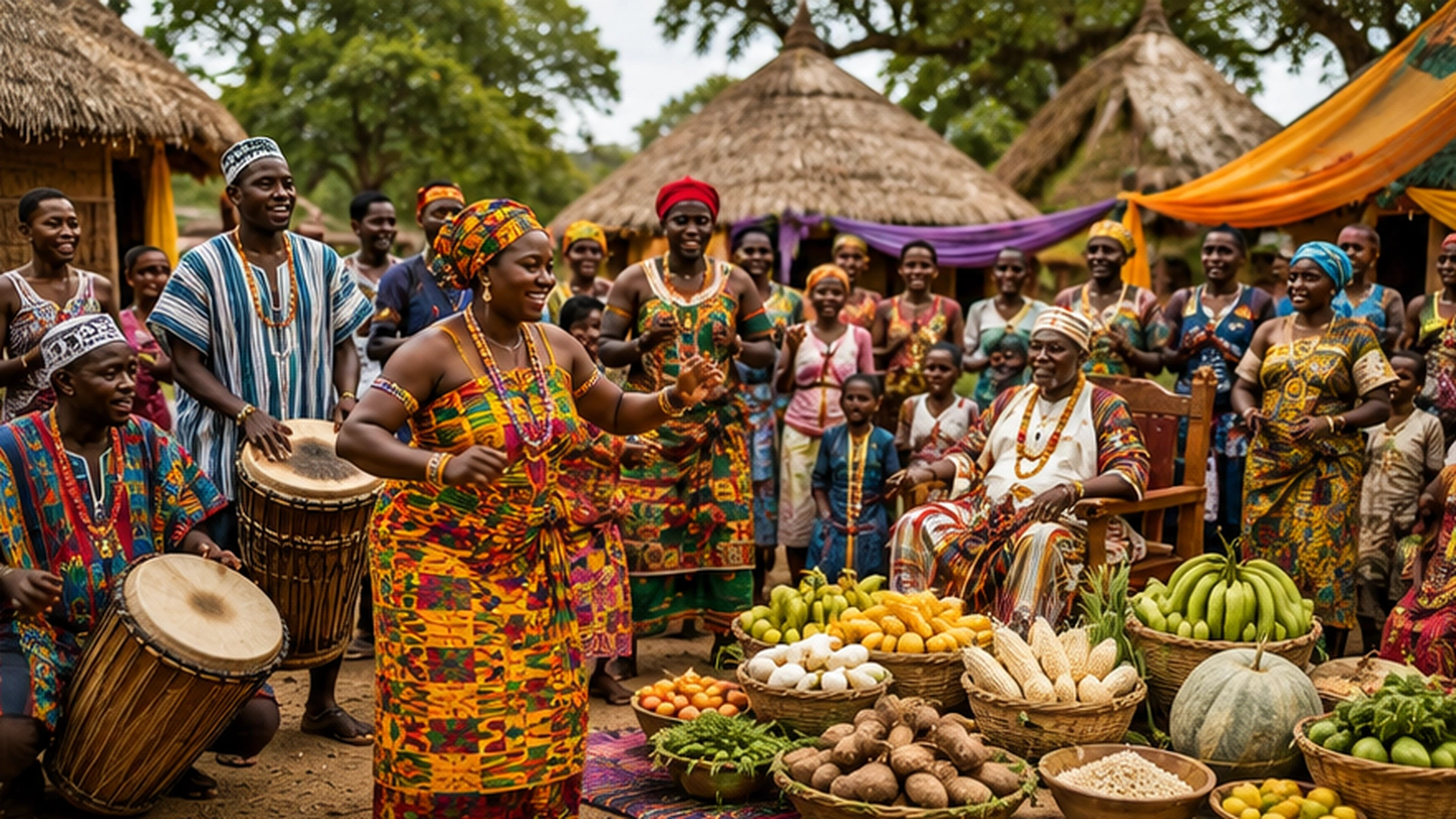
Seasonal festivals are community celebrations connected with recurring changes in the environment, agricultural calendar, religious year, or social cycle.
They may mark:
- The beginning of spring
- The arrival of rain
- The end of a rainy season
- The first harvest
- The final harvest
- A new agricultural year
- The movement of livestock
- A fishing season
- An equinox or solstice
- The return of a culturally important plant, animal, or food
- A religious date that falls within a seasonal transition
A seasonal festival is not simply a party held during a particular month. Its meaning may come from the relationship among land, climate, labor, food, family, spiritual belief, memory, and community responsibility.
UNESCO describes social practices, rituals, and festive events as forms of living heritage that may mark the passing of seasons, agricultural events, and important stages of communal life. These occasions often include music, dance, food, oral traditions, crafts, prayer, public performance, and the renewal of social relationships.
There is no universal seasonal festival.
The Wolaita New Year festival in Ethiopia, Benin’s Yam Festival, Nowruz across parts of Asia and the Middle East, Songkran in Thailand, Ganggangsullae in Korea, and Deepavali in India belong to different histories and belief systems.
They should not be combined into one imagined global ritual.
Key Points
Seasonal festivals may help communities:
- Give thanks for food and rainfall
- Mark the beginning or end of an agricultural cycle
- Welcome a new year
- Renew relationships
- Honor elders or ancestors
- Share harvested food
- Teach children traditional knowledge
- Coordinate farming, fishing, or livestock activities
- Celebrate ecological change
- Remember religious or historical events
- Reinforce identity through language, clothing, music, and dance
- Support local markets, artists, farmers, and craftspeople
Common elements include:
- Shared meals
- Processions
- Blessings
- Music
- Dance
- Storytelling
- Special clothing
- Harvest displays
- Water
- Fire or lamps
- Flowers and plants
- Community cleaning
- Gift exchange
- Charity
- Games and competitions
The meaning of each element depends on the community that practices it.
What Is a Seasonal Festival?
Clear Definition
A seasonal festival is a recurring community celebration linked with an environmental, agricultural, astronomical, religious, or social transition within the year.
Plain-Language Meaning
It is a way for people to recognize that one period has ended and another has begun.
A community may be saying:
- “The rains have arrived.”
- “The harvest is ready.”
- “The cold season is ending.”
- “The new agricultural year is beginning.”
- “The cattle can move to another grazing area.”
- “It is time to thank those who helped produce the food.”
- “Families should reunite.”
- “We must remember our obligations to one another.”
Why Seasons Are Not the Same Everywhere
The familiar four-season model of spring, summer, autumn, and winter does not describe every environment equally well.
Earth’s axial tilt produces astronomical seasons and opposite seasonal timing in the Northern and Southern Hemispheres. Meteorological seasons are instead grouped according to annual temperature patterns.
Near the equator, communities may organize the year more meaningfully around:
- Rainy and dry seasons
- Flooding and river levels
- Planting and harvesting
- Pasture availability
- Fishing conditions
- Monsoon cycles
- Flowering or fruiting periods
A festival described as a “spring festival” in one region may have no direct equivalent in an equatorial or Southern Hemisphere community.
Ecological Seasons
An ecological season is recognized through changes in the local environment rather than a fixed international date.
Indicators may include:
- First rains
- Returning birds
- New grass
- Flowering trees
- Ripening crops
- River flooding
- Fish migration
- Livestock births
- Temperature change
Seasonal knowledge is therefore place-specific.
Why Communities Developed Seasonal Festivals
1. To Organize Agricultural Time
Farming requires coordination.
Communities need to know when to:
- Prepare fields
- Plant
- Weed
- Harvest
- Store food
- Move livestock
- Repair tools
- Share labor
A festival can create a public marker that everyone recognizes.
2. To Give Thanks
Harvest festivals frequently express gratitude toward:
- God or divinities
- Ancestors
- Elders
- Farmers
- Rain
- Land
- Livestock
- Family members
- Community laborers
Thanksgiving does not have one universal religious meaning.
Frequently Asked Questions
What should readers know first about Seasonal festivals explained?
Seasonal festivals explained: Discover how communities mark harvests, spring, rainfall, new years, pastoral cycles, and other seasonal transitions through foo
What causes Seasonal festivals explained?
Discover how communities mark harvests, spring, rainfall, new years, pastoral cycles, and other seasonal transitions through food, prayer, music, dance, blessings, and shared responsibility. The safest next step is to compare the signs, prepare clear details,
How does Seasonal festivals explained work?
Discover how communities mark harvests, spring, rainfall, new years, pastoral cycles, and other seasonal transitions through food, prayer, music, dance, blessings, and shared responsibility. The safest next step is to compare the signs, prepare clear details,
Is it possible to get private guidance for Seasonal festivals explained?
Discover how communities mark harvests, spring, rainfall, new years, pastoral cycles, and other seasonal transitions through food, prayer, music, dance, blessings, and shared responsibility. The safest next step is to compare the signs, prepare clear details,
How long does Seasonal festivals explained take to understand?
Discover how communities mark harvests, spring, rainfall, new years, pastoral cycles, and other seasonal transitions through food, prayer, music, dance, blessings, and shared responsibility. The safest next step is to compare the signs, prepare clear details,
Can Seasonal festivals explained affect relationships, family, work, or personal peace?
Discover how communities mark harvests, spring, rainfall, new years, pastoral cycles, and other seasonal transitions through food, prayer, music, dance, blessings, and shared responsibility. The safest next step is to compare the signs, prepare clear details,
Why do people seek spiritual guidance for Seasonal festivals explained?
Discover how communities mark harvests, spring, rainfall, new years, pastoral cycles, and other seasonal transitions through food, prayer, music, dance, blessings, and shared responsibility. The safest next step is to compare the signs, prepare clear details,
What signs should someone notice before asking about Seasonal festivals explained?
Discover how communities mark harvests, spring, rainfall, new years, pastoral cycles, and other seasonal transitions through food, prayer, music, dance, blessings, and shared responsibility. The safest next step is to compare the signs, prepare clear details,
When should someone contact a private spiritual guide?
Discover how communities mark harvests, spring, rainfall, new years, pastoral cycles, and other seasonal transitions through food, prayer, music, dance, blessings, and shared responsibility. The safest next step is to compare the signs, prepare clear details,
Article Information
- Publisher
- Ancestral Temple
- Editor
- Ancestral Temple
- Last updated
- Jul 26, 2026
- Last reviewed
- Jul 13, 2026
- Content version
- 4dd2ef6866
This educational article should be read as cultural and spiritual information, not as medical, legal, financial, or emergency advice.
Helpful Related Guidance
Explore This Topic
Seasonal Festivals Explained · Harvest Celebrations Across Cultures
Related Topic Cluster
Seasonal Festivals Explained
Complete Guide Understanding African Spiritual Traditions: A Historical IntroductionAbout the Author
 Ancestral Temple
Spiritual guide and practitioner with decades of experience in ancestral wisdom, rituals, and divine guidance.
Related Posts
View All
Leave a Comment
We'd love to hear your thoughts.
This was comprehensive without encouraging readers to copy sacred ceremonies.
Are there recommended museum collections for studying seasonal festivals online?
The article showed why similar festival elements can have completely different meanings.
A future article about traditional harvest foods would be interesting.
I liked the idea that festivals can renew relationships as well as mark environmental change.
Strong overview connecting seasons with farming, family, food, religion, and community identity.
The misconceptions section corrected several claims I have seen online.
The tone remained neutral while explaining cultural and religious differences.
The family seasonal tradition idea was practical and respectful.
I appreciated that no invented universal African harvest ritual was included.
More information about women who preserve seasonal food traditions would make a good follow-up.
The difference between a festival near an equinox and an astronomical festival was useful.
The strongest lesson was that the local environment gives a seasonal festival its meaning.
The article respected religious belief while avoiding guaranteed claims.
I liked that adaptation was not automatically treated as loss of authenticity.
The tourism section raised important questions about who controls a festival.
Could you write next about rainy-season festivals in African communities?
The short paragraphs and lists worked well on mobile.
The sections were detailed but still easy to navigate.
This is useful for students of culture, agriculture, history, and anthropology.
Thank you for including safety, children, and animal-welfare guidance.
The Sarawja example showed how a rainy-season transition can combine with a religious calendar.
I appreciated the reminder that public visibility does not give outsiders authority to copy ceremonies.
A future comparison of harvest New Year festivals would be interesting.
The glossary made terms such as living heritage and ecological season easy to understand.
The article clearly explained how festivals teach children through participation.
I liked the point that food redistribution can be an important social function.
The Jeju sea and harvest example broadened the meaning of seasonal festivals.
This was educational without turning the festivals into one universal spiritual system.
The Ganggangsullae section showed how women’s performance can preserve seasonal heritage.
I would like a detailed article about Gifaataa and Wolaita cultural history.
The explanation of ecological seasons is useful for regions near the equator.
I appreciated the warning against treating traditional clothing as costume.
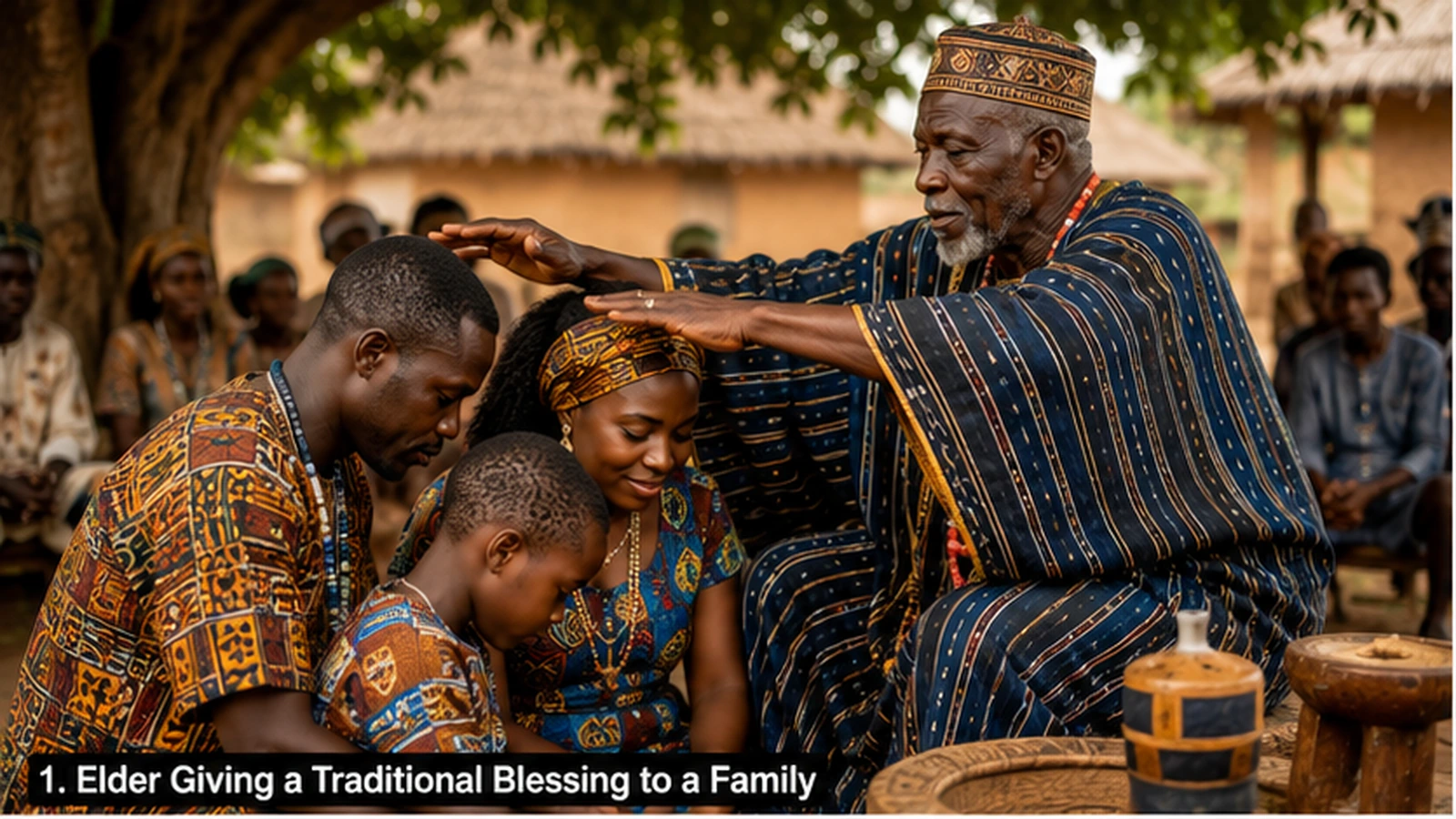
The section about elders and blessings was especially meaningful.
The article explained that a seasonal festival may be religious, cultural, or both.
I liked that Thingyan and Songkran were connected historically but not treated as identical.
The Songkran section helped separate respectful water traditions from public water play.
A complete article about seasonal festivals in East Africa would be useful.
The Nowruz section clearly explained why it belongs to several countries and communities.
The article respected harvest traditions without promising supernatural control over crops.
I did not know that Benin’s Yam Festival involved identity and ancestral continuity as well as food.
The Gifaataa section showed how harvest and New Year can be part of the same festival.
I liked that African seasonal festivals were identified by community instead of being generalized.
The difference between astronomical, meteorological, and ecological seasons was very helpful.
I appreciated the explanation that seasons are not understood in the same way everywhere.