
Land Blessing Rituals: Meaning, Offerings and Cultural Traditions
Pillar Article
Quick Summary
Land blessing rituals are ceremonies that acknowledge a relationship between people and a particular place. They may be held before building a house, opening a road, cultivating a...
Land blessing rituals are ceremonies that acknowledge a relationship between people and a particular place. They may be held before building a house, opening a road, cultivating a field, restoring a damaged landscape, dedicating a public facility or beginning a community project. Depending on the tradition, the ceremony may ask for divine blessing, seek permission from the earth, address ancestors or local spiritual beings, remove ritual restriction, pray for worker safety, or publicly commit the community to care for the land.
There is no single ancient land blessing that belongs to every culture. African libation traditions, Hindu Bhumi Puja, Japanese Shinto jichinsai, Māori karakia and Christian foundation blessings have different histories, religious authorities, words, offerings and ideas about what makes a place ready for use. Their similarities—gratitude, prayer, offerings, first digging and shared food—should not erase those differences. UNESCO describes knowledge concerning nature as community-developed practices and worldviews shaped through long interaction with particular environments. That connection to place is why a ceremony cannot be separated from the people authorized to conduct it. [1–4]
This guide explains documented examples, the meanings of common offerings and the ethical boundaries that matter today. It does not provide secret ritual knowledge, guarantee spiritual or financial results, or replace local law, land rights, engineering, environmental review or professional safety planning.
Quick Answer
A land blessing ritual is a culturally or religiously defined ceremony that marks a new relationship with a site. It may include prayer, libation, food, flowers, grains, salt, purification, a first cut or first digging, and a commitment to responsible use. The correct form depends on the community, faith, land custodians and purpose; there is no universal offering list or guaranteed outcome.
What Is a Land Blessing Ritual?
A land blessing ritual is a formal act that marks how a person or community intends to enter, use or transform a place. The phrase is broad. In one setting it may mean asking God to bless a foundation stone. In another it may mean purifying a construction site and presenting offerings to the kami associated with the locality. Elsewhere it may involve libation to ancestors, a karakia led by mana whenua, worship of the earth as Bhumi Devi, or prayers at a sacred natural site.
The ritual therefore does more than make people “feel positive.” It establishes relationships and responsibilities. It can recognize that the site has a history, that other people have authority there, that construction disturbs soil and ecosystems, and that the project will affect workers, neighbours and future generations. Sacred-natural-site research also shows that religious value and ecological stewardship are often connected; custodians may protect places precisely because those places are spiritually significant. [2–4]
A useful definition must include four parts: a specific place, a recognized authority or community, a purpose, and an action that publicly expresses respect or dedication. Without those elements, the term can become a vague label applied to unrelated decorations or commercial “cleansing” products.
Why Communities Bless Land
Communities bless land for different reasons. Common purposes include seeking safety before excavation, acknowledging ancestors, asking forgiveness for disturbing soil, removing ritual restriction, dedicating a site to worship or public service, marking lawful possession or community consent, and celebrating a new beginning.
Construction rites often focus on the danger and uncertainty of building. Japanese jichinsai explicitly asks that work proceed safely and smoothly and that the finished structure be sound. Hindu Bhumi Puja expresses respect toward the earth before digging or laying foundations. Christian foundation rites ask for blessing on the work and treat the physical building as a sign of a community’s spiritual purpose. [9–12, 16]
Other ceremonies emphasize relationship rather than construction. Māori karakia may be used when dedicating or blessing an area for a particular purpose and when removing tapu so the place can become noa, meaning free from the relevant restriction. African libation practices can connect living participants with ancestors, divinities and the environment while affirming community continuity. [5–7, 13–15]
What Do Offerings Mean in a Land Blessing?
An offering is not simply an object placed on the ground. Its meaning comes from who presents it, to whom it is addressed, the words spoken, the occasion and the rules of the tradition. The same material—water, grain, flowers or alcohol—can mean hospitality in one context, purification in another and ancestral remembrance in another.
Offerings may express gratitude, request permission, establish reciprocity, feed or welcome spiritual beings, represent the produce of the land, or mark a commitment. In some traditions the most important “offering” is an action: the first cut of grass, the first turn of soil, a prayer, a song, a shared meal, planting a tree, donating labour or agreeing to protect water and vegetation.
It is inaccurate to say that a particular offering automatically attracts prosperity or removes danger. Religious communities may believe an offering has spiritual efficacy, but the article must distinguish belief from scientific evidence. A ceremony also cannot replace safe construction practices, legal title, environmental assessment, archaeology review, public consultation or informed consent.
Common Offering Categories and Their Contexts
| Offering or action | Possible meanings | Documented contexts | Responsible caution |
|---|---|---|---|
| Water or libation | Life, hospitality, remembrance, communication or purification | African libations; ritual sprinkling; place dedication | Use only a small amount and never contaminate soil or waterways. |
| Grains, fruit or prepared food | Harvest, sustenance, gratitude and sharing | Hindu puja; Shinto food offerings; communal meals | Do not leave food that harms wildlife or creates litter. |
| Flowers, leaves or branches | Beauty, welcome, seasonality and reverence | Many public religious ceremonies | Use locally appropriate, non-invasive and legally gathered plants. |
| Salt or salt water | Purification and boundary marking | Shinto preparatory purification | Salt can damage plants and soil; use symbolically and sparingly. |
| Incense or smoke | Prayer, fragrance, purification or invitation | Some Hindu, Christian, Buddhist and local traditions | Respect fire rules, allergies and air quality; smoke is not universal. |
| First digging or foundation stone | Beginning, permission and dedication | Jichinsai, Bhumi Puja and Christian foundation rites | Coordinate with builders and keep ceremonial tools separate from unsafe work. |
| Tree planting or restoration work | Continuity, memory and stewardship | Modern community ceremonies; some specific cultural rites | Choose native or suitable species and plan long-term care. |
| Shared food after the rite | Relationship, welcome and transition | Māori civic ceremonies and many community traditions | Follow local protocol and food-safety requirements. |
African Land, Libation and Ancestral Relationship
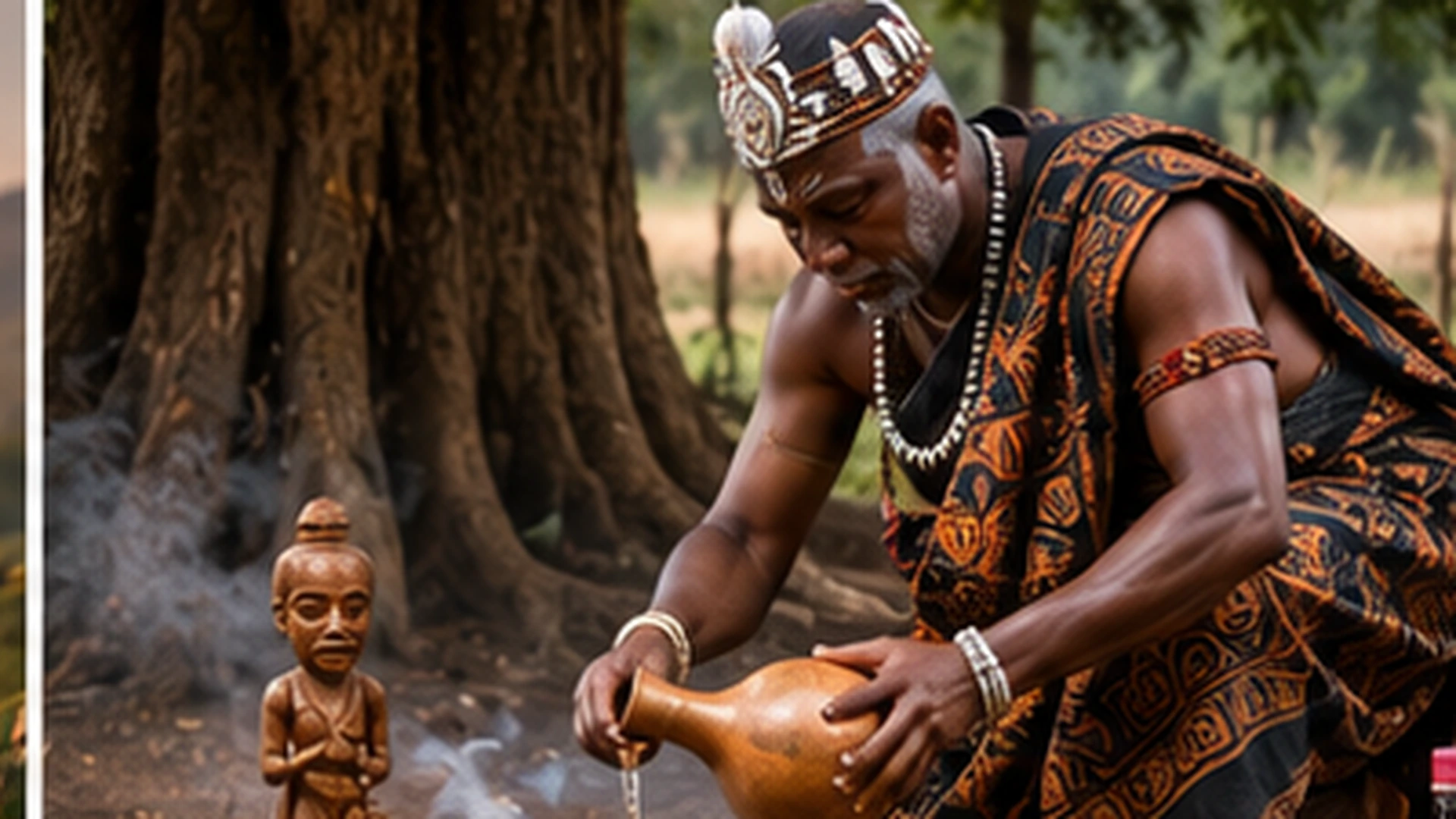
Africa does not have one land blessing ritual. The continent contains thousands of communities, languages and religious histories. A ritual associated with the Mafi-Ewe of Ghana should not be presented as a Buganda, Yoruba, Kongo or South African ceremony. The safest way to discuss African examples is to identify the community and explain only what reliable sources make public.
Among the Kiong-speaking Okoyong people of southeastern Nigeria, researchers describe libation as a culturally coherent performance that invokes supernatural powers, connects the living with ancestors and supports social transitions and community security. A study of the Mafi-Ewe of Ghana likewise found that chiefs, priests and elders pour libation at festivals, funerals, naming ceremonies and other important gatherings to connect with ancestors and ask for blessing on the occasion. [5,7]
Libation can include pouring a liquid while naming or addressing ancestors, divinities or the Creator. The particular liquid, order of invocation, language and authorized speaker vary. Kimani Nehusi’s study of libation describes it as an offering connecting living people, ancestors, divinities, the Creator and the environment; that broad interpretation is useful, but it should not be used to erase local differences. [6]
In Uganda, cultural relationships with land are also expressed in many ways that are not generic “land blessings.” UNESCO’s account of the Empaako naming tradition in western Uganda notes that a tree is planted in the child’s honour after the naming and shared meal. That is a specific naming practice, not a script for blessing property, but it demonstrates how identity, family continuity and a living place can be joined in ceremony. [8]
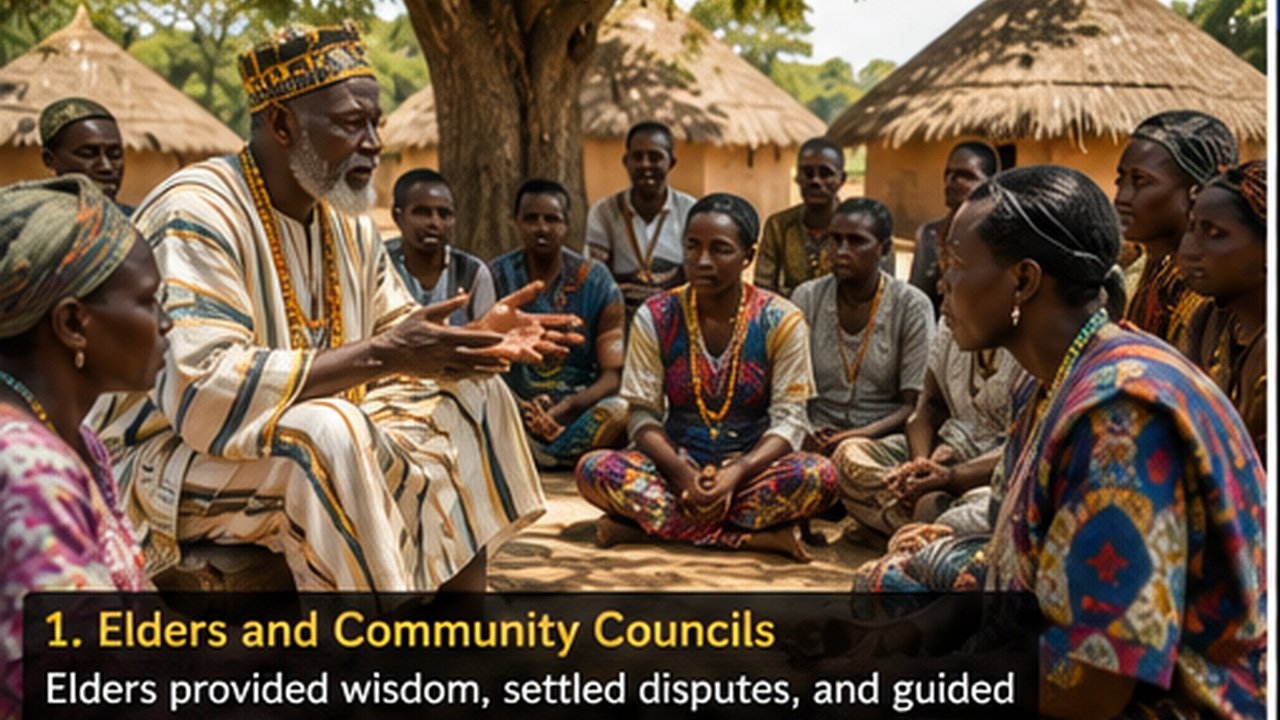
A responsible African land ceremony therefore begins by identifying the community connected to the place and asking who has authority to speak. An elder, clan leader, priest, family head or other custodian may lead, depending on the tradition. Outsiders should not invent an “African” chant, mix symbols from unrelated peoples or assume that alcohol, animal sacrifice or particular herbs are required.
Hindu Bhumi Puja Before Construction
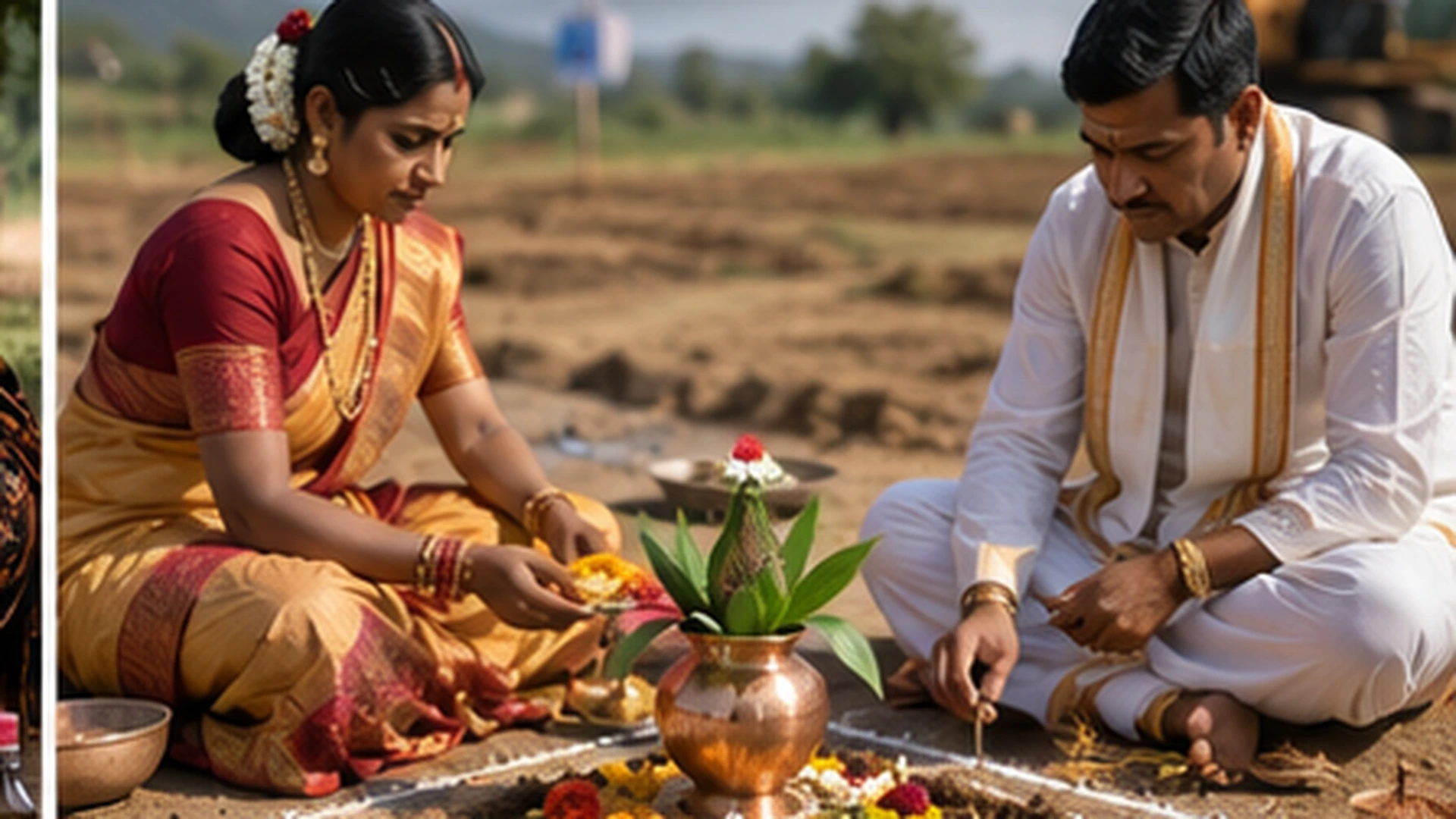
Bhumi Puja, also written Bhoomi Pooja or Bhoomi Pujan, is a Hindu ceremony associated with honouring the earth before construction, excavation or foundation work. Bhumi or Bhudevi personifies the earth in Hindu religious thought. Scholarship on South Indian ritual describes asking forgiveness from the earth for daily human disturbance, while accounts of Bhoomi Pujan show the ceremony preceding architectural or archaeological work. [9–10]
The rite varies by region, family, temple tradition and priestly practice. A formal ceremony may include a sankalpa or statement of purpose, invocation of Ganesha and other deities, worship of Bhumi, mantras, water, flowers, turmeric, kumkum, grains, fruit, a lamp, incense, a coconut or a first excavation. These are common examples, not a fixed universal checklist. Contemporary public projects in India still use the term Bhoomi Pujan for official groundbreaking ceremonies. [10]
The central idea is often respect and permission: construction will cut, dig and load the earth, so the household or institution marks that disturbance before work begins. Some participants understand the rite as seeking auspiciousness, protection and prosperity. Those are religious beliefs, not guarantees that a building will be structurally safe or financially successful.
People wishing to hold a Bhumi Puja should consult a priest or knowledgeable family member from their own tradition. Copying mantras phonetically from a commercial webpage can introduce mistakes and flatten regional differences. The practical project should still complete land-title checks, utility marking, geotechnical assessment, permits and safety planning.
Japanese Shinto Jichinsai: Ground Purification and Safe Building
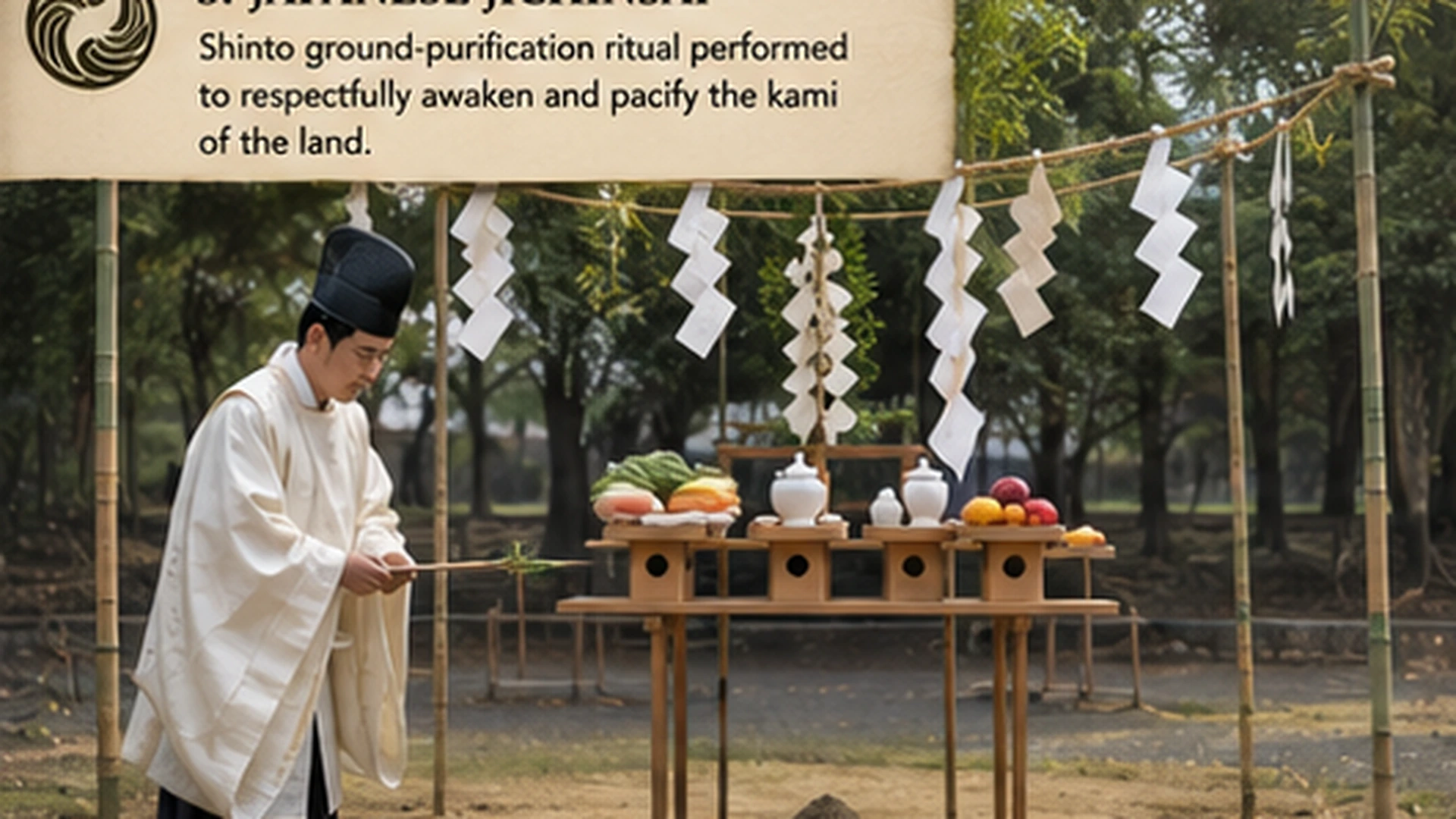
Jichinsai is a documented Shinto ground-purification rite performed before civil engineering or architectural work. The Encyclopedia of Shinto explains that the ceremony prays for work to proceed safely and smoothly and for the completed structure to be free from problems. The prayer is directed to the kami associated with the locality or the protector of the land. [11]
A typical sequence includes preparatory hand washing, purification, inviting the kami, presenting food and drink, reciting a norito prayer, purifying the site and performing symbolic first actions such as cutting grass and breaking ground with pure tools. An article of enshrinement may later be buried. Salt water is also used in preparatory purification according to Shinto ritual guidance. [11–12]
The offerings and ritual roles are not decorative props. A Shinto priest normally leads the ceremony, and the site altar, branches, food, drink, tools and movements have defined ritual functions. Modern Japanese society may sometimes regard jichinsai as customary as well as religious, particularly because builders and workers value the sense of safety and proper beginning it provides.
People outside Shinto should not recreate the ceremony from photographs. A project in Japan can contact a local shrine or priest. Elsewhere, a person can appreciate the values of safety, gratitude and a deliberate beginning without claiming to perform jichinsai.
Māori Karakia, Mana Whenua and Blessing a Place
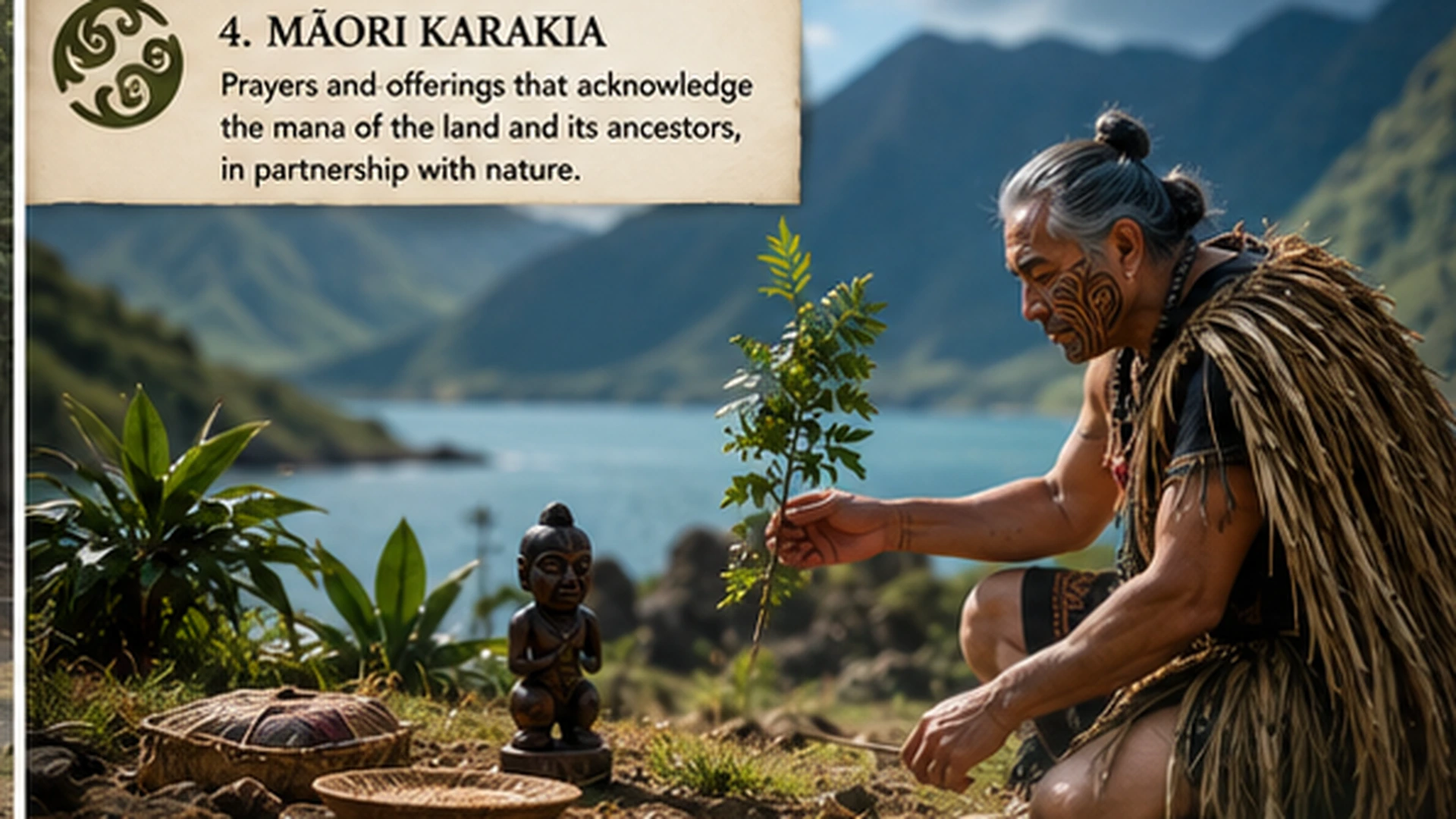
In Aotearoa New Zealand, karakia may be used to dedicate or bless an area for a particular purpose, open or reopen a facility, begin or complete a project, or remove tapu so a place becomes noa and can be used normally. Auckland Council guidance states that such blessings may be conducted when mana whenua or the council decides one is needed and that the form is determined by the person leading it. [13]
Mana whenua refers to authority and relationship associated with tribal land. That authority is not created by inviting any Māori speaker to recite a generic prayer. Appropriate engagement begins with the iwi or hapū connected to the place and follows local tikanga. Te Ara explains that karakia historically depended on the words and the mana of the speaker, while rituals navigated concepts such as tapu, noa and mauri. [14–15]
A modern place opening may include mihi or formal acknowledgment, karakia at the beginning and end, speeches, unveiling, walking through the site, sharing kai and other locally determined actions. Shared food can mark the transition into ordinary social use, but the sequence depends on local protocol.
Publishing a copied “Māori land blessing prayer” without permission is not respectful. The responsible approach is to describe the public purpose, contact mana whenua early, budget for their time and expertise, and accept that some knowledge, names or practices may not be available for public reproduction.
Christian Ground Blessings and Foundation Stones
Christian traditions commonly bless a site, cornerstone or foundation before constructing a church, school, hospital or community building. In Catholic liturgy, the rite for beginning a new church building asks God’s blessing on the work and reminds participants that the physical structure represents the living community. The site may be approached in procession, prayed over and sprinkled. [16–17]
The foundation stone can symbolize Christ as the foundation of the community. The emphasis is not an offering to the soil or a local spirit; it is prayer to God, Scripture, dedication of the human work and commitment to the future use of the building. Other Christian denominations have their own forms, and many families invite a pastor or priest to pray over land before a home is built.
A Christian service should not be mixed casually with sacred elements from other traditions merely to appear universal. An interfaith project can invite several authorized leaders to offer distinct prayers in sequence, with clear explanation and mutual consent, rather than blending symbols into one invented rite.
Other Sacred-Land Traditions and Why Details Matter
Mongolian sacred-site veneration includes prayers and words of blessing, offerings of tea and dairy products, praise of mountains and waters, music and observance of taboos. UNESCO describes these practices as regulating relationships among people, animals and nature and acknowledging nature as a living entity. This is a tradition of sacred-site custodianship, not a generic construction blessing. [18]
UNESCO also documents Indigenous knowledge systems in which sacred sites, rituals and offerings are integral to caring for entire landscapes. For example, the ancestral knowledge system of the Arhuaco, Kankuamo, Kogui and Wiwa peoples of Colombia includes sacred-site care and culturally governed offerings. The public description confirms the relationship, but it does not authorize outsiders to reproduce the ceremonies. [19]
These examples show why a global article should provide context rather than scripts. Sacred places may have gender-specific responsibilities, restricted routes, seasonal rules, protected species or ceremonies known only to initiated custodians. The right to maintain, practice and teach such spiritual traditions belongs to Indigenous peoples themselves. [2,20]
Land Blessing Traditions Compared
| Tradition | Primary context | Typical authority | Publicly documented actions | Key caution |
|---|---|---|---|---|
| African libation examples | Important community occasions; ancestral and environmental relationship | Elder, chief, priest or authorized family/community leader | Invocation and pouring of a culturally appropriate liquid | No single African formula; identify the community. |
| Hindu Bhumi Puja | Before construction, excavation or foundation work | Priest with household or institution | Prayer, offerings, lamp, grains, flowers and first digging | Regional variation; religious benefit is not engineering proof. |
| Shinto jichinsai | Before civil engineering or building | Shinto priest | Purification, food and drink offerings, norito and symbolic ground-breaking | Do not imitate without shrine guidance. |
| Māori karakia | Dedicating, opening or transitioning a place | Mana whenua, tohunga, kaumātua or authorized leader | Karakia, mihi and locally determined actions; often shared kai | Authority comes from local iwi/hapū and tikanga. |
| Christian site blessing | Foundation stone or commencement of a religious/community building | Bishop, priest, pastor or other authorized minister | Scripture, prayer, sprinkling and blessing of the site or stone | Not an offering to the earth; meanings are theological. |
| Mongolian sacred-site veneration | Mountains, waters and community well-being | Local ritual specialists and custodians | Blessings, praise, tea/dairy offerings, music and taboos | Sacred-site tradition, not a general property ritual. |
How to Plan a Land Blessing Respectfully
1. Confirm the legal and practical status of the site: Obtain the landowner’s permission, verify boundaries and access, and complete required permits, environmental checks, archaeological review and safety planning. A blessing cannot cure a title dispute or make unsafe ground buildable.
2. Identify the people connected to the place: Ask whether an Indigenous nation, clan, family, shrine, church, temple or other community has cultural authority. Begin consultation before the ceremony is designed, not after invitations have been printed.
3. Choose one clear tradition or an honestly interfaith format: Use the rite of the family or institution involved. For interfaith events, let each invited leader speak from their own tradition rather than blending prayers, dress and offerings into a fictional universal ceremony.
4. Ask what is public and what must remain private: Some words, objects, routes, songs and sacred-site information may be restricted. Photography, recording and publication should require consent.
5. Use environmentally safe materials: Prefer small, biodegradable and locally appropriate offerings. Do not pour chemicals, large quantities of alcohol, oil, salt or milk into soil or water. Do not leave plastic, metal, glass, cloth, food waste or invasive plants.
6. Respect fire, wildlife and public-health rules: Incense, candles, herbs and fires may be prohibited or unsafe. Smoke can affect people with respiratory conditions. Food offerings can attract animals and spread disease.
7. Connect the ceremony to long-term stewardship: A meaningful beginning should lead to action: erosion control, native planting, clean water, fair treatment of workers, neighbour consultation, accessible design and care for graves or archaeological remains.
8. Pay cultural and religious leaders fairly: Preparation, travel, consultation and ceremony are skilled work. A respectful budget recognizes the time and authority of those invited.
A Simple Non-Denominational Land Gratitude Ceremony
The following is a modern, non-denominational option for people who do not belong to a tradition with a prescribed land rite. It is not Indigenous, African, Hindu, Shinto, Māori or Christian, and it should never be advertised as ancient. Its purpose is to create a truthful moment of gratitude and responsibility.
Gather the people who will use or build on the site. State the project’s purpose and acknowledge the known history of the place, including previous residents, communities, workers and ecological features. Observe a short silence. Invite participants to name one responsibility they accept—for example protecting a stream, preserving a mature tree, limiting waste, paying workers fairly or maintaining public access.
Water a suitable native plant or place a small amount of clean water on the soil as a symbol of care. Do not claim that the water is a traditional libation unless it truly belongs to your tradition. Read a prayer, poem or statement that your group has the right to use. Conclude by planting, cleaning the site, sharing food or signing a stewardship commitment.
This ceremony can be spiritually meaningful to participants, but it does not confer Indigenous authority, change ownership or guarantee protection from loss, conflict or construction problems.
Common Misunderstandings
“All land blessings are ancient.” Many living rites are old, but ceremonies also change and new civic or interfaith forms are created. A modern practice should be labelled modern.
“One offering works in every culture.” Offerings are meaningful only within a particular ritual language, relationship and authority.
“African land blessing means pouring alcohol.” Some libations use alcoholic drinks, others use water or other liquids, and many African ceremonies do not involve libation at all.
“Any Māori prayer can bless any land.” Karakia and place dedication depend on local mana whenua, tikanga, purpose and the authority of the speaker.
“A blessing removes every negative energy or danger.” That is a religious claim, not a scientific guarantee. Practical risks require practical controls.
“Burying objects makes the foundation spiritual.” Some traditions have authorized foundation deposits, but outsiders should not bury random objects. It can create pollution, archaeological confusion and legal problems.
“Cultural appreciation means combining traditions.” Respect often means keeping traditions distinct and crediting the community rather than creating an attractive hybrid.
People Also Ask
What is the purpose of a land blessing?
A land blessing marks a relationship with a place. It may seek divine blessing, ask permission before disturbance, honour ancestors, purify a construction site, remove ritual restriction, pray for safety or commit a community to stewardship.
What offerings are used in land blessing rituals?
Depending on the tradition, offerings may include water or another libation, grains, fruit, prepared food, flowers, leaves, salt, incense, light or a foundation object. Some ceremonies use no material offering and focus on prayer, first digging, shared food or planting.
How do people bless land before building?
Examples include Hindu Bhumi Puja, Japanese Shinto jichinsai and Christian foundation-stone blessings. Each has its own authorized leader, prayers, offerings and symbolic beginning of work.
What is Bhumi Puja?
Bhumi Puja is a Hindu ceremony honouring the earth before construction or excavation. It varies by region and may include a priest, prayers, flowers, grains, water, a lamp, fruit, coconut and a first digging.
What happens during jichinsai?
A Shinto priest purifies the site, presents offerings, recites a norito and leads symbolic actions such as first grass cutting or ground-breaking. The rite asks for safe work and a sound completed building.
Can I perform an Indigenous land blessing myself?
Not merely from an online script. Contact the community or custodians connected to the land and ask what is appropriate. Some ceremonies, words and roles are restricted.
Does a land blessing guarantee prosperity or protection?
No scientific or legal guarantee follows from a ceremony. Participants may hold religious beliefs about blessing or protection, but engineering, finance, health, law and safety still require professional action.
What is a safe offering to place on land?
A small amount of clean water or the act of watering a locally suitable plant is usually lower-impact than leaving food, salt, oil, alcohol, plastic or metal. Local environmental rules and cultural protocol still matter.
Frequently Asked Questions
Is a land blessing the same as cleansing land?
Not always. Cleansing may be one part of a ceremony, while blessing can also mean dedication, gratitude, permission, safety, remembrance or stewardship.
When should a land blessing be held?
It may be held before excavation, at the laying of a foundation stone, when opening a completed facility, before farming, during ecological restoration or when a community reclaims or rededicates a place.
Who should lead the ceremony?
The leader depends on the tradition: an elder, priest, clan head, shrine priest, pastor, mana whenua representative, family head or other recognized custodian.
Can several religions participate?
Yes, when the event is genuinely interfaith and each tradition is represented accurately. Separate prayers are usually more respectful than blending symbols and words.
Are animal sacrifices required?
No universal requirement exists. Some specific traditions historically or currently include animal offerings, while many do not. Do not introduce sacrifice without lawful, community-authorized practice and animal-welfare compliance.
Can offerings be buried under a foundation?
Only when the relevant tradition, law and construction plan authorize it. Random burial can damage the environment, confuse archaeology and interfere with utilities or structural work.
Can I use salt to purify a large property?
Large amounts of salt can harm soil and vegetation. If salt belongs to the rite, use only the small symbolic amount directed by the authorized leader.
Should a land blessing include smoke or burning herbs?
Only if the tradition calls for it and fire, health and air-quality rules allow it. Smoke is not a universal part of land blessing.
What should be done after the ceremony?
Carry out the commitments made: protect water, manage waste, preserve culturally important features, communicate with neighbours and maintain the site responsibly.
Can a realtor or developer use a land blessing for marketing?
They should obtain consent before filming, naming communities or using sacred imagery. A ceremony should not be reduced to a claim that a property is spiritually guaranteed or culturally endorsed.
How can I acknowledge ancestors without copying a tradition?
Use your own family names and history, speak plainly and avoid claiming another community’s ritual authority. Where the land has Indigenous custodians, consult them separately.
Is land blessing compatible with science?
A ceremony can support meaning, reflection and community cohesion. Scientific and professional methods remain necessary for soil, ecology, public health, engineering and risk management.
Key Takeaways
Land blessing rituals are specific relationships among a place, community, authority and purpose—not interchangeable decorative practices.
Offerings can include liquid, food, flowers, grain, salt, incense or symbolic actions, but their meaning depends on the tradition.
African libation practices must be described by community; there is no single pan-African land blessing.
Bhumi Puja, jichinsai, Māori karakia and Christian foundation rites have different theologies and ritual structures.
Consent, legal permission, environmental safety and cultural authority are more important than copying an impressive ceremony.
A blessing cannot replace permits, land rights, engineering, environmental assessment or occupational safety.
The strongest modern practice connects ceremony with long-term care for land, water, workers, neighbours and cultural heritage.
Conclusion
Land blessing rituals reveal how communities turn physical ground into meaningful place. A construction site can become a future home, shrine, school or hospital; a field can become a source of livelihood; a restored wetland can become a renewed relationship between people and water. Ceremony makes that transition visible.
The shared themes are gratitude, permission, safety, continuity and responsibility. The differences are equally important. An African libation, Hindu Bhumi Puja, Shinto jichinsai, Māori karakia and Christian foundation blessing are not versions of one hidden universal rite. Each belongs to a history, language, religious worldview and community of authority.
The most respectful land blessing is therefore not the one with the largest number of offerings. It is the one that tells the truth about its tradition, includes the right people, protects the place, follows the law and turns spoken intentions into lasting stewardship.
Final Summary
A land blessing can be a meaningful beginning when it is culturally accurate, environmentally responsible and led with proper authority. Learn from traditions without flattening them, use offerings carefully, avoid guaranteed claims and make the ceremony the first step in a continuing duty of care.
Article Information
- Publisher
- Ancestral Temple
- Editor
- Ancestral Temple
- Last updated
- Jul 30, 2026
- Last reviewed
- Jul 30, 2026
- Content version
- 66bf66c92d
This educational article should be read as cultural and spiritual information, not as medical, legal, financial, or emergency advice.
Helpful Related Guidance
Explore This Topic
Related Topic Cluster
Land Blessing Rituals
Complete Guide New Business Blessing Rituals: Meaning, Practices and Prosperity TraditionsAbout the Author
 Ancestral Temple
Spiritual guide and practitioner with decades of experience in ancestral wisdom, rituals, and divine guidance.
Related Posts
View All








Leave a Comment
We'd love to hear your thoughts.