
Herbal Rituals: Traditional Plants, Cultural Meaning and Essential Safety
Pillar Article
Quick Summary
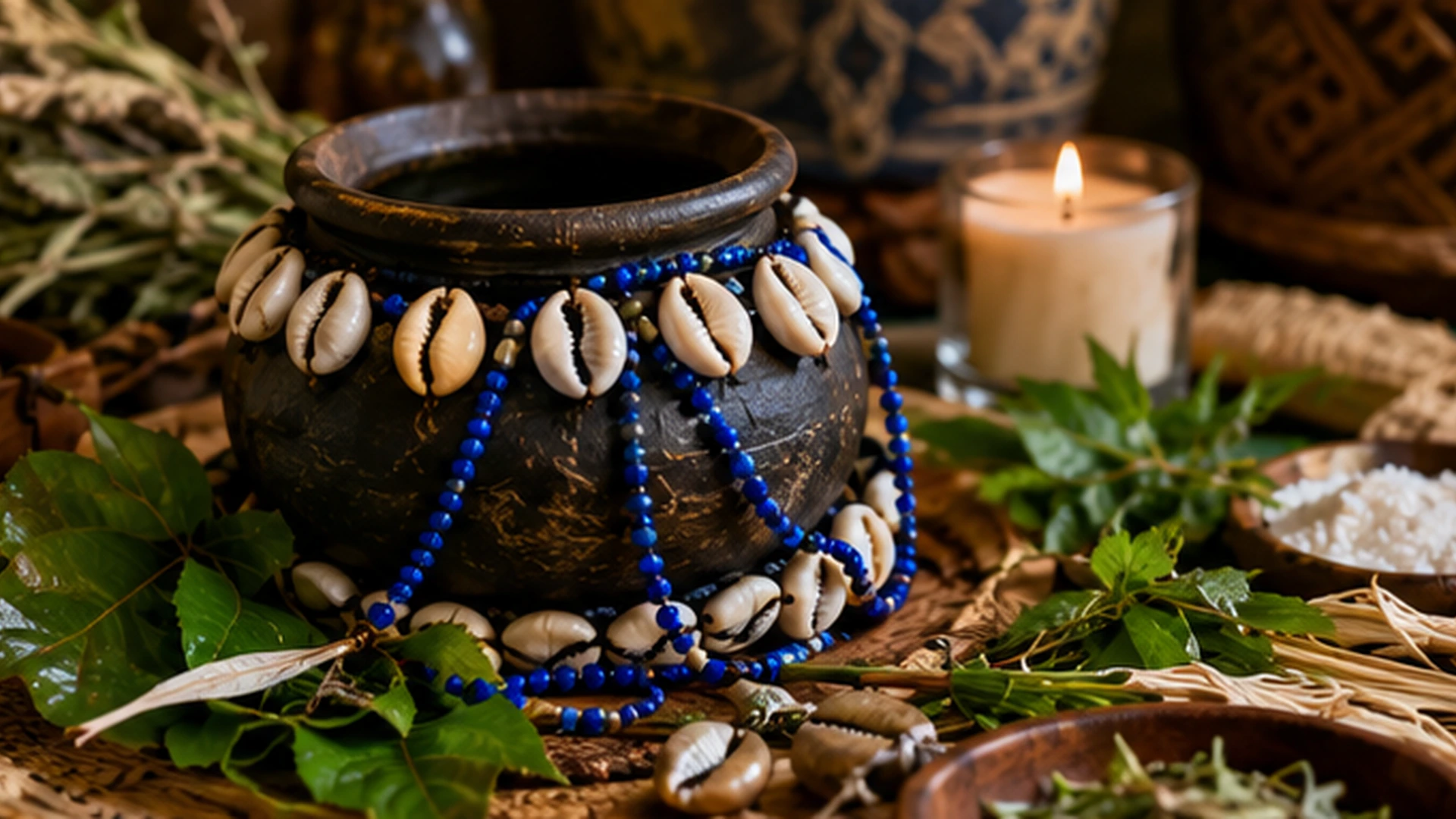
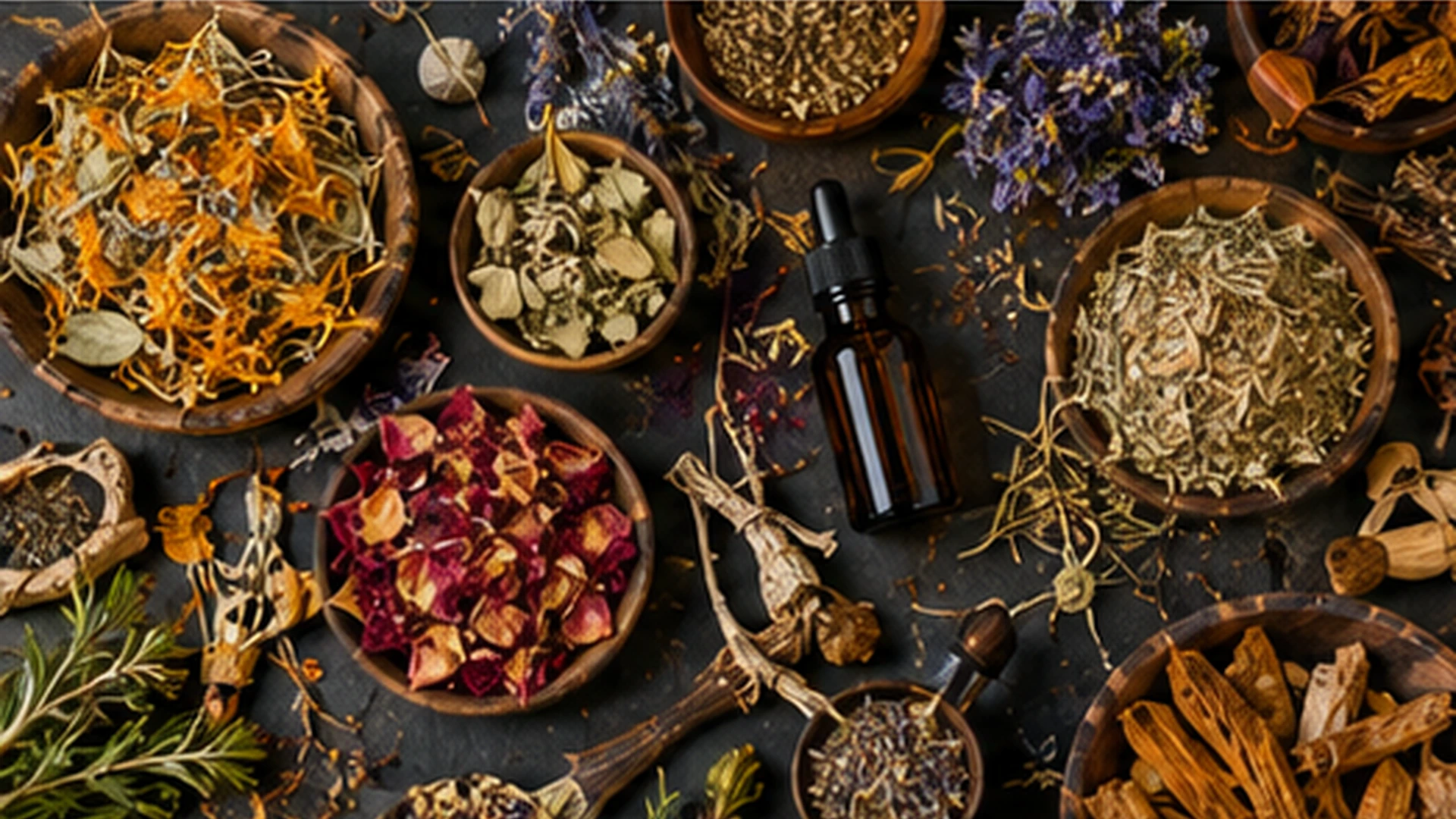
Herbal rituals are culturally defined practices in which plants are used as meaningful parts of prayer, blessing, remembrance, protection, initiation, seasonal celebration, healing...
Herbal rituals are culturally defined practices in which plants are used as meaningful parts of prayer, blessing, remembrance, protection, initiation, seasonal celebration, healing or community identity. The plant may be cultivated beside a doorway, placed on an altar, carried in procession, infused in water, offered, worn, burned, planted at a sacred site or prepared under the direction of a recognized custodian. The visible herb is only one part of the practice; language, timing, authority, family history and place often matter just as much.
There is no universal list of “spiritual herbs.” The same species may be food in one household, medicine in another, a festival decoration elsewhere and a restricted ceremonial material within a particular religious community. Even when two traditions both use washing or fragrant smoke, their beliefs and procedures should not be treated as interchangeable.
A responsible introduction therefore does three things at once: it respects living cultural knowledge, distinguishes belief from scientific proof, and takes physical safety seriously. “Natural” materials can irritate skin, worsen asthma, interact with medicines, harm pregnancy, poison children or pets, and become endangered through overharvesting. Cultural value and biological risk can coexist.
Quick Answer
An herbal ritual is a culturally recognized practice in which a plant is used for symbolic, religious, communal or healing meaning. Plants may be cultivated, washed with, offered, carried, burned or placed at boundaries, but no species has one universal meaning. Safe study requires correct identification, community permission, attention to toxicity and smoke, and separation of spiritual belief from medical evidence.
What Is an Herbal Ritual?
An herbal ritual is more than using a scented leaf or preparing a homemade remedy. The word ritual implies an ordered action whose meaning is recognized by participants. It may involve words, songs, timing, designated roles, inherited instructions, a sacred calendar, a particular place or a relationship with ancestors, deities, saints or the land.
Some practices are public, such as seasonal doorway decorations or festival processions. Others belong to initiated members, healers, priests, elders or particular families. A public photograph of a plant does not make every associated prayer, preparation or ceremony public knowledge. Responsible writing describes what communities and reputable researchers have made available without inventing missing details.
It is also important to distinguish ritual use from herbal medicine. A plant placed near an entrance for protection may never touch the body. A bath may have both symbolic and pharmacological effects. A tea or concentrated extract enters the body and creates a different level of risk. An essential oil is not simply a stronger tea; it is a concentrated product with its own toxicology.
Why Plants Carry Cultural Meaning
Plants connect people with seasons, landscapes, foods, medicines, ancestors and livelihoods. A species may flower during a festival, grow near a sacred spring, mark the boundary of a homestead, provide fragrance during prayer, or recall a community’s migration. Physical properties also influence symbolism: evergreens can suggest endurance, bitter plants may represent severity or cleansing, fragrant resins may accompany prayer, and thorny plants may be interpreted as guarding a boundary.
These comparisons do not prove that all communities derived meanings from one ancient source. Human societies can independently associate fragrance with welcome, washing with transition or evergreen leaves with continuity. Similar outward actions therefore do not erase differences in theology, history and authority.
Common Forms of Plant Use in Ritual Life
| Form | How meaning and risk differ |
|---|---|
| Living plants and gardens | Cultivation itself may be devotional, protective, medicinal or educational. Location, who tends the plant and how it is harvested may be part of the practice. |
| Baths, washing and sprinkling | Leaves may be infused, macerated or combined with water for cleansing, blessing, initiation or transition. Skin exposure and plant chemistry still matter. |
| Smoke, incense and fumigation | Dried leaves, woods or resins may be burned to fragrance a space, accompany prayer or mark a ceremony. Combustion creates particulate matter and should not be treated as physically harmless. |
| Offerings and altar plants | Flowers, leaves, seeds, foods or resins may be offered within a relationship with a deity, saint, ancestor or sacred place. Rules vary by community. |
| Doorways and boundaries | Plants may be hung, planted or placed at entrances during festivals or household observances. Their meaning is not automatically transferable to another religion. |
| Carrying, wearing and bundles | Small plant materials may be carried as reminders, medicines, gifts or sacred objects. Restricted bundles should not be opened, copied or commercialized by outsiders. |
| Teas, foods and medicines | Some ritual contexts include ingestion, but this is the highest-risk category for casual imitation because dose, identity, interactions and contamination matter. |
West and Central African Ritual Plant Traditions
Africa does not have one herbal ritual system. Ethnobotanical research in Benin and Gabon has documented hundreds of species used within named religious traditions, including Vodoun contexts in Benin and Bwiti-related contexts in Gabon. The study did not reveal a single pan-African recipe. It showed large local repertoires shaped by ecology, initiation, scarcity and regional authority.[1][2]
One especially important finding concerns conservation. Researchers recorded taboos and restrictions linked to particular ritual plants. In Benin, restricted species were more likely than unrestricted species to be officially threatened, perceived as scarce and actively protected. In Gabon, locally perceived scarcity was also associated with restrictions. Such rules should not be romanticized as a universal conservation system, but they demonstrate that religious knowledge may include practical limits on collection.[1]
This evidence challenges two stereotypes: that ritual plant use is random superstition, and that traditional knowledge always encourages unrestricted harvesting. In reality, communities may distinguish plant parts, collection seasons, initiated users and prohibited species. Outsiders who purchase “African ritual herbs” online without botanical identity or provenance can bypass both cultural authority and conservation safeguards.
Afro-Brazilian Plant Baths, Blessings and Axé
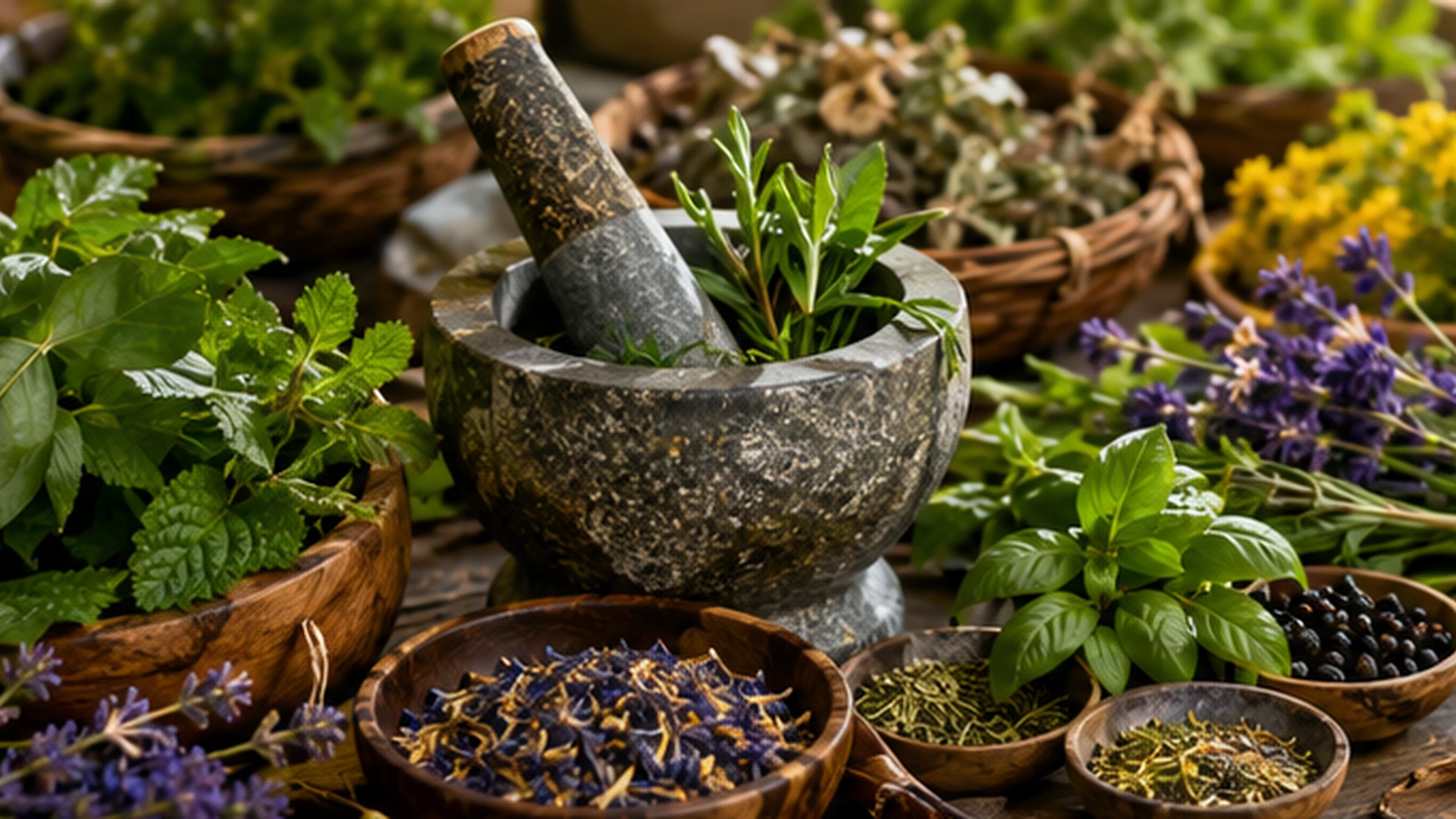
Plants are fundamental in several Afro-Brazilian religions, including Candomblé, Umbanda and Ritual de Almas e Angola. An ethnobotanical study on Santa Catarina Island interviewed 27 spiritual leaders and recorded 93 cited plants, representing 86 identified species. Liturgical uses included baths, smoke cleansing, amaci, protection, offerings and blessing.[3]
Within these traditions, plants may be understood as carriers of axé, a concept of vital force or sacred efficacy. Yet the exact plant, preparation and authorized user depend on the terreiro and religious lineage. Some baths described by participants were intended for cleansing, while others were associated with harmonization or sweetness. This does not create a public formula that can be safely copied from a list.
The study also illustrates cultural adaptation. Important plants included species originating in Africa, the Mediterranean, India and the Americas, reflecting centuries of diaspora, exchange and local ecology. Adaptation does not make the practice less authentic; living traditions often preserve principles while changing available materials. At the same time, several plants used in ritual settings can be toxic or irritating, so cultural importance should not be confused with unrestricted safety.[3][4]
Moxa and Calamus in the Dragon Boat Festival
UNESCO’s description of China’s Dragon Boat Festival documents substantial regional variation. Alongside boat races, memorial traditions, food and performances, participants in some regions hang plants such as moxa and calamus over doors, bathe in flower-scented water or wear five-colour silk. These actions are described within a festival that strengthens family and community identity.[5]
This example is valuable because it shows that an herbal ritual may be seasonal and domestic rather than a healing treatment. The doorway plants belong to a wider festival calendar and regional history. Removing them from that context and selling them as a universal “evil-removal kit” would flatten a living tradition into a generic commodity.
Tulsi in Hindu Household and Temple Life
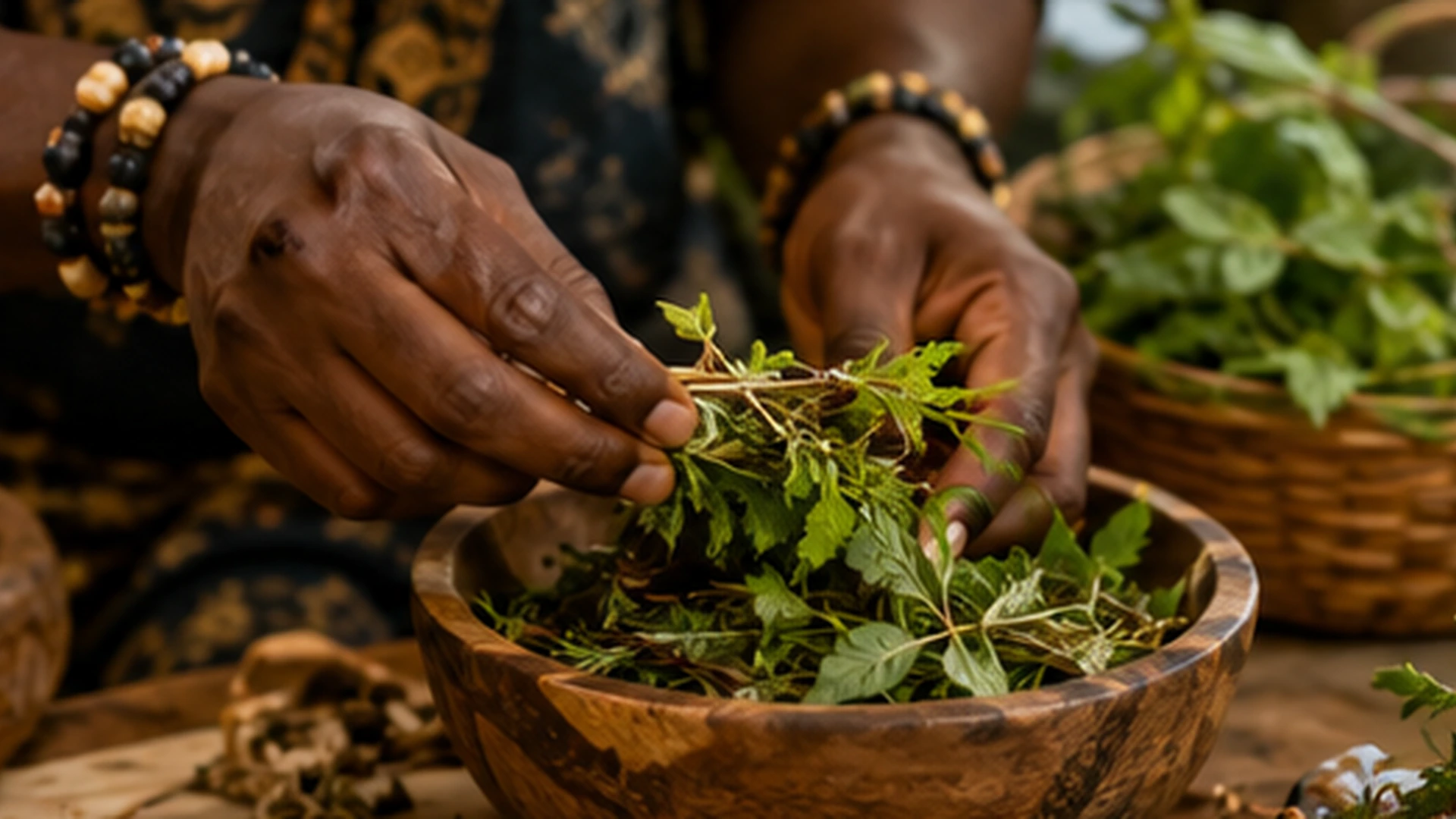
Tulsi, commonly identified with species and varieties in the genus Ocimum, is widely associated with Hindu religious life in India. It may be cultivated in courtyards, tended as a sacred plant and connected with household devotion. Its religious significance cannot be reduced to a list of chemical constituents or wellness claims. The living plant, daily care and devotional setting may be central to meaning.
Commercial “holy basil” capsules, teas and essential oils are therefore not equivalent to a household tulsi observance. Product concentration, botanical identity and intended use differ. A person may respectfully study tulsi’s place in Hindu traditions without recreating prayers or presenting a dietary supplement as spiritually interchangeable with a living devotional relationship.
Indigenous Sacred Medicines and Cultural Authority
Terms such as “Native American herbal ritual” are too broad. Nations and communities have distinct languages, lands and teachings. The U.S. National Library of Medicine notes that ceremonial plants such as tobacco, sweetgrass, sage and cedar appear in some medicine-wheel teachings while emphasizing that interpretations vary among tribes.[6]
Community-led and collaborative sources likewise stress that traditional tobacco is not the same as commercial cigarette use, and that form, purpose and custom vary by heritage and family teaching.[7] Wabanaki sweetgrass gathering also demonstrates that access to culturally significant plants is tied to land rights, ecological knowledge and intergenerational transmission. National Park Service work at Acadia has involved tribal priorities and environmental assessment rather than treating harvesting as open to everyone.[8]
The ethical lesson is not “buy white sage and copy smudging.” It is to identify the nation or community, follow public guidance, respect restricted knowledge, avoid marketing generic Indigenous identity, and support community access to plants and homelands. Some practices welcome invited participation; others do not.
Rue, Rosemary, Frankincense and the Problem of Universal Lists
Rue and rosemary appear in multiple Mediterranean, European, Latin American and Afro-diasporic contexts, but their meanings are not identical. Rue may be associated with protection, cleansing or the evil eye in some traditions, while rosemary may accompany remembrance, blessing, fragrance or household practice. Their wide distribution reflects trade, migration, gardens and religious exchange—not one fixed global doctrine.
Frankincense is another example. Resins from several Boswellia species have travelled through African, Arabian, Mediterranean and Asian trade networks and have been used in different religious and domestic settings. Burning frankincense in a church, preparing resin for perfume and marketing an essential oil are materially and culturally different acts. Species identity, sourcing and smoke exposure still matter.
Universal “top ten protection herbs” lists often erase these distinctions. A safer and more accurate approach asks: Which community uses the plant? In what form? Who is authorized to prepare it? Is the use public? Does it touch the body or enter the air? Is the species threatened, toxic or easily confused with another plant?
How Herbal Ritual Meanings Change Over Time
Plant traditions change through migration, conversion, colonialism, urbanization, environmental loss, trade and new law. Afro-Brazilian communities incorporated African, European and American species. Indigenous plant gathering has been restricted and later renegotiated through land-management agreements. Festival customs may move from rural courtyards into city apartments. A tradition can change while remaining meaningful when communities themselves guide that change.
Commercial markets create additional pressures. Plants may be relabelled with vague terms such as “shamanic,” “tribal,” “ancient” or “high vibration.” Rare species may be overharvested, and culturally restricted objects may be reproduced for tourists. Authenticity is not proved by age claims, smoke, exotic packaging or an anonymous seller’s promise.
Essential Safety: Natural Does Not Mean Harmless
The World Health Organization’s current traditional medicine strategy emphasizes evidence, safety, regulation, cultural respect and sustainability. WHO also recognizes herb-drug interactions as a significant technical issue requiring informed decision-making.[9][10] The U.S. National Center for Complementary and Integrative Health repeatedly warns that “natural” does not necessarily mean safe.[11]
1. Identify the exact plant
Common names can refer to different species. “Sage,” “cedar,” “basil,” “mugwort” and “calamus” are not precise botanical identities. A photograph, vendor label or social-media post may be wrong. Never ingest an unknown plant, and do not apply it to skin or burn it in a closed room merely because it appears in a ritual list.
2. Do not assume a ritual dose is a medical dose
A leaf carried in a pocket, a plant grown near a doorway and a concentrated extract have very different exposure levels. Even teas can vary widely by species, plant part, preparation and dose. Traditional use is evidence of cultural importance; it is not automatic proof of safety, effectiveness or suitability for every person.
3. Treat essential oils as concentrated products
Essential oils can cause skin reactions and serious poisoning when misused. Poison Control notes that some oils are toxic if swallowed or absorbed, may interact with medicines, and must be stored securely away from children and pets.[12] Never instruct people to drink an essential oil, place it in the eyes, use it undiluted on damaged skin or improvise a dose for pregnancy or illness.
4. Respect pregnancy and reproductive risk
Pregnancy is not the time for experimental herbal ingestion. Rue is especially dangerous: Poison Control describes severe maternal toxicity associated with its use to induce abortion, including vomiting, liver damage and anemia.[13] Other plants may have insufficient safety data. Pregnant or breastfeeding people should discuss herbal products with a qualified clinician rather than relying on a ritual website or seller.
5. Consider skin irritation and sunlight
Plants can cause allergic, irritant or phototoxic reactions. Sap, crushed leaves, oils or bath infusions may be riskier than casual contact with an intact plant. Patch-testing is not a guarantee of safety, especially for people with eczema, allergies or broken skin. Stop exposure and seek medical advice for significant rash, swelling or breathing difficulty.
6. Reduce smoke exposure
Burning herbs, woods, resins, candles or incense produces particulate matter and other combustion by-products. The U.S. Environmental Protection Agency advises ventilation when burning candles and incense indoors, and notes that inhalable particles can affect the heart and lungs.[14][15] People with asthma, chronic lung disease, migraines, infants, older adults and pets may be especially sensitive.
Smoke-free alternatives can preserve intention without copying a restricted ceremony: tending a living plant, arranging unburned leaves, using clean water, opening windows where safe, reading a prayer, cleaning a room, or supporting conservation. The alternative must still fit the user’s own tradition rather than imitate another community’s sacred practice.
7. Check medicines and medical conditions
Herbal products can change drug absorption, metabolism or effects. A person taking anticoagulants, seizure medicines, transplant drugs, heart medicines, diabetes treatment or psychiatric medication should be particularly careful, but interactions are not limited to these categories. Provide clinicians and pharmacists with the product name, botanical species, ingredients and dose whenever possible.[10]
8. Protect children and pets
Bright berries, fragrant oils and bowls of ritual water can attract children and animals. Lock concentrated oils, tinctures, powders and unidentified plant material away. Do not leave burning charcoal or candles unattended. If an exposure occurs, contact the relevant local poison-information service or emergency care provider rather than inducing vomiting or guessing at treatment.
9. Avoid contamination and adulteration
Dried herbs and powders may contain the wrong species, pesticides, heavy metals, microbes or undeclared pharmaceuticals. Buy from transparent suppliers that provide botanical names, origin, batch information and appropriate testing. Cultural language on a label is not quality assurance.
10. Do not replace necessary care
A ritual may provide comfort, identity, prayer, family connection or a sense of transition. It should not delay urgent treatment, replace prescribed medication, or become a guarantee of cure, fertility, protection, financial success or mental-health recovery. Spiritual care and biomedical care can coexist when roles and limits are clear.
Responsible Study and Participation
Name the specific community, country, language, religion or festival whenever the evidence allows.
Use community, museum, university, heritage-body and peer-reviewed sources rather than anonymous ritual lists.
Describe public practices without inventing restricted prayers, doses or ceremonial sequences.
Ask permission before photographing, collecting plants or entering a sacred garden or ceremony.
Do not sell generic “African,” “Indigenous” or “shamanic” kits that combine unrelated traditions.
Choose cultivated, legally sourced plants and avoid threatened wild species.
Separate a plant’s cultural meaning from claims of pharmacological effect.
For any use involving ingestion, skin, smoke or essential oils, prioritize identification and health guidance.
Common Misunderstandings About Herbal Rituals
| Misunderstanding | More accurate explanation |
|---|---|
| “Every herb has one spiritual meaning.” | Meanings change across communities, languages, regions, time periods and forms of use. |
| “Traditional use proves medical effectiveness.” | Tradition documents cultural history; scientific effectiveness requires separate evidence. |
| “Natural plants cannot poison people.” | Many plants and essential oils can irritate, interact with medicines or cause serious poisoning. |
| “Smoke is spiritual, so it is physically harmless.” | Spiritual meaning does not remove particulate matter or respiratory risk. |
| “A public plant list makes every ritual public.” | Preparation, prayers and initiation knowledge may remain restricted. |
| “Buying a sacred plant supports the culture.” | Commercial demand may instead exclude communities, encourage appropriation or damage wild populations. |
| “Similar plant baths prove all traditions share one origin.” | Comparable forms can develop independently and carry different meanings. |
People Also Ask
What is an herbal ritual?
It is a culturally recognized practice in which a plant has symbolic, religious, communal or healing meaning. The plant may be cultivated, offered, washed with, carried or burned, but the practice’s meaning comes from a specific tradition and authority structure.
Which plants are used in spiritual rituals?
Examples documented in different settings include rue, rosemary, frankincense, tulsi, moxa, calamus, sweetgrass, sage, cedar and traditional tobacco. This is not a universal list, and the same plant can have different meanings and risks.
Are ritual herbs the same as herbal medicine?
No. A plant may be symbolic, devotional or decorative without being used as medicine. When a plant is swallowed, applied to skin or inhaled as smoke, pharmacological and toxicological risks become more important.
Why are herbs considered sacred?
Communities may connect plants with deities, ancestors, origin stories, seasonal cycles, sacred places, healing lineages or family memory. Sacredness is a cultural relationship, not a measurable chemical property.
Are herbal cleansing baths safe?
Safety depends on exact species, concentration, skin condition, pregnancy, allergies and preparation. Some ritual plants are irritating or toxic, so a traditional bath should not be copied from an anonymous list.
Is burning herbs indoors safe?
Combustion creates fine particles and other pollutants. Ventilation reduces but does not eliminate exposure, and smoke may aggravate asthma or other conditions. Smoke-free practices may be safer.
Can essential oils be swallowed?
Do not swallow essential oils unless a qualified clinician and a legally regulated product specifically direct it. Some oils can cause severe poisoning, aspiration injury or medication interactions.
Can herbs interact with prescription medicines?
Yes. Herbal products can change drug effects or metabolism. Discuss supplements, teas, tinctures and concentrated extracts with a pharmacist or clinician.
Are rue and mugwort safe during pregnancy?
Rue can cause severe toxicity and has been used dangerously to induce abortion. Safety data for many other herbs are inadequate. Pregnancy requires professional medical guidance, not ritual experimentation.
Can anyone copy an Indigenous smudging ceremony?
No universal answer exists. Practices vary by nation and community. Follow public guidance from the relevant community, attend only when invited and avoid commercializing restricted ceremony.
How can sacred plants be sourced responsibly?
Prefer cultivated, correctly identified and legally sourced plants. Learn whether wild populations are threatened and whether commercial demand interferes with community access.
Do herbal rituals scientifically remove negative energy?
Science has not established “negative energy” as a measurable substance removed by herbs. Rituals may still have religious, emotional, social or cultural meaning, which should be described as belief or lived experience rather than laboratory proof.
Frequently Asked Questions
Can I create a personal herbal ritual?
A private reflective practice can use plants you legally grow or know to be safe, but it should not be presented as an authentic ceremony from a community you do not belong to. Avoid ingestion, smoke or concentrated oils without safety guidance.
What is the safest way to use scent in a ritual?
A living aromatic plant, an unburned herb arrangement or a properly labelled low-exposure product may reduce combustion risk. Fragrance can still trigger allergy or migraine.
Does boiling make a toxic plant safe?
Not reliably. Some toxins remain after boiling, and home preparation cannot guarantee a safe dose. Never use cooking as a general detoxification rule.
Can children participate in herbal rituals?
They may participate in age-appropriate, smoke-free cultural activities under responsible adult supervision. Keep oils, unknown plants, hot water, charcoal and candles inaccessible.
Are dried herbs safer than fresh herbs?
Not necessarily. Drying can concentrate material by weight, create dust, obscure identification or encourage mold if storage is poor.
What should I do after a plant exposure?
Remove the person from smoke, rinse affected skin or eyes with clean water when appropriate, keep the plant or product container, and contact local emergency or poison-information services for case-specific advice.
Is incense different from burning loose herbs?
Both involve combustion and can emit fine particles. Ingredients, binders, fragrance chemicals, amount burned and ventilation change exposure.
Can pets be in a room with diffused oils?
Some essential oils can harm animals, and species differ in metabolism. Ask a veterinarian and keep pets able to leave the area; never apply oils to them without professional advice.
Why do botanical names matter?
One common name may refer to several species with different chemistry. A scientific name helps reduce dangerous substitution, although correct identification and product quality are still required.
Can I harvest plants from a public park?
Usually not without permission. Laws, protected-species rules, land rights and Indigenous gathering agreements may apply. Observation is not permission to collect.
Are online ritual kits trustworthy?
Packaging cannot prove cultural authority, botanical identity, sustainability or safety. Avoid products with secret ingredients, cure guarantees or vague “ancient tribal” claims.
Can a ritual herb cure anxiety or depression?
Do not rely on a ritual product as a cure. A meaningful practice may support coping or identity, but persistent or severe symptoms deserve qualified mental-health care.
Is tobacco sacred and therefore safe?
Sacred traditional tobacco practices are culturally distinct from commercial tobacco use, but inhaled tobacco smoke still carries physical risk. Do not use sacred meaning to deny public-health evidence.
How should writers discuss restricted rituals?
Describe public context, meaning and history; credit communities and scholars; avoid procedural details that custodians have not made public.
What is biocultural conservation?
It recognizes that biodiversity and cultural knowledge are connected. Protecting a plant may also require protecting community access, language, land and harvesting relationships.
What is the main rule for herbal ritual safety?
Know the exact plant, the cultural context, the route of exposure and the person’s health risks before doing anything with it.
Key Takeaways
Herbal rituals are culturally specific systems of meaning, not universal recipes.
The same plant can be devotional, medicinal, decorative, protective or ordinary depending on context.
Public description does not make restricted preparation or prayer open for imitation.
Plant identity, dose and route of exposure determine physical risk.
Essential oils, smoke, pregnancy, medication interactions, children and pets require special caution.
Traditional knowledge can contribute to conservation, but commercial demand can also threaten plants and community access.
Spiritual meaning should be respected without presenting supernatural or medical outcomes as scientifically guaranteed.
Conclusion
Herbal rituals reveal how deeply plant life is woven into human memory, religion, family and place. A leaf may mark a festival doorway, a resin may accompany prayer, a garden may preserve an initiated lineage, and a harvesting rule may protect a scarce species. The value lies not in treating every plant as a generic tool, but in understanding the relationships that give it meaning.
Responsible study requires curiosity with boundaries. Name the community, distinguish belief from evidence, seek permission, protect biodiversity and take exposure seriously. A culturally respectful article should leave readers better informed—not equipped to imitate private ceremonies or take unsafe products.
Final Summary
Herbal rituals use plants in culturally recognized ways for prayer, blessing, cleansing, protection, remembrance, seasonal identity and healing. No universal plant meaning exists. Safe and ethical engagement depends on correct identification, cultural authority, conservation, smoke reduction, secure handling of essential oils, medication review and professional guidance for any use involving the body.
Article Information
- Publisher
- Ancestral Temple
- Editor
- Ancestral Temple
- Last updated
- Jul 30, 2026
- Last reviewed
- Jul 30, 2026
- Content version
- 58f4fd68d6
This educational article should be read as cultural and spiritual information, not as medical, legal, financial, or emergency advice.
Helpful Related Guidance
Explore This Topic
Related Topic Cluster
Herbal Rituals
Complete Guide Uncrossing and Negative-Energy Cleansing Rituals: Meaning and Cultural PracticesAbout the Author
 Ancestral Temple
Spiritual guide and practitioner with decades of experience in ancestral wisdom, rituals, and divine guidance.
Related Posts
View All








Leave a Comment
We'd love to hear your thoughts.